- Company Articles
- Company Articles
- Aluminum Workbench A and Lean 5S Principles: Organizing Your Workspace

Aluminum Workbench A and Lean 5S Principles: Organizing Your Workspace
Related Product
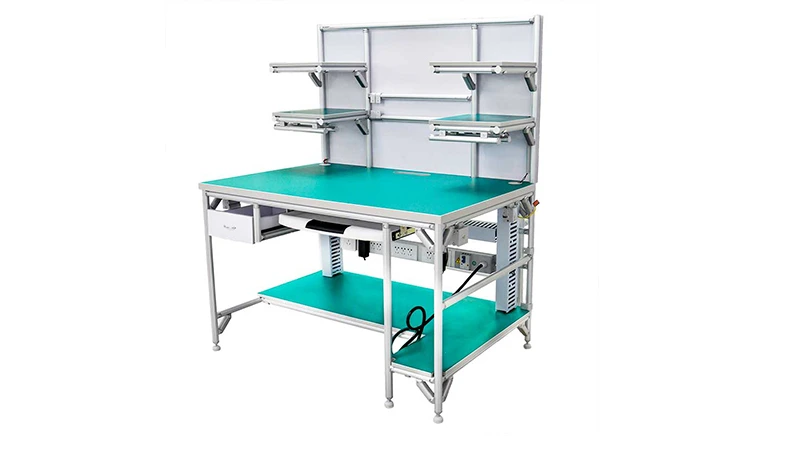
Aluminum Workbench A
Aluminum tube workbench is more flexible and durable, compared with traditional PE/ABS coated steel tube. It is easy to assemble, anti corrosion, rust protection, and recycle use after disassemble.
Walk into any busy workshop, factory floor, or even office, and you'll quickly spot the difference between a space that hums with efficiency and one that feels stuck in chaos. Tools misplaced, materials piling up, employees wandering to find supplies—these aren't just minor annoyances. They're silent productivity killers, eating into profits and draining team morale. The good news? There's a proven framework to turn this around: Lean 5S. And at the heart of making 5S work in tangible, everyday ways? The right tools—starting with something as foundational as a well-designed workbench. Today, we're diving into how Aluminum Workbench A (single deck, without caster) becomes more than just a table; it's a cornerstone for organizing your workspace, streamlining workflows, and embedding Lean thinking into the very fabric of your operations.
Before we jump into the "how," let's ground ourselves in what Lean 5S really is. Born from Japanese manufacturing principles, 5S stands for Sort, Set in Order, Shine, Standardize, and Sustain. It's not just about tidying up—it's a mindset shift that transforms workspaces into places where waste is eliminated, time is respected, and people can do their best work. And while 5S is a philosophy, it needs physical anchors to take root. That's where Aluminum Workbench A comes in. Crafted from durable aluminum profile and designed with modularity in mind, this workbench isn't just a surface to work on. It's a blank canvas for building a 5S-aligned workspace, complete with the flexibility to adapt as your needs change. Let's break down how each principle of 5S comes to life with Aluminum Workbench A—and why this combination might just be the game-changer your team has been waiting for.
Understanding Lean 5S: The Foundation of an Organized Workspace
Before we dive into the specifics of Aluminum Workbench A, let's make sure we're all on the same page about Lean 5S. At its core, 5S is about creating a workspace that's intentional . Every tool, every material, every square inch has a purpose. Let's quickly recap the five principles:
- Sort (Seiri): Separate what's needed from what's not. Keep only essential tools and materials in the workspace.
- Set in Order (Seiton): Arrange necessary items so they're easy to find, use, and return—"a place for everything, everything in its place."
- Shine (Seiso): Keep the workspace clean and well-maintained. A clean space prevents defects, reduces downtime, and boosts morale.
- Standardize (Seiketsu): Create consistent processes for how the workspace is organized and maintained. Make 5S a habit, not a one-time project.
- Sustain (Shitsuke): Ensure the 5S system is followed long-term through training, accountability, and continuous improvement.
Now, imagine trying to implement these principles with a rickety wooden workbench that's covered in scratches, lacks storage, and can't be customized. It's like trying to build a house on sand. Aluminum Workbench A, with its robust aluminum profile construction and compatibility with aluminum profile accessories , is the solid foundation that turns 5S from a poster on the wall into a daily reality.
Aluminum Workbench A: Designed for 5S Success
Let's start by getting to know Aluminum Workbench A. As the name suggests, it's a single-deck workbench (no caster wheels, though we'll talk about adding mobility later if needed) built with high-quality aluminum profile. Aluminum isn't just chosen for its sleek look—it's lightweight yet incredibly strong, resistant to rust and corrosion, and easy to clean. These traits alone make it a standout choice for Shine, but its real power lies in its adaptability. Thanks to the t-slot design of aluminum profiles, you can attach a wide range of accessories: tool holders, shelves, dividers, and even flow rack extensions for material handling. This modularity means the workbench grows with your 5S journey, evolving as your needs change.
Another key feature? The flat, smooth work surface. Unlike workbenches with built-in drawers that often become dumping grounds for clutter, Aluminum Workbench A starts with a clean slate. This intentional simplicity forces teams to think critically about what truly needs to be on the bench (hello, Sort!) and how to arrange those items efficiently (Set in Order). It's a subtle nudge toward discipline—one that pays off in reduced distractions and faster task completion.

Applying 5S with Aluminum Workbench A: A Step-by-Step Guide
1. Sort: Declutter to Focus on What Matters
The first step in 5S is Sort, and it's often the most challenging. We've all held onto tools "just in case" or kept extra materials "for emergencies," only to realize they're taking up valuable space. Aluminum Workbench A, with its minimalist single deck, makes this process unavoidable. There's no hiding clutter in drawers or under shelves—if it's on the bench, it's visible, and that visibility is a powerful motivator to purge.
Start by removing everything from the workbench. Yes, everything. Then, sort items into three categories: essential (used daily), occasional (used weekly or monthly), and unnecessary (haven't been used in 3+ months). Essential items stay on or near the workbench; occasional items go to a central storage area (like a material rack ); unnecessary items are recycled, donated, or discarded. Aluminum Workbench A's surface is now clear—only the tools and materials needed for the day's tasks remain. This might feel drastic at first, but teams quickly report a sense of relief: no more sifting through junk to find what they need, no more wasted time moving clutter out of the way.
Pro tip: Use aluminum profile accessories like small dividers or magnetic tool holders to separate essential items on the bench. This visual separation makes it even easier to spot when non-essential items start creeping back in.
2. Set in Order: Arrange for Efficiency
Now that you've sorted, it's time to Set in Order. This is where Aluminum Workbench A's modular design truly shines. The goal here is to arrange items so that the most frequently used tools are closest to the operator, reducing movement and fatigue. For example, a assembly line worker might need a screwdriver, wrench, and parts bin within arm's reach. With aluminum profile accessories like side-mounted tool hooks or under-bench shelves, you can position these items exactly where they're needed.
But Set in Order isn't just about tools—it's about material flow, too. Many workbenches operate in conjunction with other systems, like conveyors or flow racks, to move parts in and out. Aluminum Workbench A can be seamlessly integrated with a flow rack (using aluminum guide rails or connectors) to create a smooth path for materials. Imagine a scenario where incoming parts roll gently down a flow rack directly onto the workbench, and finished parts are pushed onto a conveyor on the other side. No more walking to fetch materials—they come to you. This integration turns the workbench into a hub of efficiency, not an isolated island.
What if you need mobility? While Aluminum Workbench A doesn't come with casters, you can easily add caster wheels (and caster accessories) using aluminum profile brackets. This is perfect for workbenches that need to be moved to different stations or cleaned around. Just remember: if you add casters, use brake mechanisms to keep the bench stable during use—safety first!
3. Shine: Keep It Clean, Keep It Productive
A clean workspace isn't just about aesthetics—it's about quality and safety. Dust, oil, or debris on a workbench can contaminate parts, cause tools to slip, or hide defects. Aluminum Workbench A makes Shine effortless. Unlike wood, which absorbs spills and stains, or steel, which can rust if not dried properly, aluminum wipes clean with a damp cloth. Its smooth surface leaves no crevices for dirt to hide, and its corrosion resistance means even harsh cleaning agents (when needed) won't damage it.
Make Shine a daily ritual. At the end of each shift, have operators wipe down the workbench surface, empty trash bins, and return tools to their designated spots. This five-minute routine prevents buildup and ensures the workspace is ready for the next day. Over time, teams start to take pride in their clean bench—it becomes a point of pride, a visual signal that they care about their work and their environment.
Pro tip: Use color-coded cleaning supplies (e.g., yellow rags for the workbench, blue for tools) to standardize the process. Store these supplies in a small holder attached to the bench using aluminum profile accessories—so they're always within reach when it's time to Shine.
4. Standardize: Turn Habits into Systems
Standardization is what keeps 5S from fizzling out after the initial cleanup. It's about creating clear, repeatable processes for how the workspace is organized, cleaned, and maintained. Aluminum Workbench A supports standardization in two key ways: through visual cues and consistent design.
Visual cues are powerful. Use labels, shadow boards, or colored tape to mark where each tool or material should go on the workbench. For example, trace the outline of a wrench on a tool holder attached to the bench—now, anyone can see at a glance if the wrench is missing. Aluminum profile accessories like dividers or bins can be color-coded to separate different types of parts (e.g., red for defective, green for approved). These visual standards eliminate guesswork and ensure everyone follows the same system, regardless of experience level.
Consistent design is equally important. If you have multiple workbenches in your facility, using the same Aluminum Workbench A model (with the same accessories) ensures that operators can move from one station to another and instantly know where things are. This reduces training time and minimizes errors. Standardization also extends to maintenance—since all benches use the same aluminum profile and accessories, ordering replacement parts (like end caps or connectors) is simple and cost-effective.
5. Sustain: Make 5S a Culture, Not a Project
Sustain is often called the "forgotten S," but it's the most critical. After all, what's the point of organizing a workspace if it slides back into chaos a month later? Sustaining 5S requires commitment from leadership, regular audits, and a team that's invested in the process. Aluminum Workbench A plays a role here by making the 5S system visible and enforceable .
Visibility is key. A well-organized Aluminum Workbench A sends a clear message: "This workspace matters. We care about efficiency and quality." When new employees walk in, they see a clean, ordered bench and think, "This is how things are done here." Over time, this becomes part of the company culture. Regular 5S audits (weekly or monthly) can use the workbench as a benchmark: Is everything in its place? Is the surface clean? Are accessories being used correctly? If not, address the root cause—maybe a tool holder is in the wrong spot, or the team needs more training on using the flow rack.
Employee engagement is also crucial. Involve operators in designing their workbench setups—they know best where tools and materials should go. When team members have a say in their workspace, they're more likely to take ownership of maintaining it. Celebrate small wins, too: recognize teams that consistently keep their benches organized, or share success stories about how 5S on the workbench reduced errors or saved time. Sustaining 5S isn't about punishment; it's about creating a workplace where everyone thrives.

The Impact: Beyond the Workbench
You might be thinking, "This all sounds great, but does a workbench really make that big of a difference?" Let's look at the numbers. Companies that implement 5S with the right tools report productivity gains of 10-30%, reduced waste by up to 50%, and fewer defects. But the impact goes beyond metrics. Employees in 5S workspaces report higher job satisfaction—they feel respected, valued, and empowered to do their best work. A messy, disorganized bench can make even a simple task feel overwhelming; a clean, organized one turns challenges into opportunities.
To illustrate, let's compare two scenarios:
| Scenario | Traditional Workbench | Aluminum Workbench A (5S-optimized) |
|---|---|---|
| Setup Time | 15 minutes: Searching for tools, clearing clutter, fetching materials. | 2 minutes: Tools are in place, materials arrive via flow rack, surface is clean. |
| Task Completion | Errors due to misplaced tools; frequent trips to get parts. | Tasks completed 20% faster; fewer defects due to clean surface and organized tools. |
| End-of-Shift | 30-minute cleanup; tools lost or damaged, workspace messy for next shift. | 5-minute wipe-down; tools returned to shadow boards, workspace ready for tomorrow. |
| Employee Morale | Frustration, stress, disengagement. | Pride, efficiency, sense of control over work environment. |
The difference is clear: Aluminum Workbench A, when paired with 5S principles, transforms the workbench from a passive piece of furniture into an active driver of efficiency and morale.
Choosing the Right Supplier: A Partner in 5S
To get the most out of Aluminum Workbench A and your 5S journey, it's important to work with a reliable supplier. Look for a supplier that offers not just the workbench itself, but a full range of aluminum profile accessories, flow racks, caster wheels, and other components. This ensures compatibility and simplifies ordering. A good supplier will also provide guidance on customizing the workbench to your specific needs—whether you're in automotive manufacturing, electronics assembly, or a small workshop. They should understand Lean principles and be able to recommend accessories that support your 5S goals, like tool holders for Sort, guide rails for Set in Order, or easy-to-clean surfaces for Shine.
Remember, your supplier isn't just selling products—they're selling solutions. Take the time to explain your workflow, challenges, and goals. A partner who listens will help you design a workbench setup that's tailored to your operation, not a one-size-fits-all solution.
Conclusion: Your Workbench, Your 5S Journey
Lean 5S isn't about perfection—it's about progress. It's about creating a workspace that respects your team's time, reduces waste, and makes every day a little smoother. Aluminum Workbench A, with its durable aluminum profile, modular design, and compatibility with aluminum profile accessories, flow racks, and caster wheels, is more than just a tool for this journey—it's a catalyst. It turns abstract principles into tangible actions, making 5S something your team can see, touch, and live every day.
So, take a look at your current workbench. Does it support Sort, Set in Order, Shine, Standardize, and Sustain? Or is it holding your team back? Investing in Aluminum Workbench A isn't just an upgrade to your equipment—it's an investment in your team, your products, and your future. Start small: pick one bench, implement 5S with the right accessories, and watch as the benefits ripple out across your entire operation. Before long, you'll wonder how you ever worked without it.
Here's to a workspace that works with you, not against you. Here's to 5S, and here's to Aluminum Workbench A—the cornerstone of your organized, efficient future.