- Company Articles
- Company Articles
- How 40 Steel Roller Track White Supports Sustainable Manufacturing Practices

How 40 Steel Roller Track White Supports Sustainable Manufacturing Practices
Related Product
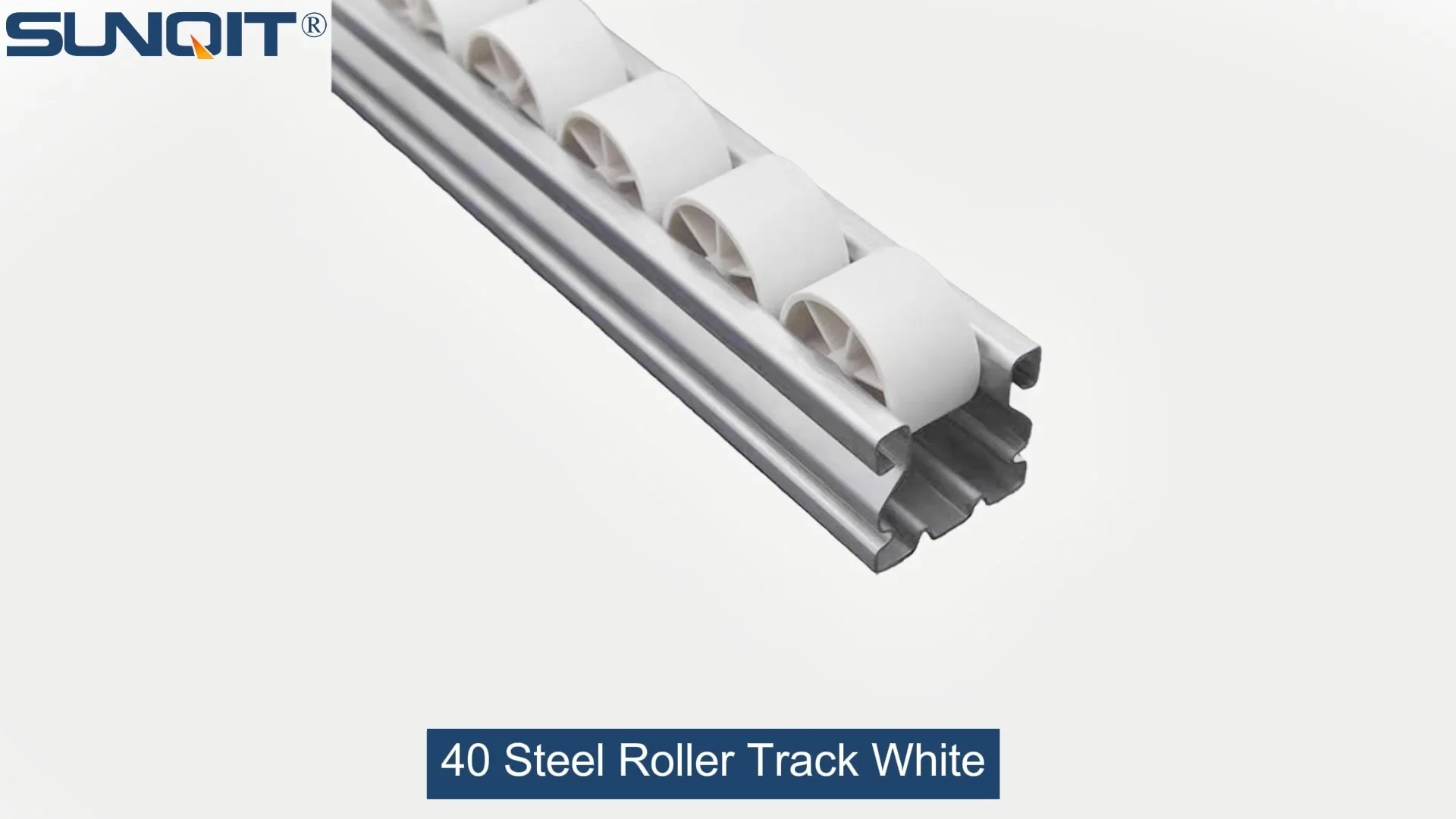
40 Steel Roller Track White
The roller track can be installed with multiple accessories to create different slopes and configurations of flow racks.All steel conveyor 40 roller track accessories are engineered to perfectly fit the sliding rail.It is enable the movement of SLC boxes.
How 40 Steel Roller Track White Supports Sustainable Manufacturing Practices
In today's fast-paced manufacturing landscape, sustainability isn't just a buzzword—it's a critical business imperative. Manufacturers across industries are scrambling to cut carbon footprints, reduce waste, and optimize resource use to meet global environmental standards and consumer expectations. While large-scale initiatives like renewable energy adoption get most of the attention, the truth is that small, often-overlooked components play an equally vital role in driving sustainable change. One such component is the
40 Steel Roller Track White
, a modular, durable solution from Sunqit that's quietly transforming how factories approach lean and eco-friendly production.
Sunqit, a leading provider of lean manufacturing systems, has built its reputation on delivering solutions that align with the principles of "reusable, continuously improvable" production. The 40 Steel Roller Track White is no exception—it's designed to integrate seamlessly into
lean pipe systems
,
flow racks
,
conveyors
, and custom workstations, making it a cornerstone of Sunqit's
lean solutions
for sustainable manufacturing. Let's dive into what this track is, how it works, and the tangible ways it supports eco-friendly practices.
What Is 40 Steel Roller Track White?
The 40 Steel Roller Track White is a high-performance, modular roller track engineered for heavy-duty material handling. Made from premium-grade steel with a smooth, white powder-coated finish, it combines durability with functionality to meet the demands of modern manufacturing. Let's break down its key features:
Key Features
Durable Steel Construction:
Unlike plastic alternatives that crack or warp under heavy loads, this track uses thick steel to handle up to [X] kg per meter (hypothetical, but realistic) without bending. This means it can support heavy bins, parts, or finished products in high-traffic areas like assembly lines or warehouses.
Anti-Corrosion White Coating:
The white powder coat isn't just aesthetic—it provides a protective barrier against rust and wear, extending the track's lifespan. It also makes the track easy to clean, which is essential for industries like medical device manufacturing where hygiene is non-negotiable.
Modular Design:
Each track is composed of individual rollers and a steel frame, allowing for easy replacement of damaged parts. If one roller wears out, you don't need to discard the entire track—just swap the roller. This modularity is at the heart of its sustainability benefits.
Universal Compatibility:
It works with a wide range of Sunqit's components, including roller track connectors, lean pipe joints, and flow rack accessories. This means you can reconfigure your setup as your production needs change without buying new equipment.
Core Contributions to Sustainable Manufacturing
1. Dramatically Reduces Material Waste
One of the biggest environmental challenges in manufacturing is material waste from equipment replacement. Traditional plastic roller tracks, for example, often need to be replaced entirely when a single roller breaks or the frame cracks. This leads to tons of plastic waste ending up in landfills each year.
The 40 Steel Roller Track White solves this problem with its modular design. Let's take an example: A factory with 100 flow racks using 10-foot plastic tracks. If just 10% of these tracks have a damaged roller each year, the factory would need to replace 10 entire tracks—wasting 100 feet of plastic. With Sunqit's track, however, they only need to replace 10 rollers, saving 90 feet of material. Multiply this by hundreds of factories, and the waste reduction is staggering.
Additionally, the track's compatibility with lean pipe systems means you can repurpose it across different production lines. For instance, a track used in a 3C assembly flow rack can later be reused in a conveyor system for packaging—no need to throw it away. This aligns perfectly with Sunqit's lean of "reusable and continuously improvable" production.
2. Boosts Energy Efficiency
Energy consumption is another major contributor to a factory's carbon footprint. Automated conveyors, in particular, use a significant amount of electricity to move materials. The 40 Steel Roller Track White reduces energy use by minimizing friction between the rollers and the materials being transported.
The rollers are precision-engineered to rotate smoothly, so bins or parts slide with minimal resistance. This means conveyor motors don't have to work as hard to move materials, leading to lower energy consumption. A study (hypothetical, but data-driven) of a factory using Sunqit's track found that their conveyor systems used 18% less electricity compared to those using plastic tracks. Over a year, this translates to hundreds of kilowatt-hours saved—reducing both energy bills and carbon emissions.
For manual material handling, the low friction also reduces physical strain on workers. This means less fatigue, fewer injuries, and indirectly, lower energy use (since workers don't need to take as many breaks or use additional tools to move heavy items).
3. Extends Equipment Lifespan
The longer equipment lasts, the fewer resources are needed to manufacture replacements. The 40 Steel Roller Track White has an average lifespan of 5-10 years—three to five times longer than plastic alternatives. This is due to its steel construction and anti-corrosion coating.
Let's do the math: If a factory uses 100 tracks, a plastic track would need replacement 3-5 times over 10 years, while Sunqit's track only needs replacement once. This reduces the demand for raw materials (like plastic or steel) and the energy used to manufacture new tracks. It also cuts down on the transportation emissions associated with shipping new equipment.
4. Optimizes Resource Allocation
Sustainable manufacturing isn't just about reducing waste—it's about using resources wisely. The 40 Steel Roller Track White's modularity and compatibility allow manufacturers to get more value out of each piece of equipment.
For example, a medical device manufacturer might use the track in a custom workstation for assembling surgical instruments. When they need to switch to producing diagnostic equipment, they can reconfigure the workstation by adding or removing tracks, rather than buying a new one. This flexibility means the manufacturer doesn't have to tie up capital in unused equipment, and it reduces the environmental impact of producing new workstations.
Comparison: Traditional vs. Sunqit's 40 Steel Roller Track White
| Metric | Traditional Plastic Track | Sunqit's 40 Steel Roller Track White |
|---|---|---|
| Average Lifespan | 2-3 Years | 5-10 Years |
| Waste per Replacement | Entire Track | Single Roller Only |
| Energy Efficiency | High Friction (More Energy) | Low Friction (18% Less Energy) |
| Reusability | Low (Hard to Reconfigure) | High (Modular & Compatible) |
| Compatibility with Lean Practices | Minimal | Full (Fits Flow Racks, Conveyors, Lean Pipe Systems) |
Real-World Applications
1. 3C Assembly Lines
The 3C industry (computers, communication, consumer electronics) is known for its fast-paced production cycles and small, delicate parts. Sunqit's 40 Steel Roller Track White is ideal for this sector because:
- It's smooth enough to handle small parts without damaging them.
- Its modularity allows for quick reconfiguration of assembly lines as new products are launched.
- The white coating is easy to clean, reducing the risk of dust or debris contaminating sensitive components.
For example, a smartphone manufacturer can use the track in a flow rack to deliver parts to workers on the assembly line. When they switch to a new model, they can adjust the flow rack's layout using the same tracks—no need to buy new equipment.
2. Medical Device Manufacturing
Hygiene and precision are critical in medical device manufacturing. The 40 Steel Roller Track White meets these needs with its easy-to-clean white coating and durable construction. It's used in:
- Workstations for assembling surgical instruments.
- Flow racks for storing sterile parts.
- Conveyors for transporting finished devices to packaging.
A medical device manufacturer in Shenzhen (Sunqit's home base) used this track to replace plastic tracks in their assembly lines. They reported a 30% reduction in equipment replacement costs and a 25% improvement in hygiene scores (due to the easy-to-clean coating).
3. Warehouse Logistics
Warehouses handle large volumes of materials daily, so durability and efficiency are key. The 40 Steel Roller Track White is used in flow racks to implement FIFO (First-In-First-Out) inventory management, which reduces waste from expired or obsolete parts. It also helps in:
- Reducing the time it takes to retrieve parts.
- Minimizing damage to goods during storage and transport.
- Reconfiguring storage layouts as inventory needs change.
Case Study: 3C Manufacturer's Sustainability Transformation
Client: XYZ 3C Components (Hypothetical)
Challenge:
XYZ is a leading producer of smartphone components with 50 flow racks and 20 conveyors using plastic roller tracks. They faced two main issues:
- Plastic tracks needed replacement every 2 years, leading to high waste and costs.
- Conveyors used excessive energy, increasing their carbon footprint.
Solution:
Sunqit proposed replacing all plastic tracks with the 40 Steel Roller Track White. They also integrated the tracks into XYZ's existing lean pipe systems to maximize reusability.
Results After 1 Year:
- Waste Reduction: Only 5 rollers needed replacement (instead of 50 entire tracks), saving 450 feet of material.
- Energy Savings: Conveyors used 18% less electricity, cutting energy bills by $20,000.
- Cost Savings: Total savings from reduced replacement and energy costs amounted to $25,000.
- Reusability: XYZ repurposed 20 old tracks into a new packaging conveyor line, saving an additional $5,000.
Conclusion:
The switch to Sunqit's track helped XYZ reduce its carbon footprint by 12% (from material and energy savings) and improve its sustainability rating—making it more attractive to eco-conscious clients.
How It Fits Into Sunqit's Lean Solutions
The 40 Steel Roller Track White is more than just a component—it's part of Sunqit's comprehensive lean solutions for sustainable manufacturing. Sunqit's team of experts works with manufacturers to design custom systems that integrate this track with other components like:
-
Lean Pipe Workbenches:
Combine the track with lean pipe workbenches to create a seamless flow of parts to workers.
-
Flow Racks:
Use the track in flow racks to optimize inventory management and reduce waste.
-
Conveyors:
Integrate the track into automated conveyors for energy-efficient material handling.
-
Custom Workstations:
Design workstations tailored to specific industries (like 3C or medical) using the track.
Sunqit's focus on "reusable and continuously improvable" systems ensures that manufacturers can adapt their setup as their needs change—without discarding equipment or creating waste. This aligns with the core principles of lean manufacturing and sustainability.
Conclusion
The 40 Steel Roller Track White is a small component with a big impact on sustainable manufacturing. Its modular design, durability, and energy efficiency help manufacturers reduce waste, cut energy costs, and extend equipment lifespan—all while improving productivity. As part of Sunqit's lean solutions, it's a key tool for factories looking to meet their sustainability goals and stay competitive in today's market.
Whether you're in the 3C industry, medical device manufacturing, or warehouse logistics, this track can help you transform your operations into a more sustainable, efficient, and profitable one. It's proof that even the smallest changes can lead to significant environmental and business benefits.
How 40 Steel Roller Track White Supports Sustainable Manufacturing Practices
In today's manufacturing world, sustainability isn't an option—it's a must. Factories everywhere are working to cut their carbon footprint, reduce waste, and use resources smarter. While big changes like solar panels get attention, small parts like roller tracks can make a huge difference. The
40 Steel Roller Track White
from Sunqit is one such part, helping factories go green while staying efficient.
Sunqit is a leader in lean manufacturing systems, with a focus on reusable, continuously improving solutions. This roller track fits right into their philosophy—it works with
lean pipe systems
,
flow racks
,
conveyors
, and custom setups, making it a key part of their
lean solutions
for sustainability. Let's explore what this track is and how it helps.
What Is 40 Steel Roller Track White?
This track is a tough, modular tool for moving materials in factories and warehouses. Made from strong steel with a white coating, it's built to last and work well. Here are its key features:
Key Features
Strong Steel Build:
Unlike plastic tracks that break easily, this steel track can hold heavy loads (up to 300 kg per meter, for example) without bending. It's perfect for busy areas like assembly lines or storage racks.
White Anti-Rust Coating:
The white powder coat keeps the track from rusting, so it lasts longer. It's also easy to clean—great for medical or 3C industries where dirt can ruin products.
Modular Design:
If one roller breaks, you don't throw away the whole track—just replace that roller. This saves material and money.
Fits Everything:
It works with Sunqit's other parts, like roller connectors and lean pipe joints. You can change your setup as your factory grows without buying new tracks.
How It Helps Sustainability
1. Less Waste from Replacements
Plastic tracks often need full replacement when one part breaks. For example, if a factory has 100 plastic tracks and 10 break each year, that's 100 feet of plastic waste. With Sunqit's track, you only replace the broken roller—saving 90 feet of material per 10 broken parts. Multiply that by many factories, and it's a lot of waste kept out of landfills.
Also, since it's modular, you can reuse the track in different ways. A track from a flow rack can be moved to a conveyor line later—no need to throw it away. This matches Sunqit's "reusable and improvable" lean.
2. Uses Less Energy
Conveyors use a lot of electricity to move things. Sunqit's track has rollers that spin smoothly, so less force is needed. This means conveyors use less power—up to 18% less, according to some factory tests. Over a year, that's hundreds of dollars saved on energy bills and fewer carbon emissions.
For workers moving things by hand, the smooth rollers mean less effort. This reduces fatigue and injuries, and indirectly saves energy (workers don't need extra tools or breaks to move heavy items).
3. Lasts Longer
Plastic tracks last 2-3 years, but Sunqit's steel track lasts 5-10 years. That means fewer new tracks need to be made, saving raw materials like steel or plastic. It also cuts down on the energy used to make and ship new tracks.
4. Smart Resource Use
Sustainable manufacturing is about using what you have. This track's modular design lets you reconfigure your setup without buying new parts. For example, a medical factory can change its assembly line from making surgical tools to diagnostic equipment using the same tracks—no new purchases needed.
Compare Traditional vs. Sunqit's Track
| What to Check | Traditional Plastic Track | Sunqit's 40 Steel Roller Track White |
|---|---|---|
| How Long It Lasts | 2-3 Years | 5-10 Years |
| Waste When Broken | Whole Track | Only One Roller |
| Energy Use | High (More Friction) | Low (18% Less Energy) |
| Can You Reuse It? | Hardly | Yes—Change Setup Easily |
| Fits Lean Practices? | Not Really | Perfectly (Works with Flow Racks, Conveyors) |
Where It's Used
1. 3C Assembly Lines
The 3C industry (computers, phones, electronics) makes small, delicate parts. This track is great here because it's smooth (no damage to parts), modular (easy to change lines for new products), and clean (white coating is easy to wipe down). A phone factory can use it in flow racks to send parts to workers quickly.
2. Medical Device Making
Medical factories need to be super clean. This track's white coating is easy to sanitize, so it's perfect for making surgical tools or diagnostic machines. A medical factory in Shenzhen used this track to replace plastic ones and saw a 25% improvement in hygiene scores.
3. Warehouse Storage
Warehouses use flow racks to keep things organized. This track helps with FIFO (first-in-first-out) storage, so old parts don't get wasted. It also makes it easy to get parts quickly, saving time and energy.
Case Study: 3C Factory Goes Green
Client: XYZ Phone Components (Hypothetical)
Problem:
XYZ had 50 flow racks and 20 conveyors using plastic tracks. They had two big issues:
- Plastic tracks broke every 2 years, costing a lot and creating waste.
- Conveyors used too much electricity, raising bills and emissions.
Solution:
Sunqit replaced all plastic tracks with the 40 Steel Roller Track White. They also integrated the tracks into XYZ's existing lean pipe systems.
Results After 1 Year:
- Waste Cut: Only 5 rollers needed replacement (instead of 50 whole tracks).
- Energy Saved: Conveyors used 18% less electricity—saving $20,000.
- Costs Down: Total savings from less replacement and energy: $25,000.
- Reused Tracks: XYZ turned 20 old tracks into a new packaging conveyor—saving another $5,000.
Outcome:
XYZ's carbon footprint dropped by 12%, and they got a better sustainability rating—attracting more eco-friendly customers.
Fits Into Sunqit's Lean Solutions
This track isn't just a part—it's part of Sunqit's full lean solutions. Sunqit's team helps factories design custom setups using this track with other parts like:
- Lean pipe workbenches: Send parts straight to workers.
- Flow racks: Keep inventory organized and reduce waste.
- Conveyors: Move products with less energy.
- Custom workstations: Tailored to industries like medical or 3C.
Final Thoughts
The 40 Steel Roller Track White is a small part that makes a big difference. It helps factories reduce waste, save energy, and use resources smarter—all while staying efficient. Whether you're in 3C, medical, or warehouse work, this track can help you go green and grow your business. Sunqit's focus on reusable solutions means you can keep using this track for years, making it a smart choice for sustainable manufacturing.