- Company Articles
- Company Articles
- How Plastic Pipe Sleeves Contribute to 5S Implementation in Lean Manufacturing Facilities

How Plastic Pipe Sleeves Contribute to 5S Implementation in Lean Manufacturing Facilities
Related Product
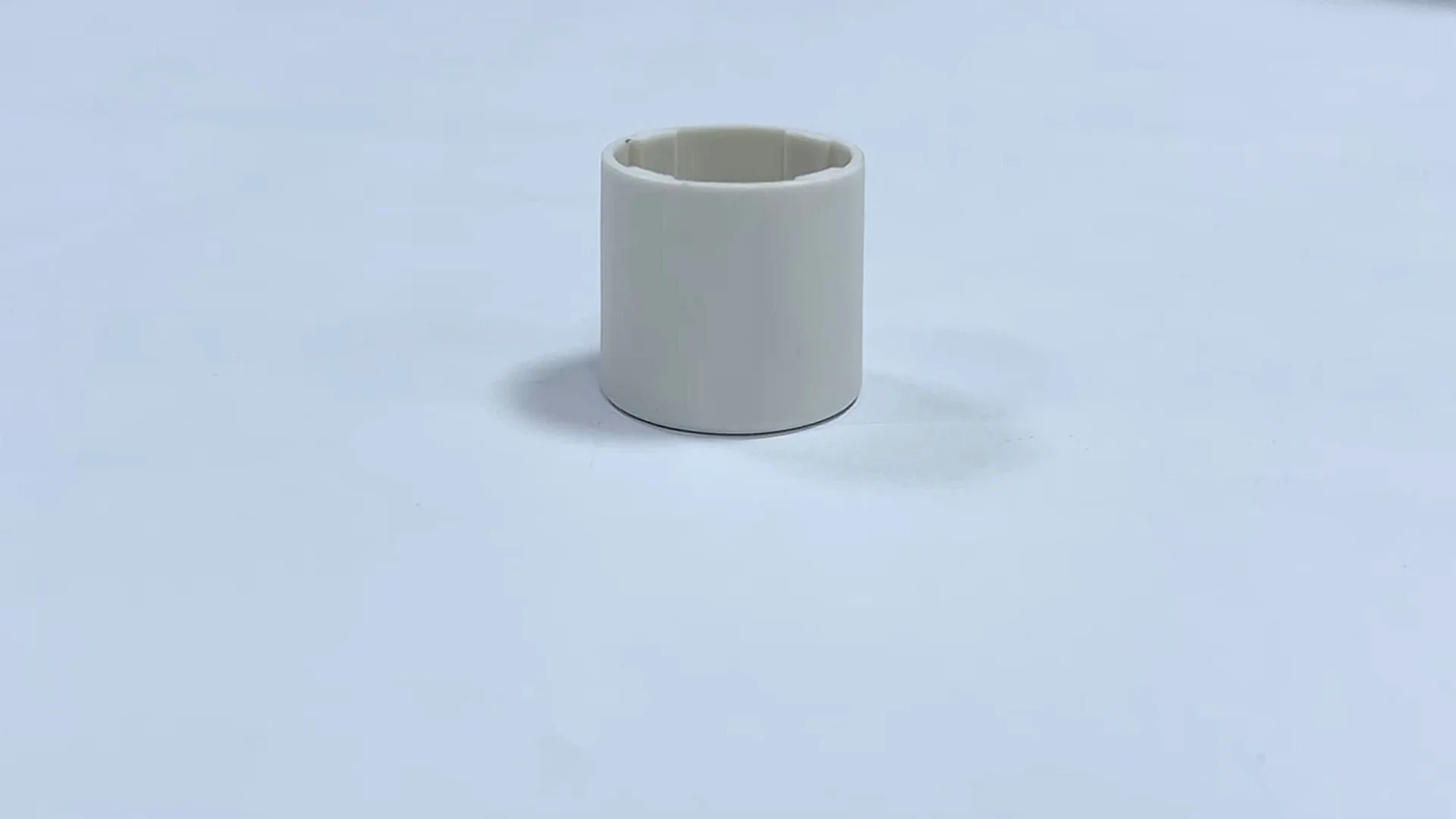
Plastic Pipe Sleeve
Plastic pipe sleeve to cover dia 28MM aluminum pipe end to contact with ground.
In the bustling world of manufacturing, where every minute and every movement counts, lean manufacturing isn't just a buzzword—it's the lifeblood of efficient operations. At its core lies 5S, a methodology that transforms cluttered, chaotic workspaces into streamlined hubs of productivity. While large-scale machinery and cutting-edge software often steal the spotlight, the true unsung heroes of 5S are the small, unassuming tools that quietly reinforce order and efficiency. Among these, plastic pipe sleeves stand out as a simple yet powerful component, playing a pivotal role in turning 5S principles into daily practice within lean manufacturing facilities.
The Foundation of 5S: Building Blocks of Lean Success
Before diving into the specifics of plastic pipe sleeves, let's ground ourselves in what 5S truly represents. Born from the Toyota Production System, 5S—Seiri (Sort), Seiton (Set in Order), Seiso (Shine), Seiketsu (Standardize), and Shitsuke (Sustain)—is more than just a cleaning regimen. It's a mindset that fosters discipline, reduces waste, and empowers employees to take ownership of their workspace. Here's a quick breakdown of each phase:
- Sort (Seiri): Distinguishing between essential tools/parts and unnecessary clutter, then removing the latter to free up space and focus.
- Set in Order (Seiton): Organizing remaining items so they are easily accessible, with clear "homes" that anyone can identify.
- Shine (Seiso): Regularly cleaning the workspace to maintain order, prevent defects, and spot maintenance issues early.
- Standardize (Seiketsu): Establishing consistent procedures for 5S practices to ensure uniformity across shifts and departments.
- Sustain (Shitsuke): Embedding 5S into company culture so it becomes second nature, not a one-time project.
The challenge? Executing these phases seamlessly requires tools that are adaptable, durable, and cost-effective. This is where plastic pipe sleeves enter the picture—a humble solution with a surprisingly broad impact.
Plastic Pipe Sleeves: More Than Just a Covering
At first glance, a plastic pipe sleeve is straightforward: a cylindrical tube, typically made of polyethylene or PVC, designed to slide over metal, aluminum, or stainless steel pipes. But in the context of lean manufacturing, its purpose expands far beyond mere protection (though that's a critical function). These sleeves are workhorses, used in conjunction with lean pipes, aluminum profiles, workbenches, and flow racks to solve everyday organizational challenges.
Why plastic? Unlike metal alternatives, plastic sleeves are lightweight, resistant to corrosion, and gentle on delicate parts. They're available in a spectrum of colors (think yellow for high-traffic zones, grey for storage areas) and sizes, making them customizable to any workspace. Best of all, they're affordable and easy to install—no specialized tools required. This combination of flexibility and functionality makes plastic pipe sleeves a natural fit for lean systems, where adaptability is key.

Supporting 5S: A Phase-by-Phase Breakdown
1. Sort (Seiri): Cutting Clutter by Extending Equipment Life
Sort demands that we eliminate unnecessary items, and nothing clogs a workspace faster than broken or worn-out equipment. Consider lean pipes—the backbone of workbenches, material trolleys, and flow racks. Without protection, these pipes suffer dents, scratches, and rust from daily use, especially in busy areas where parts are moved constantly or workers lean against structures. Damaged pipes often end up in scrap piles, requiring frequent replacements and creating clutter.
Plastic pipe sleeves act as a shield, absorbing impacts and blocking moisture. By sliding a sleeve over a lean pipe, you extend its lifespan significantly. A pipe that would otherwise need replacement every 6 months might last 2+ years with a sleeve, reducing the cycle of waste. This means fewer broken pipes cluttering the workspace and less money spent on new materials—directly supporting the Sort principle of keeping only what's necessary.
Additionally, plastic sleeves come in standardized sizes, ensuring a snug fit that minimizes excess material. Unlike custom-cut metal sleeves, which often leave scrap pieces, plastic sleeves are precision-manufactured to fit common lean pipe diameters (like 28mm or 30mm), leaving no room for waste. This attention to detail aligns perfectly with lean's "zero waste" ethos.
2. Set in Order (Seiton): Creating Intuitive "Homes" for Tools and Parts
Set in Order is about making sure every item has a designated place—and that everyone knows where that place is. In a facility with dozens of workbenches and flow racks, this can feel overwhelming. Plastic pipe sleeves simplify this by turning abstract organizational plans into visual, tangible systems.
Take workbenches, for example. A typical assembly workbench might hold screwdrivers, pliers, gauges, and small parts—all easy to misplace. By adding color-coded plastic sleeves to the bench's lean pipe frame, managers can create clear zones: yellow sleeves mark the area for frequently used tools (within arm's reach), while blue sleeves indicate storage for spare parts. New employees can quickly learn the system, and veterans save time by instinctively knowing where to grab (and return) tools. It's "a place for everything" made visible.
Flow racks, which use roller tracks to move parts between stations, also benefit. Misaligned or rough roller tracks are a common headache—parts get stuck, slide off, or jam, disrupting the flow. Plastic pipe sleeves, when added to roller track guide rails (like the yellow or grey plastic roller track guide rails in our keyword list), create a smooth, consistent surface. They cushion parts as they glide, prevent snags, and even act as visual barriers to keep items in their lanes. This ensures parts move predictably, reducing downtime and keeping the workspace organized.
Even small components like swivel roller balls (1 inch or 0.5 inch) gain value from sleeves. By covering their bases with sleeves, you ensure uniform height across the roller track, so parts don't tilt or get stuck. This level of precision is what makes Set in Order successful: every element has a purpose, and every movement is intentional.
3. Shine (Seiso): Simplifying Cleaning for a Spotless Workspace
Shine is about maintaining cleanliness to prevent defects and safety hazards. A dirty workspace hides problems—dust on sensors causes machine errors, oil on floors leads to slips, and grime on tools mars product quality. The challenge? Cleaning metal lean pipes or aluminum profiles is tedious; their porous surfaces trap grease and dirt, requiring scrubbing or harsh chemicals.
Plastic pipe sleeves change the game. Their smooth, non-porous surfaces repel liquids and dust, making cleaning a breeze. A quick wipe with a damp cloth removes most debris, cutting cleaning time by 50% or more. In facilities with tight schedules, this time savings is invaluable—workers can focus on production, not scrubbing pipes.
For industries like food processing or electronics manufacturing, where hygiene is critical, plastic sleeves offer an extra layer of protection. They're non-conductive (reducing electrostatic discharge risks) and resistant to industrial cleaners, making them easy to sanitize. This ensures Shine isn't just about appearances—it's about maintaining safe, compliant workspaces.
4. Standardize (Seiketsu): Building Consistency Across the Facility
Standardize ensures 5S isn't a one-off project but a repeatable process. Without consistency, one department might organize workbenches with tape, another with labels, and chaos creeps back in. Plastic pipe sleeves provide a universal language for organization, ensuring every corner of the facility follows the same rules.
Imagine a plant with 10 assembly lines. By mandating that all high-priority tool zones use yellow plastic sleeves and storage areas use grey, managers create instant familiarity. A worker moving from Line 3 to Line 7 knows exactly where to find tools—no confusion, no retraining. This standardization reduces errors and speeds up onboarding for new hires.
Sustainability in standardization is also easier with plastic sleeves. Since they're mass-produced, replacement sleeves from a lean pipe supplier are identical to the original—no mismatched sizes or colors. This consistency prevents the "band-aid fixes" that erode 5S over time, ensuring procedures remain intact across shifts and departments.
5. Sustain (Shitsuke): Empowering Workers to Maintain Order
Sustain is the hardest phase—turning 5S from a program into a habit. It requires that employees take ownership, and ownership thrives when tools are accessible and adaptable. Plastic pipe sleeves excel here, thanks to their durability and ease of use.
Unlike fragile metal sleeves that bend or crack, plastic sleeves withstand daily abuse—they're flexible enough to absorb impacts but tough enough to avoid tearing. This durability means workers don't have to "baby" the system; they can focus on their tasks, confident the sleeves will hold up. When tools don't break, people are more likely to use (and maintain) them.
Plus, plastic sleeves are worker-friendly. Need to reconfigure a workbench for a new product? Slide off the old sleeves, adjust the lean pipes, and pop on new ones in minutes. This flexibility empowers employees to adapt their workspace without waiting for maintenance, fostering a sense of control. When workers feel they own the organization process, they're far more likely to sustain it.

Beyond 5S: Added Benefits of Plastic Pipe Sleeves
The value of plastic pipe sleeves extends beyond 5S. They enhance safety by covering sharp edges on lean pipe joints, reducing the risk of cuts. In ESD-sensitive environments (like electronics manufacturing), specialized ESD-safe sleeves protect components from static damage. They also support sustainability: by extending equipment life, they reduce the need for raw materials and energy used in production. For facilities aiming for green certifications, this is a small but impactful step.

Real-World Results: A Case Study in Efficiency
Consider a mid-sized automotive parts plant struggling with 5S adoption. Workbenches were cluttered, flow racks jammed regularly, and lean pipes needed replacement every 4 months. After implementing plastic pipe sleeves, the changes were dramatic: tool search time dropped by 70%, flow rack jams decreased by 85%, and pipe replacement costs fell by 60%. Employee surveys showed a 40% increase in satisfaction—workers reported feeling "proud of their workspace" and "more in control of their day."
This isn't an anomaly. Plastic pipe sleeves don't solve every problem, but they create the stability 5S needs to thrive. They're the quiet foundation that turns good intentions into lasting results.
| 5S Phase | Traditional Challenges | Plastic Pipe Sleeve Solution | Outcome |
|---|---|---|---|
| Sort | Constantly replacing damaged lean pipes, creating scrap. | Sleeves protect pipes, reducing waste and clutter. | 30% fewer pipe replacements; cleaner workspace. |
| Set in Order | Unclear tool locations; parts jamming on flow racks. | Color-coded sleeves mark zones; smooth sleeves prevent jams. | 70% reduction in tool search time; 85% fewer flow rack disruptions. |
| Shine | Time-consuming cleaning of porous metal pipes. | Non-porous sleeves wipe clean in seconds. | 50% faster cleaning; fewer missed maintenance issues. |
| Standardize | Inconsistent organization across shifts. | Uniform sleeves create a shared visual language. | Reduced training time; 40% fewer cross-shift errors. |
| Sustain | Workers resist fragile, hard-to-maintain systems. | Durable, easy-to-adjust sleeves empower ownership. | 90% compliance with 5S practices after 1 year. |
Conclusion: The Small Tool That Drives Big Change
In lean manufacturing, success hinges on attention to detail. Plastic pipe sleeves may not be glamorous, but they're a testament to how small tools can drive massive improvements. By supporting every phase of 5S—from cutting clutter in Sort to fostering ownership in Sustain—they create the conditions for efficiency, safety, and employee satisfaction.
As you strive to implement or enhance 5S in your facility, don't overlook the power of plastic pipe sleeves. They're more than just a covering; they're a symbol of the lean mindset—proving that even the simplest solutions can be the most transformative. After all, in the world of lean, the best innovations are often the ones that work quietly, behind the scenes, making every day a little more organized, a little more efficient, and a little more successful.