- Company Articles
- Company Articles
- Reusable Plastic Pipe Covers: Supporting Sustainable Lean Manufacturing Practices

Reusable Plastic Pipe Covers: Supporting Sustainable Lean Manufacturing Practices
Related Product
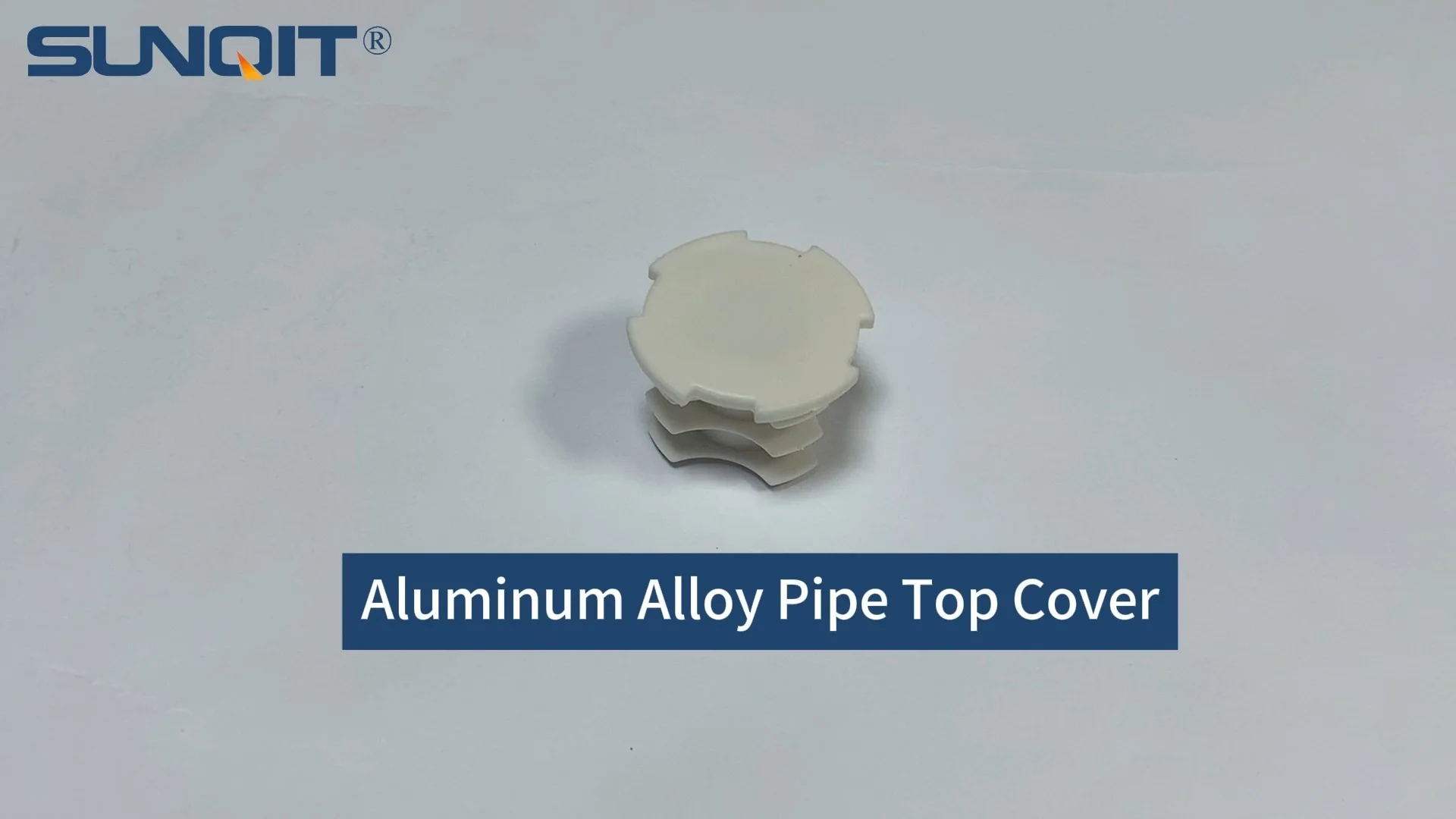
Plastic Pipe Cover
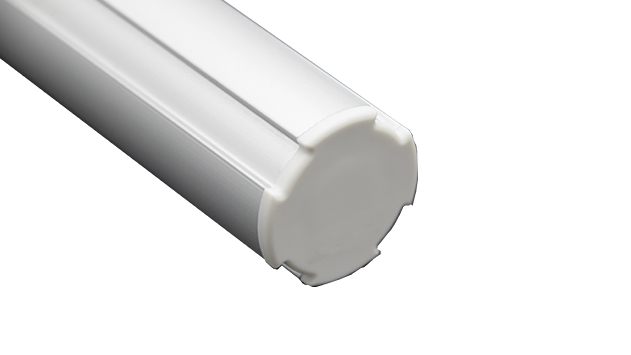
Plastic pipe cover to cover dia 28MM aluminum pipe end at workbench, flow rack, to prevent metal surface scratch material or worker.
How a small component is making big waves in efficiency, sustainability, and worker well-being
The Hidden Cost of "Small" Parts in Manufacturing
It's a Tuesday morning on the factory floor of PrecisionTech Electronics, and Maria, the production supervisor, is staring at a familiar problem. One of the lean pipe workbenches in the assembly line has a frayed pipe cover—again. The bright yellow plastic has split along the seam, exposing the metal lean pipe underneath. A quick glance down the line reveals three more workbenches with similar issues. "Grab the replacement covers from the stockroom," she tells Juan, a line worker. "We'll need to stop the line for 20 minutes to swap these out."
Juan sighs. He's done this five times in the past month. The stockroom keeps a box of disposable plastic pipe covers, but they never seem to last. "Why do these things tear so easily?" he mutters, grabbing a ladder. Maria winces. Each 20-minute stoppage costs the plant roughly $400 in lost productivity. Multiply that by five incidents, and that's $2,000 down the drain—just on pipe covers. Not to mention the cost of the covers themselves, and the waste piling up in the trash: crumpled, torn plastic that'll sit in a landfill for decades.
This scenario plays out in factories worldwide, often unnoticed. Lean manufacturing prides itself on eliminating waste—whether it's time, materials, or money—but small, "inconsequential" components like pipe covers often fall through the cracks. They're seen as a necessary evil: cheap, disposable, and easy to replace. But what if that's the wrong mindset? What if reimagining even the smallest parts of a lean system could lead to bigger gains in efficiency, sustainability, and worker satisfaction?
Enter reusable plastic pipe covers. These unassuming components are quietly revolutionizing how manufacturers approach maintenance, waste reduction, and long-term cost savings. More than just a protective layer for lean pipes, they're a testament to the idea that sustainability and lean principles don't have to be separate goals—they can feed into each other, creating a system that's better for the planet, the bottom line, and the people who keep the lines running.
Understanding Lean Manufacturing: More Than Just Efficiency
Before diving into how reusable pipe covers fit into the equation, it's worth revisiting what lean manufacturing truly is. At its core, lean is about creating value for the customer while minimizing waste. The "Seven Wastes" of lean—transport, inventory, motion, waiting, overproduction, overprocessing, and defects—guide teams to root out inefficiencies at every turn.
But here's the thing: lean isn't just about cutting costs. It's about respect for people. A truly lean system empowers workers, reduces frustration, and creates a safer, more sustainable environment. When Maria and Juan spend 20 minutes replacing pipe covers, that's not just "waiting" waste—it's also demotivating. Workers feel like their time is being wasted on preventable problems, and morale takes a hit.
Lean systems, by design, are modular and adaptable. They rely on tools like lean pipes (also called "flexible pipes") to build workbenches, flow racks, and material handling systems that can be reconfigured as needs change. These pipes are lightweight, durable, and easy to assemble with joints and accessories. But without proper protection, the pipes themselves become a source of waste: metal scratches products, frayed covers create friction in roller tracks, and frequent replacements disrupt workflows.
Traditional disposable pipe covers are a band-aid. They're made from thin, low-grade plastic that tears easily when exposed to the daily wear and tear of a factory: tools bumping against pipes, heavy materials sliding across workbenches, even the friction of workers leaning on or gripping the pipes. They're cheap upfront, but their short lifespan turns them into a recurring expense—both financially and environmentally.
Reusable Plastic Pipe Covers: A Game-Changer for Lean Pipes
Reusable plastic pipe covers are different. They're engineered to last, made from high-density polyethylene (HDPE) or reinforced polypropylene that can withstand impacts, abrasion, and temperature fluctuations. Unlike their disposable counterparts, they're thick enough to resist tearing but flexible enough to snap onto lean pipes of various diameters—from the 1.5mm pe-coated lean pipes common in light-duty workbenches to the 2.0mm stainless steel pipes used in heavy-duty material racks.
Take, for example, a 1-inch reusable cover designed for a standard lean pipe. It's molded with a ribbed interior that grips the pipe tightly, preventing slippage, and a smooth exterior that reduces friction—critical for areas where materials slide across the pipe, like on flow racks with roller tracks. The edges are rounded to avoid sharp corners that could snag gloves or products, and the material is UV-resistant, so it won't fade or become brittle even in factories with bright overhead lighting.
Installation is a breeze. Unlike disposable covers, which often require adhesive or zip ties to stay in place, reusable covers simply snap on. Juan could install one in 30 seconds flat—no tools, no mess. And because they're reusable, when a cover does eventually wear out (after years, not months), it can be recycled, or in some cases, returned to the supplier for refurbishment.
But the real magic is in their lifespan. A disposable cover might last 2-3 months in a high-traffic area. A reusable one? 2-3 years. Let's do the math: If a disposable cover costs $1.50 and needs replacing 4 times a year, that's $6 per pipe annually. A reusable cover might cost $10 upfront, but with a 3-year lifespan, that's just $3.33 per year—nearly half the cost. Multiply that by 100 pipes in a factory, and you're saving $267 annually. Factor in the reduced downtime from fewer replacements, and the savings skyrocket.
Case Study: PrecisionTech's 30% Maintenance Reduction
When PrecisionTech Electronics switched to reusable pipe covers six months ago, Maria was skeptical. "I thought, 'Another 'miracle product' that'll end up in the trash,'" she admits. But after installing them on 50 lean pipe workbenches and 20 flow racks, the results spoke for themselves.
"In the first month, we didn't replace a single cover," Maria says. "Six months later, only two have needed adjustment—and that was because a forklift bumped a rack, not because the cover wore out." The line stoppages for cover replacements dropped from 5 per month to zero. Juan, now freed from weekly cover swaps, has been able to focus on more valuable tasks, like optimizing the assembly process for a new product line.
Financially, the plant saved $1,200 in the first six months on cover replacements alone. When factoring in reduced downtime, the total savings topped $8,000. "And the waste? We used to fill a small trash bag with old covers every month," Maria adds. "Now, we've only thrown away two covers in six months. Our sustainability team is thrilled."

Supporting Lean Systems: From Workbenches to Flow Racks
Reusable pipe covers aren't just for workbenches. They play a critical role in keeping entire lean systems running smoothly, from the assembly line to the warehouse.
Take flow racks, for example. These racks use gravity and roller tracks to move materials from the back to the front, ensuring easy access for workers. The roller tracks rely on smooth, friction-free surfaces to keep materials flowing. A frayed pipe cover on the rack's support pipes can create drag, causing materials to get stuck. Workers then have to manually push or pull the materials, wasting motion and increasing the risk of strain injuries. Reusable covers eliminate this problem: their smooth exterior reduces friction, keeping the flow rack "flowing" as intended.
Lean pipe workbenches, the workhorses of assembly lines, benefit too. A workbench's pipes form the frame that holds tools, bins, and assembly components. When covers are torn, the exposed metal can scratch delicate parts—like circuit boards in electronics manufacturing—or snag wires and cables. This leads to defects (another of the Seven Wastes) and rework. Reusable covers act as a buffer, protecting both the products and the pipes themselves from damage.
Even conveyor systems, which move materials between stations, can benefit from reusable covers. Conveyors often use lean pipes in their frames or guide rails. A torn cover on a guide rail could derail a product, causing jams and downtime. By keeping the rails smooth and intact, reusable covers help maintain consistent conveyor speed and reduce the risk of disruptions.

Sustainability: Reducing Waste, One Cover at a Time
Manufacturing is under increasing pressure to reduce its environmental footprint. Customers, regulators, and employees alike are demanding more sustainable practices, from energy-efficient facilities to waste reduction. Reusable pipe covers align perfectly with these goals.
Consider the waste generated by disposable covers. If a factory with 500 lean pipes uses disposable covers that last 3 months, that's 2,000 covers per year (500 pipes × 4 replacements). At 20 grams per cover, that's 40 kilograms of plastic waste annually—enough to fill two large trash bags. Multiply that by thousands of factories worldwide, and the numbers are staggering.
Reusable covers slash this waste. With a 3-year lifespan, the same factory would use just 167 covers over three years (500 ÷ 3), reducing plastic waste by 91%. And when a reusable cover does reach the end of its life, many suppliers offer take-back programs, where the covers are recycled into new products. Some are even made from post-consumer recycled plastic, closing the loop further.
The sustainability benefits go beyond waste reduction. Fewer replacements mean fewer shipments of covers to the factory, reducing transportation emissions. Less downtime means more efficient energy use—factories don't have to idle machines or reheat/cool workspaces during stoppages. And because reusable covers are often made from more durable materials, they require less frequent manufacturing, lowering the overall carbon footprint of production.
For companies tracking their ESG (Environmental, Social, Governance) metrics, reusable pipe covers are a low-hanging fruit. They're a tangible way to reduce Scope 3 emissions (indirect emissions from the supply chain) and demonstrate a commitment to circular economy principles.
The Human Touch: How Reusable Covers Improve Daily Work Life
At the end of the day, manufacturing is about people. The best lean systems prioritize the well-being of the workers who operate them. Reusable pipe covers do just that—they make daily tasks easier, safer, and less frustrating.
Let's go back to Juan, the line worker at PrecisionTech. Before reusable covers, he spent 1-2 hours per month replacing torn covers. That's time he could have spent assembling products, troubleshooting issues, or learning new skills. "It felt like a waste," he says. "I'm here to build things, not play handyman with pipe covers." After the switch, he estimates he's saved 10 hours in six months—time that's been redirected to improving the assembly process. "Last week, I suggested a way to rearrange the tools on my workbench to reduce reaching. My supervisor loved it, and now the whole line is using the new layout. That's the kind of work I want to do."
Safety is another factor. Frayed pipe covers can have sharp edges that cut hands or snag clothing. In a fast-paced factory, a small cut can lead to a workers' compensation claim, or worse, an infection. Reusable covers' rounded edges and durable material eliminate this risk. "I used to get little cuts on my hands all the time from those torn covers," says Lina, another PrecisionTech worker. "Now, I don't even think about it. The covers feel solid, like they're actually protecting me, not just the pipes."
Ergonomics also improves. When flow racks or conveyors get stuck due to frayed covers, workers often have to exert extra force to move materials—bending, reaching, or pushing harder than necessary. Over time, this can lead to musculoskeletal injuries, like back pain or carpal tunnel syndrome. Reusable covers keep systems running smoothly, reducing the need for manual intervention and keeping workers safer.
"Before, I'd spend 15 minutes every week fixing torn covers. Now, I haven't touched them in six months. It's the little things that make the job feel better." — Juan, Assembly Line Worker
Technical Deep Dive: Design and Compatibility
Not all reusable pipe covers are created equal. To maximize their benefits, it's important to choose covers that are designed for the specific demands of your lean system. Here's what to look for:
Material Quality
Opt for covers made from HDPE or reinforced polypropylene. These materials offer the best balance of flexibility, durability, and chemical resistance. Avoid low-grade plastics, which may crack in cold temperatures or warp in heat.
Size and Fit
Covers should fit snugly on your lean pipes. Most suppliers offer covers for standard pipe diameters: 0.5 inch, 1 inch, and 1.5 inch (corresponding to common lean pipe sizes like 1.2mm, 1.5mm, and 2.0mm). A loose cover will slip, while one that's too tight may crack when installed. Look for covers with a ribbed interior or textured lining to ensure a secure grip.
UV and Chemical Resistance
Factories are harsh environments. Covers should resist fading from UV light and stand up to exposure to common industrial cleaners, oils, and coolants. Ask suppliers for test data on UV stability and chemical compatibility.
| Feature | Disposable Pipe Covers | Reusable Pipe Covers |
|---|---|---|
| Material | Thin, low-density plastic | HDPE or reinforced polypropylene |
| Lifespan | 2-3 months | 2-3 years |
| Installation Time | 5-10 minutes (requires adhesive/zip ties) | 30 seconds (snap-on design) |
| Annual Cost per Pipe* | $6 (4 replacements × $1.50) | $3.33 ($10 cover ÷ 3 years) |
| Environmental Impact | High (frequent disposal) | Low (recyclable, long lifespan) |
*Based on average costs for a 1-inch pipe cover
Compatibility with Lean System Components
Reusable covers should work seamlessly with other lean pipe accessories, like joints, roller track connectors, and caster wheels. For example, when installing a cover on a pipe that's connected to a 90° lean pipe joint, the cover should not interfere with the joint's grip or adjustability. Some suppliers offer "notched" covers designed to fit around joints, ensuring a snug fit without compromising the joint's functionality.
They should also be compatible with aluminum profiles and stainless steel pipes, which are increasingly used in modern lean systems. Aluminum profiles, with their T-slot design, require covers that don't block the slots or interfere with accessories like brackets or panel mounts. Reusable covers for aluminum profiles are often slimmer, with a lower profile to accommodate these features.
Choosing the Right Supplier: What to Look For
Finding a reliable lean pipe supplier is key to getting high-quality reusable covers. Not all suppliers prioritize durability or sustainability—some may offer "reusable" covers that are little better than disposable ones. Here are the top factors to consider:
Material Sourcing
Ask where the supplier sources their plastic. Do they use recycled materials? Are their manufacturing processes energy-efficient? A supplier committed to sustainability will be transparent about their materials and processes.
Product Testing
Request data on durability testing. How many abrasion cycles can the covers withstand? What's their temperature range? A reputable supplier will have third-party test results or in-house data to back up their claims.
Customization Options
Every factory is different. Does the supplier offer custom sizes, colors, or designs? For example, some facilities use color-coded pipe covers to indicate workflow zones (yellow for assembly, blue for inspection). A supplier that can match your color scheme adds value beyond just protection.
Customer Support
Look for a supplier that offers technical support. Can they help you determine the right cover size for your lean pipes? Do they provide installation guides or training? A supplier that partners with you to solve problems is worth their weight in (lean) gold.
Future Trends: Innovations in Lean and Sustainability
The future of manufacturing is smart, sustainable, and human-centric. Reusable pipe covers are just the beginning. Here are a few emerging trends that could take their benefits even further:
Biodegradable Materials
Researchers are developing bioplastics made from renewable resources like cornstarch or sugarcane that are both durable and compostable. Imagine a pipe cover that lasts 2 years and then breaks down in a compost facility—eliminating plastic waste entirely.
Smart Covers with Sensors
Embedded sensors could monitor cover wear and send alerts when replacement is needed. This would enable predictive maintenance, ensuring covers are swapped out before they fail—further reducing downtime.
Modular Design
Modular covers that can be repaired instead of replaced. For example, a cover with replaceable wear strips—when the strip wears out, you swap just that part, not the entire cover. This would extend the product's lifespan even further.
These innovations align with the broader shift toward Industry 4.0, where data, automation, and sustainability converge. Reusable pipe covers are a stepping stone to this future—proving that even the smallest components can drive meaningful change.
Conclusion: Small Parts, Big Impact
Reusable plastic pipe covers are a testament to the power of reimagining the "small stuff" in manufacturing. They're not just a tool for reducing waste or cutting costs—they're a symbol of a lean system that values people, planet, and productivity equally.
At PrecisionTech, Maria no longer dreads Monday mornings. The lean pipe workbenches are intact, the flow racks are flowing, and the line stoppages for pipe cover replacements are a thing of the past. Juan and Lina are happier, more productive, and proud to work for a company that's invested in sustainability. And the plant's sustainability report now boasts a 40% reduction in plastic waste—a number that will only grow as more facilities make the switch.
So, to all the manufacturers out there: Take a look at your lean pipes. What small, recurring problem is eating away at your efficiency, your budget, or your workers' morale? Maybe it's pipe covers. Maybe it's something else. Whatever it is, remember: Lean isn't just about big overhauls. It's about the incremental changes that add up to something extraordinary.
Reusable plastic pipe covers may be small, but their impact is anything but. They're proof that sustainability and lean manufacturing can go hand in hand—and that when we design for durability, we design for a better future.