- Company Articles
- Company Articles
- Saddle Pipe Clamps & Lean Kaizen: Supporting Continuous Process Improvement

Saddle Pipe Clamps & Lean Kaizen: Supporting Continuous Process Improvement
Related Product
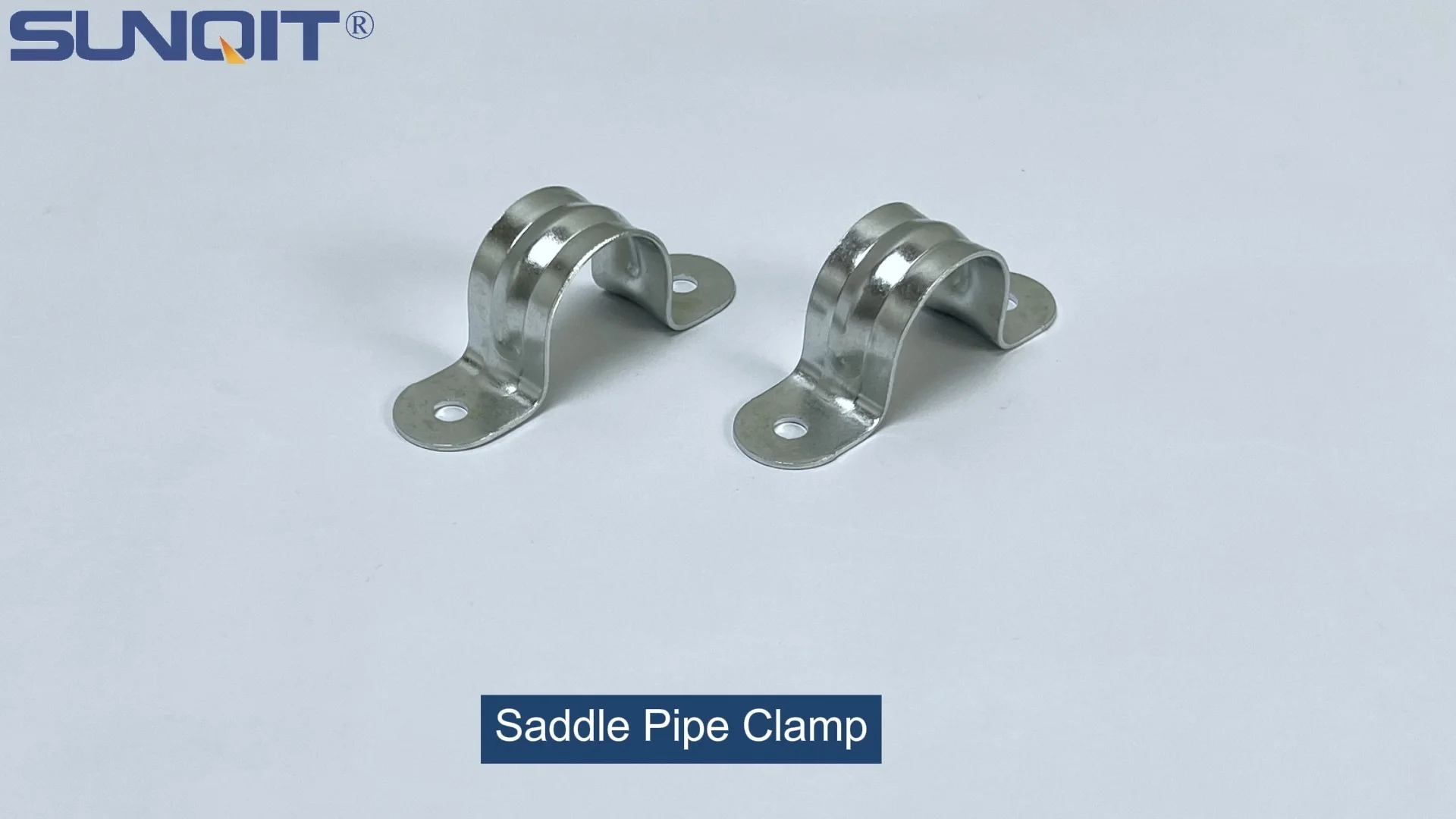
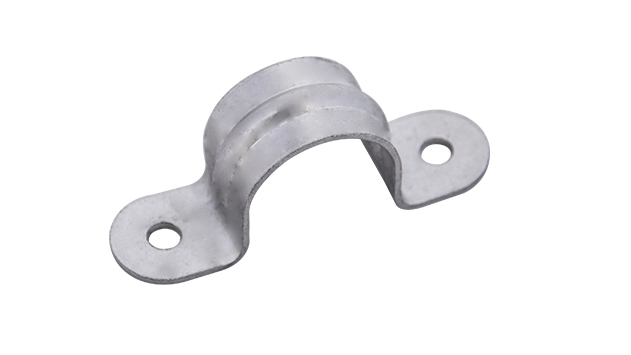
Saddle Pipe Clamp
Saddle pipe clamp, used for board connect with pipe, usually for table top installation.
Walk into any thriving manufacturing facility, and you'll likely hear the hum of machinery, the rhythm of assembly lines, and the quiet focus of teams working in sync. What you might not immediately notice—yet what makes that harmony possible—is the invisible backbone of lean systems: the tools and components that turn chaos into order, waste into efficiency, and stagnation into progress. Today, we're shining a light on one such unsung hero: the saddle pipe clamp. It's a small part, sure, but in the world of Lean Kaizen—where every second and every movement counts—small parts often make the biggest difference.
Understanding Lean Kaizen: More Than a Buzzword
Before we dive into the nitty-gritty of saddle pipe clamps, let's take a step back. What *is* Lean Kaizen, anyway? At its core, Kaizen is a Japanese philosophy meaning "continuous improvement." It's not about massive overhauls or expensive tech upgrades (though those can help). Instead, it's about the daily, incremental changes that add up to transformative results. Think: rearranging a workbench to reduce reaching, streamlining a material flow path to cut down on walking, or swapping out a flimsy tool for one that lasts longer. These small tweaks, when multiplied across a team or a facility, boost productivity, reduce waste, and make work feel less like a struggle and more like a well-oiled machine.
But here's the thing: Kaizen can't happen in a vacuum. To improve processes, your physical workspace needs to *let* you improve. If your workbenches are bolted to the floor and can't be adjusted, if your material racks are fixed in place and can't adapt to new product sizes, or if your assembly lines are rigid and resist reconfiguration—good luck making those incremental changes. That's where lean systems come in. Lean systems are the flexible, modular infrastructure that supports Kaizen: think workbenches that can be adjusted in minutes, flow racks that adapt to shifting demands, and roller tracks that keep materials moving smoothly. And holding much of this infrastructure together? You guessed it—saddle pipe clamps.
The Unsung Hero: What Even *Is* a Saddle Pipe Clamp?
Let's get practical. Picture a lean pipe—a lightweight, often metal or aluminum tube used to build all sorts of structures in manufacturing: workbenches, trolleys, flow racks, and more. Now, how do you connect these pipes to each other, or to other components like shelves, wheels, or brackets? You need a connector. And that's where saddle pipe clamps shine. A saddle pipe clamp is a small, often C-shaped or U-shaped component designed to secure a lean pipe to another surface—whether that's another pipe, a metal frame, a workbench leg, or even a wall.
But don't let their simplicity fool you. Saddle pipe clamps are engineered with a purpose: to balance three critical needs in lean environments: flexibility , stability , and speed . Unlike welding (which is permanent) or glue (which is weak), saddle pipe clamps let you attach and detach pipes quickly, using nothing more than a wrench or even just your hands (for some designs). This means when your team identifies a Kaizen opportunity—say, "we need to raise this workbench by 6 inches to reduce back strain"—you can do it that day, not next month when maintenance has time. That's the power of flexibility.
Real Talk: A Saddle Pipe Clamp in Action
Imagine Maria, a line operator at a electronics assembly plant. For weeks, she's been stretching to reach components on a shelf mounted above her workbench—a small annoyance, but one that's led to a few dropped parts and a sore shoulder. During a weekly Kaizen meeting, she suggests lowering the shelf. Her supervisor nods: "Let's do it." An hour later, they're using saddle pipe clamps to loosen the shelf brackets, slide them down the lean pipe frame, and re-tighten. No welding, no new parts, no waiting. By the end of the shift, Maria's shoulder feels better, and she's already assembled 5 more units than usual. That's Kaizen in action—and it started with a clamp.
Materials Matter: Saddle Pipe Clamps for Every Environment
Saddle pipe clamps aren't one-size-fits-all. They're designed to thrive in different work environments, which is why you'll find them made from a range of materials:
- Steel: The workhorse of clamps. Steel saddle pipe clamps are tough, durable, and ideal for heavy-duty applications—like securing lean pipes that hold up large storage racks or industrial workbenches. They're often coated in zinc or chrome to resist rust, making them a good fit for factories with moisture or chemicals.
- Plastic: Lightweight and affordable, plastic clamps are perfect for lighter loads or environments where you need to avoid scratches—like when building racks for painted parts or delicate electronics. Some plastic clamps even come in bright colors, which can help with visual organization (think: red clamps for "urgent materials only").
- Aluminum: The middle ground. Aluminum saddle pipe clamps are lighter than steel but stronger than plastic, and they resist corrosion naturally. They're a favorite in lean systems that need to be both portable and sturdy—like mobile workbenches or turnover trolleys that get moved around the shop floor.
No matter the material, the best saddle pipe clamps share a few key features: a "saddle" (the curved part that hugs the lean pipe), a mounting base (to attach to another surface), and a fastening mechanism (usually a bolt, screw, or lever). The design is intentionally simple—because when you need to reconfigure a workspace in a hurry, complicated tools are the last thing you want.
Building Blocks: Saddle Pipe Clamps and the Lean Pipe Ecosystem
Lean systems are all about modularity—building structures from interchangeable parts that can be mixed, matched, and reconfigured. And at the heart of this modularity is the lean pipe itself. Lean pipes (sometimes called "lean tubes") are the bones of the system: lightweight, easy to cut to length, and compatible with a wide range of connectors. But without saddle pipe clamps, those bones can't connect to form a skeleton. Let's break down how these clamps turn individual pipes into functional tools—starting with one of the most common structures in manufacturing: the workbench.
From Pipes to Productivity: Building a Lean Workbench
A workbench might seem basic, but in manufacturing, it's where the magic happens. It's where parts are assembled, tools are stored, and workers spend most of their day. A poorly designed workbench can lead to wasted motion, fatigue, and even mistakes. A well-designed one? It feels like an extension of the worker's hands.
Here's how saddle pipe clamps make that possible. To build a lean workbench, you start with four vertical lean pipes (the legs). Then, you add horizontal pipes for the frame, using 90-degree joints. But to attach a wooden or metal top to that frame, you need saddle pipe clamps. The clamps wrap around the horizontal frame pipes and bolt directly to the bottom of the workbench top. Need to adjust the height? Loosen the clamps, slide the legs up or down, retighten. Want to add a shelf halfway up? Use more clamps to attach a new set of horizontal pipes. Need to move the workbench? Swap out fixed feet for casters (wheels), secured with—you guessed it—saddle pipe clamps.
This flexibility is a game-changer for Kaizen. Let's say your team starts assembling a new product that's taller than the old one. Instead of buying a whole new workbench, you just raise the existing one. Or maybe you realize workers are leaning too far to grab tools—add a side shelf using clamps and a few extra pipes. It's customization without the custom price tag.
Keeping the Flow: Saddle Pipe Clamps in Roller Tracks
Another critical part of lean systems is flow —ensuring materials move smoothly from one step to the next, without getting stuck or requiring extra effort to push or carry. That's where roller tracks (or "roller conveyors") come in. These tracks use wheels or rollers to let materials glide along, reducing the need for manual lifting or carrying. But roller tracks don't just float in the air—they need a sturdy frame to sit on. And how are those frames built? You guessed it: lean pipes and saddle pipe clamps.
Roller tracks are often mounted on a frame made of lean pipes, which can be adjusted to slope slightly downward (so gravity helps move materials) or kept level (for manual pushing). Saddle pipe clamps secure the roller track to the frame, ensuring it doesn't shift or wobble—even when heavy boxes or parts are sliding along. If the track starts to sag in the middle? Add a support pipe in the center, held in place with clamps. If you need to extend the track to reach a new workstation? Bolt on extra track sections using clamps. No welding, no drilling, no hassle.
Case Study: A Small Change, Big Results
A automotive parts supplier was struggling with bottlenecks on their assembly line. The problem? A roller track that moved parts from the welding station to the painting station kept jamming. The track was mounted on a fixed metal frame, and over time, the frame had warped slightly, causing the track to tilt. Workers were spending 15 minutes every hour unjamming parts—time that added up to 2 full hours of lost productivity per day.
During a Kaizen blitz, the team decided to replace the fixed frame with a lean pipe frame using saddle pipe clamps. They built the new frame in the morning, mounted the roller track with clamps, and by lunchtime, the track was level again. The result? Zero jams that afternoon. Over a month, that small change saved the team 40+ hours of unjamming time—and boosted morale, too. "It felt like we were finally working *with* the tools, not against them," one worker noted.

The Saddle Pipe Clamp Advantage: Why They Matter for Kaizen
By now, you might be thinking: "Okay, saddle pipe clamps are useful, but so are a lot of tools. What makes them *essential* for Lean Kaizen?" Let's break down their biggest advantages:
Speed: Kaizen Can't Wait for Maintenance
Kaizen ideas often strike in the moment. Maybe a worker notices a better way to arrange their tools during their morning shift. If making that change requires submitting a request, waiting for maintenance to schedule it, and then waiting another week for the work to get done, that idea might fizzle out—or worse, the worker might stop suggesting improvements altogether. Saddle pipe clamps eliminate that wait. With a few basic tools, most reconfigurations can be done in minutes or hours, not days. That speed turns "what if" into "let's try it now."
Affordability: Small Investment, Big Returns
Lean isn't about spending big—it's about spending smart. Saddle pipe clamps are cheap. We're talking a few dollars per clamp, depending on the material and size. Compare that to custom-built metal frames (which can cost hundreds) or welding services (which add labor costs on top). For small teams or facilities on a budget, clamps make lean systems accessible. You don't need a huge capital investment to start improving—just a few pipes, some clamps, and a willingness to experiment.
Adaptability: One System, Many Uses
Manufacturing needs change. A product line might shrink, then grow again. A new customer might require a different packaging size. A safety audit might call for wider walkways. With fixed infrastructure, adapting to these changes means starting over. With lean pipes and saddle pipe clamps? You just reconfigure. A workbench today can become a storage rack tomorrow, which can become a mobile trolley next week. That adaptability future-proofs your workspace, so you're never stuck with a setup that no longer fits.
Empowerment: Giving Workers Control
Here's the most underrated advantage: saddle pipe clamps put the power of improvement in the hands of the people who use the workspace every day. Workers don't need to be engineers or maintenance experts to adjust a clamp or reposition a pipe. They can take ownership of their environment, making tweaks that make their jobs easier and more efficient. When workers feel empowered to improve their own spaces, they're more engaged, more satisfied, and more likely to keep contributing ideas. That's the heart of Kaizen.

Choosing the Right Saddle Pipe Clamp: A Quick Guide
Not all saddle pipe clamps are created equal. To get the most out of your lean system, you need to pick the right clamp for the job. Here's a quick reference table to help you decide:
| Clamp Type | Best For | Material | Key Benefit | Example Use Case |
|---|---|---|---|---|
| Standard Steel Saddle Clamp | Heavy loads, industrial environments | Zinc-plated steel | Maximum durability; resists rust | Securing lean pipes for a heavy-duty workbench holding metal parts |
| Plastic Saddle Clamp | Light loads, delicate surfaces | Nylon or polypropylene | Prevents scratches; lightweight | Attaching a lean pipe frame to a painted wall or glass partition |
| Aluminum Saddle Clamp | Portable systems, cleanrooms | Anodized aluminum | Corrosion-resistant; easy to clean | Building a mobile trolley for pharmaceutical production (where hygiene matters) |
| Quick-Release Saddle Clamp | Frequent reconfigurations | Steel or aluminum with lever lock | No tools needed; adjusts in seconds | Lean pipe racks that need to change size daily for different product runs |
When in doubt, start with a sample. Most lean pipe suppliers (yes, there are suppliers who specialize in these systems!) will send you a few clamps to test. Try them out in your actual workspace—see how they feel, how easy they are to tighten, and whether they hold up to your daily use. It's a small step that can save you from headaches later.
Looking Ahead: The Future of Lean Tools
As manufacturing evolves—with more focus on automation, sustainability, and flexible production—lean systems will only grow in importance. And saddle pipe clamps? They'll evolve right along with them. We're already seeing innovations: clamps with built-in sensors that alert teams when they're loose (preventing jams before they happen), eco-friendly materials made from recycled plastics or aluminum, and even magnetic clamps for quick, tool-free adjustments.
But even with these innovations, the core value of saddle pipe clamps will remain the same: enabling workers to adapt, improve, and thrive. Because at the end of the day, Lean Kaizen isn't about tools or technology—it's about people. It's about giving teams the power to shape their workspaces, their processes, and their success. And if a small, humble clamp can help with that? Then it's not just a tool. It's a catalyst for change.
Final Thoughts: The Power of Small Parts
The next time you walk through a manufacturing plant, take a closer look at the workbenches, the roller tracks, the flow racks. Chances are, if they're lean and flexible, there's a saddle pipe clamp holding them together. It might not be glamorous, and it might not get a spot in the company newsletter, but that clamp is doing something vital: it's making Kaizen possible. It's turning "we can't" into "we can try." It's turning a static workspace into one that grows, adapts, and improves—just like the people who use it.
So here's to the unsung heroes of Lean Kaizen: the saddle pipe clamps, the lean pipes, and all the small parts that make big things happen. Because in the world of continuous improvement, the smallest tools often have the biggest impact.