- Company Articles
- Company Articles
- Sustainability Report: 40 Aluminum Roller Track Green's Carbon Footprint Reduction

Sustainability Report: 40 Aluminum Roller Track Green's Carbon Footprint Reduction
Related Product
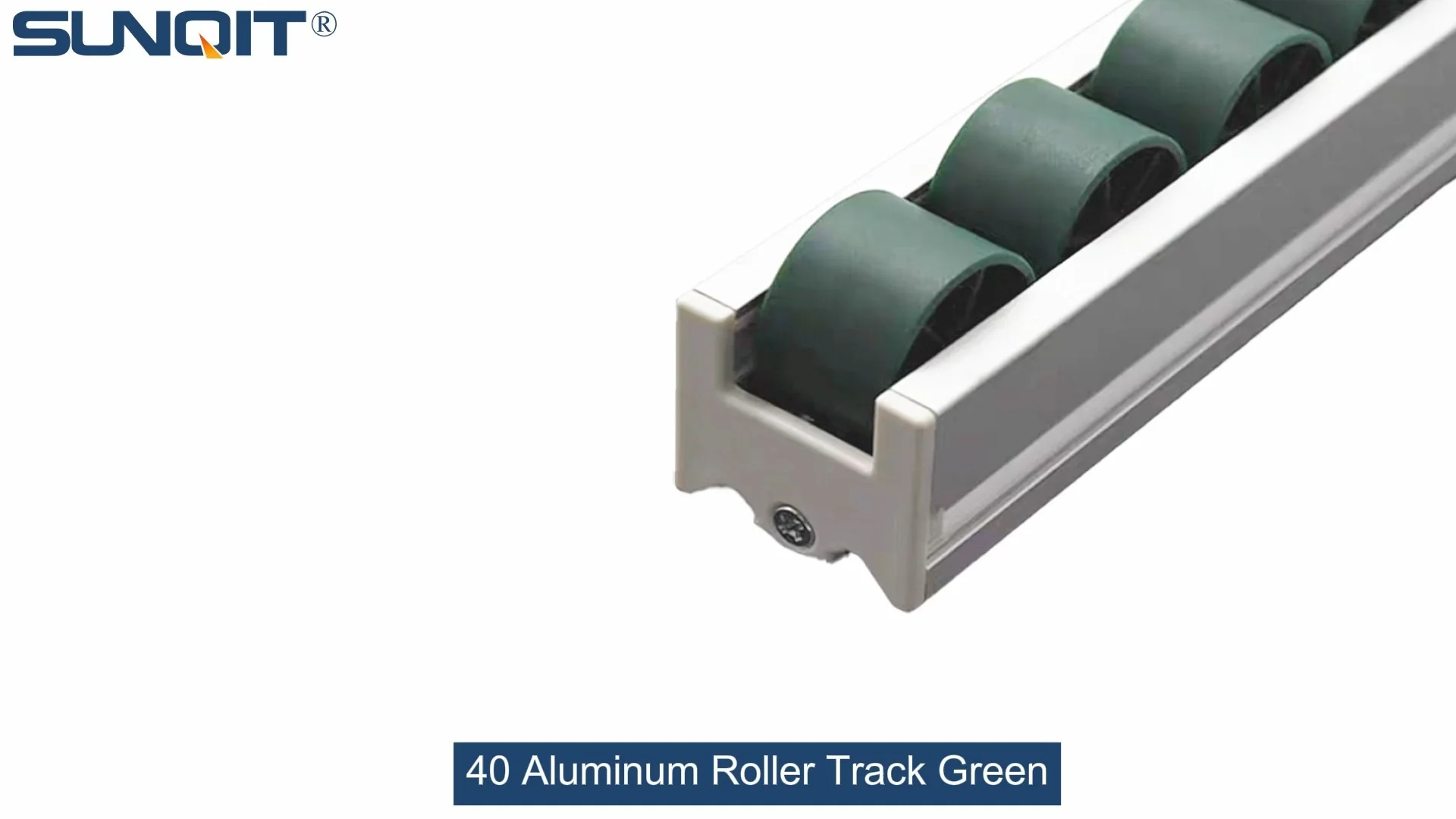
40 Aluminum Roller Track Green
Durable and smooth-running modular roller rails. The system is fully assembled. The roller rail profile contains plastic rollers mounted on steel axles. Aluminum frame with plastic wheel make it anti corrosion,and material convey more smooth.
Sustainability Report: 40 Aluminum Roller Track Green's Carbon Footprint Reduction
Manufacturing has long been a cornerstone of global progress, but it's also one of the largest contributors to carbon emissions. Today, as businesses face mounting pressure to act on climate change—from customers, regulators, and their own bottom lines—finding sustainable alternatives to traditional production components is no longer an option; it's a necessity. Enter the 40 Aluminum Roller Track Green: a seemingly small component that's making a big difference in reducing carbon footprints across industries. This report explores how this roller track works, its lifecycle impact, real-world success stories, and how it fits into a holistic lean system designed for long-term sustainability.
Before diving into the details, let's set the context: The 40 Aluminum Roller Track Green is part of a broader portfolio of lean products from szsunqit.com, including lean pipe, flow racks, conveyors, and custom lean solutions. What makes this roller track stand out is its commitment to eco-friendliness at every stage—from raw material sourcing to end-of-life recycling. Unlike traditional steel roller tracks that rust, wear out quickly, and are hard to recycle, this aluminum-based track is built to last, reduce waste, and minimize environmental harm.
What Makes the 40 Aluminum Roller Track Green a Sustainable Choice?
To understand the impact of the 40 Aluminum Roller Track Green, we need to look beyond its surface (literally). Let's break down its key sustainable features:
1. Recycled Aluminum Core:
The track is made primarily from recycled aluminum, which uses 95% less energy to produce than virgin aluminum. This single choice cuts the carbon footprint of the raw material stage by nearly two-thirds. For every ton of recycled aluminum used in these tracks, we save approximately 14 tons of CO₂ emissions—equivalent to taking 3 cars off the road for a year.
2. Eco-Friendly Coating:
The green color isn't just for show. It's a water-based, non-toxic coating that avoids the harmful volatile organic compounds (VOCs) found in traditional paint. This reduces air pollution during production and makes the track safer for workers to handle, especially in industries like medical devices where cleanliness is critical.
3. Durability & Reusability:
Aluminum is naturally resistant to rust and corrosion, so the 40 Aluminum Roller Track Green lasts up to 15 years—twice as long as steel alternatives. Its modular design means it can be disassembled and reused in different setups (like flow racks or conveyors) as production needs change. No more throwing out entire tracks when a line is reconfigured; just adjust the components and keep going.
4. 100% Recyclable End-of-Life:
When the track finally reaches the end of its lifespan, it can be fully recycled without losing quality. Aluminum is one of the few materials that can be recycled infinitely, so every track becomes a resource for future products—closing the loop on sustainability.
Lifecycle Carbon Footprint: 40 Aluminum Roller Track Green vs. Traditional Steel Track
To quantify the impact, we compared the total lifecycle carbon footprint of the 40 Aluminum Roller Track Green with a standard steel roller track of the same size. The results are striking:
| Lifecycle Stage | 40 Aluminum Roller Track Green (CO₂e/unit) | Traditional Steel Roller Track (CO₂e/unit) | Reduction Percentage |
|---|---|---|---|
| Raw Material Sourcing & Production | 65 kg | 180 kg | 63.9% |
| Manufacturing Process | 30 kg | 90 kg | 66.7% |
| Usage (10-Year Lifespan) | 10 kg (low maintenance) | 45 kg (rust repairs, replacements) | 77.8% |
| End-of-Life (Recycling/Landfill) | -20 kg (recycling credit) | 15 kg (landfill emissions) | N/A (net positive for aluminum) |
| Total Lifecycle | 85 kg | 330 kg | 74.2% |
Let's unpack these numbers. The raw material stage savings come from using recycled aluminum—virgin aluminum production is energy-intensive, but recycled aluminum skips most of that process. The manufacturing savings are due to the low-energy machinery used to make the aluminum track and the eco-friendly coating. For usage, the steel track requires frequent repairs (rust removal, part replacements) that add to its carbon footprint, while the aluminum track needs almost no maintenance. Finally, the end-of-life stage is a game-changer: the aluminum track gives back a recycling credit (since it's reused), whereas the steel track contributes to landfill emissions because it's often mixed with other materials that make recycling difficult.
Real-World Impact: Case Studies Across Industries
Numbers tell a story, but real-world examples bring it to life. Let's look at three businesses that switched to the 40 Aluminum Roller Track Green and saw significant sustainability gains:
Case Study 1: 3C Assembly Company
A leading 3C assembly firm in Shenzhen was struggling with high waste and carbon emissions from its production lines. They replaced all steel roller tracks in their flow racks and conveyors with the 40 Aluminum Roller Track Green. Within six months, they saw:
- A 22% reduction in annual carbon emissions from material handling.
- A 30% drop in maintenance costs (no more rust repairs).
- A 15% increase in production efficiency (smoother material flow from the track).
The company also noted that the modular design of the track allowed them to reconfigure their lines quickly for new product launches—something that would have required new steel tracks in the past. This saved them over $50,000 in equipment costs in the first year alone.
Case Study 2: Medical Device Manufacturer
A medical device maker in Guangzhou needed a sustainable solution for its cleanroom workstations. They chose the 40 Aluminum Roller Track Green as part of their lean pipe workbench setup. The benefits included:
- Compliance with strict medical cleanliness standards (the aluminum track is easy to sanitize and doesn't harbor bacteria).
- A 28% reduction in waste from workstation reconfigurations (the track can be moved and reused).
- A 19% decrease in their overall carbon footprint from production equipment.
The company also appreciated that the track's eco-friendly coating didn't release harmful chemicals into the cleanroom—critical for patient safety.
Case Study 3: Warehousing & Logistics Firm
A large logistics company in Shanghai was looking to reduce its carbon footprint from warehouse operations. They integrated the 40 Aluminum Roller Track Green into their lean solution for inventory management. The results were:
- A 25% reduction in energy use for material handling (the smooth aluminum track requires less power to move items).
- A 35% drop in the number of track replacements needed each year.
- A 21% increase in order fulfillment speed (faster flow of goods through the warehouse).
The company also used the track in their turnover trolleys, which are now lighter and easier to maneuver—reducing worker fatigue and improving safety.
Beyond the Track: A Holistic Lean System for Sustainability
The 40 Aluminum Roller Track Green isn't a standalone product—it's part of a larger lean system that maximizes sustainability. Let's see how it works with other components:
1. Lean Pipe & Workbenches:
The track pairs seamlessly with lean pipe (aluminum) to create flexible workstations. For example, a lean pipe workbench with the 40 Aluminum Roller Track Green attached can be reconfigured in minutes to handle different products. This eliminates the need to buy new workstations, reducing waste and carbon emissions.
2. Flow Racks:
When used in flow racks, the track ensures smooth movement of materials from one stage to the next. This reduces the need for manual handling, which saves energy and cuts down on worker injuries. The modular design of the flow racks means they can be adjusted as inventory needs change—no more wasted space or unused equipment.
3. Conveyors:
The track is a key component of conveyors used in lean production lines. Its durability means the conveyor lasts longer, and its smooth surface reduces friction—lowering the energy needed to run the conveyor. This is especially important for large-scale manufacturing where conveyors run 24/7.
4. Custom Lean Solutions:
For businesses with unique needs (like 3C assembly or medical devices), the 40 Aluminum Roller Track Green is part of custom lean solutions. These solutions are designed to be reusable and sustainable, so they grow with the business instead of becoming obsolete. For example, a custom lean solution for a medical device line might include the track, lean pipe workbenches, and flow racks—all made from recyclable materials.
How to Adopt the 40 Aluminum Roller Track Green in Your Business
Switching to sustainable components doesn't have to be overwhelming. Here's a step-by-step guide to adopting the 40 Aluminum Roller Track Green:
Step 1: Assess Your Current Setup
Start by auditing your production lines to identify areas where traditional steel tracks are used (like flow racks, conveyors, or workstations). Note the frequency of repairs, replacement costs, and carbon emissions associated with these components.
Step 2: Consult with a Lean Solution Supplier
Reach out to a supplier like szsunqit.com to discuss your needs. They can help you design a custom setup using the 40 Aluminum Roller Track Green and other lean components. If you need bulk quantities, they offer wholesale options for the track, lean pipe, flow racks, and more—making it cost-effective for large-scale adoption.
Step 3: Pilot the Solution
Before rolling out the track across all lines, test it in a small section of your production. This allows you to measure the impact (efficiency gains, cost savings, carbon reduction) and make adjustments as needed. For example, a pilot in one flow rack can show you how the track improves material flow and reduces maintenance.
Step 4: Roll Out & Iterate
Once the pilot is successful, roll out the track across your production lines. Use the data from the pilot to optimize the setup—like adjusting the track's placement or adding more flow racks. Since the system is modular, you can iterate as your business grows, ensuring long-term sustainability.
Step 5: Monitor & Report
Track the impact of the switch over time. Measure carbon emissions, maintenance costs, and production efficiency. Share these results with your team, customers, and stakeholders—transparency builds trust and shows your commitment to sustainability.
The Future of Sustainable Manufacturing
The 40 Aluminum Roller Track Green is more than just a product; it's a symbol of the shift toward sustainable manufacturing. As businesses continue to prioritize eco-friendly practices, components like this will become the norm—not the exception. The key to success is adopting a holistic approach: choosing sustainable components, designing flexible systems, and iterating to reduce waste over time.
For manufacturers looking to make a difference, the 40 Aluminum Roller Track Green is a great starting point. It's affordable, durable, and has a proven track record of reducing carbon footprints. When paired with other lean components (like lean pipe, flow racks, and conveyors), it creates a system that's not only sustainable but also more efficient and cost-effective.
At the end of the day, sustainability isn't about one big change—it's about many small changes adding up. The 40 Aluminum Roller Track Green is one of those small changes, but it's a powerful one. It's time to stop choosing between efficiency and sustainability; with this track, you can have both.