- Company Articles
- Company Articles
- Sustainable Manufacturing with 40 Roller Track Placon Mount drop High: Reusability Insights

Sustainable Manufacturing with 40 Roller Track Placon Mount drop High: Reusability Insights
Related Product
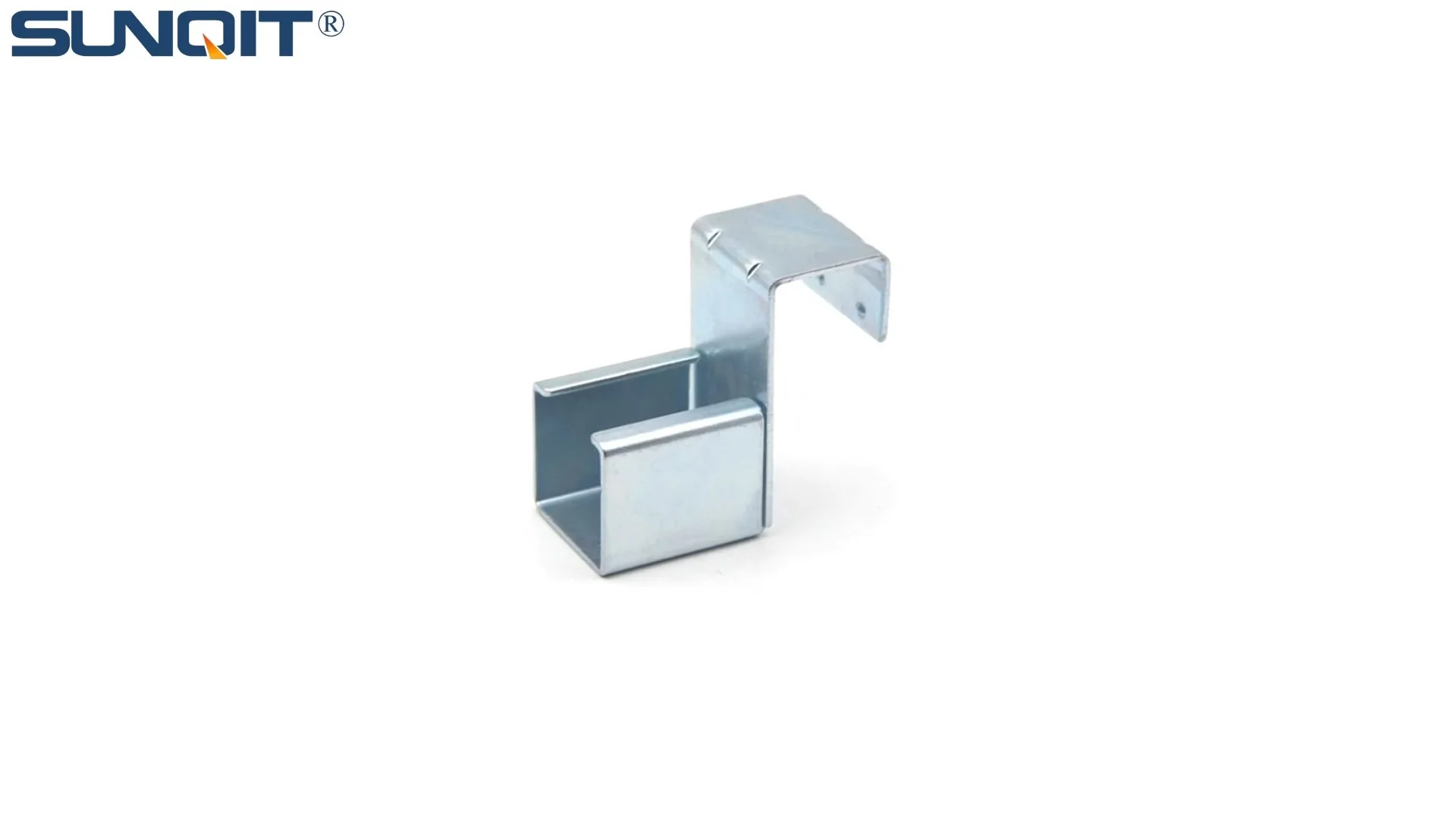
40 Roller Track Placon Mount drop High
Roller track placon mount work as a connector for roller track and pipe or aluminum profile in rack syetem, it is a necessary parts in rack system which widely used in industrial plant and logistic,warehouse storage.
Walk into any modern factory today, and you'll notice a quiet shift happening. It's not just about making products faster or cheaper anymore—though those still matter. More and more, manufacturers are asking: How can we build smarter, not just harder? How do we create systems that don't just serve today's needs, but adapt to tomorrow's? And maybe most importantly, how do we do all this without leaving a mountain of waste in our wake?
This is where sustainable manufacturing steps in. It's the kind of approach that doesn't see "efficiency" and "responsibility" as opposites, but as partners. And if you dig into the tools making this possible, one name keeps popping up in conversations with factory managers and lean consultants alike: the
The Problem with "One-and-Done" Manufacturing
Let's start with the basics: traditional manufacturing setups are often built to last… but only for one job. Imagine a conveyor belt that's bolted into the floor, or a workbench welded into a fixed shape. They do their job well—until your product line changes, or demand spikes, or you need to rearrange the factory layout to fit a new machine. Suddenly, that "reliable" equipment becomes a problem. You either spend weeks (and thousands) rebuilding it, or you scrap it entirely and buy something new. Both options leave you with downtime, extra costs, and a pile of waste that's hard to justify in a world where sustainability isn't just a buzzword, but a business imperative.
Take the 3C industry, for example—phones, laptops, tablets. These products evolve so fast, a production line set up for last year's model might be obsolete by the time the next one hits the shelf. Or look at medical device manufacturing, where precision and compliance are non-negotiable. A slight change in regulations or product design can mean reworking entire workstations. In these worlds, "fixed" equipment isn't just inefficient—it's a roadblock.
That's where the idea of
What Makes 40 Roller Track Placon Mount drop High Different? It's All in the "Re"
Let's break down the name first, because it tells you everything you need to know. "40" refers to its compatibility with 40mm aluminum profiles—a standard in lean manufacturing that makes it easy to connect with other components. "Roller Track" is straightforward: it's designed to move materials smoothly, whether you're sliding parts between workstations or feeding them into an assembly line. "Placon Mount" means it attaches cleanly to aluminum profiles without welding or drilling. And "drop High"? That's the secret sauce—it's adjustable in height, so you can lower or raise it to fit different tasks.
But here's the real kicker: none of these features exist in isolation. They work together to make this roller track reusable in a way that old-school equipment never was. Let's unpack that.
1. Modular by Design: Build, Break, Rebuild—No Waste
Traditional roller tracks are often one solid piece. If a roller breaks, you might have to replace the whole track. If you need a longer line, you buy a new one and toss the old. The 40 Roller Track Placon Mount drop High? It's built in sections, with connectors that let you add or remove parts as needed. A broken roller? Swap it out in 10 minutes. Need to extend the track by 2 meters? Just add another section—no need to throw away what you already have.
And because it uses standard aluminum profile accessories, it plays well with other tools. Pair it with a
2. Durable Materials: Made to Outlast Multiple Product Cycles
Reusability only matters if the product can handle being reused. That's why the 40 Roller Track Placon Mount drop High is made with high-grade aluminum and steel components. Aluminum isn't just lightweight—it's resistant to rust and corrosion, even in busy factories where spills or humidity are common. The steel rollers are coated to reduce friction, so they keep spinning smoothly year after year. Compare that to plastic tracks that crack under heavy use, or steel tracks that rust and seize up. This isn't equipment that lasts for one project; it's built to stick around for the long haul, adapting as your needs change.
3. Adaptable Height: One Track, a Dozen Jobs
The "drop High" feature isn't just a nice-to-have—it's a game-changer for reusability. Let's say today, you're using the track to feed small circuit boards into a soldering station, so you set it low to the workbench. Next month, you switch to assembling larger medical devices, and suddenly you need the track higher to align with a conveyor. Instead of buying a new track, you adjust the height. It's that simple. This flexibility means one track can serve multiple stations, multiple product lines, and multiple teams—all without ever being retired to the scrap heap.

Beyond the Track: How It Fits Into a Sustainable Lean Ecosystem
The 40 Roller Track Placon Mount drop High is powerful on its own, but its true impact shines when it's part of a bigger
| Component | Role in the Ecosystem | How It Boosts Reusability |
|---|---|---|
| 40 Roller Track Placon Mount drop High | Material transport between workstations | Adjustable height, modular sections, compatible with aluminum profiles |
| Lean Pipe Workbench | Assembly/station work surface | Customizable with interchangeable accessories (shelves, bins, tool holders) |
| Aluminum Pipe & Accessories | Frame construction for workbenches, racks, and tracks | Lightweight, strong, and easy to connect/disconnect without tools |
| Flow Rack | Storage and picking of parts | Sloped design for easy access; can be reconfigured with different bin sizes |
| Conveyor | Automated material transport | Modular belts/rollers that can be extended or shortened as needed |
Take a 3C manufacturing plant, for example. They might start with a basic setup: a lean pipe workbench at the center, with a 40 Roller Track Placon Mount drop High feeding parts into it, and a flow rack storing components nearby. When they launch a new phone model, they don't need to tear everything down. Instead, they adjust the track height to match the new assembly jig, swap out the workbench's tool holders for new tools, and reconfigure the flow rack to hold smaller parts. The core components? They're all reused, saving time, money, and materials.
Or consider a medical device manufacturer. Compliance standards might require specific ESD (electrostatic discharge) protection for certain products. With a lean system built on reusable components, they can add ESD mats to the workbench, swap in ESD-safe rollers on the track, and keep the same basic structure—no need to build a workstation from scratch.
Real-World Impact: A 3C Factory's Journey to Less Waste, More Flexibility
Let's hear from a real customer: a mid-sized electronics manufacturer in Shenzhen that assembles smart home devices. A few years ago, they were struggling with constant line changes. Every time they introduced a new product, they'd spend 2-3 weeks reconfiguring their assembly area, often scrapping old conveyor belts and workbenches that couldn't keep up. Their waste bin was always full, and their production timeline was unpredictable.
Then they switched to a lean system centered around aluminum profiles, including the 40 Roller Track Placon Mount drop High. The difference was immediate. When they launched their latest smart speaker model, they needed to adjust their line to fit a larger circuit board. Instead of replacing the entire track, they simply adjusted the height of their 40 Roller Track sections and added a few extra rollers to accommodate the new part size. The whole process took 8 hours—not weeks. Old components? They were repurposed for a secondary packaging line.
"We used to see equipment as a 'cost'—something we bought, used, then threw away," says their production manager. "Now, we see it as an investment. The 40 Roller Track and other lean components have paid for themselves in reduced waste alone. And the best part? Our team no longer dreads line changes. They actually get excited to reconfigure things—like solving a puzzle that makes their jobs easier."

The Long Game: Reusability as a Path to Sustainable Growth
At the end of the day, sustainable manufacturing isn't just about being "green"—though that's a big part of it. It's about building resilience. A factory that can adapt quickly to market changes, reduce downtime, and cut waste is a factory that can compete in today's fast-paced world. The 40 Roller Track Placon Mount drop High embodies that resilience because it's not just a tool for moving parts—it's a tool for moving forward.
Think about the numbers: if a traditional roller track lasts 2-3 years before needing replacement, and the 40 Roller Track Placon Mount drop High lasts 5-7 years (thanks to replaceable parts and adaptability), that's a 50% reduction in waste over time. Multiply that by every component in your factory—workbenches, racks, conveyors—and the impact adds up fast. Fewer deliveries of new equipment, less disposal of old parts, and a smaller carbon footprint.
But it's not just about the environment. It's about your team. When workers don't have to wait for new equipment to arrive, when they can adjust their workspace to fit their needs, and when they see that their company cares about reducing waste, morale goes up. And happy, empowered workers? They're more productive, more innovative, and more likely to stay with your company long-term.

Final Thoughts: Small Changes, Big Shifts
The 40 Roller Track Placon Mount drop High might seem like a small piece in the manufacturing puzzle, but small pieces have a way of changing the whole picture. It's a reminder that sustainability in manufacturing isn't about grand gestures—it's about the choices we make every day: choosing modular over fixed, reusable over disposable, and flexible over rigid.
So the next time you walk through your factory, take a look at your equipment. Are they holding you back, or helping you grow? Are they creating waste, or reducing it? And could something as simple as a better roller track be the first step toward a more sustainable, more adaptable future?
For the manufacturers already using it, the answer is clear: sustainable manufacturing isn't coming—it's here. And it's rolling on tracks that are built to last, adapt, and be reused. One section, one adjustment, one smart choice at a time.