- Company Articles
- Company Articles
- The Environmental Impact of Saddle Pipe Clamps: Recyclability & Sustainability

The Environmental Impact of Saddle Pipe Clamps: Recyclability & Sustainability
Related Product
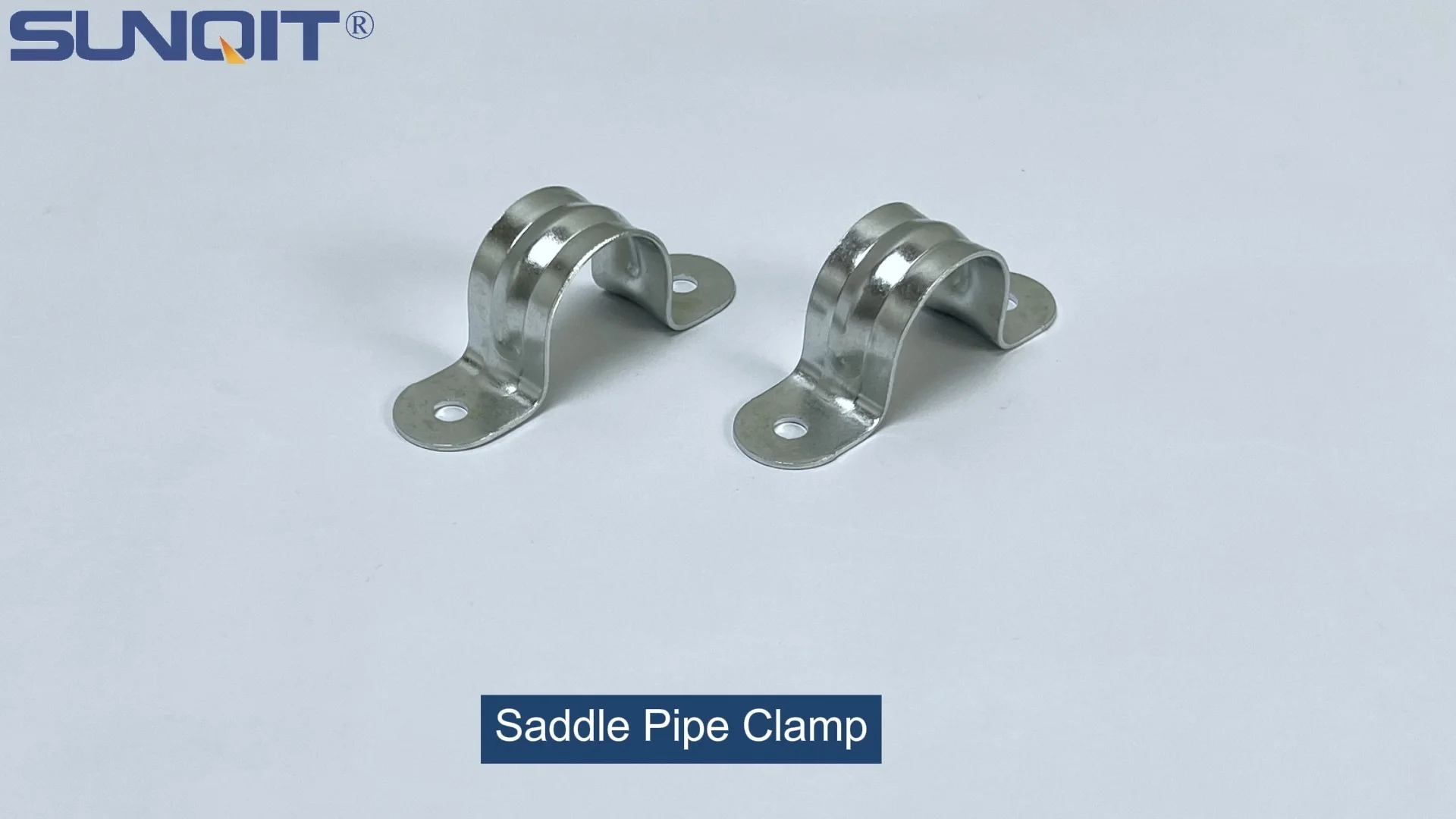
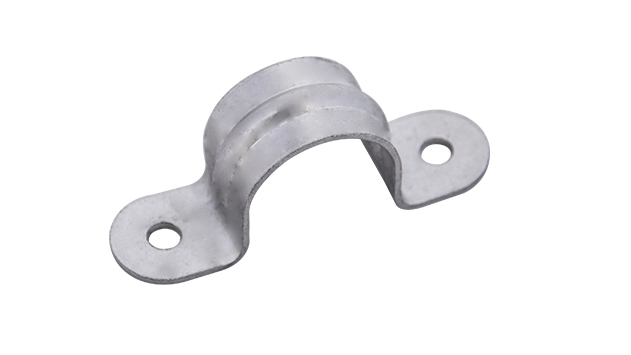
Saddle Pipe Clamp
Saddle pipe clamp, used for board connect with pipe, usually for table top installation.
In the bustling world of manufacturing and industrial design, it's easy to overlook the small components that keep operations running smoothly. Take, for example, the humble saddle pipe clamp. These unassuming devices—used to secure pipes, stabilize structures, and connect components in everything from lean pipe workbenches to conveyor systems—are the unsung heroes of efficiency. But as businesses worldwide pivot toward eco-conscious practices, even the smallest parts are under scrutiny. How do saddle pipe clamps measure up when it comes to recyclability and sustainability? Let's dive into the materials, manufacturing, and lifecycle of these essential components to uncover their environmental footprint.
What Are Saddle Pipe Clamps, and Why Do They Matter?
Before we explore their environmental impact, let's clarify what saddle pipe clamps are and why they're so widely used. Simply put, a saddle pipe clamp is a mechanical fastener designed to secure a pipe to a surface or another pipe. Shaped like a "saddle" (hence the name), it wraps around the pipe and is tightened with screws or bolts, providing stability and reducing vibration. These clamps are integral to
lean pipe and accessories
systems, where modularity and flexibility are key. They're found in assembly lines, material racks, workstations, and even turnover trolleys—anywhere pipes need to be firmly held in place without damaging the surface.
The beauty of saddle pipe clamps lies in their versatility. They're compatible with various pipe materials, including steel, aluminum, and plastic, and they adapt to different diameters and configurations. But their real value, from an environmental standpoint, lies in their durability and potential for reuse or recycling. A well-made clamp can last for decades, reducing the need for frequent replacements. And when it does reach the end of its lifecycle, the materials it's made from determine whether it becomes waste or a resource for future production.
Materials Matter: The Building Blocks of Saddle Pipe Clamps
Saddle pipe clamps are typically crafted from three primary materials: aluminum, stainless steel, and plastic. Each has its own set of environmental pros and cons, from recyclability to production energy use. Let's break them down.
Aluminum: The Recyclable Workhorse
Aluminum is a popular choice for saddle pipe clamps, especially in industries prioritizing lightweight strength and corrosion resistance. Many clamps are made from
aluminum profile
—extruded aluminum shapes that are easy to mold and assemble. What makes aluminum stand out environmentally is its exceptional recyclability. Unlike some materials, aluminum can be recycled repeatedly without losing quality. In fact, nearly 75% of all aluminum ever produced is still in use today, according to the Aluminum Association.
Producing aluminum from recycled scrap uses just 5% of the energy required to make it from bauxite ore. That's a staggering 95% energy savings! For context, recycling one ton of aluminum saves approximately 14,000 kWh of electricity—enough to power a home for over a year. When a saddle pipe clamp made from aluminum reaches the end of its life, it can be melted down, purified, and reshaped into a new clamp, a car part, or even a beverage can. This closed-loop system drastically reduces the need for mining, which is resource-intensive and disruptive to ecosystems.
Stainless Steel: Durability Meets Recyclability
For applications requiring maximum strength and resistance to extreme temperatures or chemicals, stainless steel is the go-to material. Saddle pipe clamps in the
stainless steel pipe series
are prized for their longevity—they can withstand years of wear and tear without rusting or deforming. But durability isn't their only eco-friendly trait: stainless steel is 100% recyclable.
Stainless steel recycling is a well-established process. At the end of a clamp's lifecycle, it's sorted, shredded, and melted in an electric arc furnace. The resulting molten steel is then alloyed with other metals (like chromium or nickel) to recreate new stainless steel products. Unlike aluminum, stainless steel doesn't require extensive purification during recycling, making the process even more energy-efficient. The International Stainless Steel Forum reports that over 80% of stainless steel scrap is recycled globally, making it one of the most recycled materials on the planet.
The long lifespan of stainless steel clamps also contributes to sustainability. A clamp that lasts 20 years instead of 5 means fewer replacements, less material consumption, and lower overall waste. In industries like oil and gas or chemical processing, where equipment is expected to endure harsh conditions, stainless steel clamps are a sustainable choice precisely because they don't need to be replaced frequently.
Plastic: Progress and Challenges
Plastic saddle pipe clamps are often used in lighter-duty applications, such as securing plastic pipes in irrigation systems or low-pressure fluid lines. They're affordable, corrosion-resistant, and easy to mold into complex shapes. However, plastic's environmental reputation is more complicated. Traditional plastics, derived from fossil fuels, are slow to degrade and contribute to landfill waste and ocean pollution. That said, the industry is evolving, with many manufacturers now using recycled plastics or bio-based alternatives.
Some plastic clamps are made from recycled polyethylene (PE) or polypropylene (PP), which reduces reliance on virgin materials. Others use biodegradable plastics derived from corn starch or sugarcane, though these are less common due to cost and durability concerns. The biggest challenge with plastic clamps is recycling consistency. Unlike aluminum or stainless steel, plastic recycling rates are lower (around 9% globally, per the OECD), and mixed plastic types can contaminate recycling streams. That said, innovations like chemical recycling—breaking down plastic into its molecular components to create new materials—are improving the outlook for plastic's circularity.
Recyclability Showdown: How Materials Compare
To better understand the environmental impact of saddle pipe clamps, let's compare the recyclability and sustainability of aluminum, stainless steel, and plastic side by side. The table below breaks down key metrics, including recycling rates, energy savings, and lifecycle length.
| Material | Recyclability Rate (%) | Energy Saved vs. Virgin Production (%) | Typical Lifespan (Years) | End-of-Life Options |
|---|---|---|---|---|
| Aluminum (Aluminum Profile) | 70-80 | 95 | 15-30 | Melting, reshaping into new products |
| Stainless Steel (Stainless Steel Pipe Series) | 80-90 | 75 | 20-40 | Shredding, melting, alloying into new steel |
| Plastic (e.g., Plastic Pipe End Cap) | 5-30* | 30-50 | 5-15 | Mechanical recycling, chemical recycling, energy recovery |
*Recycling rates for plastic vary widely by type and region. Numbers reflect global averages for industrial plastics.

Sustainability Beyond Materials: Manufacturing and Supply Chains
While material choice is critical, a saddle pipe clamp's environmental impact doesn't end there. How it's manufactured, transported, and used also plays a role. Forward-thinking
lean pipe suppliers
and aluminum profile suppliers are adopting sustainable practices to minimize their carbon footprint. Here are a few key areas where progress is being made:
Energy-Efficient Production:
Many manufacturers now power their facilities with renewable energy, such as solar or wind. For example, aluminum extrusion plants—where
aluminum profile
is shaped—are switching to electric furnaces instead of coal-fired ones, reducing greenhouse gas emissions.
Waste Reduction:
Lean manufacturing principles, which prioritize minimizing waste, are being applied to clamp production. This includes optimizing material usage to reduce scrap, reusing excess materials in other products, and recycling manufacturing byproducts (e.g., aluminum shavings from machining).
Local Sourcing:
By sourcing raw materials and manufacturing locally, suppliers cut down on transportation emissions. A saddle pipe clamp made from recycled aluminum in Ohio, for instance, has a smaller carbon footprint than one shipped from overseas.
Product Design for Recyclability:
Some manufacturers are designing clamps with disassembly in mind, using single-material construction to avoid mixing plastics and metals (which complicates recycling). Others are adding QR codes to clamps, allowing end-users to scan and learn how to properly recycle them.
Case Study: A Lean Pipe Supplier's Journey to Sustainability
To see these principles in action, let's look at a hypothetical (but realistic) example: GreenLine Industrial, a mid-sized
lean pipe supplier
based in Michigan. Five years ago, GreenLine decided to overhaul its product line to prioritize sustainability. Here's what they did:
Material Switch:
They phased out plastic clamps in favor of aluminum and stainless steel options, citing customer demand for recyclable products. For the few plastic components they still use (like
plastic pipe end caps
), they switched to 100% recycled HDPE.
Recycling Program:
GreenLine launched a take-back program for old clamps, offering customers a discount on new orders in exchange for returning used ones. Collected clamps are sorted by material—aluminum and stainless steel are sent to local recyclers, while plastic is processed through chemical recycling.
Energy Efficiency:
The company installed solar panels on its factory roof, reducing reliance on grid electricity by 40%. They also upgraded to energy-efficient machinery, cutting production-related emissions by 25%.
The results? Over three years, GreenLine reduced its carbon footprint by 35% and saw a 20% increase in sales, as eco-conscious manufacturers flocked to their sustainable offerings. "We didn't just do it for the planet—we did it for our customers," says GreenLine's sustainability director. "Today's buyers want to know their supply chain aligns with their values, and small components like saddle pipe clamps are a big part of that."

The Future of Saddle Pipe Clamps: Innovations in Sustainability
As technology advances and environmental regulations tighten, the future of saddle pipe clamps looks greener than ever. Here are a few emerging trends to watch:
Bio-Based Plastics:
Researchers are developing plastics derived from algae, fungi, and agricultural waste that biodegrade naturally and require less energy to produce. While still in the early stages, these could one day replace traditional plastics in low-stress clamp applications.
Smart Materials:
Self-healing metals and shape-memory alloys are being explored for clamps. These materials can repair small cracks or return to their original shape after deformation, extending lifespans and reducing replacement needs.
Circular Economy Models:
More suppliers are adopting "product-as-a-service" models, where customers lease clamps rather than buying them. At the end of the lease, the supplier takes back the clamps, refurbishes or recycles them, and re-leases them—creating a closed-loop system with minimal waste.
Conclusion: Small Clamps, Big Impact
Saddle pipe clamps may be small, but their environmental impact is significant. By choosing materials like aluminum or stainless steel—both highly recyclable and durable—businesses can reduce waste and conserve resources. And by partnering with sustainable
lean pipe suppliers
that prioritize energy efficiency, recycling, and ethical sourcing, they can ensure their entire supply chain aligns with eco-friendly goals.
The next time you spot a saddle pipe clamp holding together a workbench or stabilizing a conveyor, remember: it's more than just a fastener. It's a choice—one that can either contribute to a throwaway economy or help build a circular, sustainable future. As consumers and businesses alike demand greener options, the humble clamp is proving that even the smallest components can lead the way toward a healthier planet.