- Company Articles
- Company Articles
- The Role of Plastic Pipe Covers in Lean 5S Workplace Organization

The Role of Plastic Pipe Covers in Lean 5S Workplace Organization
Related Product
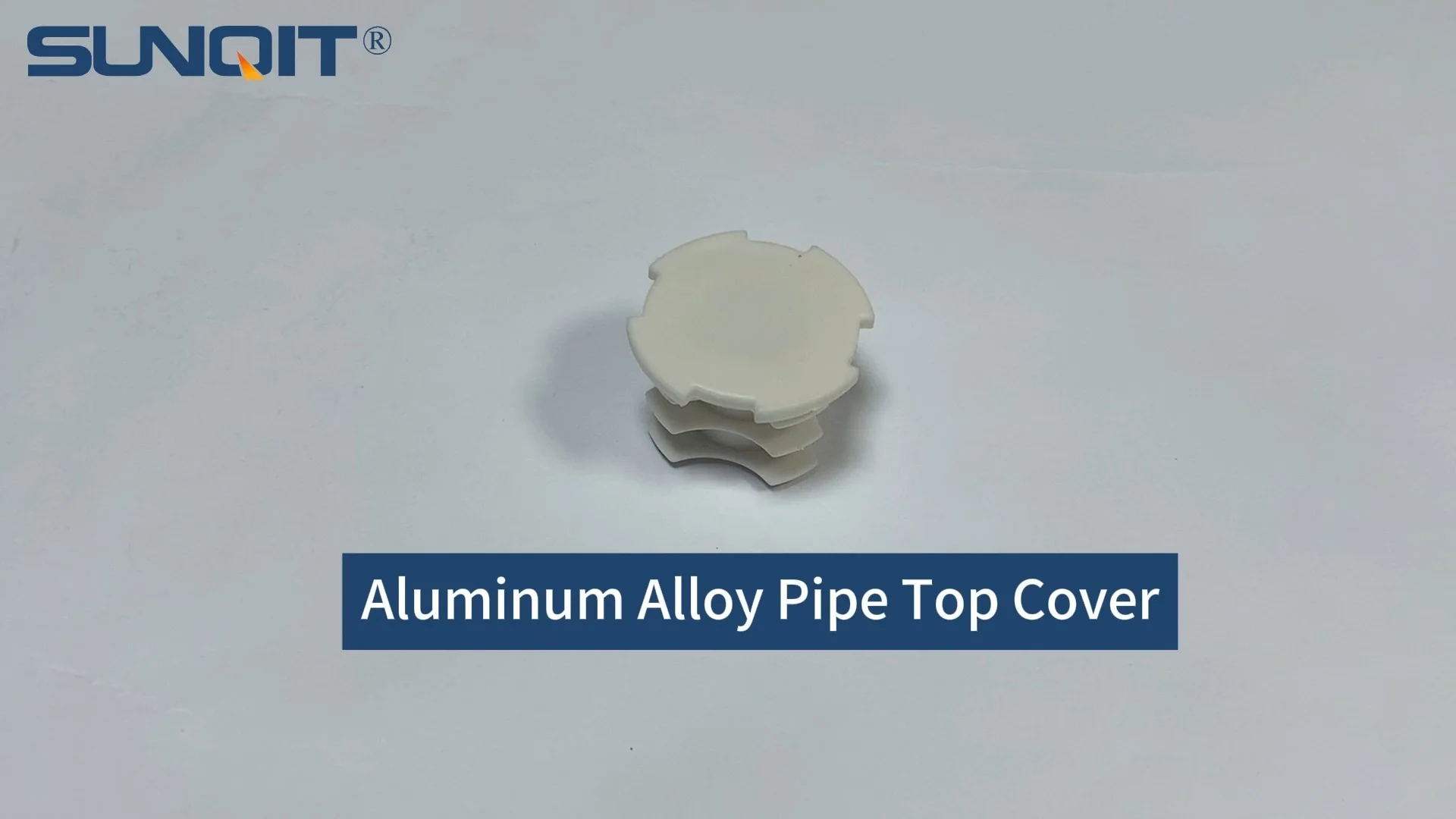
Plastic Pipe Cover
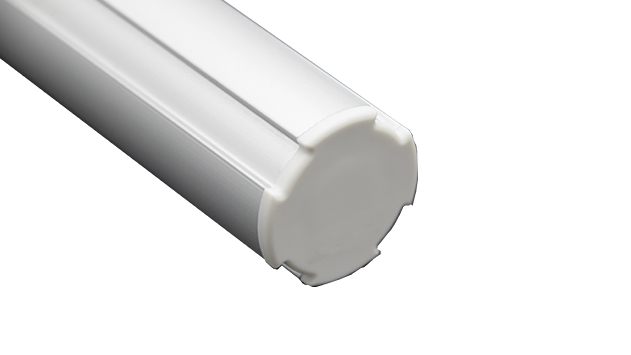
Plastic pipe cover to cover dia 28MM aluminum pipe end at workbench, flow rack, to prevent metal surface scratch material or worker.
Walk through any well-run manufacturing facility, warehouse, or assembly plant today, and you'll likely notice a common thread: order. Tools are in designated spots, workflows feel intuitive, and there's a sense of purpose in every corner. This isn't by accident—it's the result of intentional systems, and at the heart of many of these systems lies Lean 5S. A methodology built on five principles—Sort, Set in Order, Shine, Standardize, and Sustain—5S transforms chaotic workspaces into hubs of efficiency, safety, and productivity. But while most discussions around 5S focus on big-ticket items like workbenches, flow racks, or lean pipe structures, there's a small, often overlooked component that plays a surprisingly vital role: the plastic pipe cover. In this article, we'll explore how these simple sleeves punch above their weight, supporting lean systems, enhancing workplace organization, and ensuring that the gains of 5S aren't just achieved, but sustained.
Understanding Lean 5S: The Foundation of Workplace Excellence
Before diving into the specifics of plastic pipe covers, it's important to ground ourselves in what Lean 5S is and why it matters. Developed in Japan as part of the Toyota Production System, 5S isn't just a cleaning checklist—it's a mindset that fosters continuous improvement. Let's break down each principle:
- Sort (Seiri): Separate necessary items from unnecessary ones. In a workshop, this might mean removing broken tools, obsolete parts, or unused equipment from the production floor. The goal? Eliminate clutter so only what's needed for the job is within reach.
- Set in Order (Seiton): Arrange necessary items so they're easy to find, use, and return. Think labeled bins, shadow boards for tools, or flow racks positioned to minimize movement between workstations. The mantra here is "a place for everything, and everything in its place."
- Shine (Seiso): Keep the workspace clean and free of dust, debris, and spills. This isn't just about aesthetics—cleanliness prevents equipment breakdowns, highlights potential issues (like oil leaks), and boosts morale. A shiny workspace signals pride in the job.
- Standardize (Seiketsu): Create consistent processes for maintaining the first three S's. This could mean standard work instructions for cleaning, color-coded labels for tools, or checklists to ensure Sort, Set in Order, and Shine are followed daily. Standardization ensures everyone is on the same page.
- Sustain (Shitsuke): Make 5S a habit. This is the hardest part—ensuring that the improvements stick long-term. It requires training, accountability, and a culture where employees take ownership of their workspace.
Together, these principles create a workplace where waste—whether of time, space, or materials—is minimized. But to execute 5S effectively, teams rely on physical tools. Enter lean systems: modular, flexible structures built from components like lean pipes, joints, and accessories. These systems, which include everything from workbenches to flow racks, are the backbone of Set in Order, providing customizable solutions that adapt to changing needs. And within these systems, plastic pipe covers quietly play a role in making 5S not just possible, but practical.
Lean Pipe Systems: The Building Blocks of Organized Workspaces
At the core of many lean systems are lean pipes—lightweight, durable tubes (often made of steel with a plastic coating or aluminum) that, when combined with joints and accessories, can be configured into almost any structure. Think of them as the "Lego bricks" of manufacturing: versatile, easy to assemble, and infinitely reconfigurable. Lean pipes are the reason workbenches can be adjusted to different heights, flow racks can be expanded to hold more parts, and material trolleys can be customized to fit specific tools. They're affordable, too, making them accessible to small and large businesses alike.
But lean pipes don't work alone. They're paired with accessories like joints (to connect pipes at various angles), casters (for mobility), and work surfaces (for stability). Together, these components form the backbone of key 5S tools:
- Workbenches: The center of daily operations, lean pipe workbenches are designed to keep tools, parts, and equipment within arm's reach. They're often paired with shelves, bins, or pegboards to support Set in Order.
- Flow Racks: Used to store and transport materials, flow racks use gravity or rollers to move parts from the "supply" end to the "use" end, ensuring a steady, efficient workflow. They're critical for reducing waste in material handling.
- Material Trolleys: Mobile carts built from lean pipes, these allow teams to transport tools or parts across the facility without unnecessary lifting or walking, cutting down on time wasted in transit.
These structures are designed to be modified as needs change—if a production line expands, a flow rack can be extended; if a workbench needs more storage, additional shelves can be added. This flexibility is key to Sustain, as it allows 5S systems to evolve without being completely overhauled. But here's the thing: lean pipes, for all their durability, are still vulnerable to wear and tear. Scratches, dents, or corrosion can compromise their integrity over time. And without proper protection, the joints that hold them together can become noisy or loose. That's where plastic pipe covers come in.
Plastic Pipe Covers: Small in Size, Big in Impact
Plastic pipe covers—also called pipe sleeves or pipe protectors—are exactly what they sound like: cylindrical sleeves made of plastic (usually PVC, polyethylene, or polypropylene) that slide over lean pipes. They come in various lengths, diameters, and colors, and at first glance, they might seem like a trivial addition. After all, the pipe itself is already strong—why add another layer? But anyone who's worked with lean systems knows that the "small stuff" often makes the biggest difference. Let's unpack the roles plastic pipe covers play in supporting 5S and lean system longevity.
1. Protection: Preserving Lean Pipe Integrity (Sort & Sustain)
Lean pipes are tough, but they're not indestructible. In a busy workshop, they're constantly exposed to hazards: parts being dropped, tools bumping into them, or even the occasional forklift scrape. Over time, these small impacts can scratch the pipe's surface, exposing the underlying metal to moisture and corrosion. A damaged pipe isn't just an eyesore—it can weaken the structure, making workbenches or flow racks less stable. In extreme cases, a corroded joint could even fail, putting employees at risk.
Plastic pipe covers act as a first line of defense. By creating a barrier between the pipe and the environment, they absorb impacts, prevent scratches, and shield against moisture. This extends the life of lean pipe structures, reducing the need for frequent replacements. For example, a flow rack in a warehouse that's used to store heavy metal parts might see its lean pipes dented or scratched within months without covers. With plastic sleeves, those same pipes could last years longer. This not only saves money on replacement parts but also supports the Sustain principle: if structures stay in good condition, employees are more likely to keep them organized. After all, it's easier to take pride in a workspace that looks well-maintained.
Protection also ties into Sort. When lean pipes are damaged, they can become "unnecessary items" themselves—if a workbench leg is bent or corroded, the entire bench might need to be replaced. By preserving pipe integrity, plastic covers ensure that only truly broken or obsolete items are removed during Sort, keeping valuable equipment in use.
2. Safety: Reducing Risks in the Workplace (Shine & Standardize)
A clean, organized workspace is a safe workspace—and Shine is all about keeping things clean. But safety goes beyond just tidiness; it's about eliminating hazards that could cause trips, falls, or injuries. Lean pipes, even when new, can have sharp edges (especially at the ends or around joints). A worker rushing to grab a tool might brush against an exposed pipe end and get a cut. Over time, as pipes are scratched or dented, these risks only increase.
Plastic pipe covers smooth out rough edges, turning potential hazards into soft, rounded surfaces. They're also non-conductive, which is a plus in environments with electrical equipment, and some are even anti-slip, reducing the risk of tools or parts sliding off workbenches. For example, in an electronics assembly plant, where static electricity is a concern, conductive plastic covers can be used to ground lean pipe workbenches, protecting sensitive components from damage. In a warehouse, where employees are constantly moving around flow racks, covers prevent scrapes from protruding pipe ends.
Standardization is another area where plastic pipe covers shine (pun intended). By using covers of the same color or material across all lean systems, teams create a consistent look and feel. This makes it easier to spot anomalies—if a cover is missing from a pipe, it's immediately noticeable, prompting someone to replace it. Standardized covers also make cleaning simpler: instead of scrubbing around rough pipe surfaces, employees can wipe down smooth plastic sleeves in seconds, supporting the Shine principle. When cleaning is easy, it's more likely to happen regularly.
3. Organization: Color-Coding for Clarity (Set in Order)
Set in Order is all about making sure everything has a place—and that everyone knows where that place is. One of the most effective ways to do this is through color-coding. A red bin might hold defective parts, a green bin might hold finished products, and a yellow shelf might be for tools used in a specific step of the process. Color-coding reduces confusion, speeds up training, and ensures that even new employees can navigate the workspace with confidence.
Plastic pipe covers are ideal for color-coding lean systems. They come in a range of hues—yellow, red, blue, grey, black—and can be used to visually separate different zones or functions. For example:
- A workbench used for assembly might have blue pipe covers, while one used for quality control has red covers, making it easy to distinguish between workstations.
- Flow racks in a warehouse could use yellow covers to mark "fast-moving" parts and grey covers for "slow-moving" parts, helping pickers quickly locate what they need.
- Material trolleys with green covers might be designated for "clean" tools, while those with black covers are for "dirty" tools, preventing cross-contamination in sensitive processes.
Color-coded covers also support visual management—a key part of 5S. By looking at the color of a pipe, anyone in the facility can instantly understand its purpose. This reduces errors (like putting parts in the wrong flow rack) and speeds up workflow, as employees don't have to stop and read labels or ask for directions. It's a simple, low-cost way to make Set in Order actionable and intuitive.
4. Aesthetics: Boosting Morale Through a Polished Look (Shine & Sustain)
It's easy to dismiss aesthetics as "superficial," but in 5S, how a workspace looks has a direct impact on how it's maintained. A cluttered, dirty, or worn-out area sends a message: "This place doesn't matter." Employees are less likely to take pride in their work, and Sustain becomes an uphill battle. On the flip side, a clean, bright, well-organized space says: "We care about this work, and we care about you." It boosts morale, reduces stress, and encourages employees to keep things tidy.
Plastic pipe covers transform the look of lean systems. Exposed lean pipes, even when new, can look industrial and utilitarian. Add a set of colorful, uniform covers, and suddenly the same structure looks intentional and professional. Scratches, dents, or rust spots are hidden, making the workspace feel newer and more cared for. This might seem like a small change, but it has a big psychological impact. Think about it: would you rather work at a workbench with chipped, rusty pipes or one with smooth, clean, color-coded covers? The latter feels like a space where quality matters—and that mindset trickles down to the work itself.
Aesthetics also play a role in Shine. When surfaces are smooth and unbroken, they're easier to clean. Dust and debris don't get trapped in scratches or around rough edges, so a quick wipe with a cloth is enough to keep covers looking fresh. This makes daily cleaning tasks faster and more effective, ensuring that Shine becomes a habit rather than a chore.

Choosing the Right Plastic Pipe Cover: Key Considerations
Not all plastic pipe covers are created equal. To get the most out of them, it's important to choose the right type for your workspace. Here are some factors to consider:
| Consideration | What to Look For | Example Scenario |
|---|---|---|
| Pipe Diameter | Covers should fit snugly around lean pipes—too loose, and they'll slide off; too tight, and they'll be hard to install. | A 25mm lean pipe needs a 25mm diameter cover. |
| Material | PVC is durable and affordable for general use; polyethylene is flexible and resistant to chemicals; polyurethane is soft and shock-absorbent for high-impact areas. | A chemical plant might use polyethylene covers to resist spills, while a warehouse might opt for PVC for cost-effectiveness. |
| Color | Choose colors that align with your color-coding system. Opt for high-visibility hues (like yellow or red) for safety zones. | A hospital supply room might use blue covers for "sterile" zones and red for "non-sterile" zones. |
| Environment | Consider temperature (some plastics melt in heat), moisture (look for water-resistant covers), and UV exposure (outdoor use may require UV-stabilized covers). | A factory with high temperatures might use heat-resistant covers, while an outdoor warehouse needs UV-protected ones. |
| Durability | Thicker covers (2-3mm) last longer in high-traffic areas; thinner covers (1mm) work for low-impact zones. | A busy assembly line workbench needs thick, durable covers; a storage rack in a quiet corner can use thinner ones. |
It's also worth considering pre-cut vs. roll covers. Pre-cut covers come in fixed lengths (e.g., 1m or 2m), which is convenient for standard pipe lengths. Roll covers, on the other hand, can be cut to custom lengths, making them ideal for odd-sized structures or one-off projects.

Real-World Impact: How Plastic Pipe Covers Transformed a Small Manufacturing Plant
To illustrate just how much of a difference plastic pipe covers can make, let's look at a real example. Consider a small electronics assembly plant with 20 employees. Before implementing 5S, the facility was cluttered: tools were scattered across workbenches, parts were stored in unlabeled bins, and lean pipe structures (including workbenches and flow racks) were showing signs of wear—scratched pipes, rust around joints, and uneven surfaces.
The team decided to roll out 5S, starting with Sort (removing obsolete tools and parts) and Set in Order (adding labeled bins and reorganizing workbenches). They quickly realized that their lean pipes were a problem: the scratched surfaces collected dust, making Shine difficult, and the rough edges posed a safety risk for employees handling small, delicate electronics components.
Their solution? Installing plastic pipe covers. They chose blue PVC covers for workbenches (to denote "assembly zones") and yellow covers for flow racks (to mark "material storage"). The results were immediate:
- Safety Improved: No more cuts from sharp pipe edges. Employees reported feeling more comfortable working around the structures.
- Cleaning Took Less Time: Smooth covers were easy to wipe down, reducing daily Shine tasks from 20 minutes to 5 minutes per workstation.
- Morale Boosted: The colorful, uniform covers made the workspace feel "new" and cared for. Employees started taking more pride in keeping their areas tidy.
- Longevity Increased: After six months, the lean pipes showed no new scratches or rust, extending the life of the workbenches and flow racks by an estimated 2-3 years.
Perhaps most importantly, the team found it easier to Sustain their 5S gains. The covers acted as a visual reminder of the new standards—if a cover was missing or damaged, someone noticed and replaced it quickly. The plant's productivity increased by 15% in the first year, and employee turnover dropped, as workers felt more valued in their organized, safe environment.
Conclusion: Small Tools, Big Results
In the world of Lean 5S, it's easy to focus on the "big" tools—the workbenches, flow racks, and lean pipe systems that define the layout of a workspace. But as we've seen, it's often the smallest components that hold the system together. Plastic pipe covers are a perfect example: simple, affordable, and often overlooked, yet critical to protecting lean pipes, enhancing safety, supporting organization, and boosting morale. They're a testament to the 5S mindset: that every detail matters, and that excellence is achieved through the consistent execution of small, intentional actions.
Whether you're just starting your 5S journey or looking to sustain the gains you've already made, don't overlook the power of plastic pipe covers. They might not be the first thing you think of when you hear "lean system," but they're proof that sometimes, the most impactful solutions are the ones that fit right in your hands.
So, the next time you walk through your workspace, take a look at your lean pipe structures. Are they protected? Are they helping or hindering your 5S efforts? A few plastic covers might be all it takes to turn a good system into a great one.