- Company Articles
- Industry articles
- Industry standards
- Adjustable Leveling Feet in Medical Device Manufacturing: Compliance with Safety Standards

Adjustable Leveling Feet in Medical Device Manufacturing: Compliance with Safety Standards
Related Product
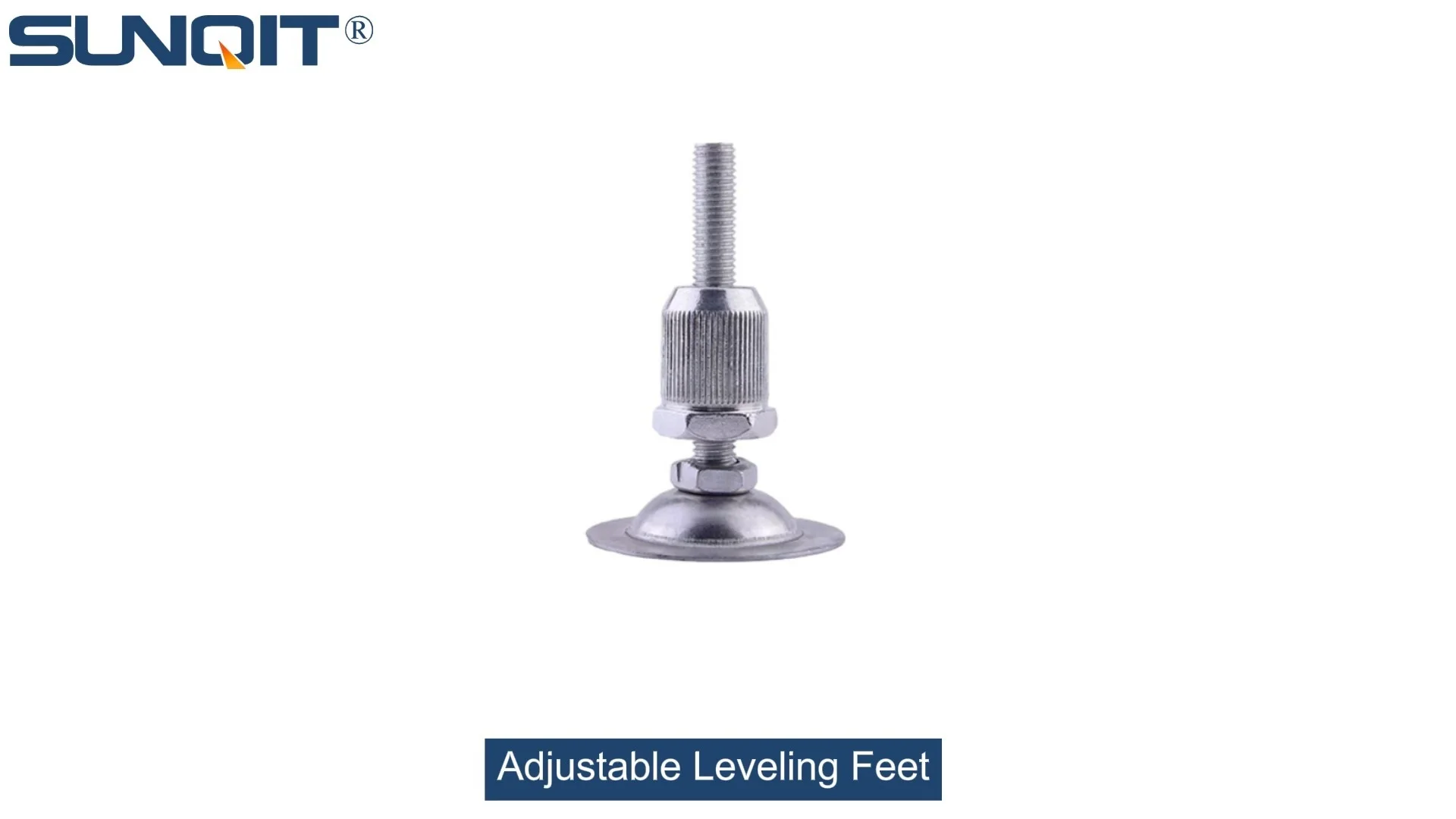
Adjustable Leveling Feet
Adjustable leveling feet are designed to keep machines level when placed on uneven or sloped ground. Otherwise known as adjustable equipment feet, they are available to order in a wide variety of size and load capacity combinations.
Introduction: The Unsung Heroes of Precision
Walk into any medical device manufacturing facility, and your eyes might be drawn to the high-tech machinery, sterile cleanrooms, or teams in crisp white coats meticulously assembling life-saving equipment. What you might not notice—yet what holds the entire operation together—are the small, unassuming components beneath the workbenches, material racks, and assembly stations: adjustable leveling feet. These humble pieces of hardware are the silent guardians of precision, stability, and safety in an industry where even the smallest margin of error can have life-altering consequences.
In medical device manufacturing, compliance isn't just a buzzword; it's a legal and ethical imperative. From pacemakers to surgical instruments, every product must meet rigorous safety standards set by organizations like the FDA, ISO, and OSHA. But how do adjustable leveling feet factor into this? Think of them as the foundation of compliance. A wobbly workbench isn't just an annoyance—it can lead to misaligned components, inconsistent product quality, and even workplace injuries. In contrast, a stable, level workstation ensures that assembly processes are repeatable, ergonomic, and aligned with regulatory requirements. In this article, we'll dive deep into why adjustable leveling feet are non-negotiable in medical device manufacturing, how they integrate with workbenches and aluminum profiles, and the critical role they play in keeping facilities compliant and workers safe.
The Critical Need for Stability in Medical Manufacturing
To understand why adjustable leveling feet matter, let's start with a scenario: Imagine a technician assembling a catheter, a device that must be precise to fractions of a millimeter to avoid patient harm. They're working on a workbench that tilts slightly to the left—almost imperceptible at first, but enough that when they place a delicate component, gravity pulls it just a hair out of alignment. Over time, these tiny misalignments add up, leading to products that fail quality checks or, worse, slip through and endanger patients. Now, multiply that scenario across an entire facility, and you see why stability isn't optional—it's the backbone of reliable manufacturing.
Medical device manufacturing environments are also uniquely challenging. Cleanrooms require frequent sanitization with harsh chemicals, which can degrade low-quality materials. Floors may be uneven due to wear, installation quirks, or the weight of heavy equipment. Workers stand for hours, requiring ergonomic setups to prevent strain. And regulatory auditors don't just check the final product—they inspect the entire production ecosystem, including workstation stability. In short, instability isn't just a productivity issue; it's a compliance risk, a safety hazard, and a threat to patient well-being.
This is where adjustable leveling feet step in. By allowing operators to fine-tune the height and balance of workbenches, material racks, and other equipment, these components compensate for uneven floors, absorb vibrations from nearby machinery, and ensure that every workstation meets the exacting standards required for medical manufacturing. They turn an unpredictable surface into a controlled, consistent workspace—one where precision isn't left to chance.

Understanding Adjustable Leveling Feet: More Than Just "Feet"
At first glance, adjustable leveling feet might seem like simple hardware: a threaded rod, a base, and a nut to tighten them in place. But in reality, they're engineered with medical manufacturing's unique demands in mind. Let's break down their key components and how they work.
Anatomy of a Leveling Foot
Most adjustable leveling feet share a few core parts: a threaded stem (often made of steel or stainless steel), a base (which contacts the floor), and an adjustment mechanism (like a hex nut or handwheel). The stem screws into a threaded hole on the bottom of a workbench or aluminum profile, and by rotating the stem, you raise or lower that corner of the equipment. The base, typically made of rubber, plastic, or metal with a non-slip pad, ensures the foot stays in place and doesn't scratch or damage the floor.
In medical settings, specialized designs are common. For example, anti-slip adjustable leveling feet feature rubber bases with textured surfaces to grip floors, even when wet or sanitized. M10*56 rubber leveling feet —a common size in the industry—offer a specific thread diameter (M10) and length (56mm), making them compatible with standard workbench and aluminum profile mounting holes. Some models also include locking nuts to prevent the foot from loosening over time due to vibrations, ensuring long-term stability.
Types of Adjustable Leveling Feet for Medical Manufacturing
Not all leveling feet are created equal. In medical device facilities, the right choice depends on the application: workbenches, material racks, or mobile trolleys (though many medical workstations are fixed, hence the need for stable, non-caster feet like those used in Workbench E, a single-deck workbench without casters). Here are the most common types:
- Fixed-Height vs. Adjustable: Fixed feet are set at a specific height, while adjustable models allow for fine-tuning. In medical manufacturing, adjustable is almost always preferred to adapt to floor variations.
- Anti-Slip Bases: Critical for preventing workbenches from shifting during use, especially in cleanrooms where floors are often sanitized with slippery solutions. Rubber or polyurethane bases are standard here.
- Stainless Steel vs. Coated Steel: Stainless steel feet resist corrosion from frequent cleaning, making them ideal for cleanrooms. Coated steel (like zinc-plated) is more affordable but may not hold up as well in harsh environments.
- Heavy-Duty vs. Light-Duty: Heavy-duty feet (with thicker stems and larger bases) support workbenches loaded with tools, while light-duty models work for smaller racks or carts.
| Type of Leveling Foot | Material | Load Capacity (per foot) | Anti-Slip Feature | Best For |
|---|---|---|---|---|
| Anti-Slip Adjustable Leveling Feet | Stainless Steel Stem, Rubber Base | Up to 500 kg | Textured rubber base | Cleanroom workbenches, surgical instrument assembly |
| M10*56 Rubber Leveling Feet | Zinc-Plated Steel Stem, Rubber Base | Up to 300 kg | Smooth rubber base (good for dry floors) | Material racks, non-sanitized storage areas |
| Heavy-Duty Stainless Steel Feet | 304 Stainless Steel (Stem and Base) | Up to 1000 kg | Stainless steel base with rubber insert | Heavy equipment, large assembly stations |

Integration with Workbenches and Aluminum Profiles: Building a Stable Ecosystem
Adjustable leveling feet don't work in isolation—they're part of a larger system that includes workbenches, aluminum profiles, and material handling equipment. In medical manufacturing, where workflows are often customized to specific devices, this integration is key to creating efficient, compliant workspaces.
Workbenches: The Frontline of Assembly
Workbenches are where the magic happens: technicians assemble components, test devices, and package products. A typical medical workbench, like the Workbench E (single deck-without caster) , is designed for fixed, stable operation—no casters, no movement, just a solid surface. To make this work, adjustable leveling feet are mounted at each corner, allowing operators to level the bench even if the floor dips or rises by a few millimeters. This is critical for tasks like soldering tiny electronics, aligning plastic molds, or measuring components with calipers—all of which require a perfectly flat surface to ensure accuracy.
But it's not just about balance. Workbenches must also be ergonomic. Adjustable leveling feet let workers tweak the height by 2-4 inches, ensuring that the surface aligns with their waist or elbow height, reducing strain on shoulders and backs. Over time, this lowers the risk of repetitive stress injuries, a key OSHA concern. And during audits, regulators will check that workbenches are both level and ergonomically sound—two boxes that adjustable leveling feet help tick.
Aluminum Profiles: Customization Meets Stability
Medical manufacturing rarely uses "one-size-fits-all" setups. Instead, facilities often build custom workstations using aluminum profiles —lightweight, modular extrusions that can be cut, drilled, and connected with brackets to create everything from material racks to inspection stations. Aluminum profiles are popular here because they're strong, corrosion-resistant, and easy to modify. But to make these custom setups stable, you need adjustable leveling feet that can attach to the profile's T-slots or mounting holes.
For example, a facility might build a multi-tiered material rack using 4040 aluminum profiles to hold components for pacemaker assembly. By adding adjustable leveling feet to the base of the rack, they ensure that even with heavy loads, the structure doesn't wobble or tip. The feet also compensate for uneven floors in older facilities, turning a potentially hazardous setup into a compliant one. Aluminum profiles and leveling feet together create a system that's both flexible (easily reconfigured for new devices) and stable (meeting regulatory standards).
Material Racks and Trolleys
Even storage matters in compliance. Material racks, like Material Rack B (3 row and 3 floor) , hold raw materials, semi-finished parts, and tools. If a rack is unlevel, boxes can slide off, components can get damaged, or workers might strain their backs lifting items from a tilted shelf. Adjustable leveling feet on these racks prevent this by keeping the shelves horizontal, ensuring safe access and reducing waste from damaged parts. They also make it easier to clean under racks—a must for maintaining sterile environments—by raising the structure off the floor slightly, preventing dust and debris buildup.

Compliance with Safety Standards: How Leveling Feet Keep You Audit-Ready
Regulatory compliance in medical device manufacturing is a complex web of standards, and adjustable leveling feet play a surprisingly central role in meeting them. Let's break down the key regulations and how leveling feet help facilities stay on the right side of the law.
ISO 13485: Quality Management for Medical Devices
ISO 13485 is the gold standard for medical device quality management systems, requiring "controlled conditions" for production. What does "controlled" mean? Among other things, consistent environmental factors—including workstation stability. If a workbench isn't level, assembly conditions vary from one shift to the next, leading to inconsistent product quality. Adjustable leveling feet eliminate this variability by ensuring the workstation remains stable and level, no matter the floor conditions. During ISO audits, auditors may check workstation logs to confirm that leveling feet are inspected regularly—a simple step that demonstrates a commitment to controlled processes.
FDA Regulations: From Workbench to Patient
The FDA doesn't just regulate the final device; it inspects the entire manufacturing process. In a FDA audit, inspectors might ask: "How do you ensure your assembly stations are stable?" "Do you have procedures for leveling workbenches?" "Can you show records of workstation maintenance?" Without adjustable leveling feet and a documented process for using them, a facility could fail to demonstrate control over production conditions—leading to warning letters, fines, or even production halts. Leveling feet provide tangible evidence that the facility is proactively managing variables that affect product quality.
OSHA: Worker Safety and Ergonomics
OSHA's focus is on worker safety, and ergonomics is a top priority. A workbench that's too low forces workers to hunch; one that's too high causes shoulder strain. Both lead to musculoskeletal disorders, which are costly for employers and painful for employees. Adjustable leveling feet let facilities tailor workbench height to each worker (or shift, since workers come in different heights), reducing injury risk. OSHA inspectors may measure workstation heights during visits, and facilities with adjustable setups are far more likely to meet the agency's ergonomic guidelines.
Cleanroom Standards: Corrosion Resistance and Contamination Control
Many medical devices are manufactured in cleanrooms, where air quality, temperature, and humidity are tightly controlled. Cleanrooms also require frequent cleaning with disinfectants, which can corrode metal components. Adjustable leveling feet made from stainless steel or coated with corrosion-resistant materials (like electroless nickel) stand up to these harsh conditions, preventing rust or flaking that could contaminate products. Additionally, non-slip rubber bases reduce the risk of workbenches shifting during cleaning, ensuring that sensitive equipment (like microscopes or testing devices) stays in place.
Material Matters: Choosing the Right Leveling Feet for Medical Environments
Not all adjustable leveling feet are suitable for medical device manufacturing. The materials used must withstand sanitization, resist corrosion, and avoid introducing contaminants into the production environment. Let's explore the most common materials and their pros and cons.
Stainless Steel: The Gold Standard for Cleanrooms
Stainless steel is the go-to material for medical settings, and for good reason. It's resistant to rust, doesn't react with disinfectants (like bleach or alcohol), and can be autoclaved for deep cleaning. Stainless steel leveling feet are ideal for cleanrooms, surgical device assembly areas, or any space where sterility is critical. The downside? Cost—stainless steel is pricier than other materials, but the investment pays off in longevity and compliance.
Aluminum: Lightweight and Versatile
Aluminum leveling feet are lightweight, making them a good choice for portable workbenches or racks that need to be moved occasionally (though in fixed setups, steel is more common). Aluminum is also corrosion-resistant, though not as durable as stainless steel in highly caustic environments. It's often used in non-sterile areas, like warehouse storage or secondary assembly stations.
Rubber and Polyurethane Bases: Grip and Safety
The base of the leveling foot is just as important as the stem. Rubber and polyurethane bases provide excellent grip, preventing workbenches from sliding even on smooth floors. They also dampen vibrations from nearby machinery, which is crucial for sensitive tasks like microelectronics assembly. In ESD (electrostatic discharge) sensitive areas, conductive rubber bases can even dissipate static, protecting delicate components from electrical damage.
Avoiding Contaminants: What to Steer Clear Of
Some materials are best avoided in medical manufacturing. For example, plastic leveling feet may degrade over time when exposed to harsh cleaners, releasing particles into the air. Uncoated steel can rust, flaking into products or work surfaces. And bases made from hard plastics might scratch floors, creating crevices where bacteria hide. When choosing leveling feet, always prioritize materials that are non-reactive, durable, and easy to clean.
Installation and Maintenance: Keeping Feet (and Standards) in Check
Even the best adjustable leveling feet won't work if they're installed incorrectly or neglected. Proper installation and maintenance are critical to ensuring they perform as intended—and keep your facility compliant.
Installation Best Practices
Installing leveling feet is straightforward, but attention to detail matters:
- Start with a Clean Slate: Ensure the floor is clean and free of debris before installing. Dirt or small objects under the base can throw off leveling.
- Use a Level: A digital or spirit level is a must. Check both front-to-back and side-to-side to ensure the workstation is perfectly horizontal.
- Tighten Lock Nuts: Most leveling feet have a lock nut (or two) to prevent loosening. After adjusting the height, tighten these nuts against the workstation frame to keep the foot in place.
- Test Load Capacity: Once installed, place the typical load on the workstation (tools, components, etc.) and recheck the level—heavy loads can compress the feet slightly, altering balance.
Maintenance: Regular Checks for Long-Term Compliance
Leveling feet aren't "set it and forget it"—they need regular attention:
- Daily Inspections: Technicians should visually check feet for looseness, cracks, or damage at the start of each shift.
- Weekly Level Checks: Use a level to confirm the workstation is still balanced. Floors can shift over time, especially in older buildings.
- Monthly Deep Cleans: Remove feet (if possible) to clean under the bases, preventing dust buildup that can affect grip.
- replace When Worn: If the rubber base is cracked, the stem is bent, or the threads are stripped, replace the foot immediately. Don't wait for a failure during production or an audit.
Documenting these checks is just as important as performing them. Keep a logbook or digital record of inspections, adjustments, and replacements. This documentation will be invaluable during audits, proving that your facility takes workstation stability seriously.
Case Study: How Adjustable Leveling Feet Rescued a Medical Device Audit
To put this all in perspective, let's look at a real-world example (with details anonymized to protect privacy). A mid-sized medical device company specializing in insulin pumps was gearing up for an FDA pre-approval inspection. Their production line included a mix of older workbenches and new aluminum profile stations. During a pre-audit walkthrough, a consultant noticed something troubling: several workbenches wobbled slightly, and the company had no records of leveling checks or maintenance.
The consultant recommended installing anti-slip adjustable leveling feet on all workbenches and material racks, along with implementing a weekly leveling inspection protocol. The company acted quickly, retrofitting 12 workstations with stainless steel leveling feet and training technicians to use levels and log checks. When the FDA inspectors arrived, they asked to see workstation stability records—and the company had them: detailed logs showing dates, inspector names, and adjustment notes. The inspectors were impressed, and the facility passed the audit with no findings related to workstation stability.
But the benefits didn't stop there. After installing the leveling feet, the company noticed a 15% reduction in product defects related to misalignment, and workers reported less fatigue from improved ergonomics. What started as a compliance fix turned into a productivity and safety win—all thanks to a small investment in adjustable leveling feet.
Choosing the Right Adjustable Leveling Feet: A Buyer's Guide
With so many options on the market, how do you choose the right adjustable leveling feet for your medical facility? Here are the key factors to consider:
1. Load Capacity
Start by calculating the maximum weight each workstation will hold: tools, components, and any equipment like microscopes or testing devices. Divide that total by the number of feet (usually 4 per workstation) to get the minimum load capacity per foot. For example, a workbench holding 800 kg with 4 feet needs feet rated for at least 200 kg each. Always err on the side of higher capacity to account for unexpected loads.
2. Environmental Conditions
Will the feet be in a cleanroom with daily sanitization? Choose stainless steel. In a dry, non-sterile area, zinc-plated steel might suffice. For ESD-sensitive tasks, look for conductive bases. And if floors are often wet (from mopping or spills), prioritize anti-slip rubber bases with deep treads.
3. Adjustment Range
How much height variation do you need to compensate for? If your floor is relatively even, a small adjustment range (10-20mm) might work. For older facilities with uneven concrete, look for feet that adjust by 30mm or more. Also, consider the stem length—too short, and you can't raise the bench enough; too long, and the foot becomes unstable.
4. Compatibility with Existing Equipment
If you're retrofitting old workbenches, check the mounting hole size and thread type (metric vs. imperial). For aluminum profiles, ensure the feet can attach to T-slots or have brackets that fit your profile size (e.g., 2020, 3030, or 4040 series). Many suppliers offer compatibility charts or sample feet for testing—take advantage of these.
5. Supplier Reliability
In medical manufacturing, you can't afford delays. Choose a lean pipe supplier or hardware specialist with a track record of delivering quality components on time. Look for suppliers who understand medical standards and can provide certificates of compliance for their products (e.g., material safety data sheets, ISO 13485 certifications).
Future Trends: Where Adjustable Leveling Feet Are Headed
As medical manufacturing evolves, so too will the tools that support it. Here are a few trends shaping the future of adjustable leveling feet:
Smart Leveling Feet
Imagine leveling feet with built-in sensors that detect wobbling or unevenness and send alerts to a facility management system. Or feet with digital readouts showing exact height and load—no need for a level. While still in development, these "smart" feet could revolutionize preventive maintenance, letting facilities address issues before they affect production.
Sustainability
Medical device companies are increasingly focused on sustainability, and leveling feet are no exception. Look for suppliers using recycled stainless steel, biodegradable lubricants for threads, or modular designs that allow replacing just the base (not the entire foot) when worn. These options reduce waste and align with corporate sustainability goals.
Integration with Lean Manufacturing
Lean system principles—eliminating waste, improving efficiency—are central to modern medical manufacturing. Adjustable leveling feet fit into this by making workstations more adaptable. For example, a single workbench can be reconfigured for different devices by adjusting the feet to match new tooling heights, reducing the need for multiple dedicated workstations. This flexibility is key to lean, cost-effective production.
Conclusion: The Foundation of Quality
Adjustable leveling feet may not be the most glamorous part of medical device manufacturing, but they are undeniably essential. They turn uneven floors into stable workspaces, align workflows with regulatory standards, and protect both workers and patients from harm. In an industry where precision and compliance are non-negotiable, these small components play a huge role in ensuring that every device that leaves the facility is safe, reliable, and ready to save lives.
So the next time you walk through a medical manufacturing plant, take a moment to look down. Those adjustable leveling feet aren't just holding up workbenches—they're holding up the standards that make medical devices trustworthy. And in a world where patient safety depends on every detail, that's a responsibility worth investing in.