- Company Articles
- Industry articles
- Industry standards
- Advantages of 4040B EU Standard Aluminum Profile: Sustainability & Reusability in Lean Manufacturing

Advantages of 4040B EU Standard Aluminum Profile: Sustainability & Reusability in Lean Manufacturing
Related Product
4040B EU Standard Aluminum Profile
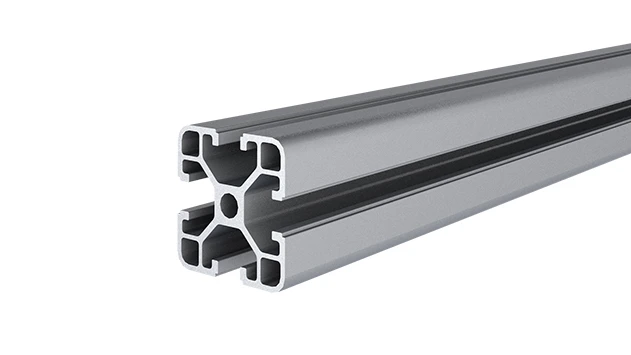
4040B is a 4.00x4.00 CM fractional 40 series square extrusion T-slot profile with four open T-slots, each side with 4.00cm face. The profile has align-a-grooves to assist in aligning connecting profiles.
In the fast-paced world of manufacturing, where every second and every resource counts, the quest for efficiency isn't just about speed—it's about smart, sustainable choices. Lean manufacturing has long been the gold standard for trimming waste, optimizing workflows, and boosting productivity, but even the best lean strategies can stumble if the materials behind them aren't up to the task. That's where the 4040B EU Standard Aluminum Profile comes in. More than just a piece of metal, it's a quiet revolution in how we build, adapt, and sustain manufacturing systems. Let's dive into why this unassuming profile is becoming a cornerstone for factories aiming to balance productivity with planet-friendly practices.
Lean Manufacturing: Beyond the Buzzword
Before we get into the specifics of 4040B, let's ground ourselves in what lean manufacturing really means. At its core, lean is about one thing: eliminating waste. Not just the obvious scraps on the factory floor, but the hidden stuff too—like time wasted on reconfiguring rigid workstations, money spent on replacing worn-out equipment, or energy used to produce single-use materials. Lean systems thrive on flexibility, durability, and the ability to evolve with changing needs. And here's the thing: the materials you use to build those systems? They make or break your lean goals.
Traditional manufacturing setups often rely on fixed, heavy materials like welded steel or particleboard. They're strong, sure, but once they're built, they're stuck. Need to resize a workbench? You'll probably end up cutting it apart and buying new materials. Want to repurpose a flow rack for a new product line? Good luck—those wooden shelves or steel frames weren't designed to adapt. That's where waste creeps in: wasted materials, wasted labor, and wasted potential. Enter 4040B aluminum profiles—a material that's built for the way lean systems actually work.
What Exactly Is 4040B EU Standard Aluminum Profile?
Let's start with the basics. The "4040B" in its name refers to its dimensions: 40mm by 40mm, a versatile size that's big enough to support heavy loads but compact enough for tight spaces. The "EU Standard" part? That's your guarantee of quality. EU standards for aluminum profiles are strict, covering everything from material purity to structural integrity, ensuring the profile can handle the rigors of daily manufacturing without compromising safety or performance.
But what really sets it apart is how it's made. 4040B is an aluminum extrusion profile, which means it's created by pushing molten aluminum through a custom die. This process results in a profile with consistent thickness, smooth edges, and integrated T-slots—those handy grooves running along the length that let you attach accessories without drilling or welding. Think of it as a building block with built-in flexibility: no matter what you need to create, the T-slots make it easy to add shelves, brackets, or wheels later.
And it's not just a single product. The 4040B system includes a whole ecosystem of aluminum profile accessories—connectors, end caps, hinges, and more—that turn basic profiles into fully functional workstations, racks, and conveyors. This ecosystem is key to its appeal: you're not buying a static tool; you're investing in a system that grows with you.

Sustainability: Doing More with Less (and Doing It Greener)
Sustainability in manufacturing isn't just a trend—it's a necessity. Consumers, regulators, and even bottom-line-focused executives are demanding systems that reduce environmental impact without sacrificing performance. 4040B checks both boxes, starting with its most impressive feature: aluminum itself.
Aluminum is one of the most recyclable materials on the planet. Unlike plastic or wood, which degrade when recycled, aluminum can be melted down and reused infinitely without losing quality. In fact, recycling aluminum uses just 5% of the energy needed to produce new aluminum from raw ore. That's a massive reduction in carbon footprint right there. For factories aiming to cut their emissions, switching to aluminum profiles is a tangible step forward.
But sustainability isn't just about recycling—it's about reducing waste in the first place. 4040B's extrusion process is inherently efficient. The die-cutting method minimizes material scrap, and because the profiles are standardized, there's less waste from custom cutting or fitting. Compare that to steel, which often requires welding (creating fumes and waste) or wood, which can warp, splinter, or rot over time, leading to frequent replacements. With 4040B, you're not just using less material upfront—you're using it for longer, too.
EU standards also play a role here. To meet EU certification, 4040B manufacturers must adhere to strict environmental guidelines, from reducing water usage in production to limiting harmful emissions. This means when you choose 4040B, you're not just getting a quality product—you're supporting a supply chain that prioritizes the planet.
Reusability: The Secret to Lean Longevity
If sustainability is about reducing environmental impact, reusability is about making every dollar (and every resource) count. Lean manufacturing teaches us that the most valuable systems are those that adapt—because production lines change, product sizes shift, and new technologies emerge. 4040B's reusability is where it truly shines, turning "one-and-done" setups into lifelong assets.
Let's start with assembly. Unlike welded steel frames or glued wooden structures, 4040B profiles are built with modularity in mind. Using aluminum profile accessories like 90° connectors, T-joints, or end caps, you can assemble a workbench, flow rack, or trolley in hours—no specialized tools, no messy adhesives, no irreversible welds. And when your needs change? Disassemble it just as easily. That workbench you built for small parts last year? Take it apart, swap out a few accessories, and suddenly it's a flow rack for larger components. The profiles themselves stay intact, ready to be repurposed again and again.
Durability plays into reusability too. Aluminum is naturally resistant to rust and corrosion, even in humid or dusty factory environments. Unlike steel, it won't degrade over time, and unlike wood, it won't warp or attract pests. This means a 4040B profile you buy today could still be in use a decade from now, moving from workstation to material rack to assembly line as your needs evolve. That's a far cry from disposable setups that end up in landfills after a few years.
Consider a real-world example: a electronics manufacturer that needs to scale up production. With traditional steel workbenches, they'd have to buy new ones or hire welders to modify existing frames—costly and time-consuming. With 4040B, they can reconfigure their current workbenches by adding extra shelves (using T-slot brackets) or extending the length (by connecting more profiles). When the product line shifts six months later, they disassemble the extended setup and reuse the profiles for a new testing station. No waste, no extra cost—just adaptability.
How 4040B Stacks Up: A Material Comparison
| Feature | Traditional Steel | Wooden Frames | 4040B Aluminum Profile |
|---|---|---|---|
| Sustainability | Recyclable but high energy use for production; welding creates fumes. | Renewable but requires deforestation; prone to decay (short lifespan). | 100% recyclable; 95% less energy to recycle vs. produce new; low-waste extrusion process. |
| Reusability | Welded joints make disassembly difficult; often cut/discarded when reconfiguring. | Glued/nailed structures break easily when disassembled; limited repurposing. | Modular design with aluminum profile accessories; fully reusable after disassembly. |
| Durability | Strong but prone to rust without coating; heavy (hard to move). | Prone to warping, rotting, and splintering; not ideal for heavy loads. | Rust/corrosion-resistant; lightweight yet strong; withstands heavy daily use. |
| Cost Over Time | Low upfront cost but high replacement/maintenance costs. | Low upfront cost but frequent replacements needed. | Higher upfront cost but minimal replacement; long-term savings via reusability. |
Real-World Applications: From Workbench to Flow Rack
Theory is great, but let's talk about how 4040B actually works on the factory floor. Two common applications—workbenches and flow racks—showcase its versatility and how it supports lean principles.
Workbenches: The Heart of the Production Line
A workbench isn't just a table—it's where operators spend hours assembling, testing, or packaging products. It needs to be sturdy, adjustable, and comfortable. 4040B excels here. Using basic aluminum profiles and accessories like leveling feet, shelf brackets, and even ESD (electrostatic discharge) panels for sensitive electronics, you can build a workbench tailored to your team's needs. Need a higher surface for taller operators? Swap out the leg profiles for longer ones. Adding a tool rack? Attach it directly to the T-slots. And when the production line moves to a new location? Disassemble, move, and reassemble in minutes. No more buying new workbenches every time your layout changes—that's lean in action.
Flow Racks: Keeping Materials Moving
Flow racks are the backbone of efficient material handling, ensuring parts move smoothly from storage to assembly. 4040B profiles, paired with roller tracks and aluminum profile accessories, make building and reconfiguring flow racks a breeze. Want to adjust the angle of the rollers for faster/slower material flow? Loosen a few connectors and tilt the rack. Need to add more levels for new product lines? Connect extra profiles to the frame. And if you switch to larger parts next quarter? Swap out the roller tracks for wider ones—no need to replace the entire rack. This adaptability means your flow rack grows with your production, reducing waste and keeping workflows efficient.
Why 4040B Is a Lean Manufacturer's Best Friend
At the end of the day, lean manufacturing is about results—fewer defects, faster production, lower costs, and a happier team. 4040B supports all these goals by aligning material choice with lean values. Here's how:
- Less Waste: From minimal scrap during production to reusability that reduces replacements, 4040B cuts down on material waste. No more throwing away warped wood or cut-up steel—every profile gets a second (and third, and fourth) life.
- Faster Setup: Modular assembly means new workstations or racks are up and running in hours, not days. This agility lets you respond quickly to production changes, keeping downtime to a minimum.
- Lower Costs: While 4040B has a higher upfront cost than wood or basic steel, its longevity and reusability mean lower total cost of ownership. Over time, you'll spend less on replacements, maintenance, and labor for reconfigurations.
- Happier Teams: A flexible workspace adapts to how people work, not the other way around. Adjustable workbenches, easy-to-move trolleys, and customizable flow racks make operators' jobs easier—reducing fatigue and boosting morale.
The Bottom Line: Sustainability, Reusability, and Lean Success
In a world where manufacturing is under pressure to be both efficient and responsible, the 4040B EU Standard Aluminum Profile stands out as a material that delivers on both fronts. Its sustainability—through recyclability, energy efficiency, and eco-friendly production—aligns with global efforts to reduce carbon footprints. Its reusability—via modular design and aluminum profile accessories—turns static setups into adaptable assets that grow with your business. And together, these features make it a powerful tool for lean manufacturing, helping factories eliminate waste, cut costs, and build systems that stand the test of time.
So, if you're looking to take your lean system to the next level, don't overlook the materials that build it. 4040B isn't just a profile—it's a partner in sustainability, a champion of reusability, and a foundation for lean success. After all, in lean manufacturing, the best systems aren't just built to work—they're built to evolve.