- Company Articles
- Industry articles
- Industry News
- Aluminum Foot Base Environmental Impact: A Greener Choice for Factories

Aluminum Foot Base Environmental Impact: A Greener Choice for Factories
Related Product
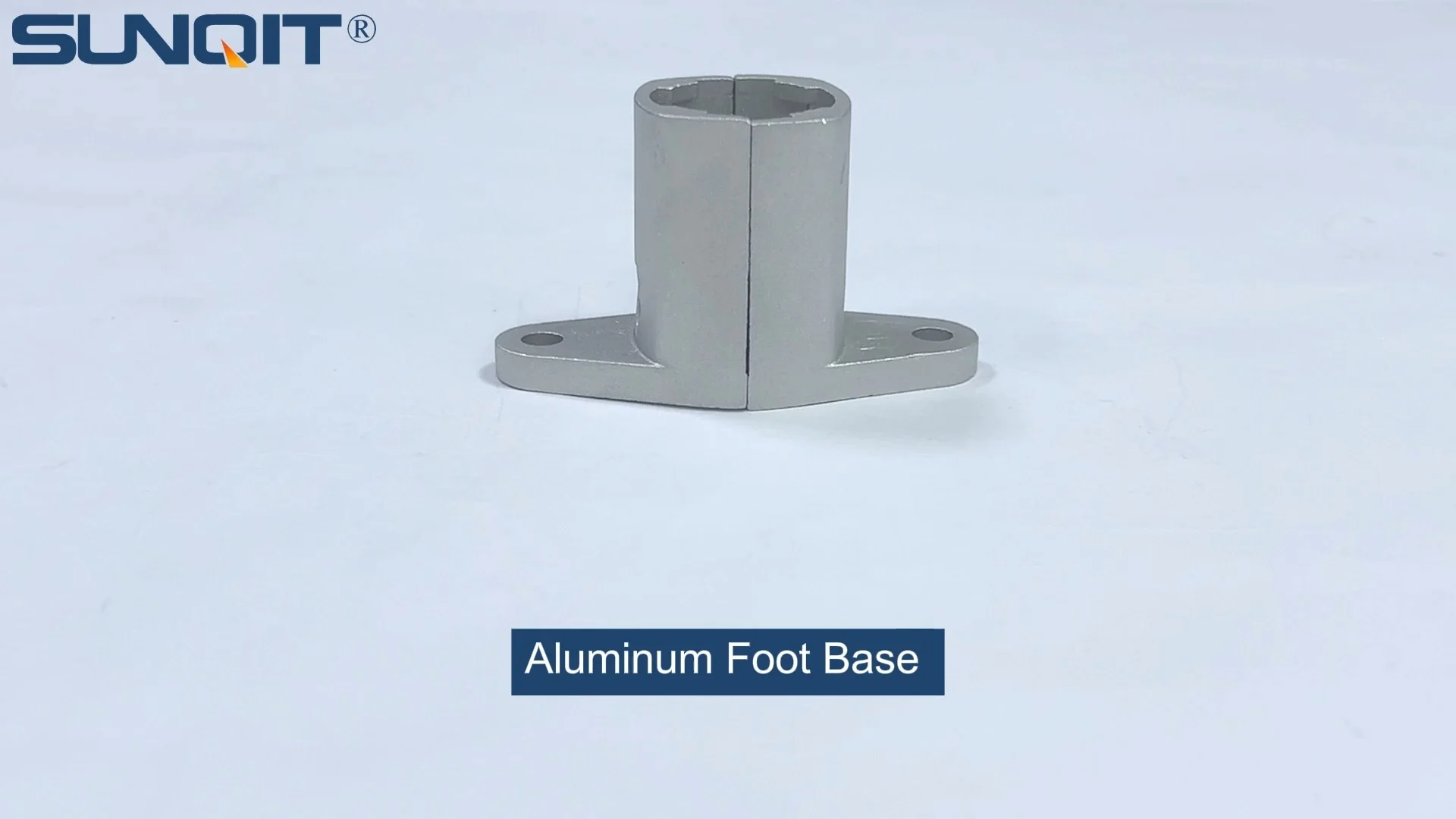
Aluminum Foot Base
Aluminum foot base to connect 28mm aluminum pipe and fixed it on the ground and prevent pipe fall and move.
In today's manufacturing landscape, the push for sustainability isn't just a trend—it's a necessity. Factories worldwide are reevaluating every aspect of their operations, from energy use to waste management, in a bid to reduce their environmental footprint. While large-scale changes like solar panels or electric machinery often grab headlines, it's the smaller, often overlooked components that can collectively drive meaningful change. One such component? The humble aluminum foot base. Though unassuming, this essential part of factory setups—supporting workbenches, material racks, and lean systems—packs a powerful environmental punch. Let's dive into why aluminum foot bases are emerging as a cornerstone of greener manufacturing, and how they align with the goals of modern, eco-conscious factories.
Why Aluminum? The Unsung Hero of Sustainable Manufacturing
Before we zoom in on foot bases specifically, it's worth understanding why aluminum has become a darling of sustainable manufacturing. Unlike steel, which is energy-intensive to produce, or plastic, which lingers in landfills for centuries, aluminum brings a unique set of advantages to the table. For starters, it's infinitely recyclable —meaning it can be melted down and repurposed repeatedly without losing quality. This isn't just a marketing talking point: the Aluminum Association reports that nearly 75% of all aluminum ever produced is still in use today. Compare that to plastic, which has a recycling rate of less than 10%, or steel, which degrades slightly with each recycling cycle, and aluminum's superiority becomes clear.
Then there's its production efficiency, especially when recycled. Creating aluminum from raw bauxite ore requires a staggering amount of energy—around 13 kilowatt-hours per kilogram. But recycling aluminum? That number plummets to just 0.2 kilowatt-hours per kilogram, a 98% reduction. For factories looking to cut their carbon emissions, this is a game-changer. Add in aluminum's natural strength-to-weight ratio—lighter than steel but just as durable—and it's easy to see why manufacturers are making the switch.
Central to aluminum's versatility is the aluminum extrusion profile process. By heating aluminum billets and forcing them through custom dies, manufacturers can create complex, precise shapes—from thin rods to intricate frames—with minimal waste. This process not only allows for the creation of specialized components like aluminum foot bases but also ensures that every inch of material is used efficiently, reducing scrap and boosting sustainability.
Aluminum Foot Base: Small Component, Big Impact
So, what exactly is an aluminum foot base, and why does it matter? At its core, an aluminum foot base is a stabilizing component used to support everything from workbenches and material racks to conveyor systems and assembly lines. Think of it as the "feet" of a factory's furniture—quietly holding up critical equipment while absorbing vibrations, leveling surfaces, and ensuring safety. But unlike traditional foot bases made of steel or plastic, aluminum foot bases bring sustainability to this foundational role.
Take, for example, a workbench in an electronics assembly plant. The foot base keeps the workbench steady, preventing jostling that could damage delicate components. A steel foot base would do the job, but it adds unnecessary weight, making the workbench harder to move or reconfigure. A plastic foot base might be lighter, but it could crack under heavy loads or degrade when exposed to chemicals. An aluminum foot base, however, offers the best of both worlds: lightweight enough to make reconfiguration a breeze, strong enough to support heavy machinery, and resistant to corrosion and wear.
But the real environmental magic lies in its lifecycle. When a factory upgrades its workbenches or retires old equipment, the aluminum foot base doesn't end up in a landfill. Instead, it can be collected, melted down, and turned into a new foot base, a section of aluminum profile, or even part of a bicycle frame. This closed-loop system is exactly what circular economy advocates dream of—and it's made possible by aluminum's unique properties.

Breaking Down the Environmental Benefits
To truly appreciate the impact of aluminum foot bases, let's break down their environmental benefits into tangible, factory-relevant terms:
1. Reduced Carbon Footprint Through Recyclability
As mentioned earlier, aluminum's recyclability is its superpower. For a factory that uses 1,000 aluminum foot bases annually, switching from steel to aluminum could mean saving hundreds of metric tons of CO2 over a decade. Consider this: if each foot base weighs 2 kg, recycling those 1,000 foot bases at the end of their lifespan would save 1,000 * 2 kg * (13 kWh/kg - 0.2 kWh/kg) = 25,600 kWh of energy. That's enough to power a small factory for nearly a month. Multiply that across an entire facility—from foot bases to conveyor rails to aluminum profile frames—and the savings add up quickly.
2. Durability That Reduces Waste
Aluminum foot bases aren't just recyclable—they're built to last. Unlike plastic foot bases, which can become brittle over time, or steel ones that rust, aluminum resists corrosion and wear, even in harsh factory environments. A typical aluminum foot base can last 15–20 years, compared to 5–10 years for plastic or 10–15 years for steel. This longevity means fewer replacements, less frequent manufacturing of new components, and ultimately, less waste. For factories operating on lean principles—where efficiency and waste reduction are paramount—this durability is a perfect fit.
3. Lightweight Design Cuts Transportation Emissions
Aluminum is 30% lighter than steel, and that lightness translates to lower transportation costs and emissions. When a supplier ships aluminum foot bases to a factory, fewer trucks are needed, and each truck uses less fuel. For a factory that sources components from overseas, this can significantly reduce the carbon "distance" of their supply chain. Once on-site, lightweight foot bases also make it easier for workers to move and reconfigure equipment—supporting agile manufacturing practices without the need for heavy machinery or additional labor.
4. Compatibility with Lean Systems
Modern factories thrive on lean systems —processes designed to minimize waste, maximize efficiency, and adapt quickly to change. Aluminum foot bases align seamlessly with this philosophy. Their modular design means they can be easily adjusted or swapped out as production needs shift, eliminating the waste of building custom, one-off solutions. For example, a factory adding a new assembly line can reuse existing aluminum foot bases from a retired line, simply cutting them to size or repainting them. This flexibility reduces the need for new purchases and keeps materials in use longer—core tenets of lean and circular manufacturing.

How Aluminum Foot Bases Stack Up: A Material Comparison
To put aluminum's benefits into perspective, let's compare it directly to the two most common alternatives for foot bases: steel and plastic. The table below breaks down key environmental and practical factors:
| Material | Recyclability Rate | Production Energy Use (kWh/kg) | Typical Lifespan (Years) | Weight (kg per 1m Foot Base) | Environmental Impact |
|---|---|---|---|---|---|
| Aluminum | 95%+ (recyclable indefinitely) | 0.2 (recycled); 13 (virgin) | 15–20 | 1.2–1.5 | Low |
| Steel | 70% (degrades with recycling) | 3.2 (recycled); 15 (virgin) | 10–15 | 3.5–4.0 | Medium |
| Plastic (PVC/ABS) | 5–10% (downcycled, not recycled) | 6–8 (virgin; minimal recycling) | 5–8 | 0.8–1.0 | High |
The data speaks for itself: aluminum outperforms steel and plastic in nearly every category that matters for sustainability. Its recyclability rate is unmatched, its energy use (when recycled) is a fraction of the competition, and its lifespan ensures long-term value. While plastic is lighter, its poor recyclability and short lifespan make it a poor choice for eco-conscious factories. Steel, though durable, is heavy and energy-intensive to produce and recycle.

Real-World Impact: A Factory's Journey to Aluminum Foot Bases
To see how aluminum foot bases work in practice, let's look at a hypothetical but realistic example: a mid-sized automotive parts manufacturer in Ohio. Three years ago, the factory was using steel foot bases on all its workbenches and material racks. The steel was durable, but it made reconfiguring workstations difficult—each bench weighed over 200 kg, requiring forklifts to move. The factory's sustainability team also noted that when old equipment was retired, the steel foot bases often ended up in scrap yards, with only a portion being recycled.
In 2022, the factory decided to transition to aluminum foot bases. They started with a pilot line: 10 workbenches and 5 material racks. The results were immediate. The new aluminum foot bases cut the weight of each workbench by 40%, making it easy for two workers to reposition them by hand. This reduced downtime during line reconfigurations from 8 hours to 2 hours. Shipping costs for the new foot bases dropped by 35% due to lighter weight, and the supplier—who used 100% recycled aluminum—provided carbon footprint certificates showing a 90% reduction in emissions compared to the steel versions.
Today, the factory has fully transitioned to aluminum foot bases across all its lines. They estimate annual energy savings of 12,000 kWh from reduced transportation and reconfiguration costs, and they've set up a recycling program with their supplier to ensure old foot bases are melted down and reused. "It's the little changes that add up," says the factory manager. "We didn't think foot bases would make such a difference, but they've become a cornerstone of our sustainability efforts."
Looking Ahead: The Future of Aluminum in Manufacturing
As factories continue to prioritize sustainability, aluminum foot bases are poised to become even more integral. Innovations in aluminum alloys are making the material stronger and lighter, while advances in recycling technology are driving down the energy cost of production further. Some suppliers are now offering "closed-loop" programs, where they take back old aluminum components, recycle them, and use the recycled material to make new foot bases—creating a truly circular system.
Another trend is the integration of aluminum foot bases with smart factory technology. For example, foot bases with built-in sensors can monitor vibration, weight distribution, and wear, alerting maintenance teams before issues arise. This predictive maintenance extends the lifespan of equipment even further, reducing waste. Additionally, aluminum's compatibility with 3D printing is opening up new design possibilities—custom foot bases tailored to specific equipment, with minimal material waste.
Perhaps most exciting is the growing focus on "green aluminum"—aluminum produced using renewable energy. Companies like Hydro and Alcoa are investing in solar- and wind-powered smelters, further reducing the carbon footprint of aluminum production. For factories aiming for net-zero emissions, this could make aluminum foot bases not just a sustainable choice, but a carbon-neutral one.
Conclusion: Small Components, Big Change
In the grand scheme of manufacturing, aluminum foot bases might seem like a small detail. But as we've explored, their impact is anything but minor. From reducing carbon emissions through recyclability and energy efficiency to supporting lean systems and agile manufacturing, these unassuming components are helping factories build a greener, more sustainable future.
For factory managers and sustainability officers, the message is clear: every choice matters. Whether you're upgrading a single workbench or overhauling an entire production line, consider the environmental footprint of even the smallest components. Aluminum foot bases prove that sustainability doesn't have to mean sacrificing performance—in fact, it often enhances it.
As the manufacturing industry continues to evolve, one thing is certain: aluminum will play a starring role. And at the heart of that role? Components like the aluminum foot base—quiet, reliable, and ready to support a more sustainable world, one step at a time.