- Company Articles
- Industry articles
- Industry standards
- Aluminum Foot Base in Medical Warehousing: Hygiene & Compliance Standards

Aluminum Foot Base in Medical Warehousing: Hygiene & Compliance Standards
Related Product
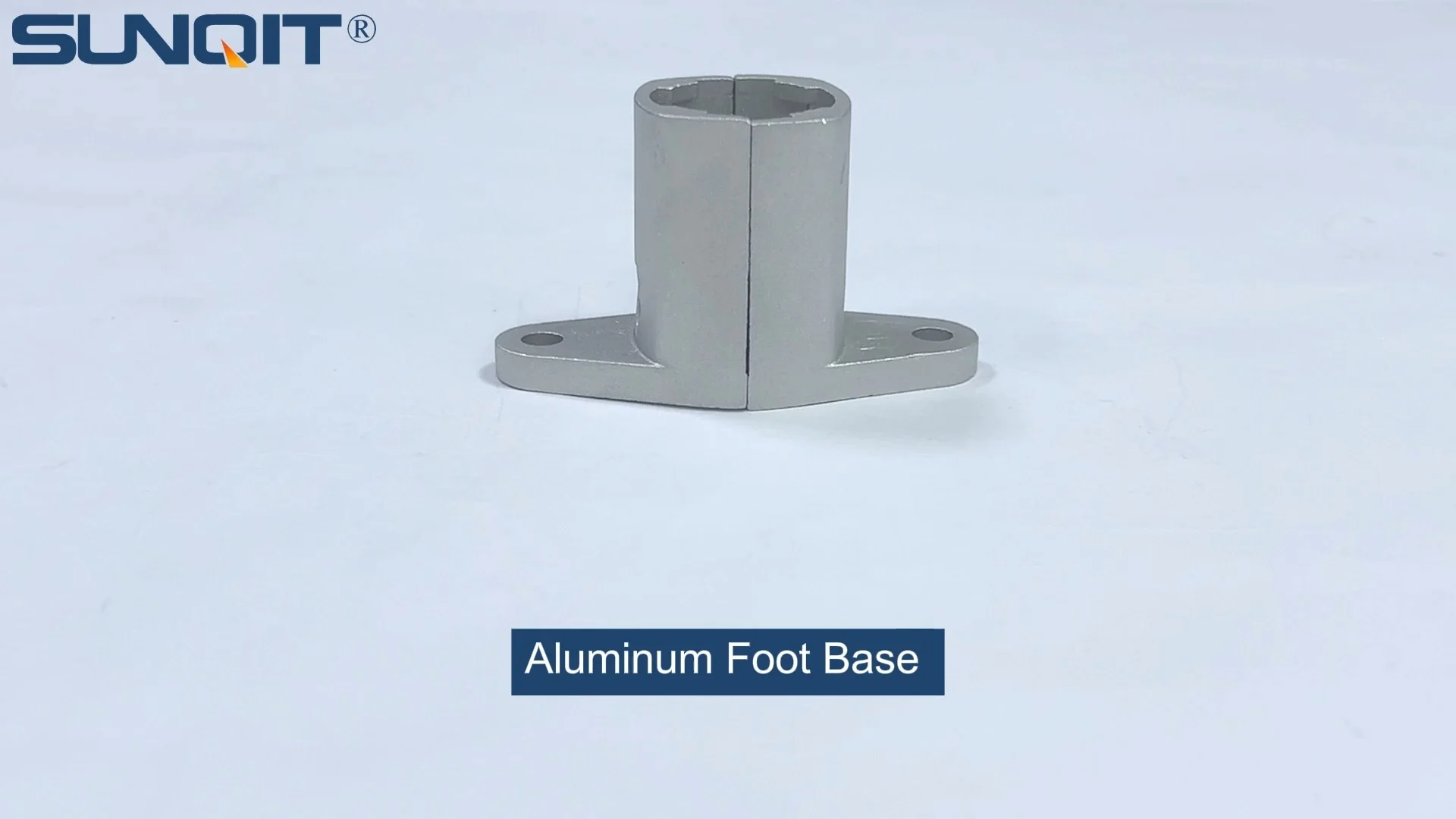
Aluminum Foot Base
Aluminum foot base to connect 28mm aluminum pipe and fixed it on the ground and prevent pipe fall and move.
In the high-stakes world of medical warehousing, where the storage of pharmaceuticals, surgical instruments, and sensitive medical devices demands uncompromising precision, every detail of the infrastructure matters. From temperature-controlled zones to air filtration systems, each component is designed to mitigate contamination risks and uphold strict regulatory standards. Yet, one often-overlooked element plays a quietly critical role: the foot base of workbenches, material racks, and turnover trolleys. Among the materials available for this purpose, aluminum foot bases have emerged as a standout choice, blending hygiene, durability, and compliance in ways that few alternatives can match. This article explores why aluminum foot bases have become indispensable in medical warehousing, how they support rigorous hygiene protocols, and their alignment with global compliance standards.
The Critical Role of Infrastructure in Medical Warehousing
Medical warehousing is not just about storing products—it's about preserving their integrity. Pharmaceuticals, for example, can degrade if exposed to moisture or particulate matter, while surgical tools must remain sterile to prevent post-operative infections. Even minor lapses in infrastructure can lead to costly product recalls, regulatory penalties, or, worse, harm to patients. This is why every surface, joint, and component of storage and work equipment is scrutinized for its potential to harbor bacteria, accumulate dust, or corrode when exposed to harsh cleaning agents.
Workbenches where medical devices are assembled, material racks that hold inventory, and turnover trolleys that transport goods between zones are all foundational to daily operations. Their bases, in particular, are critical. A poorly designed foot base might trap dirt in crevices, rust when cleaned with disinfectants, or fail to stabilize equipment—creating wobbling surfaces that risk product damage. In contrast, a well-engineered foot base acts as a first line of defense against contamination, ensuring that equipment remains stable, clean, and compliant.
Aluminum Foot Base: A Hygienic Foundation for Medical Storage
Material Science: Why Aluminum Stands Apart
Aluminum's rise in medical warehousing is no accident—it's rooted in the material's inherent properties. Unlike wood, which is porous and prone to harboring bacteria, or carbon steel, which rusts when exposed to moisture and chemicals, aluminum offers a unique combination of strength, lightness, and natural resistance to corrosion. Its non-porous surface leaves no room for bacteria to hide, and its smooth finish prevents dust and debris from accumulating. These traits make it ideal for environments where cleanliness is non-negotiable.
Another key advantage is aluminum's compatibility with medical-grade cleaning agents. From alcohol-based disinfectants to hydrogen peroxide solutions, aluminum withstands frequent exposure without degrading, chipping, or leaching harmful substances. This is critical in medical warehouses, where daily cleaning routines are mandatory to meet regulatory standards. A material that breaks down under such conditions would quickly become a liability, but aluminum's resilience ensures long-term performance.
Hygiene by Design: Features That Reduce Contamination Risks
Beyond its inherent properties, aluminum foot bases are engineered with hygiene in mind. Many models feature seamless construction, eliminating joints or crevices where dirt might accumulate. For example, "internal straight aluminum joint" designs (a common accessory in aluminum profile systems) create smooth connections between pipes and bases, leaving no gaps for bacteria to colonize. This is a stark contrast to traditional steel bases with welded joints, which often have rough edges or tiny spaces that are difficult to clean thoroughly.
Adjustable leveling feet, a common accessory paired with aluminum foot bases, further enhance hygiene. In warehouses with uneven floors, these feet allow operators to stabilize workbenches and racks, preventing wobbling that could dislodge dust or cause spills. Moreover, many leveling feet are designed with non-slip, easy-to-wipe surfaces—such as "suction cup anti-slip foot adjuster" models—that resist bacterial growth and simplify cleaning. When combined with aluminum's natural properties, these design features create a foot base that actively supports, rather than hinders, hygiene protocols.

Compliance Standards: How Aluminum Foot Bases Meet Global Requirements
Medical warehousing operates under a web of regulations designed to protect patient safety. In the United States, the FDA's Current Good Manufacturing Practices (cGMP) set strict guidelines for facility design and equipment maintenance. Internationally, ISO 13485 specifies quality management systems for medical device manufacturers, while the EU's Medical Device Regulation (MDR) mandates rigorous testing for materials used in healthcare settings. Aluminum foot bases are uniquely positioned to meet these standards, thanks to their material certifications and design flexibility.
FDA and cGMP Compliance
The FDA's cGMP regulations require that all equipment in medical facilities be "suitable for its intended use" and "designed to facilitate cleaning, maintenance, and sanitization." Aluminum foot bases meet this requirement on multiple fronts. First, their non-reactive nature ensures they do not interact with pharmaceuticals or medical devices, preventing contamination. Second, their smooth, non-porous surfaces are easy to sanitize, as mandated by cGMP's cleaning protocols. Manufacturers of aluminum foot bases often provide material safety data sheets (MSDS) confirming compliance with FDA standards for food contact (a strict benchmark even for medical applications), giving warehouse operators peace of mind.
ISO 13485 and Material Traceability
ISO 13485 places a strong emphasis on traceability, requiring that all components of medical equipment can be tracked from raw material to final product. Aluminum foot base suppliers, particularly those specializing in "aluminum profile accessories," often maintain detailed records of their manufacturing processes, including the source of raw aluminum and quality control checks. This traceability is critical during audits, where regulators may request documentation to verify that materials meet safety standards. Stainless steel pipe series, while also compliant, sometimes lag in this area due to more complex supply chains, making aluminum a more straightforward choice for ISO 13485-certified facilities.

Aluminum vs. Stainless Steel: A Comparison for Medical Warehousing
Stainless steel is often cited as a competitor to aluminum in hygiene-critical environments, and for good reason—it is also corrosion-resistant and easy to clean. However, when evaluated through the lens of medical warehousing, aluminum foot bases offer distinct advantages. The table below compares key factors:
| Factor | Aluminum Foot Base | Stainless Steel Pipe Series |
|---|---|---|
| Weight | Lighter (30-50% less than stainless steel), making equipment easier to reposition—supporting lean system principles of flexible workflow design. | Heavier, which can hinder reconfiguration and increase labor costs during cleaning or layout changes. |
| Corrosion Resistance | Highly resistant to most cleaning agents; forms a protective oxide layer that self-heals minor scratches. | Also corrosion-resistant but may show pitting in prolonged exposure to chloride-based disinfectants. |
| Cost-Effectiveness | Lower upfront cost and reduced shipping/installation expenses due to lighter weight. | Higher initial cost, with additional expenses for handling heavy components. |
| Hygiene Features | Seamless designs and compatible with "internal straight aluminum joint" accessories to eliminate crevices. | Often requires welding, which can create rough edges if not finished properly. |
| Compliance Support | Widely certified for medical use; easy to source traceable, ISO-compliant components. | Cerified but may have more complex supply chains, complicating traceability. |
For medical warehouses prioritizing flexibility, cost, and ease of maintenance, aluminum foot bases often emerge as the superior choice. While stainless steel remains a viable option for extremely high-heat or chemical-intensive environments, aluminum's balance of properties aligns better with the day-to-day demands of medical storage.

Applications in Medical Warehousing: From Workbenches to Material Racks
Aluminum foot bases are versatile, supporting a range of equipment critical to medical warehousing. Below are some key applications where they shine:
Workbenches: Stability and Sterility for Precision Tasks
Workbenches are the heart of medical device assembly and inspection areas. A "workbench e (single deck-without caster)" model, for instance, relies on a sturdy foot base to keep surfaces level and stable during delicate tasks like packaging syringes or assembling surgical tools. Aluminum foot bases provide this stability while ensuring the bench remains easy to clean. Their lightweight nature also makes it simple to relocate benches when workflows change—an essential feature for facilities aiming to optimize space (another core principle of lean system management).
Material Racks: Organized Storage with Minimal Contamination Risk
Material racks, such as "material rack b (3 row and 3 floor)" designs, store everything from bulk pharmaceuticals to sterile gloves. Their foot bases must support heavy loads while resisting corrosion from frequent cleaning. Aluminum foot bases excel here, offering the strength to bear weight without the risk of rust. Additionally, their compatibility with "aluminum profile accessories" like side guards allows for customized rack designs that prevent items from falling and reduce dust accumulation.
Turnover Trolleys: Mobility Without Compromising Hygiene
Turnover trolleys transport goods between storage areas, packing stations, and shipping zones. Their foot bases (often paired with casters) must withstand constant movement and cleaning. Aluminum foot bases are ideal for this, as their light weight reduces strain on casters, extending their lifespan. Models with "parallel fixation aluminum pipe joint" designs ensure that the base remains rigid, even when the trolley is loaded with heavy items, preventing sway that could cause spills or damage.
Enhancing Performance: Aluminum Profile Accessories for Foot Bases
Aluminum foot bases rarely work alone—they are part of a larger ecosystem of accessories that enhance their functionality. These accessories, many of which are designed specifically for medical environments, further reduce contamination risks and improve compliance.
One essential accessory is the "aluminum foot base" itself, which serves as the anchor point for equipment. When paired with "adjustable leveling feet," operators can fine-tune height to ensure stability on uneven floors—a critical feature in older warehouses or facilities with minor structural imperfections. For added safety, "suction cup anti-slip foot adjuster" models grip floors securely, preventing accidental movement of workbenches or racks during use.
Another key accessory is the "internal straight aluminum joint," which connects foot bases to pipes or frames without external hardware. This creates a smooth, seamless surface that is easy to wipe down and leaves no gaps for bacteria. In contrast, traditional steel joints with exposed bolts can trap dirt and require frequent disassembly for deep cleaning—adding time to maintenance routines and increasing the risk of missed contamination points.
Real-World Impact: Case Studies in Compliance and Hygiene
To understand the practical benefits of aluminum foot bases, consider the experience of a mid-sized pharmaceutical warehouse in Europe. Prior to upgrading to aluminum, the facility used steel foot bases on its workbenches and racks. Over time, these bases began to rust at the joints, despite regular cleaning. Auditors flagged this as a compliance risk, noting that rust particles could contaminate products. The warehouse faced the choice of replacing the steel bases with stainless steel (a costly option) or aluminum.
Opting for aluminum foot bases paired with "aluminum profile accessories," the facility saw immediate improvements. Cleaning time was reduced by 20% due to the smooth, non-porous surfaces, and rust-related issues disappeared entirely. During the next FDA inspection, auditors praised the warehouse's "exemplary attention to infrastructure hygiene," noting that the aluminum bases were "a model for compliance." The facility also reported lower maintenance costs, as the aluminum bases required no repainting or repairs—unlike the steel predecessors.
Another example comes from a medical device manufacturer in Asia, which adopted aluminum foot bases for its assembly workbenches. The switch aligned with the company's lean system goals, as the lighter bases made it easier to reconfigure workstations to accommodate new product lines. Additionally, the compatibility with "aluminum honeycomb panel" work surfaces (which are lightweight and easy to sanitize) created a fully integrated, compliance-ready workspace. Within six months, the manufacturer saw a 15% reduction in contamination-related product defects.
Conclusion: Investing in Aluminum Foot Bases for Future-Proof Medical Warehousing
In medical warehousing, where the cost of non-compliance is measured in patient safety and regulatory penalties, the choice of infrastructure is never trivial. Aluminum foot bases have proven themselves as a reliable, hygienic, and cost-effective solution, supporting everything from workbenches to material racks with ease. Their natural resistance to corrosion, compatibility with medical-grade cleaning agents, and alignment with global standards like ISO 13485 and FDA cGMP make them a smart investment for facilities aiming to stay ahead of evolving compliance requirements.
As medical warehousing continues to grow more complex—with new products, stricter regulations, and the need for greater flexibility—aluminum foot bases will undoubtedly play an even larger role. By combining material science, thoughtful design, and a focus on hygiene, they provide the foundation for safer, more efficient operations. For warehouse managers and compliance officers alike, the message is clear: when it comes to infrastructure, aluminum foot bases are not just a choice—they're a commitment to excellence.