- Company Articles
- Industry articles
- Industry News
- Aluminum Foot Base Recycling: Sustainable Disposal Practices for Manufacturers

Aluminum Foot Base Recycling: Sustainable Disposal Practices for Manufacturers
Related Product
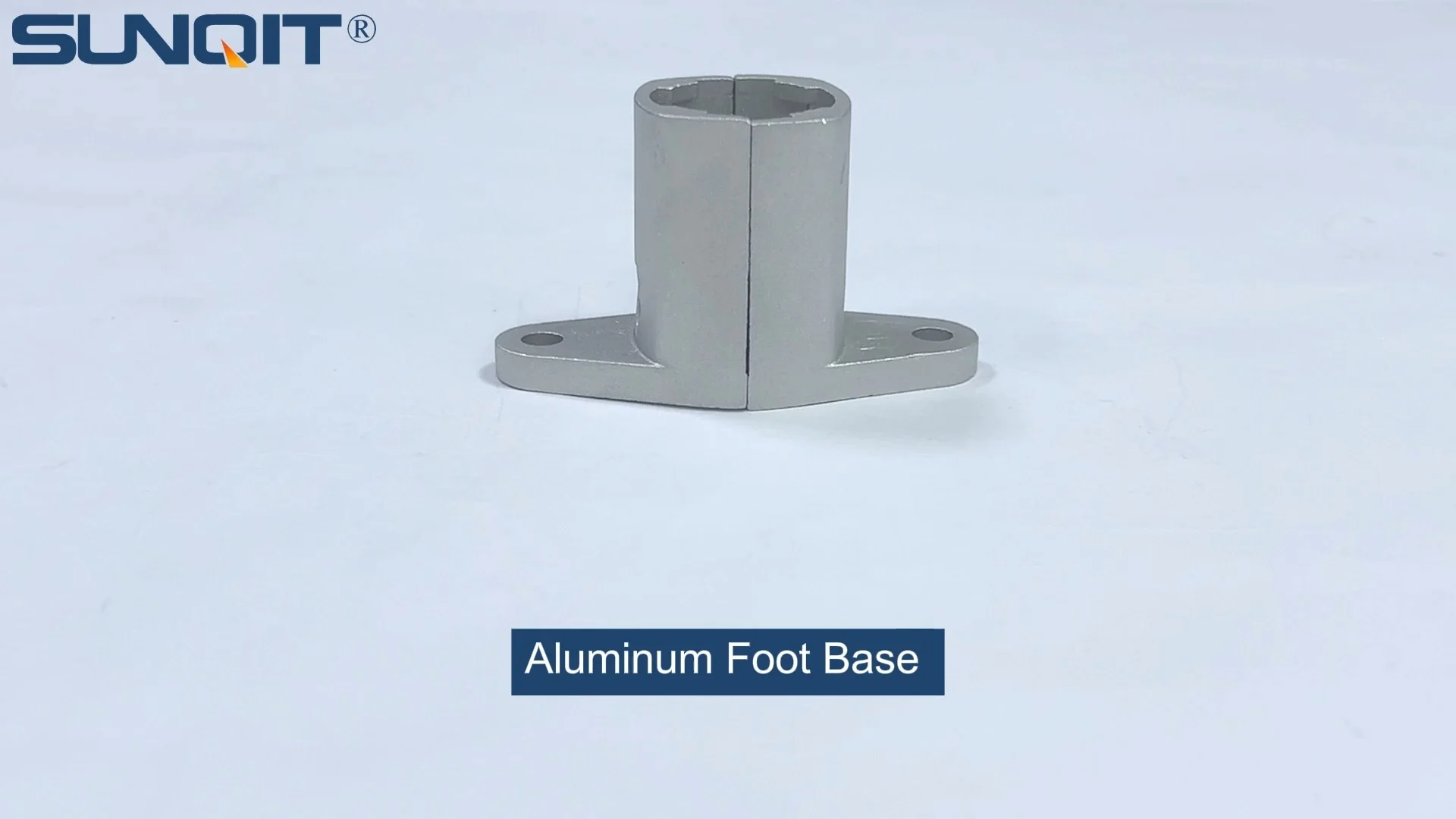
Aluminum Foot Base
Aluminum foot base to connect 28mm aluminum pipe and fixed it on the ground and prevent pipe fall and move.
Introduction: The Sustainability Imperative in Modern Manufacturing
In today's manufacturing landscape, sustainability isn't just a buzzword—it's a business imperative. As consumers, regulators, and investors increasingly demand eco-conscious practices, manufacturers are reevaluating every aspect of their operations, from production to disposal. One area often overlooked? The end-of-life management of essential components like the aluminum foot base. These unassuming parts, critical to lean systems and workplace efficiency, play a quiet yet vital role in assembly lines, workbenches, and material racks across industries. But when they reach the end of their usable life, their disposal can leave a significant environmental footprint—unless manufacturers prioritize recycling.
Aluminum foot bases, along with related components like aluminum profiles and aluminum extrusion profiles, are designed for durability. They withstand heavy loads, resist corrosion, and support the seamless flow of materials in lean manufacturing setups. Yet this longevity creates a paradox: while their strength reduces replacement needs, it also means they persist in landfills for decades if not properly recycled. The good news? Aluminum is one of the most recyclable materials on the planet, with a recycling rate far higher than many other metals. By adopting sustainable disposal practices for aluminum foot bases, manufacturers can turn a potential environmental liability into an opportunity to cut costs, conserve resources, and strengthen their green credentials.
This article dives into the why, how, and what of aluminum foot base recycling. We'll explore the role these components play in lean systems, the environmental and economic case for recycling, common challenges manufacturers face, and actionable practices to implement effective recycling programs. Whether you're a small-scale workshop or a large industrial facility, the insights here will help you align your disposal processes with both sustainability goals and bottom-line success.
Aluminum foot bases, along with related components like aluminum profiles and aluminum extrusion profiles, are designed for durability. They withstand heavy loads, resist corrosion, and support the seamless flow of materials in lean manufacturing setups. Yet this longevity creates a paradox: while their strength reduces replacement needs, it also means they persist in landfills for decades if not properly recycled. The good news? Aluminum is one of the most recyclable materials on the planet, with a recycling rate far higher than many other metals. By adopting sustainable disposal practices for aluminum foot bases, manufacturers can turn a potential environmental liability into an opportunity to cut costs, conserve resources, and strengthen their green credentials.
This article dives into the why, how, and what of aluminum foot base recycling. We'll explore the role these components play in lean systems, the environmental and economic case for recycling, common challenges manufacturers face, and actionable practices to implement effective recycling programs. Whether you're a small-scale workshop or a large industrial facility, the insights here will help you align your disposal processes with both sustainability goals and bottom-line success.
Understanding Aluminum Foot Bases: The Backbone of Lean Systems
Before delving into recycling, it's essential to understand what aluminum foot bases are and why they matter. At first glance, they might seem like simple parts—just sturdy bases that stabilize equipment—but their role in lean manufacturing is far more critical. Aluminum foot bases are foundational components in lean systems, providing structural support for everything from workbenches and material racks to turnover trolleys and conveyor systems. Think of them as the "feet" of your production floor: they keep workstations level, materials accessible, and workflows efficient.
Most aluminum foot bases are made from aluminum extrusion profiles—shapes created by forcing molten aluminum through a die, resulting in consistent, high-strength structures. These profiles are often paired with aluminum pipe accessories like joints, clamps, and brackets, allowing for modular assembly. This modularity is key to their popularity in lean systems: manufacturers can customize workbenches or racks by combining aluminum foot bases with other components, then reconfigure them as needs change. For example, a workbench E (single deck-without caster) might rely on aluminum foot bases for stability, while a material rack B (3 row and 3 floor) uses them to support multiple levels of inventory.
The choice of aluminum for these bases isn't arbitrary. Aluminum offers a unique blend of strength, lightness, and corrosion resistance, making it ideal for factory environments where durability and hygiene matter. Unlike steel, it doesn't rust, reducing maintenance costs. Unlike plastic, it can support heavy loads without warping. And because aluminum is malleable, foot bases can be designed in various shapes—from simple flat plates to adjustable models with suction cup antiskid foundations—to suit different applications.
But perhaps the most compelling feature of aluminum foot bases, from a sustainability perspective, is their recyclability. Aluminum retains its properties through multiple recycling cycles, meaning a foot base that's no longer needed can be melted down and turned into a new extrusion profile, a caster wheel, or even an aluminum honeycomb panel with minimal loss of quality. This circular potential sets aluminum apart from materials like certain plastics or composite metals, which degrade when recycled. Yet despite this potential, many manufacturers still treat aluminum foot bases as waste, sending them to landfills or incinerators when they're damaged, outdated, or no longer compatible with new equipment. That's a missed opportunity—both for the planet and for the bottom line.
Most aluminum foot bases are made from aluminum extrusion profiles—shapes created by forcing molten aluminum through a die, resulting in consistent, high-strength structures. These profiles are often paired with aluminum pipe accessories like joints, clamps, and brackets, allowing for modular assembly. This modularity is key to their popularity in lean systems: manufacturers can customize workbenches or racks by combining aluminum foot bases with other components, then reconfigure them as needs change. For example, a workbench E (single deck-without caster) might rely on aluminum foot bases for stability, while a material rack B (3 row and 3 floor) uses them to support multiple levels of inventory.
The choice of aluminum for these bases isn't arbitrary. Aluminum offers a unique blend of strength, lightness, and corrosion resistance, making it ideal for factory environments where durability and hygiene matter. Unlike steel, it doesn't rust, reducing maintenance costs. Unlike plastic, it can support heavy loads without warping. And because aluminum is malleable, foot bases can be designed in various shapes—from simple flat plates to adjustable models with suction cup antiskid foundations—to suit different applications.
But perhaps the most compelling feature of aluminum foot bases, from a sustainability perspective, is their recyclability. Aluminum retains its properties through multiple recycling cycles, meaning a foot base that's no longer needed can be melted down and turned into a new extrusion profile, a caster wheel, or even an aluminum honeycomb panel with minimal loss of quality. This circular potential sets aluminum apart from materials like certain plastics or composite metals, which degrade when recycled. Yet despite this potential, many manufacturers still treat aluminum foot bases as waste, sending them to landfills or incinerators when they're damaged, outdated, or no longer compatible with new equipment. That's a missed opportunity—both for the planet and for the bottom line.

The Case for Recycling: Why Aluminum Foot Bases Deserve a Second Life
To understand why recycling aluminum foot bases is a smart move, let's start with the numbers. Producing aluminum from raw bauxite ore is energy-intensive: it requires mining, refining, and smelting, a process that emits significant greenhouse gases and consumes vast amounts of electricity. In contrast, recycling aluminum uses just 5% of the energy needed to produce virgin aluminum. That's a 95% energy savings—equivalent to taking 40 cars off the road for a year for every ton of aluminum recycled. For manufacturers, this translates to lower carbon footprints and, increasingly, compliance with regulations like the EU's Carbon Border Adjustment Mechanism (CBAM) or California's SB 54, which penalize high-emission practices.
Beyond energy savings, recycling aluminum foot bases reduces reliance on finite resources. Bauxite mining, the primary source of aluminum, disrupts ecosystems, contributes to deforestation, and generates toxic waste. By recycling, manufacturers help conserve bauxite reserves and reduce the environmental impact of mining. Consider this: every ton of recycled aluminum saves 9 tons of bauxite. For a manufacturer using hundreds of aluminum foot bases annually, that adds up to significant resource conservation.
Economically, recycling often makes sense too. While there are costs associated with collecting and processing used foot bases, these are often offset by savings in waste disposal fees and potential revenue from selling scrap aluminum. In some regions, scrap aluminum prices are stable, creating a secondary income stream. For example, a lean system supplier might offer take-back programs for old components, including foot bases, then sell the scrap to recyclers. Even if a manufacturer doesn't sell the scrap directly, avoiding landfill fees— which can range from $50 to $150 per ton in the U.S.—can add up over time.
There's also the matter of corporate responsibility. Today's consumers and investors are increasingly prioritizing sustainability when choosing partners. A 2023 survey by Nielsen found that 78% of consumers prefer brands with eco-friendly practices, while 65% of institutional investors use environmental, social, and governance (ESG) criteria to evaluate companies. By recycling aluminum foot bases, manufacturers can strengthen their ESG profiles, differentiate themselves from competitors, and build trust with stakeholders. For example, a company that publicizes its aluminum recycling program might attract clients looking to reduce their own supply chain emissions.
Finally, recycling aluminum foot bases aligns with the principles of lean manufacturing itself. Lean systems are built around eliminating waste—whether it's time, materials, or energy. Sending a recyclable aluminum component to a landfill is a form of waste, violating the "reduce, reuse, recycle" ethos of lean management. By closing the loop through recycling, manufacturers practice what they preach: maximizing value while minimizing waste. It's a small but meaningful step toward a more sustainable, efficient operation.
Beyond energy savings, recycling aluminum foot bases reduces reliance on finite resources. Bauxite mining, the primary source of aluminum, disrupts ecosystems, contributes to deforestation, and generates toxic waste. By recycling, manufacturers help conserve bauxite reserves and reduce the environmental impact of mining. Consider this: every ton of recycled aluminum saves 9 tons of bauxite. For a manufacturer using hundreds of aluminum foot bases annually, that adds up to significant resource conservation.
Economically, recycling often makes sense too. While there are costs associated with collecting and processing used foot bases, these are often offset by savings in waste disposal fees and potential revenue from selling scrap aluminum. In some regions, scrap aluminum prices are stable, creating a secondary income stream. For example, a lean system supplier might offer take-back programs for old components, including foot bases, then sell the scrap to recyclers. Even if a manufacturer doesn't sell the scrap directly, avoiding landfill fees— which can range from $50 to $150 per ton in the U.S.—can add up over time.
There's also the matter of corporate responsibility. Today's consumers and investors are increasingly prioritizing sustainability when choosing partners. A 2023 survey by Nielsen found that 78% of consumers prefer brands with eco-friendly practices, while 65% of institutional investors use environmental, social, and governance (ESG) criteria to evaluate companies. By recycling aluminum foot bases, manufacturers can strengthen their ESG profiles, differentiate themselves from competitors, and build trust with stakeholders. For example, a company that publicizes its aluminum recycling program might attract clients looking to reduce their own supply chain emissions.
Finally, recycling aluminum foot bases aligns with the principles of lean manufacturing itself. Lean systems are built around eliminating waste—whether it's time, materials, or energy. Sending a recyclable aluminum component to a landfill is a form of waste, violating the "reduce, reuse, recycle" ethos of lean management. By closing the loop through recycling, manufacturers practice what they preach: maximizing value while minimizing waste. It's a small but meaningful step toward a more sustainable, efficient operation.

Challenges in Aluminum Foot Base Recycling: Overcoming the Hurdles
If recycling aluminum foot bases is so beneficial, why isn't it standard practice? The truth is, many manufacturers face barriers that make recycling seem more complicated than traditional disposal. Let's break down these challenges and why they matter.
Contamination: The Hidden Enemy
One of the biggest obstacles is contamination. Aluminum foot bases are rarely made of pure aluminum; they often include other materials like rubber (from suction cup antiskid foundations), plastic (from adjustable leveling feet), or steel (from bolts or brackets). These materials must be removed before recycling, as contamination can degrade the quality of recycled aluminum or damage recycling equipment. For example, a foot base with a plastic pipe cover or a caster installation base made of steel can't be recycled as-is—it needs to be disassembled first. This disassembly takes time and labor, which some manufacturers view as a cost barrier.
Disassembly and Collection: The Logistics of Waste
Even when contamination isn't an issue, collecting and transporting used aluminum foot bases can be a logistical headache. Unlike paper or plastic waste, which can be compacted into bins, aluminum foot bases are bulky and heavy. Storing them on-site while waiting for pickup takes up valuable floor space—space that could be used for production. Small manufacturers, in particular, may lack dedicated storage areas for recyclables, leading them to opt for quick disposal instead. Additionally, many waste management companies don't specialize in metal recycling, so manufacturers may need to partner with specialized recyclers, which can mean higher pickup fees or longer wait times.
Limited Infrastructure: Out of Sight, Out of Mind
In some regions, especially in developing countries, recycling infrastructure for industrial metals is limited. Local recyclers may focus on consumer scrap (like beverage cans) and lack the equipment to process large aluminum extrusion profiles or foot bases. This forces manufacturers to ship scrap long distances, increasing carbon emissions and costs. Even in regions with robust infrastructure, there's often a lack of awareness: many facility managers simply don't know which recyclers accept aluminum foot bases or how to prepare them for recycling. This knowledge gap leads to missed opportunities.
Cost vs. Convenience: The Short-Term Temptation
Finally, there's the allure of convenience. Hauling used foot bases to the dumpster is quick and requires minimal planning. Recycling, by contrast, demands a system: setting up collection points, training staff to separate materials, coordinating with recyclers, and tracking progress. For busy manufacturers focused on meeting production deadlines, the upfront effort can seem daunting. Some also worry that recycling will cost more than landfill disposal, especially if they're not selling scrap at a premium. While this may be true in the short term, the long-term savings—from reduced waste fees, energy credits, and improved ESG ratings—often outweigh the initial investment.
Contamination: The Hidden Enemy
One of the biggest obstacles is contamination. Aluminum foot bases are rarely made of pure aluminum; they often include other materials like rubber (from suction cup antiskid foundations), plastic (from adjustable leveling feet), or steel (from bolts or brackets). These materials must be removed before recycling, as contamination can degrade the quality of recycled aluminum or damage recycling equipment. For example, a foot base with a plastic pipe cover or a caster installation base made of steel can't be recycled as-is—it needs to be disassembled first. This disassembly takes time and labor, which some manufacturers view as a cost barrier.
Disassembly and Collection: The Logistics of Waste
Even when contamination isn't an issue, collecting and transporting used aluminum foot bases can be a logistical headache. Unlike paper or plastic waste, which can be compacted into bins, aluminum foot bases are bulky and heavy. Storing them on-site while waiting for pickup takes up valuable floor space—space that could be used for production. Small manufacturers, in particular, may lack dedicated storage areas for recyclables, leading them to opt for quick disposal instead. Additionally, many waste management companies don't specialize in metal recycling, so manufacturers may need to partner with specialized recyclers, which can mean higher pickup fees or longer wait times.
Limited Infrastructure: Out of Sight, Out of Mind
In some regions, especially in developing countries, recycling infrastructure for industrial metals is limited. Local recyclers may focus on consumer scrap (like beverage cans) and lack the equipment to process large aluminum extrusion profiles or foot bases. This forces manufacturers to ship scrap long distances, increasing carbon emissions and costs. Even in regions with robust infrastructure, there's often a lack of awareness: many facility managers simply don't know which recyclers accept aluminum foot bases or how to prepare them for recycling. This knowledge gap leads to missed opportunities.
Cost vs. Convenience: The Short-Term Temptation
Finally, there's the allure of convenience. Hauling used foot bases to the dumpster is quick and requires minimal planning. Recycling, by contrast, demands a system: setting up collection points, training staff to separate materials, coordinating with recyclers, and tracking progress. For busy manufacturers focused on meeting production deadlines, the upfront effort can seem daunting. Some also worry that recycling will cost more than landfill disposal, especially if they're not selling scrap at a premium. While this may be true in the short term, the long-term savings—from reduced waste fees, energy credits, and improved ESG ratings—often outweigh the initial investment.

Sustainable Disposal Practices: How to Turn Waste into Opportunity
Overcoming the challenges of aluminum foot base recycling requires a proactive approach. By integrating sustainable practices into your operations, you can streamline the process, reduce costs, and maximize environmental benefits. Here are five actionable strategies to implement:
1. Design for Recyclability from the Start
The easiest way to ensure aluminum foot bases are recyclable is to consider end-of-life disposal during the design phase. Work with your lean system supplier to specify foot bases made of pure aluminum or easily separable alloys, avoiding composite materials that are hard to recycle. For example, choose aluminum foot bases with mechanical fasteners (like screws) instead of adhesives, making disassembly easier. Ask suppliers about "design for recycling" (DFR) principles—many aluminum profile suppliers now offer guidance on creating components that are easy to take apart and recycle. By involving suppliers early, you can reduce contamination and simplify recycling down the line.
2. Implement In-House Collection and Sorting
Create a dedicated collection system for aluminum waste, including foot bases, aluminum pipe accessories, and scrap extrusion profiles. Place clearly labeled bins near workstations where foot bases are most likely to be replaced (e.g., maintenance areas, assembly lines). Train staff to separate aluminum from other waste: for instance, a broken foot base should go into the aluminum bin, while a plastic roller track guide rail yellow goes into a separate plastics bin. To save space, consider compacting aluminum scrap using a hydraulic baler—this reduces volume and makes transportation more efficient. Assign a team member or department to oversee the program, ensuring bins are emptied regularly and materials are sorted correctly.
3. Partner with Specialized Recyclers and Lean System Suppliers
Not all recyclers are created equal. Look for industrial metal recyclers with experience processing aluminum extrusion profiles and lean manufacturing components. These recyclers have the equipment to handle bulky items like foot bases and can often offer better scrap prices than general waste companies. Additionally, reach out to your lean system supplier—many suppliers now offer take-back programs for old components. For example, if you're upgrading to new aluminum workbenches, ask if the supplier will collect and recycle your old foot bases as part of the purchase agreement. This not only simplifies logistics but also ensures materials are processed correctly.
4. Track and Measure Progress
To maintain momentum, track key metrics like the amount of aluminum recycled monthly, cost savings from reduced waste disposal, and energy savings from recycling (use online calculators to estimate this). Share these metrics with staff to build buy-in—people are more likely to participate if they see the impact of their efforts. Set goals, such as increasing aluminum recycling by 20% in six months, and reward teams that meet or exceed targets. By treating recycling as a KPI, you'll ensure it stays a priority.
5. Educate and Engage Employees
Your recycling program is only as effective as the people implementing it. Train employees on why recycling aluminum foot bases matters—explain the energy savings, resource conservation, and cost benefits in simple terms. Use posters, toolbox talks, or short videos to demonstrate how to separate, clean, and dispose of foot bases properly. Encourage feedback: frontline staff often have insights into why current systems aren't working (e.g., "The aluminum bin is too far from the assembly line") and can suggest improvements. By making employees feel invested in the program, you'll increase participation and reduce contamination.
To illustrate the benefits of these practices, let's compare traditional disposal with recycling:
4. Repurpose Before Recycling
Recycling is great, but repurposing is even better. Before sending a foot base to the recycler, ask: Can it be repaired or reused elsewhere? A foot base with minor damage might be fixed with a new aluminum pipe clamp or joint. Or, it could be repurposed as a weight for securing tarps, a base for a temporary workstation, or a support for storage racks in a warehouse. Repurposing extends the life of the foot base, further reducing waste and saving money on new purchases. Create a "repurposing station" where staff can donate usable but unneeded components, encouraging a culture of reuse.
5. Leverage Incentives and Certifications
Many governments and industry bodies offer incentives for recycling industrial materials. For example, the U.S. Environmental Protection Agency (EPA) provides grants for waste reduction programs, while the EU's Eco-Management and Audit Scheme (EMAS) offers recognition for sustainable practices. Additionally, recycling aluminum foot bases can help you qualify for green certifications like ISO 14001, which demonstrates your commitment to environmental management. These certifications can open doors to new customers, especially those prioritizing sustainability in their supply chains.
1. Design for Recyclability from the Start
The easiest way to ensure aluminum foot bases are recyclable is to consider end-of-life disposal during the design phase. Work with your lean system supplier to specify foot bases made of pure aluminum or easily separable alloys, avoiding composite materials that are hard to recycle. For example, choose aluminum foot bases with mechanical fasteners (like screws) instead of adhesives, making disassembly easier. Ask suppliers about "design for recycling" (DFR) principles—many aluminum profile suppliers now offer guidance on creating components that are easy to take apart and recycle. By involving suppliers early, you can reduce contamination and simplify recycling down the line.
2. Implement In-House Collection and Sorting
Create a dedicated collection system for aluminum waste, including foot bases, aluminum pipe accessories, and scrap extrusion profiles. Place clearly labeled bins near workstations where foot bases are most likely to be replaced (e.g., maintenance areas, assembly lines). Train staff to separate aluminum from other waste: for instance, a broken foot base should go into the aluminum bin, while a plastic roller track guide rail yellow goes into a separate plastics bin. To save space, consider compacting aluminum scrap using a hydraulic baler—this reduces volume and makes transportation more efficient. Assign a team member or department to oversee the program, ensuring bins are emptied regularly and materials are sorted correctly.
3. Partner with Specialized Recyclers and Lean System Suppliers
Not all recyclers are created equal. Look for industrial metal recyclers with experience processing aluminum extrusion profiles and lean manufacturing components. These recyclers have the equipment to handle bulky items like foot bases and can often offer better scrap prices than general waste companies. Additionally, reach out to your lean system supplier—many suppliers now offer take-back programs for old components. For example, if you're upgrading to new aluminum workbenches, ask if the supplier will collect and recycle your old foot bases as part of the purchase agreement. This not only simplifies logistics but also ensures materials are processed correctly.
4. Track and Measure Progress
To maintain momentum, track key metrics like the amount of aluminum recycled monthly, cost savings from reduced waste disposal, and energy savings from recycling (use online calculators to estimate this). Share these metrics with staff to build buy-in—people are more likely to participate if they see the impact of their efforts. Set goals, such as increasing aluminum recycling by 20% in six months, and reward teams that meet or exceed targets. By treating recycling as a KPI, you'll ensure it stays a priority.
5. Educate and Engage Employees
Your recycling program is only as effective as the people implementing it. Train employees on why recycling aluminum foot bases matters—explain the energy savings, resource conservation, and cost benefits in simple terms. Use posters, toolbox talks, or short videos to demonstrate how to separate, clean, and dispose of foot bases properly. Encourage feedback: frontline staff often have insights into why current systems aren't working (e.g., "The aluminum bin is too far from the assembly line") and can suggest improvements. By making employees feel invested in the program, you'll increase participation and reduce contamination.
To illustrate the benefits of these practices, let's compare traditional disposal with recycling:
| Aspect | Traditional Disposal (Landfill/Incineration) | Aluminum Foot Base Recycling |
|---|---|---|
| Environmental Impact | Contributes to landfill waste; incineration releases CO2 and toxins. | Reduces landfill use; cuts greenhouse gas emissions by 95% vs. virgin production. |
| Cost | Incurs landfill fees ($50–$150/ton) and transportation costs. | May generate revenue from scrap sales; reduces disposal fees. |
| Resource Conservation | Wastes finite bauxite reserves and energy used to produce the original foot base. | Saves 95% of energy vs. virgin production; conserves bauxite and reduces mining. |
| Carbon Footprint | High emissions from production, transportation, and landfill decomposition. | Low emissions due to reduced energy use; supports climate goals. |
| Regulatory Compliance | Risk of non-compliance with strict waste disposal regulations. | Demonstrates adherence to sustainability standards; reduces regulatory risk. |
4. Repurpose Before Recycling
Recycling is great, but repurposing is even better. Before sending a foot base to the recycler, ask: Can it be repaired or reused elsewhere? A foot base with minor damage might be fixed with a new aluminum pipe clamp or joint. Or, it could be repurposed as a weight for securing tarps, a base for a temporary workstation, or a support for storage racks in a warehouse. Repurposing extends the life of the foot base, further reducing waste and saving money on new purchases. Create a "repurposing station" where staff can donate usable but unneeded components, encouraging a culture of reuse.
5. Leverage Incentives and Certifications
Many governments and industry bodies offer incentives for recycling industrial materials. For example, the U.S. Environmental Protection Agency (EPA) provides grants for waste reduction programs, while the EU's Eco-Management and Audit Scheme (EMAS) offers recognition for sustainable practices. Additionally, recycling aluminum foot bases can help you qualify for green certifications like ISO 14001, which demonstrates your commitment to environmental management. These certifications can open doors to new customers, especially those prioritizing sustainability in their supply chains.
Case Study: How a Mid-Sized Electronics Manufacturer Boosted Recycling Rates by 80%
To see these practices in action, let's look at a real-world example. A mid-sized electronics manufacturer in Michigan, producing circuit boards for automotive clients, was struggling with waste management. Their production line relied heavily on lean systems, including aluminum workbenches, material racks, and conveyor systems—all using aluminum foot bases. When old equipment was upgraded, the company was sending an average of 5 tons of aluminum waste (including foot bases, extrusion profiles, and pipe accessories) to landfills annually, costing $750 in disposal fees per ton.
In 2022, the manufacturer decided to overhaul its sustainability practices. Here's what they did:
- Partnered with a local industrial recycler specializing in aluminum extrusion profiles. The recycler provided free bins and scheduled monthly pickups, paying $0.30 per pound for clean aluminum scrap.
- Trained staff to sort aluminum waste, with maintenance teams responsible for disassembling old foot bases and removing non-aluminum components (like rubber suction cups).
- Repurposed usable components : A set of undamaged foot bases was repurposed as supports for temporary storage racks in the warehouse.
- Tracked metrics : The company recorded a 95% reduction in aluminum sent to landfills within six months, with annual savings of $3,750 in disposal fees plus $3,000 in scrap revenue (from 5 tons of recycled aluminum at $0.30/lb).
The results spoke for themselves: not only did the manufacturer cut costs, but they also reduced their carbon footprint by an estimated 45 tons of CO2 annually (based on EPA energy savings data). This effort helped them qualify for ISO 14001 certification, which impressed their automotive clients and led to new contracts. As the facility manager noted: "We used to see foot bases as waste. Now we see them as a resource. The initial setup took some work, but the payoff—both environmental and financial—has been huge."
In 2022, the manufacturer decided to overhaul its sustainability practices. Here's what they did:
- Partnered with a local industrial recycler specializing in aluminum extrusion profiles. The recycler provided free bins and scheduled monthly pickups, paying $0.30 per pound for clean aluminum scrap.
- Trained staff to sort aluminum waste, with maintenance teams responsible for disassembling old foot bases and removing non-aluminum components (like rubber suction cups).
- Repurposed usable components : A set of undamaged foot bases was repurposed as supports for temporary storage racks in the warehouse.
- Tracked metrics : The company recorded a 95% reduction in aluminum sent to landfills within six months, with annual savings of $3,750 in disposal fees plus $3,000 in scrap revenue (from 5 tons of recycled aluminum at $0.30/lb).
The results spoke for themselves: not only did the manufacturer cut costs, but they also reduced their carbon footprint by an estimated 45 tons of CO2 annually (based on EPA energy savings data). This effort helped them qualify for ISO 14001 certification, which impressed their automotive clients and led to new contracts. As the facility manager noted: "We used to see foot bases as waste. Now we see them as a resource. The initial setup took some work, but the payoff—both environmental and financial—has been huge."
Future Trends: Innovations Shaping Aluminum Foot Base Recycling
As sustainability becomes more central to manufacturing, innovations in recycling technology and circular economy models are set to make aluminum foot base recycling even easier and more profitable. Here are three trends to watch:
1. Advanced Sorting Technologies
New sorting technologies are reducing the need for manual disassembly. Near-infrared (NIR) sensors and AI-powered robotics can now identify and separate aluminum from other materials in mixed waste streams, even when components are combined. For example, a robot equipped with a NIR sensor can scan a bin of waste, pick out an aluminum foot base, and place it in the correct recycling bin—all without human intervention. These technologies are becoming more affordable, making them accessible to small and mid-sized manufacturers. In the next five years, we can expect to see more facilities integrating these systems into their waste management processes, reducing labor costs and contamination.
2. Closed-Loop Supply Chains
Lean system suppliers are increasingly adopting closed-loop models, where old components are collected, recycled, and turned into new products. For example, a supplier might take back used aluminum foot bases, melt them down, and use the recycled aluminum to produce new extrusion profiles. This "cradle-to-cradle" approach reduces reliance on virgin materials and ensures that aluminum stays within the supply chain. Some suppliers are even offering incentives for returns, such as discounts on new orders for every ton of aluminum scrap returned. As these models scale, manufacturers will have easier access to recycling solutions, with suppliers handling collection and processing.
3. Policy Support and Carbon Pricing
Governments worldwide are tightening regulations on waste disposal and implementing carbon pricing mechanisms (like taxes on high-emission materials). For example, the EU's CBAM, which taxes imports based on their carbon footprint, makes virgin aluminum more expensive than recycled aluminum. In the U.S., the Inflation Reduction Act offers tax credits for companies that use recycled materials in production. These policies create financial incentives for manufacturers to recycle aluminum foot bases, as the cost of landfill disposal and virgin material purchases rises. Over time, recycling will shift from a "nice-to-have" to a "must-have" for cost competitiveness.
1. Advanced Sorting Technologies
New sorting technologies are reducing the need for manual disassembly. Near-infrared (NIR) sensors and AI-powered robotics can now identify and separate aluminum from other materials in mixed waste streams, even when components are combined. For example, a robot equipped with a NIR sensor can scan a bin of waste, pick out an aluminum foot base, and place it in the correct recycling bin—all without human intervention. These technologies are becoming more affordable, making them accessible to small and mid-sized manufacturers. In the next five years, we can expect to see more facilities integrating these systems into their waste management processes, reducing labor costs and contamination.
2. Closed-Loop Supply Chains
Lean system suppliers are increasingly adopting closed-loop models, where old components are collected, recycled, and turned into new products. For example, a supplier might take back used aluminum foot bases, melt them down, and use the recycled aluminum to produce new extrusion profiles. This "cradle-to-cradle" approach reduces reliance on virgin materials and ensures that aluminum stays within the supply chain. Some suppliers are even offering incentives for returns, such as discounts on new orders for every ton of aluminum scrap returned. As these models scale, manufacturers will have easier access to recycling solutions, with suppliers handling collection and processing.
3. Policy Support and Carbon Pricing
Governments worldwide are tightening regulations on waste disposal and implementing carbon pricing mechanisms (like taxes on high-emission materials). For example, the EU's CBAM, which taxes imports based on their carbon footprint, makes virgin aluminum more expensive than recycled aluminum. In the U.S., the Inflation Reduction Act offers tax credits for companies that use recycled materials in production. These policies create financial incentives for manufacturers to recycle aluminum foot bases, as the cost of landfill disposal and virgin material purchases rises. Over time, recycling will shift from a "nice-to-have" to a "must-have" for cost competitiveness.
Conclusion: From Waste to Wealth—The Path Forward
Aluminum foot bases may be small components, but their impact on sustainability is significant. By recycling these essential parts of lean systems, manufacturers can reduce their environmental footprint, cut costs, and strengthen their reputation as responsible stewards of resources. The path forward isn't without challenges—contamination, logistics, and upfront effort can seem daunting—but the rewards are clear: energy savings, resource conservation, and a more resilient business model.
The key takeaway? Aluminum foot base recycling isn't just about disposing of waste—it's about reimagining your relationship with materials. Every foot base that's recycled instead of landfilled is a step toward a circular economy, where resources are reused, not wasted. Whether you're a small workshop or a global manufacturer, the practices outlined here—designing for recyclability, partnering with the right suppliers, training staff, and tracking progress—can help you turn waste into opportunity.
So the next time you replace an old workbench or material rack, take a moment to look at the aluminum foot base. It's not the end of the line—it's the start of a new one. With a little planning and commitment, you can ensure that foot base contributes to a greener, more sustainable future for manufacturing.
The key takeaway? Aluminum foot base recycling isn't just about disposing of waste—it's about reimagining your relationship with materials. Every foot base that's recycled instead of landfilled is a step toward a circular economy, where resources are reused, not wasted. Whether you're a small workshop or a global manufacturer, the practices outlined here—designing for recyclability, partnering with the right suppliers, training staff, and tracking progress—can help you turn waste into opportunity.
So the next time you replace an old workbench or material rack, take a moment to look at the aluminum foot base. It's not the end of the line—it's the start of a new one. With a little planning and commitment, you can ensure that foot base contributes to a greener, more sustainable future for manufacturing.