- Company Articles
- Industry articles
- Industry News
- Aluminum Guide Rail B and Lean 5S Principles: Organizing Workspaces Effectively

Aluminum Guide Rail B and Lean 5S Principles: Organizing Workspaces Effectively
Related Product
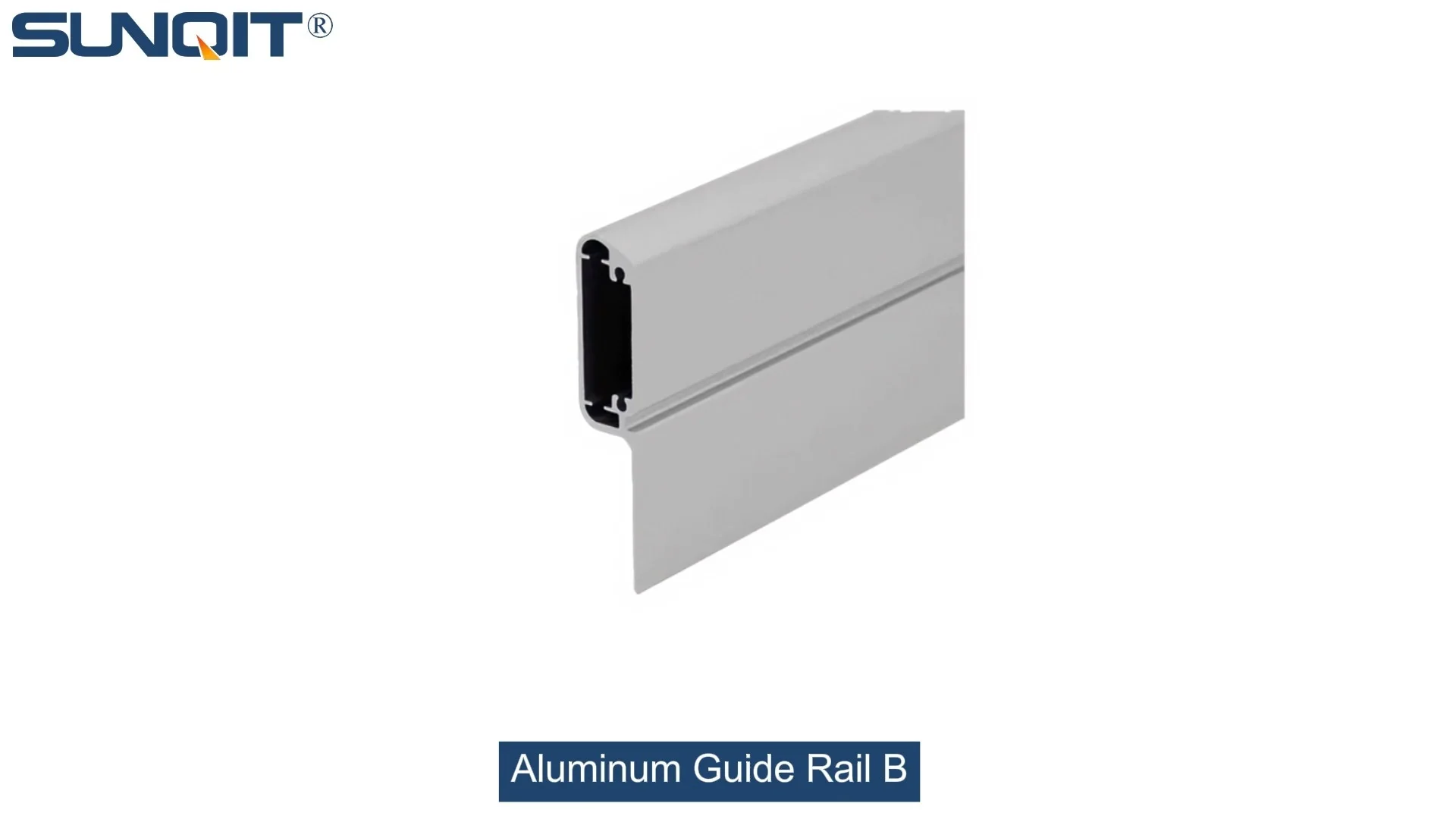
Aluminum Guide Rail B
The aluminum guide rails hold the transport goods securely on the roller track. For installation, the guide rails are simply pushed over the roller tracks.To protect sensitive products.
In today's fast-paced manufacturing world, a disorganized workspace isn't just a headache—it's a silent productivity killer. Tools scattered across benches, materials piling up in walkways, and employees wasting precious minutes searching for the right part—these are common scenes in facilities that overlook the power of structured workspace design. But what if there was a way to transform chaos into order, reduce waste, and boost team morale, all while aligning with proven efficiency principles? Enter Aluminum Guide Rail B, a key component of modern lean systems, and the timeless 5S methodology. Together, they create workspaces that don't just look tidy, but work smarter, safer, and more sustainably. Let's dive into how these two elements come together to redefine what an efficient manufacturing environment can be.
Understanding the Basics: What is Aluminum Guide Rail B?
Before we connect it to 5S, let's get to know Aluminum Guide Rail B. Part of a broader family of aluminum profile accessories, this rail isn't just a simple piece of metal—it's a building block of flexibility. Designed to work seamlessly with lean pipes, workbenches, and flow racks, Aluminum Guide Rail B acts as a guide, support, or divider in various applications. Its lightweight yet durable aluminum construction resists corrosion, stands up to daily wear and tear, and cleans easily—qualities that already hint at its 5S-friendly nature. But what really sets it apart is its adaptability. Whether you're building a custom workbench, setting up a material flow system, or organizing a storage area, this rail can be cut, connected, and reconfigured to fit your exact needs. No more one-size-fits-all solutions that force your workflow into rigid, inefficient patterns.
The 5S Framework: A Foundation for Workplace Excellence
Developed in Japan, the 5S principles—Sort, Set in Order, Shine, Standardize, and Sustain—are more than just a "clean desk" policy. They're a mindset that focuses on eliminating waste, improving safety, and creating a culture of continuous improvement. Let's break down each principle and see how Aluminum Guide Rail B, paired with other lean system components like lean pipe workbenches and flow racks, becomes a practical tool for bringing 5S to life.

1. Sort (Seiri): Separating the Essential from the Excess
The first step in 5S is Sort—taking a critical look at your workspace and keeping only what's necessary for daily operations. Too often, workbenches become cluttered with tools that haven't been used in months, obsolete parts, or extra supplies that "might come in handy someday." This excess not only wastes space but also distracts employees and increases the risk of accidents.
Here's where Aluminum Guide Rail B and lean pipe systems shine. Imagine a workbench in a 3C assembly line. By installing Aluminum Guide Rail B along the edges, you can create designated zones using dividers or small bins attached to the rail. Paired with a lean pipe workbench, which itself is built with modular lean pipes, you can design a surface that only includes the tools and materials needed for the current task. For example, a section with Aluminum Guide Rail B can hold frequently used screwdrivers and pliers, while another section (separated by the rail) keeps incoming components. Items that aren't needed daily? They're stored in flow racks or cabinets away from the immediate workspace—no more competing for bench space.
Real-World Impact:
A medical device manufacturer we worked with once had workbenches cluttered with 20+ tools per station, but operators only used 5 regularly. By adding Aluminum Guide Rail B to their lean pipe workbenches, they created tool holders along the rail for the 5 essential tools, and moved the rest to a central storage area. The result? A 30% reduction in time spent searching for tools in the first week alone.

2. Set in Order (Seiton): A Place for Everything, and Everything in Its Place
Once you've sorted out the excess, the next step is Set in Order—organizing the remaining items so they're easy to find, use, and return. This isn't just about "putting things away"; it's about designing workflows where the path of least resistance leads to efficiency. For example, materials should be stored where they're used, tools at eye level or within arm's reach, and walkways kept clear of obstacles.
Aluminum Guide Rail B becomes a star player here, especially when combined with flow racks and roller tracks. Let's take a warehouse logistics scenario. Traditional shelving often requires employees to bend, reach, or walk long distances to retrieve items. But with a flow rack equipped with Aluminum Guide Rail B, you can create a "first-in, first-out" system where materials glide smoothly along the rail. The rail acts as a guide for the roller track, ensuring items move evenly and don't get stuck. On the production floor, a lean pipe workbench with Aluminum Guide Rail B can have parts fed directly from a flow rack into the assembly area—no more carrying bins back and forth.
Another example: ESD workstations in electronics manufacturing. These sensitive environments require strict organization to prevent static damage and errors. Aluminum Guide Rail B can be used to mount anti-static bins, cable organizers, and even small ESD-safe tools along the workstation edge. Everything has a labeled spot, and the rail ensures nothing drifts into the workspace or gets misplaced. Employees don't have to second-guess where something goes—they just follow the rail's lead.
| Traditional Workspace (Without Aluminum Guide Rail B) | Optimized Workspace (With Aluminum Guide Rail B & Lean Systems) |
|---|---|
| Materials stored in random bins; no clear flow path | Flow racks with Aluminum Guide Rail B guide materials to the point of use |
| Tools scattered on workbench; 5-10 minutes/day spent searching | Tools mounted on rail-attached holders; grab-and-go access |
| Walkways blocked by overflow materials; safety risks | Rail-defined zones keep materials within designated areas |

3. Shine (Seiso): Keeping the Workspace Clean and Functional
Shine isn't just about sweeping the floor at the end of the day—it's about maintaining a clean environment that supports productivity and prevents breakdowns. A dirty workspace hides problems: oil leaks on machinery, loose bolts, or damaged tools. It also demotivates teams and increases the risk of contamination, especially in industries like medical device manufacturing.
Aluminum Guide Rail B's design makes Shine easier than ever. Unlike traditional steel rails or wooden dividers, aluminum resists rust and doesn't absorb spills. A quick wipe with a damp cloth is often enough to keep it clean. In food processing or pharmaceutical settings, where hygiene is critical, this non-porous surface is a game-changer. Even in general manufacturing, the smooth, crevice-free design of Aluminum Guide Rail B means dust and debris don't accumulate in hard-to-reach spots—no more scrubbing grime out of corners during cleaning time.
But it's not just the rail itself; it's how it integrates with the entire lean system. A lean pipe workbench with Aluminum Guide Rail B has fewer nooks and crannies than a traditional wooden bench, making it faster to wipe down. Flow racks with aluminum rails don't trap dirt under shelving, and roller tracks guided by Aluminum Guide Rail B are easier to inspect and clean, reducing the chance of jams caused by debris buildup. When cleaning becomes less of a chore, teams are more likely to do it consistently—turning Shine from a once-a-week task into a daily habit.
4. Standardize (Seiketsu): Making Order the Norm
What happens when a new employee joins the team, or someone covers a different shift? Without standards, the order you worked so hard to create can quickly fall apart. Standardize is about creating clear, repeatable processes for how the workspace is organized, cleaned, and maintained—so everyone knows exactly what "good" looks like.
Aluminum Guide Rail B thrives in standardized environments because it's inherently consistent. Unlike makeshift solutions using wood or plastic, which can warp or break and require constant readjustment, aluminum rails maintain their shape and position. This means you can create templates for workstations: "Every assembly bench will have an Aluminum Guide Rail B mounted 10cm from the front edge, with 3 tool holders spaced 20cm apart." New employees can follow the template, and existing teams can spot deviations quickly (like a tool holder that's slipped out of place on the rail).
Lean system suppliers often work with manufacturers to develop these standards. For example, a supplier might help design a "standard workbench kit" that includes lean pipes, Aluminum Guide Rail B, a specific type of roller track, and labeled bins. Every kit is identical, so whether you're setting up a new line in Mexico or expanding a facility in Germany, the workstations look and function the same. This consistency reduces training time, minimizes errors, and makes it easier to audit workspace compliance—because there's no guesswork involved in what "Set in Order" or "Shine" entails for that particular station.
Pro Tip:
Use color-coding with Aluminum Guide Rail B to standards. For instance, yellow rails could mark zones for incoming materials, while grey rails indicate outgoing finished products. This visual cue makes it even easier for teams to follow the standard layout.
5. Sustain (Shitsuke): Turning Habits into Culture
The final, and perhaps most challenging, step of 5S is Sustain—ensuring that the first four S's become ingrained in the company culture, not just a one-time project. This requires employee engagement, regular audits, and a willingness to adapt as needs change. Here, Aluminum Guide Rail B's flexibility becomes its greatest strength for long-term success.
Manufacturing workflows aren't static. New products are introduced, production volumes fluctuate, and processes get updated. A rigid workspace that can't adapt will eventually become obsolete, and with it, the 5S habits you've built. But Aluminum Guide Rail B, as part of a modular lean system, allows for easy adjustments. Need to add a new tool holder to a workbench? Simply clamp it onto the existing rail. Want to reconfigure a flow rack to accommodate larger parts? Loosen the rail's connectors, adjust the layout, and tighten them back up. Employees aren't stuck with a "this is how we've always done it" mindset—they're empowered to suggest improvements because they know the system can evolve with their ideas.
Case Study: 3C Assembly Plant Transforms with Lean and 5S
A mid-sized 3C assembly plant was struggling with high turnover, frequent errors, and missed deadlines. Their workspaces were a mix of old wooden benches, mismatched shelving, and employees using whatever tools they brought from home. After implementing a lean system centered around Aluminum Guide Rail B, lean pipe workbenches, and flow racks, they saw remarkable changes:
- Sort & Set in Order: Aluminum Guide Rail B divided workbenches into zones, reducing tool clutter by 60%.
- Shine: Smooth aluminum surfaces cut cleaning time from 30 minutes to 10 minutes per shift.
- Standardize: Modular kits ensured every workstation was identical, cutting training time for new hires by 40%.
- Sustain: Employees suggested 23 workspace improvements in the first quarter, like adding rail-mounted document holders, which were quickly implemented using extra Aluminum Guide Rail B components.
The result? A 25% increase in daily production, a 50% drop in errors, and happier teams who felt proud of their organized, efficient workspace.
Sustain also means measuring success. With standardized lean systems, it's easier to track metrics like "time spent searching for tools" or "number of workspace audits passed." When employees see that their efforts to maintain order are directly contributing to better performance, they're more likely to keep those habits alive. Aluminum Guide Rail B doesn't just support the physical workspace—it supports a culture of ownership and continuous improvement.
Beyond 5S: The Long-Term Benefits of Aluminum Guide Rail B
While 5S is a powerful framework, the value of Aluminum Guide Rail B and lean systems doesn't stop there. These tools also support sustainability—a growing priority for manufacturers worldwide. Aluminum is 100% recyclable, and the modular nature of lean systems means components like Aluminum Guide Rail B can be reused when workflows change, reducing waste from constant replacements. Unlike fixed infrastructure that ends up in landfills, a lean system with aluminum rails is an investment that grows with your business.
Additionally, safety gets a boost. Cluttered workspaces are breeding grounds for trips, falls, and accidents. By keeping materials in designated rail-guided zones, clear walkways, and tools secured in rail-mounted holders, you reduce the risk of injuries. In industries like automotive or heavy machinery, where safety is paramount, this isn't just a bonus—it's a necessity.
Finally, there's the impact on employee morale. A workspace that's organized, clean, and designed with their needs in mind sends a clear message: "We value your time and well-being." When employees don't have to fight against chaos to do their jobs, they're more engaged, less stressed, and more likely to stay with the company. Aluminum Guide Rail B might seem like a small part of that equation, but it's the sum of these small, thoughtful design choices that creates a workplace people are proud to be part of.
Conclusion: Building a Workspace That Works for You
Aluminum Guide Rail B and the 5S principles are more than just tools and rules—they're partners in creating workspaces that are efficient, adaptable, and human-centered. From Sorting out the clutter to Sustaining a culture of improvement, Aluminum Guide Rail B provides the flexibility and consistency needed to turn 5S from a buzzword into a daily reality. Whether you're in 3C assembly, medical device manufacturing, or, the combination of lean systems and 5S can transform your workspace from a source of frustration into a competitive advantage.
So, what's next? Start small: pick one workstation, identify a 5S pain point, and see how Aluminum Guide Rail B and a few lean components can make a difference. You might be surprised at how quickly that small change ripples out, inspiring teams to reimagine what's possible. After all, a well-organized workspace isn't just about looking good—it's about working better, together.