- Company Articles
- Industry articles
- Industry News
- Aluminum Guide Rail B vs Wooden Rails: Which Is More Sustainable for Manufacturing?

Aluminum Guide Rail B vs Wooden Rails: Which Is More Sustainable for Manufacturing?
Related Product
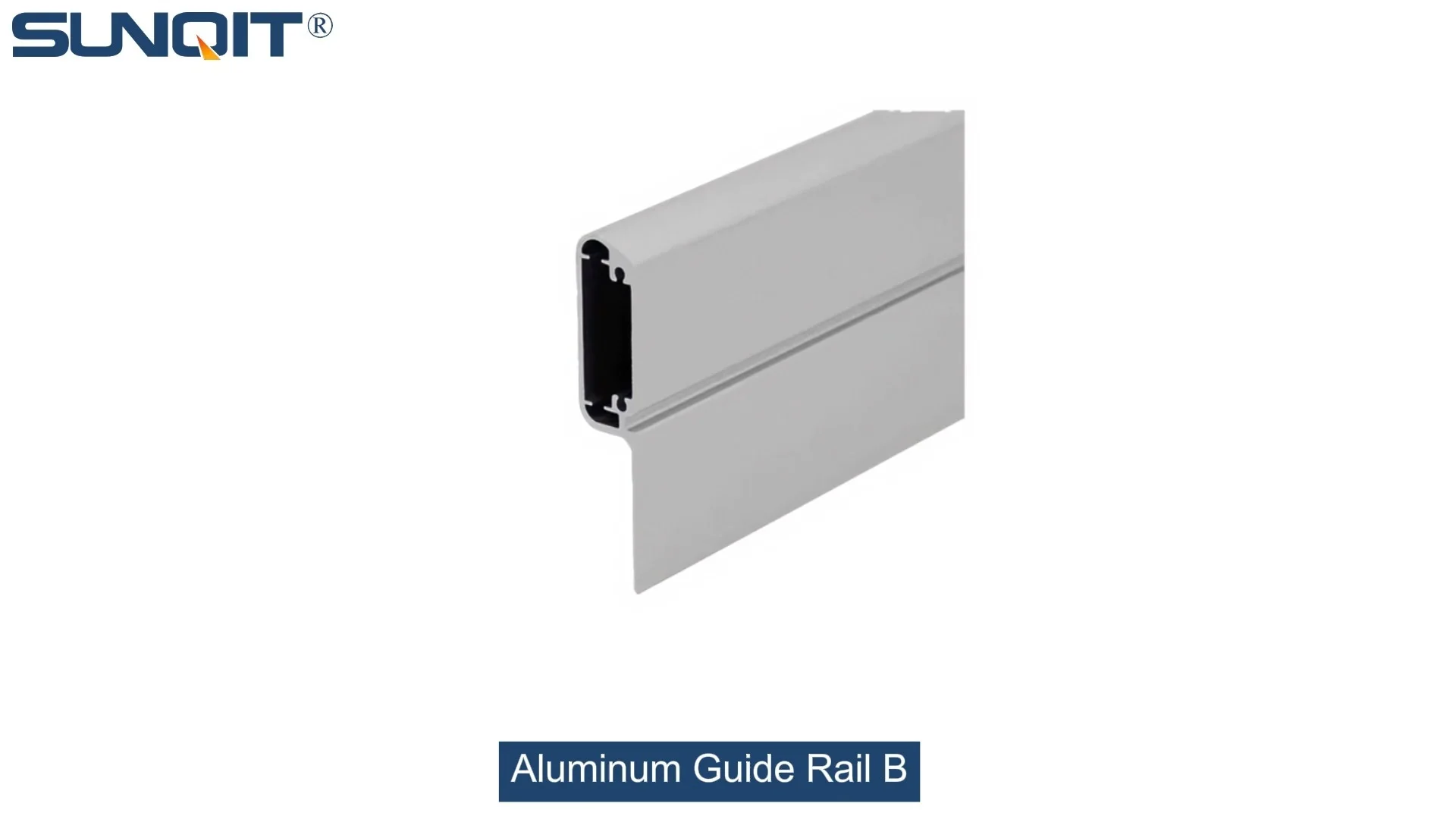
Aluminum Guide Rail B
The aluminum guide rails hold the transport goods securely on the roller track. For installation, the guide rails are simply pushed over the roller tracks.To protect sensitive products.
In the bustling world of manufacturing, where every component plays a silent role in keeping production lines moving, there's a quiet debate happening on factory floors around the globe: what kind of rail should we use? For decades, wooden rails have been a familiar sight—simple, cheap, and easy to come by. But as factories strive to be greener, smarter, and more efficient, the choice between materials like aluminum and wood isn't just about cost anymore. It's about sustainability—the kind that balances environmental responsibility, long-term savings, and better working conditions for the people behind the production.
Today, we're diving into a head-to-head comparison: Aluminum Guide Rail B (a staple in modern lean manufacturing setups) and traditional wooden rails. Which one truly stands the test of sustainability? Let's break it down—not with dry specs, but with the real-world impact that matters to factory managers, workers, and the planet we all share.
What Does "Sustainable" Even Mean for Manufacturing Rails?
Before we pick sides, let's get clear on what "sustainable" means here. In manufacturing, sustainability isn't just a buzzword—it's a three-legged stool: environmental health , economic viability , and social well-being . A truly sustainable rail system should minimize harm to the planet, save money over time, and make life better for the teams using it every day. Let's measure Aluminum Guide Rail B and wooden rails against each leg.
Round 1: Environmental Sustainability—From Forests to Factories
Let's start with the planet. How do these materials stack up in terms of resource use, carbon footprint, and end-of-life disposal?
Aluminum Guide Rail B: The Recyclable Workhorse
Aluminum has long been praised as a "green metal," and for good reason. Aluminum Guide Rail B is made from high-grade aluminum alloy—most of which comes from recycled materials. Unlike wood, which requires cutting down trees (a finite resource), aluminum is 100% recyclable without losing quality. In fact, recycling aluminum uses just 5% of the energy needed to produce new aluminum from raw ore. That's a massive reduction in carbon emissions right there.
But it's not just about recycling. The production process for Aluminum Guide Rail B also aligns with modern eco-friendly standards. Reputable suppliers (like those focused on lean solutions) often use energy-efficient extrusion methods and water-based coatings, cutting down on harmful chemicals. And because aluminum is naturally resistant to corrosion and rust, the rails don't need toxic treatments (like the pesticides or preservatives used on wood to prevent rot).
At the end of its life? That Aluminum Guide Rail B can be melted down and turned into a new rail, a bicycle frame, or even a smartphone case. No waste, no guilt—just a closed-loop cycle that keeps materials in use.
Wooden Rails: The Hidden Environmental Cost
Wood might seem "natural," but its environmental impact is often overlooked. Most wooden rails are made from hardwoods like oak or maple, which take decades (sometimes centuries) to grow. While some wood comes from sustainably managed forests, illegal logging and deforestation still plague the industry, contributing to habitat loss and climate change.
Then there's the treatment process. To make wood durable enough for factory use, it's often treated with chemicals like formaldehyde or creosote to resist moisture and pests. These chemicals can leach into the soil and water during production, use, and disposal. And when wooden rails finally wear out (which happens faster than you might think), they're rarely recycled—most end up in landfills, where they decompose and release methane, a potent greenhouse gas.
Even "sustainable" wood can't escape the math: a single tree might produce a handful of rails, while that same amount of aluminum (recycled) can be reused indefinitely. When it comes to environmental footprint, Aluminum Guide Rail B is already pulling ahead.

Round 2: Economic Sustainability—Saving More Than Just Trees
Factory managers know: sustainability doesn't work if it breaks the bank. Let's talk numbers—initial costs, maintenance, and long-term value.
| Cost Factor | Aluminum Guide Rail B | Wooden Rails |
|---|---|---|
| Initial Purchase Cost | Higher upfront (but see below) | Lower upfront |
| Maintenance Costs | Minimal: Occasional cleaning; no repainting or repairs | High: Regular sanding, sealing, and replacement (every 1-2 years) |
| Lifespan | 10-15 years (or more with proper care) | 1-3 years (due to warping, rot, and wear) |
| Total Lifecycle Cost | 30-50% lower over 10 years | Higher due to frequent replacements |
| Productivity Impact | Consistent performance; minimal downtime | frequent adjustments; downtime for repairs/replacement |
Wooden rails often win the "cheaper upfront" battle, but that's a short-term gain. Let's say a wooden rail costs $50, while Aluminum Guide Rail B costs $150. At first glance, wood seems better—but wood needs replacing every 2 years, while aluminum lasts 15. Over 15 years, you'd spend $375 on wooden rails (7 replacements) vs. $150 on aluminum. That's a 60% savings with aluminum.
Then there's maintenance. Wooden rails warp in humidity, splinter with heavy use, and attract pests. Each warp means adjusting the production line; each splinter means risking product damage or worker injury. Aluminum Guide Rail B? It stays straight, smooth, and strong, even in the dusty, high-moisture environments of 3C assembly or medical device manufacturing. No sanding, no sealing, no sudden breakdowns—just reliable performance that keeps lines running and workers focused.
And let's not forget lean manufacturing principles. Aluminum Guide Rail B is designed for flexibility—easily adjustable, modular, and compatible with other lean pipe systems (like flow racks and conveyors). That means when your production needs change (a new product, higher volume), you can reconfigure the rails instead of buying new ones. Wooden rails? They're rigid; once they're cut, they're fixed. Adaptability = savings, and Aluminum Guide Rail B delivers that in spades.

Round 3: Social Sustainability—Making Work Better for the People Behind the Product
Sustainability isn't just about the planet or profits—it's about people. How do these rails affect the workers who interact with them daily?
Aluminum Guide Rail B: Safer, Smoother, More Efficient
Imagine a worker on an electronics assembly line, moving delicate components along a rail system. With Aluminum Guide Rail B, the surface is smooth and precise—no rough edges or splinters to catch on parts or gloves. The rails glide evenly, so components arrive at the next station gently, reducing the risk of damage (and costly rework). For workers, that means less frustration, fewer errors, and a sense of pride in building quality products.
Safety is another win. Aluminum is lightweight yet strong, so rails are easy to install and adjust without heavy lifting (reducing back strain). Unlike wood, which can develop hidden cracks or mold, aluminum's durability means fewer accidents—no sudden rail failures, no mold spores in the air. In industries like medical device manufacturing, where cleanliness is critical, Aluminum Guide Rail B's non-porous surface resists bacteria growth, keeping workspaces hygienic and compliant with strict regulations.
And let's talk morale. When workers use tools that feel modern, reliable, and well-designed, they feel valued. Aluminum Guide Rail B sends a message: "We invest in your success." That translates to higher engagement, lower turnover, and a stronger team—all part of social sustainability.
Wooden Rails: A Source of Frustration (and Risk)
Now picture that same worker with wooden rails. The surface is uneven, so components jostle and sometimes fall. A splinter catches their finger, drawing blood—now they need a bandage, and the line pauses. Over time, the wood warps, so the rail no longer aligns with the conveyor, causing bottlenecks. Workers spend extra time adjusting, cleaning, or repairing rails instead of focusing on their core tasks. It's not just inefficiency—it's demotivating.
Wood also brings hidden health risks. Dust from sanding or deteriorating wood can trigger allergies or respiratory issues. Chemical treatments (like formaldehyde) off-gas, creating poor air quality. For workers in close proximity to these rails 8 hours a day, that adds up to long-term health concerns.
In short, wooden rails don't just cost money—they cost people. And in today's competitive manufacturing landscape, that's a cost no company can afford.

Real-World Impact: How One 3C Manufacturer Switched and Saved
Let's ground this in a real example. A leading 3C assembly plant in China was struggling with wooden rails on their smartphone production line. They faced frequent downtime (rail replacements every 18 months), high defect rates (components damaged by rough wood), and rising environmental compliance costs (disposing of treated wood waste). Their sustainability team proposed switching to Aluminum Guide Rail B, and the results were eye-opening:
- 50% reduction in maintenance costs within the first year
- 90% fewer product defects related to rail issues
- Zero rail replacements in 3 years (and counting)
- Worker satisfaction scores up by 25% (fewer complaints about equipment)
- Carbon footprint cut by 12 tons annually (thanks to recycling old rails and reduced production needs)
This isn't an isolated success. From automotive parts factories to warehouse flow racks, Aluminum Guide Rail B is proving that sustainability and productivity can go hand in hand—especially when paired with a lean mindset of reusability and continuous improvement.
The Verdict: Aluminum Guide Rail B—Sustainable, Smart, and Future-Proof
When we measure sustainability by the triple bottom line—planet, profit, people—Aluminum Guide Rail B outperforms wooden rails in every category. It's recyclable, energy-efficient, and kind to the environment. It saves money over time, boosts productivity, and adapts to changing needs. And it makes work safer, smoother, and more satisfying for the teams who keep manufacturing moving.
Wooden rails might seem like a budget-friendly choice at first, but their hidden costs—environmental damage, frequent replacements, worker frustration—make them a short-sighted investment. In a world where sustainability is no longer optional, Aluminum Guide Rail B isn't just a better choice—it's the only choice for forward-thinking manufacturers.
So, if you're looking to build a production line that's lean, green, and built to last, start with the basics: choose Aluminum Guide Rail B. Your planet, your wallet, and your team will thank you.