- Company Articles
- Industry articles
- Industry standards
- Aluminum Honeycomb Panel Fire Resistance: Meeting Safety Standards in Manufacturing Plants

Aluminum Honeycomb Panel Fire Resistance: Meeting Safety Standards in Manufacturing Plants
Related Product
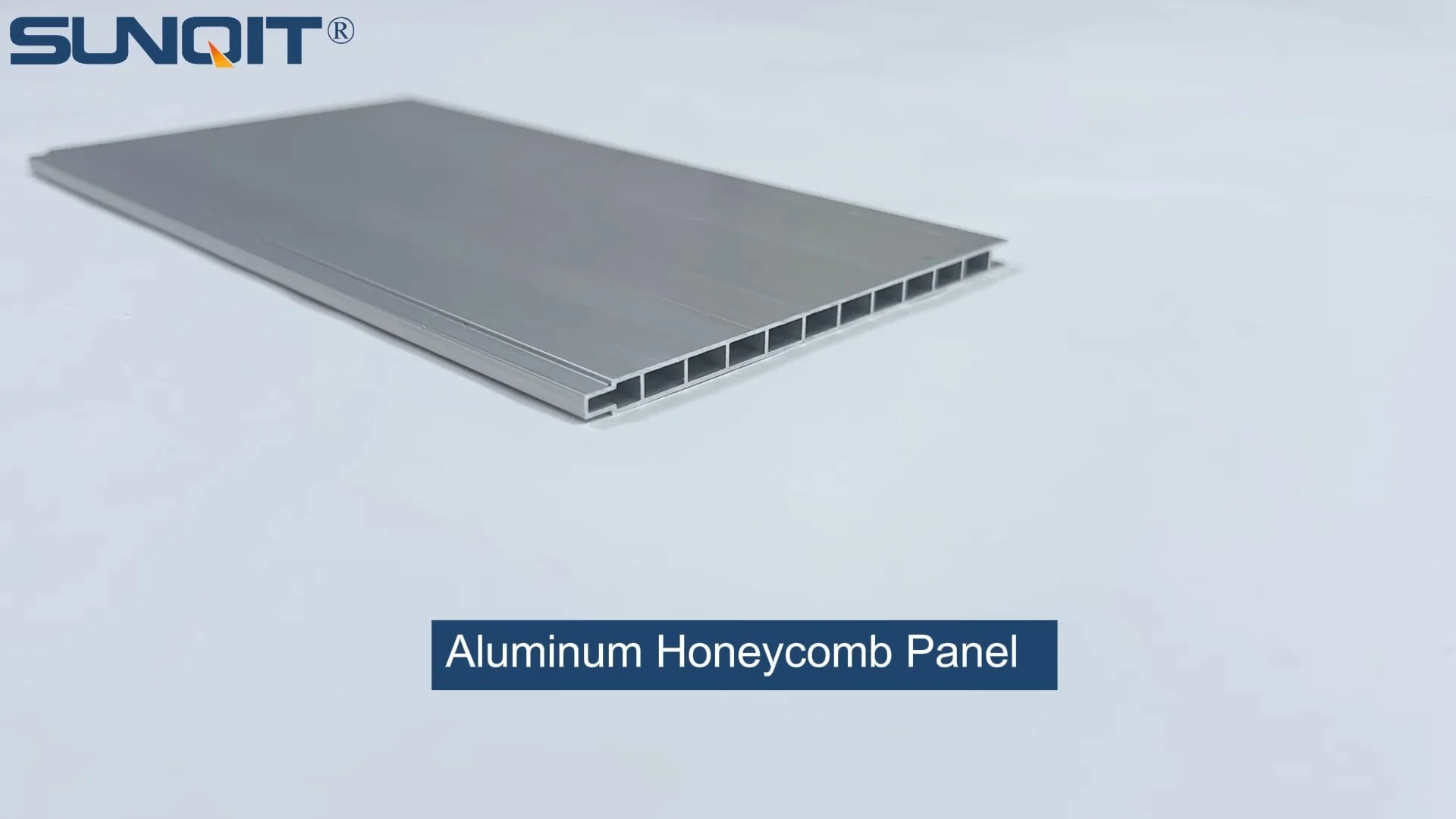
Aluminum Honeycomb Panel
Aluminum honeycomb panel used as table top, side wall, it is connected one pcs by one pcs from the side slot to make a full pieces.This panel width 105mm, 55mm, 35mm are optional for slection.
Walk into any modern manufacturing plant, and you'll notice a careful dance of efficiency and safety. Conveyors hum as components glide along roller tracks, workbenches stand sturdy under the weight of tools and parts, and material racks hold inventory neatly—all designed to keep operations running smoothly. But beneath this rhythm lies a critical foundation: fire safety. In environments where machinery, chemicals, and electrical equipment coexist, the risk of fire is ever-present. That's where materials like aluminum honeycomb panels step in, not just as structural elements, but as silent guardians of workplace safety. Today, we're diving deep into how these panels redefine fire resistance in manufacturing, ensuring compliance with strict safety standards while enhancing operational efficiency.
The Basics: What Are Aluminum Honeycomb Panels?
Before we explore their fire-resistant superpowers, let's get to know aluminum honeycomb panels. Imagine a sandwich—two thin, strong aluminum sheets (the "bread") bonded to a hexagonal honeycomb core (the "filling"). This core, usually made of aluminum as well, isn't just for show. Its structure is a marvel of engineering: lightweight yet incredibly rigid, able to withstand heavy loads without adding unnecessary bulk. This design has made aluminum honeycomb panels a favorite in industries from aerospace to construction, but in manufacturing, their appeal goes beyond strength and weight. It's their ability to stand up to fire that makes them indispensable.
Unlike traditional materials like plywood or plastic, which can ignite or melt under heat, aluminum honeycomb panels leverage the natural properties of aluminum. Aluminum is non-combustible, meaning it won't catch fire even when exposed to high temperatures. Its melting point—around 660°C (1220°F)—is far higher than the temperatures typically reached in most workplace fires, which average between 500°C and 800°C. While aluminum will eventually melt under extreme heat, it doesn't contribute to the spread of fire or release toxic fumes, making it a safer choice for enclosed manufacturing spaces.
Fire Resistance: How Aluminum Honeycomb Panels Stand the Heat
Fire resistance isn't just about not burning—it's about slowing the spread of fire, containing heat, and protecting both people and equipment. Aluminum honeycomb panels excel in all three areas, thanks to their unique structure and material composition.
Heat Insulation: The Honeycomb Advantage The hexagonal cells of the honeycomb core act as tiny air pockets, creating a barrier that slows heat transfer. In a fire, this means the panel's surface might get hot, but the heat takes longer to penetrate to the other side. This delay is critical: it gives workers more time to evacuate, allows fire suppression systems to kick in, and protects sensitive equipment or materials on the opposite side of the panel. For example, in a manufacturing line where a workbench is positioned near a heat-generating machine, an aluminum honeycomb panel workbench top can prevent heat from warping tools or igniting nearby packaging materials.
Non-Toxic and Low Smoke Emission One of the deadliest aspects of fires is the smoke, which can contain toxic gases and obscure vision. Traditional materials like particleboard or PVC release harmful fumes when burned, putting workers at risk of inhalation. Aluminum honeycomb panels, however, are inert. When exposed to fire, they don't release toxic chemicals or thick smoke, making evacuation safer and reducing the risk of long-term health issues for employees.
Structural Integrity Under Fire Conditions In a fire, structural collapse is a major concern. A workbench or material rack that buckles under heat can trap workers or spread the fire further. Aluminum honeycomb panels maintain their shape and strength longer than many alternatives. Even as temperatures rise, the honeycomb core's rigidity prevents warping or collapse, ensuring that critical infrastructure like conveyor covers or machine guards stay in place, containing the fire and protecting escape routes.

Meeting the Standards: Compliance in Manufacturing
Manufacturing plants don't just choose fire-resistant materials because they're "safe"—they're legally required to. Safety standards vary by region, but two of the most widely recognized are ASTM E119 in the United States and ISO 834 in Europe. These tests evaluate how materials perform under fire conditions, measuring factors like flame spread, heat transmission, and structural integrity over time. Aluminum honeycomb panels consistently ace these tests, often exceeding minimum requirements.
For example, ASTM E119 simulates a fire scenario where temperatures reach 927°C (1700°F) within the first hour. Panels are exposed to this heat, and inspectors check for two key things: whether flames spread through the panel, and if the unexposed side (the side not directly facing the fire) exceeds a temperature rise of 139°C (250°F) above ambient. Aluminum honeycomb panels typically pass with flying colors, with minimal heat transmission and zero flame penetration. This performance makes them compliant with standards set by OSHA (Occupational Safety and Health Administration) and the National Fire Protection Association (NFPA), which mandate fire-resistant materials in areas with electrical equipment, flammable liquids, or high worker traffic.
But compliance isn't just about passing tests—it's about real-world application. Let's take an example: an automotive assembly plant using aluminum honeycomb panels for workbench tops. These workbenches are often located near welding stations, where sparks fly regularly. A traditional wooden workbench might catch a spark and smolder, but an aluminum honeycomb top? The sparks simply bounce off, and any heat is quickly dissipated, preventing ignition. This isn't just about avoiding fires; it's about peace of mind for plant managers and workers alike.

Aluminum Honeycomb Panels vs. Alternatives: A Fire Safety Showdown
To truly appreciate aluminum honeycomb panels, let's compare them to common manufacturing materials in terms of fire resistance. The table below breaks down key factors:
| Material | Fire Resistance | Toxic Fume Emission | Structural Integrity Under Heat | Common Use in Manufacturing |
|---|---|---|---|---|
| Aluminum Honeycomb Panel | Non-combustible; melts at ~660°C; minimal heat transfer | None | Maintains rigidity; slow to warp/collapse | Workbenches, conveyor covers, material racks |
| Plywood | Combustible; ignites at ~230°C; rapid flame spread | Releases CO, formaldehyde, and other toxins | Charring and collapse within minutes of ignition | Low-cost shelving, temporary partitions |
| Steel (Solid) | Non-combustible; melts at ~1510°C | None | Conducts heat rapidly; may weaken and bend under prolonged heat | Heavy machinery frames, large storage racks |
| Plastic (PVC/Polycarbonate) | Combustible; melts at ~100-300°C; drips flaming material | Releases hydrogen chloride (PVC) and other toxic gases | Melts and deforms quickly, losing structural integrity | Light-duty covers, temporary guards |
The takeaway? While solid steel is also non-combustible, it's far heavier than aluminum honeycomb panels, making it less ideal for applications where weight matters—like mobile workbenches or conveyor systems. Plywood and plastic, on the other hand, pose clear fire risks, with toxic fumes and rapid flame spread that can turn a small spark into a major disaster. Aluminum honeycomb panels strike the perfect balance: non-combustible, lightweight, and structurally sound under heat, making them the gold standard for fire-safe manufacturing materials.
Beyond Fire Resistance: How Aluminum Honeycomb Panels Boost Lean Systems
Manufacturing isn't just about safety—it's about efficiency, and aluminum honeycomb panels play a starring role here too. Many plants today adopt lean systems, which focus on minimizing waste, streamlining workflows, and maximizing productivity. Aluminum honeycomb panels align perfectly with these goals, thanks to their versatility and durability.
Take workbenches, for example. A lean system demands workstations that are ergonomic, mobile, and adaptable. Aluminum honeycomb workbenches are lightweight enough to be moved with casters (another keyword from our list!), yet sturdy enough to support heavy tools and assemblies. Their flat, smooth surfaces reduce friction, making it easier to slide materials across—perfect for just-in-time production lines where every second counts. And because they're fire-resistant, they can be placed near heat sources like ovens or welding stations without compromising safety, eliminating the need for costly reconfigurations of the workspace.
Material racks are another area where aluminum honeycomb panels shine. In a lean system, material flow is critical—parts need to move quickly from storage to assembly. Racks made with aluminum honeycomb panels are not only fire-safe but also lightweight, allowing for easy repositioning as production needs change. Their rigidity ensures that even fully loaded racks won't sag or bend, preventing damage to materials and reducing the risk of accidents. Plus, their smooth surfaces are easy to clean, maintaining a hygienic environment—essential in industries like food processing or pharmaceuticals.
Installation and Maintenance: Keeping Fire Resistance Intact
Even the best materials need proper care to perform at their best. Installing and maintaining aluminum honeycomb panels is straightforward, but there are a few key steps to ensure their fire resistance remains uncompromised.
Installation Best Practices When installing aluminum honeycomb panels—whether as workbench tops, conveyor covers, or wall partitions—it's crucial to use compatible fasteners. Aluminum reacts poorly with certain metals (like steel) in humid environments, leading to corrosion. Opt for aluminum or stainless steel screws and brackets to prevent this. Additionally, ensure that panels are bonded correctly during manufacturing. The adhesive used to attach the aluminum sheets to the honeycomb core should be heat-resistant; low-quality adhesives can weaken under high temperatures, reducing the panel's structural integrity. Reputable suppliers will use adhesives rated for high heat, so always ask for certification when purchasing.
Maintenance Tips Aluminum honeycomb panels are low-maintenance, but regular checks go a long way. Wipe down surfaces with a mild detergent to remove grease, oil, or debris—these substances can burn if exposed to heat, even if the panel itself doesn't. Inspect edges for dents or cracks; while aluminum is durable, sharp impacts can damage the honeycomb core, reducing its heat-insulating properties. If a panel is damaged, replace it promptly—compromised structure may not perform as well in a fire. Finally, avoid painting panels with flammable paints; if color is needed, use heat-resistant, non-combustible coatings.
Real-World Success: How Manufacturers Are Using Aluminum Honeycomb Panels
Let's hear from the frontlines: manufacturers who've switched to aluminum honeycomb panels and never looked back. Take a leading electronics assembly plant in California. Prior to using these panels, their workbenches were made of particleboard, which frequently suffered from heat damage near soldering stations. Fires were rare, but small smolders and scorch marks were common, leading to frequent replacements and safety concerns. After upgrading to aluminum honeycomb workbench tops, they saw a 90% reduction in heat-related damage. Workers reported feeling safer, and the plant passed its annual OSHA inspection with zero fire safety violations. "It was a small change that made a huge difference," says the plant manager. "We're not just saving money on replacements—we're protecting our team."
Another example comes from a automotive parts manufacturer in Michigan. They replaced their steel conveyor covers with aluminum honeycomb panels to reduce weight, making the conveyors easier to maintain. To their surprise, the panels also improved fire safety. During a minor electrical fire in one conveyor motor, the aluminum covers contained the flames, preventing them from spreading to nearby cardboard packaging. The fire was extinguished quickly, and production resumed within hours—something that would have been impossible with plastic covers, which would have melted and spread the fire.
The Future: Innovations in Aluminum Honeycomb Fire Resistance
As manufacturing evolves, so do the demands on fire-resistant materials. Today's plants are more automated, with robots and AI-driven systems working alongside humans. This means higher electrical loads and more complex machinery, increasing the risk of electrical fires. Aluminum honeycomb panel manufacturers are rising to the challenge, developing new innovations like fire-retardant adhesives and multi-layer cores that further slow heat transmission. Some are even integrating thermal sensors into panels, which can alert workers to before a fire starts—a proactive approach to safety that aligns with the smart factory trends of Industry 4.0.
Additionally, sustainability is becoming a key concern. Aluminum honeycomb panels are already eco-friendly—aluminum is 100% recyclable, and the panels' lightweight design reduces transportation emissions. Now, manufacturers are exploring ways to make the honeycomb core from recycled aluminum, further reducing their carbon footprint. This means that choosing aluminum honeycomb panels isn't just good for safety and efficiency—it's good for the planet, too.
Conclusion: Safety, Efficiency, and Peace of Mind
In the fast-paced world of manufacturing, every decision impacts the bottom line—but none more critical than those related to safety. Aluminum honeycomb panels prove that you don't have to choose between safety and efficiency; they deliver both, with fire resistance that meets the strictest standards and a design that enhances lean operations. From workbenches to material racks, these panels are more than just building materials—they're partners in creating workplaces where employees feel safe, productivity thrives, and fires are kept at bay.
So, the next time you walk through a manufacturing plant, take a closer look at the workbenches, the conveyor covers, the walls. If they're made of aluminum honeycomb panels, you're seeing innovation in action—proof that safety and efficiency can go hand in hand. And for plant managers, that's the ultimate win: a workplace that's not just productive, but protected.