- Company Articles
- Industry articles
- Industry News
- Aluminum Honeycomb Panel Market Growth: Key Drivers in Global Manufacturing

Aluminum Honeycomb Panel Market Growth: Key Drivers in Global Manufacturing
Related Product
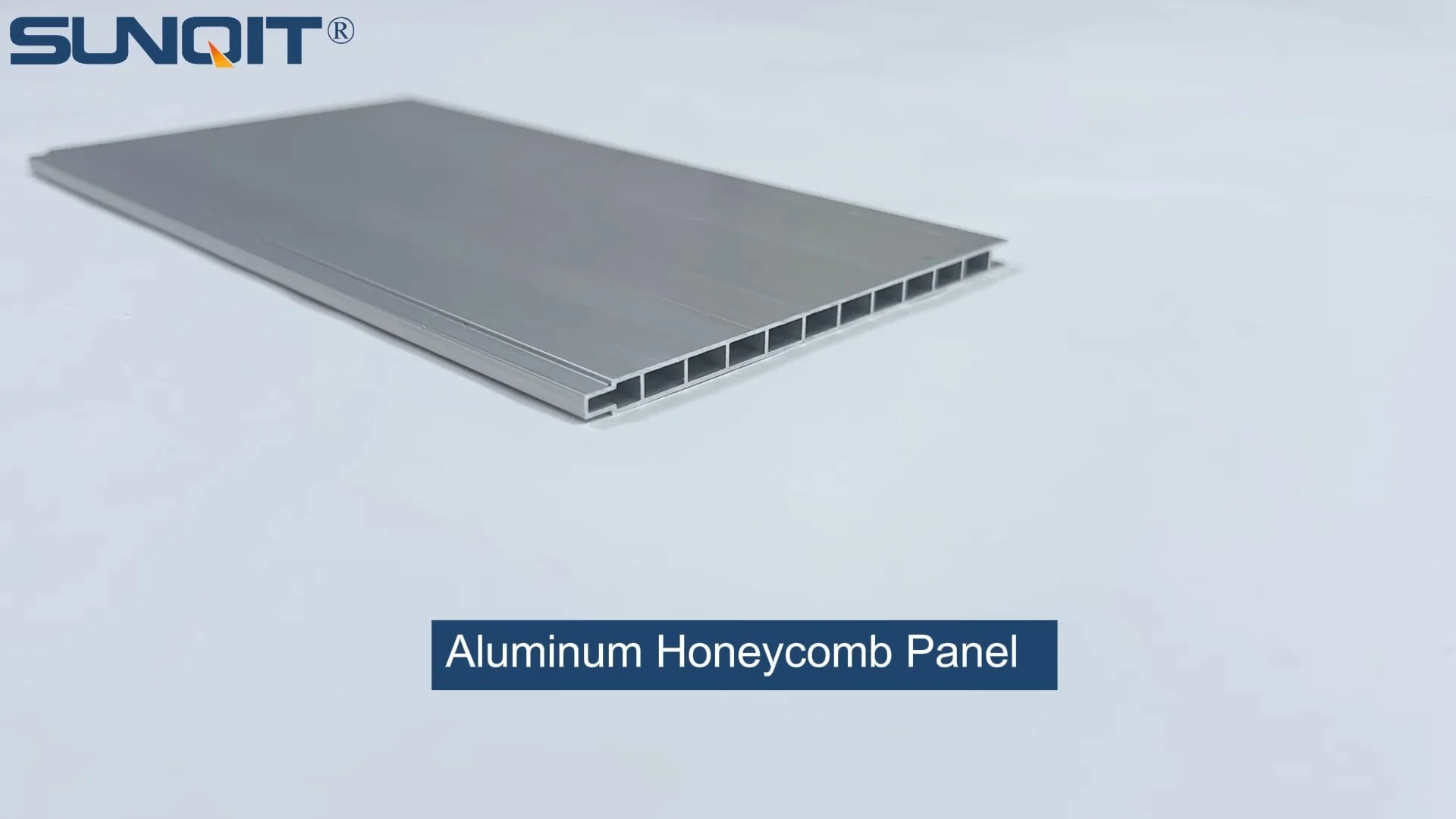
Aluminum Honeycomb Panel
Aluminum honeycomb panel used as table top, side wall, it is connected one pcs by one pcs from the side slot to make a full pieces.This panel width 105mm, 55mm, 35mm are optional for slection.
Walk into a modern factory, a sleek airport terminal, or even the latest electric vehicle assembly line, and there's a good chance you're looking at a product made stronger, lighter, and more efficient by aluminum honeycomb panels. These unassuming yet revolutionary materials have quietly become the backbone of global manufacturing, and their market is booming. From skyscraper facades to EV battery enclosures, aluminum honeycomb panels are redefining what's possible—and the numbers tell the story: by 2030, the global market is expected to grow at a steady CAGR of 6.8%, fueled by innovation, sustainability, and the endless demand for better, smarter materials. Let's dive into why this growth is happening, and what it means for manufacturers, builders, and consumers alike.
The Basics: What Makes Aluminum Honeycomb Panels So Special?
Before we get into the market drivers, let's clarify what aluminum honeycomb panels actually are. Picture a sheet of material with a core that looks like a honeybee's nest—hexagonal cells sandwiched between two thin aluminum sheets (called "skins"). This structure is genius: the hexagons distribute weight evenly, making the panel incredibly strong, while the hollow core keeps it lightweight. In fact, honeycomb panels can be up to 70% lighter than solid aluminum sheets but just as rigid, if not more. That's a game-changer for industries where weight and strength are equally critical.
But their appeal doesn't stop there. They're also fire-resistant, sound-insulating, and weatherproof, making them versatile enough for indoor and outdoor use. And when paired with aluminum profile—another manufacturing staple—they become even more adaptable. Aluminum profile acts as the "frame" for honeycomb panels, allowing builders and engineers to create modular systems that can be easily assembled, disassembled, or reconfigured. It's this flexibility that has made them a favorite across sectors, from construction to aerospace.
Market Overview: A Snapshot of Growth
Let's talk numbers. In 2024, the global aluminum honeycomb panel market was valued at approximately $3.2 billion. By 2030, analysts predict it will surpass $5 billion—no small feat. What's driving this surge? It's a mix of old needs (like building better infrastructure) and new demands (like making electric vehicles more efficient). But to really understand, we need to look at the key drivers propelling this growth forward.
| Region | 2024 Market Share | 2030 Projected CAGR | Key Growth Drivers |
|---|---|---|---|
| Asia-Pacific | 45% | 7.2% | Rapid urbanization, infrastructure investments, automotive manufacturing hubs |
| Europe | 25% | 5.8% | Strict sustainability regulations, aerospace and luxury automotive demand |
| North America | 20% | 6.5% | Construction boom, renewable energy projects, EV production growth |
| Latin America | 5% | 4.9% | Emerging infrastructure, foreign investment in manufacturing |
| Middle East & Africa | 5% | 5.3% | Mega-projects (e.g., NEOM), tourism-driven construction |

Key Driver 1: Construction and Infrastructure—Building the Future, Lighter
Cities are growing faster than ever. By 2050, 68% of the world's population will live in urban areas, according to the UN. That means more skyscrapers, more airports, more train stations—and all of them need materials that can handle the pressure (literally) of modern life. Aluminum honeycomb panels are stepping up to the plate.
Take skyscrapers, for example. Traditional cladding materials like solid stone or steel add massive weight to buildings, requiring stronger (and costlier) foundations. Honeycomb panels, with their lightweight core, reduce that load by up to 50%, cutting construction costs and making taller, more ambitious designs possible. They're also customizable: manufacturers can coat them in finishes that mimic wood, marble, or even brushed metal, giving architects the aesthetic flexibility they need. And when paired with aluminum profile, they create modular facade systems that can be installed in days, not weeks—speeding up construction timelines.
Infrastructure projects are also leaning in. Airports like Singapore's Changi and Dubai's Al Maktoum use honeycomb panels in ceilings and partitions for their sound-dampening properties, keeping terminals quiet even during peak hours. Train stations in Europe are using them for platform canopies, where their weather resistance ensures longevity in harsh climates. It's no wonder construction alone accounts for over 40% of the global honeycomb panel market—this sector isn't just growing; it's evolving, and honeycomb panels are at the center.

Key Driver 2: Automotive and Aerospace—Lighter Vehicles, Greener Journeys
If there's one industry obsessed with weight, it's automotive and aerospace. In cars, every pound removed translates to better fuel efficiency (or longer battery life for EVs). In planes, every pound saved cuts fuel costs by thousands of dollars annually. Aluminum honeycomb panels are answering that call—and manufacturers are taking notice.
In the automotive world, companies like Tesla and BMW are using honeycomb panels in battery enclosures, door panels, and even trunk floors. These panels reduce vehicle weight by up to 30%, which for an electric car can mean an extra 50-100 miles of range—no small selling point for consumers. They're also crash-resistant: the honeycomb structure absorbs impact energy, improving safety. And because they're compatible with aluminum extrusion profile—the same material used in car frames—they integrate seamlessly into existing manufacturing lines, reducing production complexity.
Aerospace is another big player. Boeing and Airbus are using honeycomb panels in cabin interiors (think overhead bins and galleys), cargo floors, and even wing components. The panels' lightweight nature cuts fuel consumption, while their fire resistance meets strict aviation safety standards. As airlines push for more sustainable operations, honeycomb panels are becoming a go-to material—and with the global aerospace market projected to grow 5.6% annually, this demand isn't slowing down.
Key Driver 3: Sustainability—The Green Manufacturing Revolution
Here's the thing about modern manufacturing: it's not enough for a product to work well—it has to do good, too. Consumers, regulators, and even investors are demanding materials that are eco-friendly, and aluminum honeycomb panels deliver on that promise in spades.
First, aluminum is 100% recyclable. Unlike plastics or composites, which degrade over time, aluminum can be melted down and reused indefinitely without losing quality. What's more, recycling aluminum uses just 5% of the energy needed to produce new aluminum—slashing carbon emissions. For manufacturers trying to hit net-zero targets, this is a huge win.
Then there's the honeycomb design itself. By using a hollow core, these panels require less raw material to achieve the same strength as solid sheets. That means less mining, less energy, and less waste—all key for a circular economy. And when paired with sustainable aluminum profile accessories like recycled brackets or non-toxic adhesives, they form fully green systems. Governments are taking notice: the EU's "Circular Economy Action Plan" and the U.S.'s Inflation Reduction Act both offer incentives for using recycled materials, giving manufacturers even more reason to switch to honeycomb panels.
Key Driver 4: Technological Advances—Better Panels, Faster Production
Innovation doesn't stop at the material itself—it's in how we make it. Advances in aluminum extrusion profile manufacturing have made honeycomb panels more accessible, affordable, and versatile than ever before.
Aluminum extrusion profile is the "backbone" of honeycomb panels. Extrusion is the process of pushing aluminum through a die to create custom shapes—think of it like squeezing toothpaste through a tube, but with metal. New die designs and computer-controlled extrusion machines now allow manufacturers to create profiles with ultra-precise dimensions, making honeycomb panels stronger and more consistent. This precision also means panels can be tailored to specific uses: a thin, flexible panel for a car door, or a thick, rigid one for a skyscraper facade.
Automation has also played a role. Modern factories use robots to assemble honeycomb panels, reducing human error and increasing production speed. What once took days to make now takes hours, bringing costs down and making honeycomb panels competitive with traditional materials. Add in improvements in adhesives (which bond the aluminum skins to the honeycomb core) and surface treatments (which enhance durability), and it's clear: technology is making these panels better, faster, and cheaper to produce.
Challenges: What Could Slow the Growth?
Of course, no growth story is without hurdles. Raw material costs are a big one. Aluminum prices are volatile, tied to global supply chains and energy costs (since smelting aluminum is energy-intensive). A spike in prices could make honeycomb panels less affordable for small manufacturers. There's also competition from substitutes like carbon fiber composites, which are lighter but more expensive, or high-density plastics, which are cheaper but less durable.
Supply chain disruptions are another concern. Most aluminum extrusion profile and honeycomb panel production is concentrated in Asia, so geopolitical tensions or trade wars could delay deliveries. And while recycling is a plus, the infrastructure for collecting and processing scrap aluminum isn't equally developed worldwide, which could limit supply in some regions.
Future Outlook: Where Do We Go From Here?
The future of aluminum honeycomb panels is bright—and busy. Emerging applications are popping up everywhere: affordable housing (using lightweight panels for quick, low-cost builds), renewable energy (wind turbine blades and solar panel frames), and even consumer electronics (sleeker, lighter laptops and tablets). The key will be keeping up with demand while staying sustainable.
Manufacturers will need to invest in efficient production of aluminum extrusion profile and accessories to keep the pipeline flowing. Innovations like 3D-printed honeycomb cores or bio-based adhesives could open new doors. And as developing regions like Africa and Southeast Asia ramp up infrastructure, they'll become major markets—offering even more growth potential.
Conclusion: More Than a Material—A Manufacturing Revolution
Aluminum honeycomb panels aren't just another product—they're a symbol of how manufacturing is evolving: smarter, greener, and more innovative. Driven by the need for better construction, lighter vehicles, and sustainable practices, their market growth is a testament to their versatility and value.
Whether you're building a skyscraper, designing an electric car, or just trying to make something that lasts, honeycomb panels offer a solution that works—and does good. As we look to the future, one thing is clear: these panels will continue to shape how we build, travel, and create. And that's a growth story worth watching.