- Company Articles
- Industry articles
- Industry News
- Aluminum Honeycomb Panel Recycling: Closing the Loop in Sustainable Manufacturing

Aluminum Honeycomb Panel Recycling: Closing the Loop in Sustainable Manufacturing
Related Product
Aluminum Honeycomb Panel
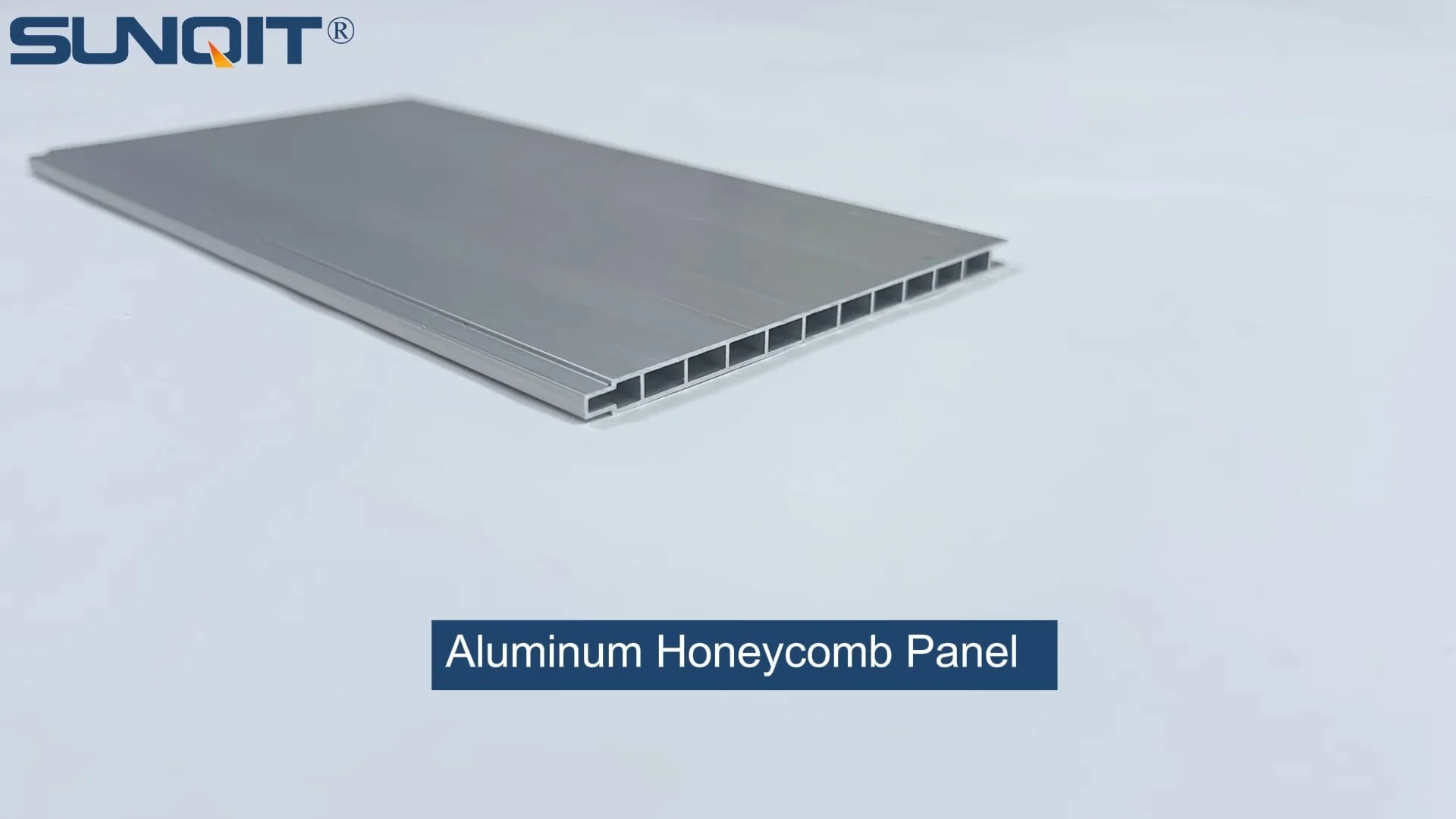
Aluminum honeycomb panel used as table top, side wall, it is connected one pcs by one pcs from the side slot to make a full pieces.This panel width 105mm, 55mm, 35mm are optional for slection.
Walk through a modern airport terminal, run your hand along the sleek facade of a high-rise building, or inspect the interior of a luxury RV—chances are, you're touching something made with aluminum honeycomb panels. These lightweight, durable structures have become a staple in industries from aerospace to construction, prized for their remarkable strength-to-weight ratio and versatility. But as the world grapples with the urgent need for sustainability, the question isn't just how we use these panels, but how we can reuse them. Enter aluminum honeycomb panel recycling: a critical step in closing the loop of manufacturing waste and building a circular economy.
The Rise of Aluminum Honeycomb Panels: Strength, Lightness, and a Hidden Cost
Aluminum honeycomb panels are engineered for efficiency. Composed of a hexagonal aluminum core sandwiched between thin aluminum face sheets, they mimic the natural strength of a beehive's honeycomb structure—able to withstand heavy loads while remaining surprisingly light. This unique design has made them indispensable in applications where weight reduction and durability are non-negotiable: think airplane interiors, shipbuilding, and even electric vehicle components, where every pound saved boosts energy efficiency.
But their popularity comes with an environmental trade-off. Traditional manufacturing of aluminum products, including the aluminum extrusion profile used in honeycomb panels, relies heavily on primary aluminum production. Extracting aluminum from bauxite ore is energy-intensive: it requires mining, refining, and smelting, contributing to significant carbon emissions and resource depletion. According to the Aluminum Association, producing one ton of primary aluminum generates approximately 16 tons of CO2 and consumes 150 MWh of electricity—enough to power an average home for 15 years. When honeycomb panels reach the end of their lifecycle, they often end up in landfills, squandering both valuable materials and the energy invested in their creation.
The Case for Recycling: Why Aluminum Honeycomb Panels Are a Sustainability Goldmine
Aluminum is infinitely recyclable—meaning it can be melted down and reprocessed repeatedly without losing quality. This is where the magic of recycling lies: producing recycled aluminum (also called secondary aluminum) uses just 5% of the energy required to make primary aluminum, cutting CO2 emissions by 95% in the process. For honeycomb panels, which are primarily aluminum, this translates to enormous environmental potential. Recycling a single ton of aluminum honeycomb panels saves 14 tons of CO2 and 140 MWh of electricity—equivalent to taking three cars off the road for a year.
Beyond energy savings, recycling these panels addresses the growing problem of construction and industrial waste. The global construction industry alone generates over 2 billion tons of waste annually, with a significant portion coming from discarded building materials. By diverting honeycomb panels from landfills, we not only reduce waste but also reduce the demand for virgin aluminum profile , easing pressure on bauxite mines and preserving natural habitats.

The Recycling Process: From Discarded Panel to Reusable Material
Recycling aluminum honeycomb panels isn't as simple as tossing them into a recycling bin. Their layered structure—adhesives, coatings, and sometimes non-aluminum components—requires careful processing to separate and recover the valuable aluminum. Let's break down the journey of a discarded honeycomb panel from construction site to factory floor:
1. Collection and Sorting: The First Step to Quality
The process begins with collection. Construction companies, manufacturers, and waste management firms must work together to ensure end-of-life panels are diverted from general waste streams. Once collected, panels are transported to specialized recycling facilities where they undergo sorting. Workers separate honeycomb panels from other materials (like wood or plastic) and remove any non-aluminum components, such as foam insulation or decorative coatings. This step is critical: contaminants can compromise the quality of the recycled aluminum, making it unsuitable for high-grade applications like aluminum profile accessories .
2. Separation: Peeling Back the Layers
The next challenge is separating the aluminum core from the face sheets. Many honeycomb panels are bonded with adhesives, which can be tricky to dissolve without damaging the aluminum. Traditional methods involve mechanical shredding, where panels are chopped into small pieces, followed by thermal or chemical treatment to break down adhesives. Emerging technologies, however, are making this step more efficient. Some facilities use ultrasonic cleaning to loosen adhesives, while others employ laser cutting to precision-separate layers—minimizing aluminum loss and reducing chemical use.
3. Melting and Purification: Turning Scrap into Purity
Once separated, the aluminum pieces are loaded into a furnace and melted at around 660°C (1,220°F). During melting, impurities like paint, oil, and residual adhesives burn off as dross—a layer of waste that floats to the surface and is skimmed off. To ensure the recycled aluminum meets industry standards, additional purification steps may be taken, such as adding fluxes to remove trace elements or using electrolysis for high-purity applications. The result is molten aluminum that's ready to be cast into new forms.
4. Reprocessing: From Molten Metal to Aluminum Profile
The purified aluminum is then cast into ingots or billets, which are sent to extrusion plants. Here, the metal is reheated and forced through a die to create aluminum extrusion profile —the same material used to make new honeycomb panels, window frames, or automotive parts. This closed-loop process ensures that the aluminum from a discarded panel might one day become part of a new skyscraper facade or a lightweight wheelchair frame, completing the cycle.

Challenges in Recycling: Adhesives, Contamination, and the Need for Collaboration
Despite its promise, aluminum honeycomb panel recycling faces hurdles that slow its widespread adoption. One of the biggest obstacles is the adhesives used to bond the core and face sheets. Many traditional adhesives are heat-resistant or chemical-resistant, making them difficult to remove during recycling. This not only increases processing time and costs but can also leave behind residues that lower the quality of recycled aluminum. To address this, manufacturers are increasingly designing panels with "recyclable adhesives"—water-based or heat-sensitive formulas that break down more easily during processing.
Contamination is another issue. Panels collected from construction sites often come mixed with other materials, from concrete to plastic, which can damage recycling equipment or taint the aluminum. Improving sorting infrastructure and educating industries on proper waste segregation is key. Some companies are even implementing "take-back" programs, where they reclaim old panels directly from customers, ensuring cleaner, more efficient recycling.
Logistics also play a role. Recycling facilities equipped to handle honeycomb panels are still relatively rare, especially in regions with smaller manufacturing sectors. Transporting panels long distances to these facilities can negate some environmental benefits by increasing carbon emissions from trucks. Localizing recycling efforts and investing in regional processing centers could help overcome this barrier.
The Business Case: Why Manufacturers Are Embracing the Loop
Sustainability isn't just an environmental imperative—it's a business one. Companies that prioritize recycling are finding that closing the loop can boost their bottom line, enhance brand reputation, and future-proof their operations against stricter regulations. For example, using recycled aluminum reduces raw material costs: secondary aluminum is often cheaper than primary aluminum, especially as energy prices rise. This is particularly appealing for manufacturers of aluminum profile accessories , where profit margins depend on efficient material use.
Consumers and clients are also driving demand for sustainable products. A 2023 survey by McKinsey found that 60% of consumers are willing to pay more for products with recycled content, while corporate buyers increasingly require suppliers to meet strict environmental criteria. For construction firms bidding on green building projects (certified by LEED or BREEAM, for instance), using recycled aluminum honeycomb panels can earn valuable sustainability credits, making them more competitive.
| Metric | Primary Aluminum Production | Recycled Aluminum Production |
|---|---|---|
| Energy Consumption (per ton) | 150 MWh | 7.5 MWh (95% reduction) |
| CO2 Emissions (per ton) | 16 tons | 0.8 tons (95% reduction) |
| Water Use (per ton) | 1,000 m³ | 50 m³ (95% reduction) |
| Raw Material Cost | Higher (dependent on bauxite prices) | Lower (stable scrap metal market) |
| Waste Generated | Significant (mine tailings, sludge) | Minimal (dross, recyclable) |
The table above highlights the stark differences between primary and recycled aluminum production, underscoring why businesses are increasingly turning to secondary aluminum. For a manufacturer producing 1,000 tons of aluminum extrusion profile annually, switching to 50% recycled content could save over $500,000 in energy costs alone—while cutting CO2 emissions by 7,600 tons.
Case Study: How One Manufacturer Built a Lean, Circular System
To see the impact of recycling in action, look no further than a mid-sized aluminum fabricator based in the Netherlands, AluCircular. Specializing in honeycomb panels for the automotive and aerospace industries, the company faced rising pressure from clients to reduce its carbon footprint. In 2020, it launched a closed-loop recycling program, partnering with local construction firms and waste management companies to collect end-of-life panels.
AluCircular invested in a dedicated recycling line, focusing on improving adhesive removal with ultrasonic technology. The result? The company now recycles 80% of its own production waste and 60% of collected panels, reusing the aluminum to make new aluminum profile and accessories. By 2023, this initiative had reduced the company's carbon emissions by 40% and cut raw material costs by 25%. It also opened new markets: a major electric vehicle manufacturer, impressed by AluCircular's sustainability credentials, awarded it a contract to supply lightweight panels for battery enclosures—all made with recycled aluminum.
AluCircular's success isn't unique. Across Europe and North America, manufacturers are integrating recycling into their lean system —the practice of minimizing waste and maximizing efficiency. By treating waste as a resource, they're not just reducing their environmental impact but creating a more resilient supply chain, less vulnerable to fluctuations in primary aluminum prices or supply chain disruptions.
The Future of Recycling: Innovation, Policy, and a Collective Responsibility
The future of aluminum honeycomb panel recycling lies in a combination of innovation, policy support, and industry collaboration. On the technology front, researchers are developing smarter ways to separate and process panels: AI-powered sorting systems that can identify honeycomb panels among mixed waste, and biodegradable adhesives that dissolve in water, eliminating the need for harsh chemicals. 3D scanning is also being used to design panels with recycling in mind, ensuring components can be easily disassembled at the end of their life.
Policy will play a crucial role, too. Governments are increasingly implementing regulations to drive recycling, such as the EU's Circular Economy Action Plan, which mandates higher recycling rates for construction waste and sets targets for recycled content in products. Tax incentives for companies that invest in recycling infrastructure or use recycled materials could further accelerate adoption.
But perhaps the most important factor is collective responsibility. Manufacturers must design for recyclability from the start, using materials that are easy to separate and reuse. Construction firms must prioritize proper waste segregation and partner with recycling facilities. Consumers must demand sustainable products and support brands that walk the talk. Together, these actions can turn aluminum honeycomb panel recycling from a niche practice into a standard part of manufacturing.
Closing the Loop: More Than Recycling—A Vision for Tomorrow
Aluminum honeycomb panel recycling is about more than just reusing metal. It's about reimagining manufacturing as a cycle, not a linear process of "take-make-waste." It's about recognizing that the strength of these panels—their durability, their efficiency—can extend beyond their first use, creating value long after they leave the factory. As we look to a future where sustainability is no longer optional but essential, recycling these panels isn't just a step forward; it's a foundation for building a world where industry and the environment thrive together.
So the next time you see an aluminum honeycomb panel—whether in an airplane, a skyscraper, or a solar panel array—remember: it's not just a product. It's a promise. A promise that with innovation, collaboration, and a commitment to closing the loop, we can build a future where nothing goes to waste, and everything is reborn.