- Company Articles
- Industry articles
- Industry standards
- Aluminum Honeycomb Panels for Cleanroom Partitioning: Meeting ISO Standards in Medical Labs

Aluminum Honeycomb Panels for Cleanroom Partitioning: Meeting ISO Standards in Medical Labs
Related Product
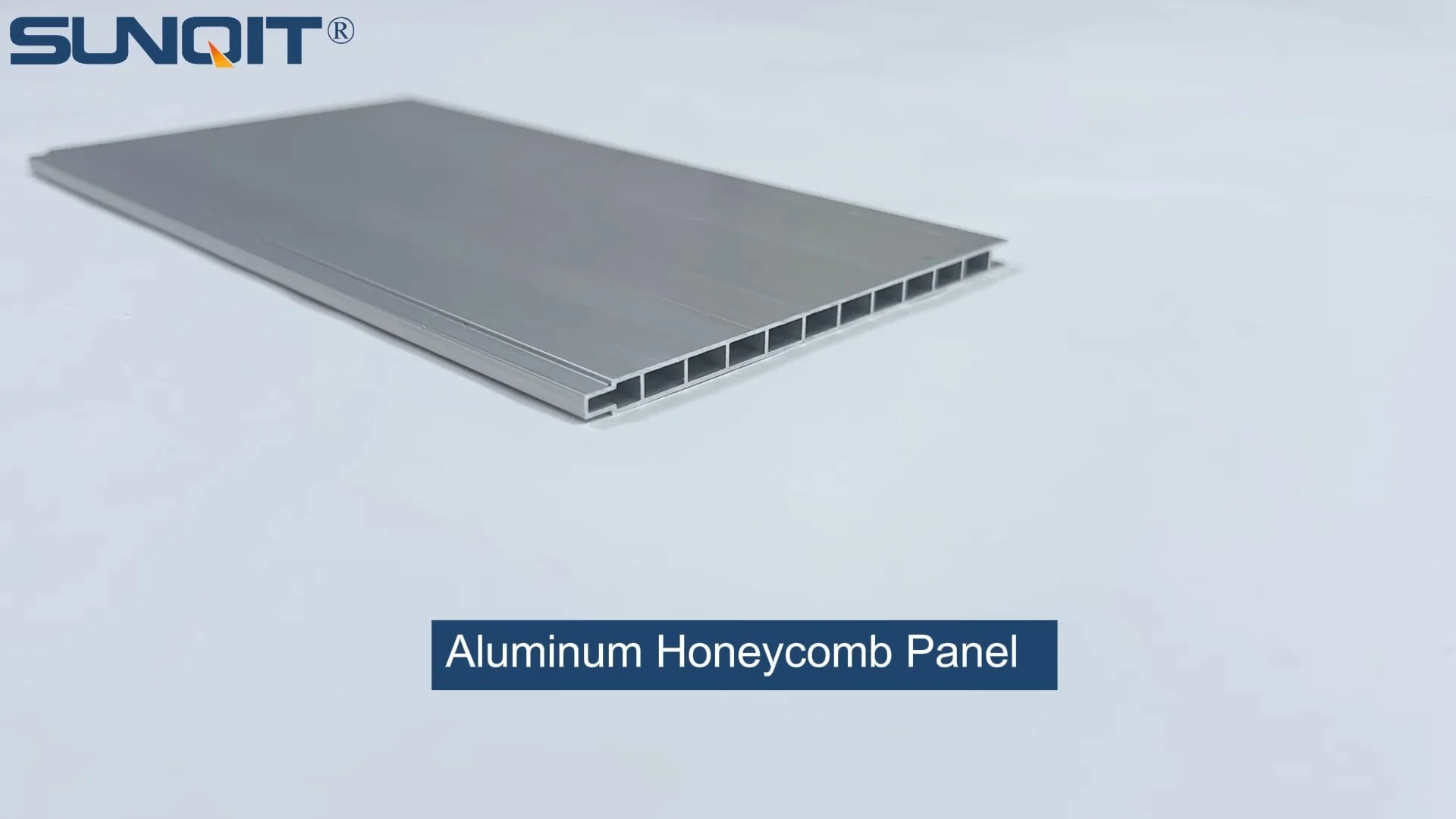
Aluminum Honeycomb Panel
Aluminum honeycomb panel used as table top, side wall, it is connected one pcs by one pcs from the side slot to make a full pieces.This panel width 105mm, 55mm, 35mm are optional for slection.
The Critical Role of Cleanroom Partitioning in Medical Labs
In the world of medical research and diagnostics, precision isn't just a goal—it's a necessity. Every experiment, every sample, and every device that leaves a medical lab carries the potential to impact patient health, making contamination control a non-negotiable priority. At the heart of this control lies the cleanroom: a controlled environment designed to minimize airborne particles, pollutants, and microbial activity. But a cleanroom is only as effective as its weakest link, and one of the most overlooked yet vital components is its partitioning system.
Partitioning isn't just about dividing space; it's about creating barriers that maintain distinct air pressures, prevent cross-contamination between zones, and support the strict environmental parameters required for sensitive procedures. Whether it's vaccine development, cell culture research, or sterile medical device manufacturing, the partitioning must stand up to daily wear, rigorous cleaning, and the ever-evolving demands of modern lab workflows. For years, labs relied on traditional materials like drywall or solid stainless steel panels, but these options often fell short—drywall crumbled under repeated cleaning, stainless steel was heavy and costly, and neither offered the flexibility needed for dynamic research environments. Today, a new solution has emerged: aluminum honeycomb panels, paired with precision-engineered aluminum extrusion profiles, are redefining what cleanroom partitioning can achieve, especially when it comes to meeting the stringent ISO standards that govern medical lab operations.
Why Traditional Partitioning Materials Fall Short
To appreciate the value of aluminum honeycomb panels, it's important to first understand the limitations of the materials that came before them. Let's start with drywall, a common choice in non-critical environments. While affordable and easy to install, drywall is porous by nature, making it a breeding ground for mold and bacteria if not sealed properly. In medical labs, where daily disinfection with harsh chemicals like hydrogen peroxide or bleach is standard, drywall quickly deteriorates—seams crack, surfaces discolor, and particles from the crumbling material can contaminate airflows. Even with heavy-duty paint or vinyl coatings, drywall rarely meets the ISO 14644 standards for particle emission, especially in Class 7 or higher cleanrooms.
Stainless steel panels, on the other hand, were long considered the gold standard for their durability and resistance to corrosion. But their density is a double-edged sword: a 4x8-foot stainless steel panel can weigh over 50 pounds, requiring reinforced structural support and making installation labor-intensive. This weight also limits flexibility—reconfiguring a lab's layout means hiring contractors to dismantle and reinstall panels, a process that disrupts research and adds significant costs. Additionally, stainless steel conducts heat and cold readily, forcing HVAC systems to work harder to maintain stable temperatures, driving up energy bills. For labs operating on tight budgets, these long-term costs often outweigh the initial benefits.
Then there are solid aluminum panels, which offer lighter weight than stainless steel but lack the structural rigidity needed for tall partitions. Without internal reinforcement, they bow under their own weight, creating gaps that compromise airtightness. It was clear: the medical lab industry needed a material that combined strength, hygiene, flexibility, and compliance—all without sacrificing performance. Enter aluminum honeycomb panels.

Aluminum Honeycomb Panels: A Game-Changer in Cleanroom Design
Aluminum honeycomb panels are a marvel of engineering, designed to maximize strength while minimizing weight. At their core is a hexagonal honeycomb structure—reminiscent of a beehive—made from thin aluminum foil, sandwiched between two layers of flat aluminum sheets (known as "skins"). This design leverages the honeycomb's natural ability to distribute weight evenly, resulting in a panel that's up to 70% lighter than solid aluminum but just as strong, if not stronger. When paired with aluminum extrusion profiles—custom-shaped aluminum rails that form the framework for the panels—the result is a partitioning system that's both robust and remarkably versatile.
The magic lies in the details. The honeycomb core acts as a natural insulator, reducing heat transfer between zones and easing the load on HVAC systems. The aluminum skins, typically anodized or powder-coated, create a smooth, non-porous surface that resists chemicals, scratches, and microbial growth. Unlike drywall, there are no seams to trap dirt, and unlike stainless steel, the panels are lightweight enough to be installed without structural reinforcement. But what truly sets them apart is their compatibility with ISO standards—the backbone of quality control in medical labs.

Meeting ISO Standards: The Benchmark for Medical Lab Excellence
ISO standards are the global language of quality, and in medical labs, two standards reign supreme: ISO 14644 (Cleanrooms and associated controlled environments) and ISO 13485 (Medical device quality management systems). Aluminum honeycomb panels, when integrated with the right aluminum profile accessories, are uniquely positioned to meet both.
ISO 14644: Controlling Airborne Particles
ISO 14644-1 classifies cleanrooms based on the concentration of airborne particles (0.1μm to 5μm) per cubic meter, with Class 1 being the most stringent (fewer than 10 particles of 0.1μm) and Class 9 the least. Medical labs typically require Class 7 (10,000 particles of 0.5μm) or higher for sterile processes. To achieve this, partitioning must prevent particle migration between zones, which starts with airtightness.
Aluminum honeycomb panels excel here. The non-porous aluminum skins eliminate particle shedding, while precision-engineered aluminum extrusion profiles ensure tight, uniform joints. During installation, seams are sealed with medical-grade silicone, creating a barrier that resists air leakage. In third-party testing, panels have been shown to maintain airtightness even under pressure differentials of ±50 Pa—a common requirement for ISO 14644 Class 7 and 8 cleanrooms. Compare this to drywall, which often develops micro-cracks over time, allowing particles to seep through, and the advantage becomes clear.
ISO 13485: Ensuring Consistency and Safety in Medical Devices
ISO 13485 goes beyond particle control, focusing on the entire lifecycle of medical devices, from design to disposal. For cleanroom partitioning, this means materials must be traceable, resistant to degradation, and compatible with the cleaning agents used in lab protocols. Aluminum honeycomb panels check all these boxes.
Aluminum is inherently inert, meaning it won't react with common disinfectants like ethanol, hydrogen peroxide, or quaternary ammonium compounds—chemicals that would corrode lesser materials. The panels are also highly durable, maintaining their structural integrity through thousands of cleaning cycles, which is critical for ISO 13485's requirement for process validation. Additionally, aluminum is 100% recyclable, aligning with the standard's emphasis on sustainability and responsible sourcing.
Beyond the Basics: Fire Safety and Structural Integrity
ISO standards also address safety, and aluminum honeycomb panels deliver here as well. Aluminum has a high melting point (660°C), making the panels fire-resistant—a key requirement under ISO 16000 (Indoor air quality) and local building codes. The honeycomb structure, while lightweight, also provides exceptional rigidity, ensuring panels won't warp or flex under the stress of daily lab operations. This structural stability is further enhanced by aluminum profile accessories like corner brackets and edge trims, which reinforce joints and prevent movement over time.
The Technical Edge: Why Aluminum Honeycomb Panels Outperform Alternatives
To put the performance of aluminum honeycomb panels into perspective, let's compare them to traditional materials across key metrics. The table below highlights how they stack up against drywall and solid stainless steel panels, the two most common alternatives in medical labs.
| Performance Metric | Traditional Drywall | Solid Stainless Steel | Aluminum Honeycomb Panels |
|---|---|---|---|
| Weight (kg/m²) | 25–30 | 40–50 | 8–12 |
| ISO 14644-1 Compliance | Class 8–9 (with heavy sealing) | Class 7–8 | Class 5–7 (depending on thickness) |
| Chemical Resistance | Poor (prone to discoloration/cracking) | Excellent | Excellent (resists H2O2, alcohol, bleach) |
| Installation Time (per 100m²) | 3–5 days (plus sealing/painting) | 5–7 days (requires heavy lifting equipment) | 1–2 days (modular, prefabricated) |
| Longevity (years) | 5–8 (with regular repairs) | 15–20 | 20–30 (minimal maintenance) |
| Thermal Insulation (W/m·K) | 0.5–0.7 | 15–20 (poor insulator) | 0.3–0.4 (excellent thermal barrier) |
| Reconfigurability | Poor (requires demolition) | Poor (heavy, permanent installation) | Excellent (modular design, easy disassembly) |
As the table shows, aluminum honeycomb panels offer a compelling balance of weight, performance, and cost-effectiveness. Their lightweight design reduces installation time and structural load, while their thermal insulation properties lower energy costs. Most importantly, they meet the high ISO 14644 Class 5–7 standards required for sensitive medical procedures, something drywall can't achieve without extensive modifications.
Design Flexibility: Adapting to the Needs of Modern Labs
Medical labs are not static environments. Research priorities shift, equipment is updated, and workflows evolve—all of which demand partitioning that can keep pace. Aluminum honeycomb panels, with their modular design, excel in this dynamic landscape. Unlike drywall, which is permanent, or stainless steel, which is difficult to reconfigure, these panels can be easily disassembled, relocated, or modified using basic tools and aluminum profile accessories like adjustable brackets and sliding door tracks.
Need to add a new gowning room? Simply remove a section of panels and reassemble them with new aluminum extrusion profiles. Want to integrate a pass-through chamber for sample transfer? Pre-cut panels can be customized to fit the chamber's dimensions, with minimal on-site adjustment. This flexibility is a game-changer for labs looking to future-proof their spaces, as it eliminates the need for costly renovations every time workflows change. Even better, the panels can be paired with other lab fixtures, such as workbenches and flow racks, creating a cohesive system that supports seamless material transfer and ergonomic workflows.
Hygiene and Maintenance: Keeping Labs Sterile, Simplified
In a medical lab, cleaning isn't just a chore—it's a critical control measure. Aluminum honeycomb panels are designed with this in mind, starting with their surface finish. Anodized aluminum creates a hard, protective layer that resists scratches and chemical etching, while powder coating adds color options (like cleanroom white or neutral greys) that hide minor stains. Both finishes are non-porous, meaning they can be wiped down with disinfectants multiple times a day without degradation.
Maintenance is equally straightforward. Unlike drywall, which requires patching and repainting when damaged, aluminum panels can be repaired with simple touch-up kits. If a section becomes irreparably damaged, individual panels can be replaced without disrupting the entire partition—saving time and reducing downtime. Even the aluminum profile accessories, such as hinges and latches for cleanroom doors, are designed for easy cleaning, with smooth surfaces and minimal crevices to trap dirt.
Perhaps the biggest hygiene advantage is the panels' resistance to microbial growth. Studies have shown that anodized aluminum surfaces inhibit the growth of bacteria like Staphylococcus aureus and E. coli by up to 99% compared to porous materials like drywall. This inherent antimicrobial property adds an extra layer of protection, reducing the risk of cross-contamination and supporting the lab's overall infection control protocols.
Case Study: A Vaccine Research Lab's Transition to Aluminum Honeycomb Panels
To illustrate the real-world impact of aluminum honeycomb panels, let's look at a case study from a mid-sized vaccine research lab in the United States. Prior to 2022, the lab used drywall partitioning in its Class 7 cleanrooms, but frequent particle count failures and rising maintenance costs prompted a search for a better solution. After evaluating options, they chose aluminum honeycomb panels with aluminum extrusion profiles, installed by a certified cleanroom contractor.
The results were transformative. Within three months of installation, particle counts in the lab's ISO 14644 Class 7 zones dropped by 92%, and the lab passed its annual certification with zero deviations. Maintenance costs decreased by 65%, as the panels no longer required monthly patching or repainting. Perhaps most notably, the lightweight panels allowed the lab to add a second floor of cleanrooms without reinforcing the building's structure—a project that would have been impossible with stainless steel.
"The flexibility has been a game-changer," said the lab's facilities manager. "When we scaled up our COVID-19 vaccine production, we were able to reconfigure three cleanrooms in a week using the same panels. With drywall, that would have taken months and cost twice as much."
Sustainability: A Greener Choice for Labs
In an era of increasing environmental awareness, sustainability is no longer an afterthought—it's a priority. Aluminum honeycomb panels align with this goal in multiple ways. First, aluminum is infinitely recyclable, with recycled aluminum requiring 95% less energy to produce than primary aluminum. Many manufacturers source their aluminum from recycled materials, reducing the carbon footprint of the panels. Second, the honeycomb structure uses minimal material, reducing waste during production. Third, the panels' long lifespan (20–30 years) means fewer replacements, lowering the overall environmental impact compared to drywall, which typically needs to be replaced every 5–8 years.
Even the installation process contributes to sustainability. Prefabricated panels reduce on-site waste, as there's no need for cutting or trimming (unlike drywall, which generates dust and debris). The lightweight design also reduces transportation emissions, as more panels can be shipped in a single load compared to heavier alternatives like stainless steel.
Choosing the Right Supplier: What to Look For
Not all aluminum honeycomb panels are created equal, and selecting the right supplier is critical to ensuring compliance with ISO standards. When evaluating suppliers, labs should prioritize the following:
- ISO Certification: Look for suppliers whose panels are tested and certified to meet ISO 14644-1 and ISO 13485 standards. Ask for third-party test reports verifying particle emission, airtightness, and chemical resistance.
- Customization Options: Every lab has unique needs. Suppliers should offer panels in custom sizes, thicknesses, and finishes, as well as a range of aluminum profile accessories to support integration with existing systems.
- Technical Support: Installation of cleanroom partitioning is complex. Choose a supplier that provides on-site technical support, from design to final certification, to ensure the panels are installed correctly.
- Traceability: For ISO 13485 compliance, suppliers should provide material certificates and traceability documentation for both the aluminum panels and accessories.
By partnering with a reputable supplier, labs can ensure their partitioning system not only meets today's standards but also adapts to tomorrow's challenges.
Conclusion: Elevating Cleanroom Performance with Aluminum Honeycomb Panels
Aluminum honeycomb panels are more than just a partitioning material—they're a foundation for excellence in medical lab design. By combining lightweight strength, ISO compliance, design flexibility, and sustainability, they address the unique challenges of modern labs, from contamination control to dynamic workflows. Whether it's meeting the strict particle limits of ISO 14644 or the quality management requirements of ISO 13485, these panels deliver where traditional materials fall short.
For medical labs looking to invest in their future, aluminum honeycomb panels are an investment in reliability, efficiency, and patient safety. They don't just partition space—they create environments where science can thrive, unburdened by the limitations of outdated materials. As the case study shows, the benefits are clear: lower costs, better performance, and the peace of mind that comes with knowing your cleanroom is built to the highest standards.
In the end, the choice is simple: when it comes to cleanroom partitioning in medical labs, aluminum honeycomb panels, paired with precision aluminum extrusion profiles and accessories, are the gold standard. They're not just meeting ISO standards—they're setting new ones.