- Company Articles
- Industry articles
- Industry standards
- Aluminum Pipe Clamps in Medical Device Manufacturing: Hygiene Standards

Aluminum Pipe Clamps in Medical Device Manufacturing: Hygiene Standards
Related Product
Aluminum Pipe Clamp
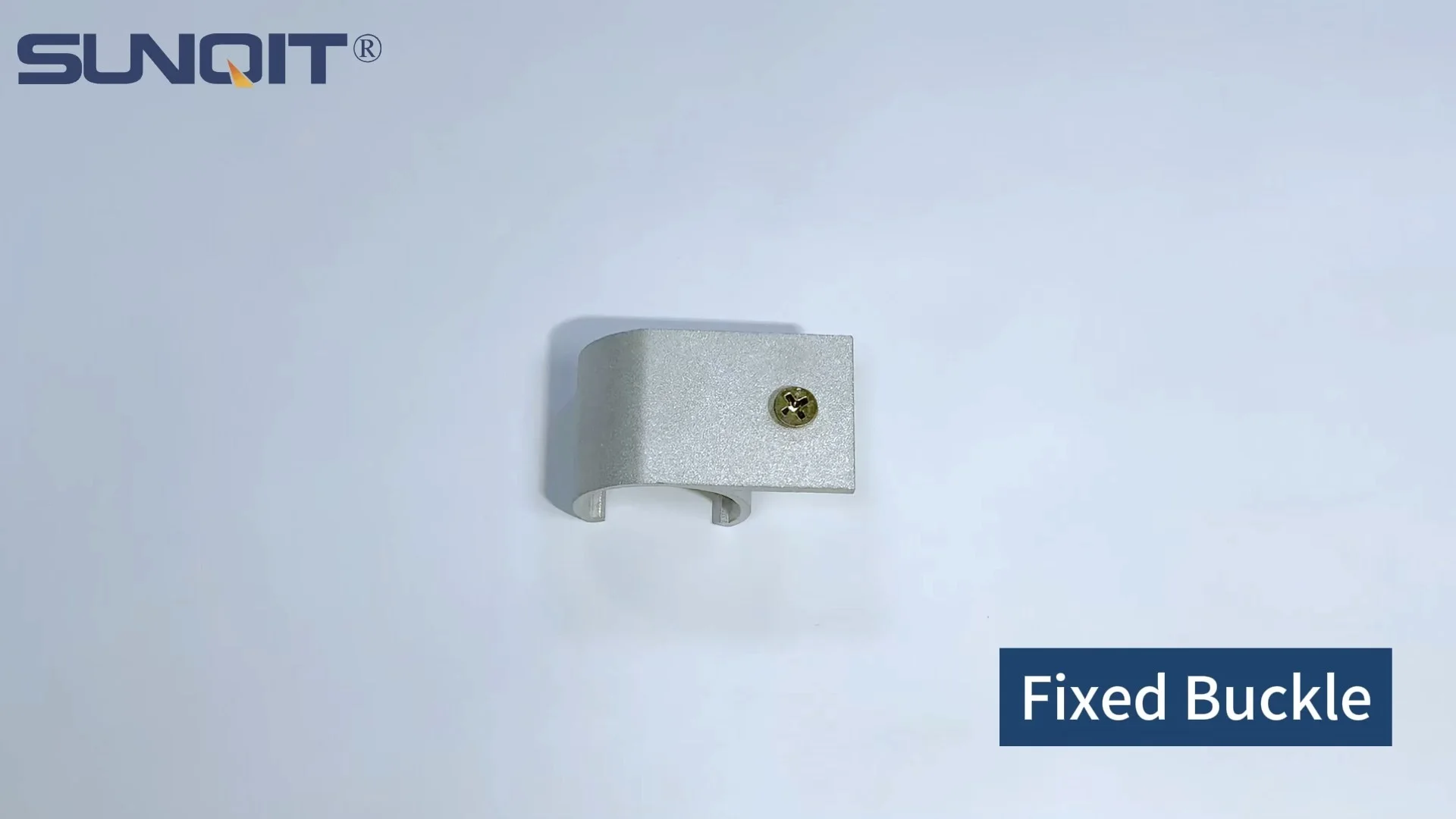
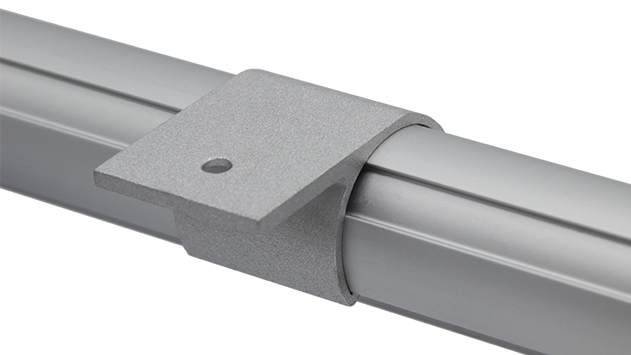
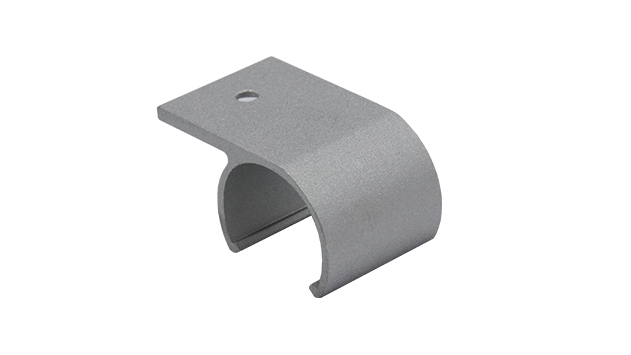
Aluminum pipe side clamp used for 28mm aluminum pipe connect with table top, or other accessories.
In the world of medical device manufacturing, where precision can mean the difference between a life-saving tool and a costly mistake, every component—no matter how small—carries immense weight. From the intricate circuit boards of pacemakers to the sterile frames of surgical tables, every part must meet uncompromising standards of cleanliness, durability, and reliability. But what about the unsung heroes holding these systems together? Today, we're shining a light on one such workhorse: the aluminum pipe clamp. Far more than just a fastening tool, it's a quiet champion of hygiene, efficiency, and adaptability in an industry where "good enough" simply doesn't exist.
Why Aluminum? The Unique Advantages of Aluminum Pipe Clamps
Walk into any medical device production facility, and you'll likely see a maze of workstations, conveyor belts, and assembly lines—all held together by some form of clamping system. But why has aluminum emerged as the material of choice for these critical components? Let's start with the basics: aluminum is naturally resistant to corrosion. In environments where frequent cleaning with harsh disinfectants is the norm, this resistance isn't just a nice-to-have; it's a necessity. Unlike steel, which can rust if not properly coated, or plastic, which can degrade under repeated exposure to chemicals, aluminum pipe clamps maintain their integrity over time, ensuring they don't flake, crack, or harbor contaminants.
Then there's weight. Medical manufacturing floors are often bustling with activity—technicians moving workstations, robots transporting components, and teams reconfiguring lines to meet shifting demand. Heavy clamps made of stainless steel or iron can slow this process down, increasing the risk of strain injuries and delaying production. Aluminum pipe clamps, by contrast, are lightweight without sacrificing strength. A typical 40mm aluminum pipe clamp weighs roughly 30% less than its stainless steel counterpart, making it easier to handle, install, and reposition. This isn't just about convenience; it's about creating a safer, more efficient workspace where teams can adapt quickly without compromising on stability.
Non-magnetic properties are another underrated benefit. Many medical devices, from MRI machines to delicate diagnostic tools, rely on precise magnetic fields. Using magnetic materials in their assembly could interfere with these sensitive systems, leading to inaccurate readings or even device failure. Aluminum pipe clamps, being non-magnetic, eliminate this risk entirely, making them ideal for use in environments where electromagnetic compatibility is critical.
Aluminum Pipe Clamps in Lean Systems: Building Efficiency from the Ground Up
Lean manufacturing isn't just a buzzword in medical device production—it's a lifeline. With tight deadlines,, and the need to minimize waste, manufacturers are constantly seeking ways to streamline processes, reduce downtime, and improve workflow. This is where aluminum pipe clamps truly shine, thanks to their modular, adaptable design.
Imagine a production line tasked with assembling two different types of surgical tools: one small, intricate forceps and a larger, bulkier retractor. In a traditional setup, switching between these products might require overhauling entire workstations, a process that could take hours or even days. But with aluminum pipe clamps, reconfiguration becomes a breeze. These clamps connect seamlessly with aluminum profiles and accessories, allowing teams to adjust the height of workbenches, reposition conveyor rails, or add new storage racks in a fraction of the time. No welding, no specialized tools—just a few quick adjustments, and the line is ready for the next task.
This flexibility directly supports core lean principles, such as "just-in-time" production and continuous improvement. For example, a manufacturer noticing bottlenecks in their packaging stage can use aluminum pipe clamps to add an extra roller track to the conveyor system, redistributing workload and keeping products moving smoothly. Or, if a new regulatory requirement mandates additional spacing between workstations for better sterilization access, aluminum clamps make it easy to widen gaps without rebuilding the entire setup. In short, they turn rigid production lines into dynamic, responsive ecosystems that can evolve with the needs of the business—and the patients it serves.
ESD Workstations: Protecting Sensitive Electronics with Aluminum
Many medical devices today are essentially advanced electronics. Think about insulin pumps that monitor blood sugar levels in real time, or neurostimulators that regulate brain activity—these devices rely on microchips, sensors, and circuit boards that are incredibly sensitive to electrostatic discharge (ESD). A single static shock, even one too small for humans to feel, can damage these components, rendering a device useless or, worse, unsafe for patients. That's why ESD workstations are non-negotiable in medical manufacturing, and aluminum pipe clamps play a key role in making these workstations both effective and practical.
Aluminum is naturally conductive, which might sound like a problem for ESD protection at first glance. But when paired with the right accessories—like ESD-safe mats, grounding wires, and conductive coatings—aluminum pipe clamps can actually help dissipate static charges, preventing them from building up and damaging sensitive components. Unlike plastic clamps, which can insulate static electricity and increase the risk of discharge, aluminum provides a path for static to flow safely to the ground. This makes it an excellent choice for constructing ESD workstations where both stability and static control are priorities.
Consider a workstation assembling pacemaker batteries. The battery cells are so delicate that even a tiny static charge could cause them to short-circuit. By using aluminum pipe clamps to build the workstation frame, and pairing them with ESD grounding straps and anti-static work surfaces, manufacturers create a controlled environment where static is neutralized before it can harm the product. It's a small detail, but one that ensures the pacemakers leaving the factory are reliable, consistent, and ready to save lives.
Hygiene Standards: Meeting the Bar for Patient Safety
When it comes to medical device manufacturing, hygiene isn't just about keeping surfaces clean—it's about preventing the spread of pathogens that could compromise patient safety. Regulatory bodies like the FDA and ISO have strict standards in place, such as ISO 13485, which outlines requirements for quality management systems in the medical device industry. These standards don't just apply to the devices themselves; they extend to every tool, component, and surface in the production environment—including aluminum pipe clamps.
Aluminum's smooth, non-porous surface is a hygiene standout. Unlike materials with rough textures or crevices—such as some plastics or uncoated steel—aluminum doesn't provide hiding spots for bacteria, viruses, or other contaminants. This makes it easy to clean with common disinfectants, from alcohol wipes to industrial-grade sterilants, without worrying about residue buildup. In fact, many aluminum pipe clamps are designed with rounded edges and minimal joints specifically to reduce areas where dirt or moisture could accumulate. For example, a typical aluminum pipe clamp joint has a seamless, curved design that allows cleaning solutions to flow freely, ensuring no pathogens are left behind.
Another hygiene benefit is aluminum's resistance to chemical corrosion. Medical manufacturing facilities often use strong cleaning agents, such as hydrogen peroxide or quaternary ammonium compounds, to sanitize equipment. Over time, these chemicals can break down less durable materials, leading to cracks or pitting that trap bacteria. Aluminum pipe clamps, however, hold up to repeated exposure, maintaining their structural integrity and hygiene performance for years. This durability means fewer replacements, less waste, and a lower risk of contamination from degraded components.

Comparing Materials: How Aluminum Stacks Up
To truly understand why aluminum pipe clamps are the go-to choice for medical manufacturing, it helps to see how they compare to other common materials. Let's take a closer look at three options: aluminum, stainless steel, and plastic.
| Material | Hygiene Performance | Durability | Weight | ESD Compatibility | Cost (per unit) |
|---|---|---|---|---|---|
| Aluminum | Excellent (smooth, non-porous, easy to clean) | High (resists corrosion and chemical damage) | Lightweight (30% lighter than stainless steel) | Good (with conductive coatings/grounding) | Moderate (more affordable than stainless steel, more durable than plastic) |
| Stainless Steel | Good (non-porous, but heavier and harder to clean in tight spaces) | Very High (extremely durable, but prone to scratching) | Heavy (can slow reconfiguration and increase strain) | Poor (magnetic properties may interfere with sensitive devices) | High (more expensive than aluminum) |
| Plastic | Poor (porous surface can harbor bacteria; prone to cracking) | Low (breaks down with chemical exposure and UV light) | Lightweight (similar to aluminum) | Variable (some plastics insulate static; others are ESD-safe but less durable) | Low (cheap upfront, but requires frequent replacement) |
As the table shows, aluminum strikes a balance that's hard to beat: it offers the hygiene and durability needed for medical manufacturing, without the weight or cost drawbacks of stainless steel, or the fragility of plastic. It's a material that doesn't just meet standards—it raises the bar for what's possible in component design.
From Supplier to Production Line: The Importance of Reliable Partners
Of course, even the best materials are only as good as the suppliers who provide them. For medical device manufacturers, choosing a reputable aluminum pipe clamp supplier isn't just about getting a good price—it's about ensuring consistency, quality, and compliance. A reliable supplier will understand the unique demands of the medical industry, from strict material certifications to traceability requirements, and will work closely with manufacturers to deliver components that meet their exact specifications.
Wholesale suppliers, in particular, play a crucial role in keeping production lines running smoothly. By offering bulk quantities of aluminum pipe clamps and accessories—like joints, roller tracks, and casters—they ensure manufacturers have the components they need when they need them, reducing downtime and preventing delays. But it's not just about quantity; it's about quality control. A trusted wholesale supplier will test each batch of clamps for strength, corrosion resistance, and hygiene performance, providing certificates of compliance that give manufacturers peace of mind. This level of partnership is invaluable in an industry where a single defective component could have far-reaching consequences.
Take, for example, a small medical device startup developing a new type of surgical laser. The team needs to build prototype workstations quickly to test their assembly process, but they don't have the resources to source components from multiple suppliers. By partnering with a wholesale aluminum pipe clamp supplier, they can get all the clamps, profiles, and accessories they need in one order, with consistent quality and fast delivery. This allows them to focus on perfecting their device, rather than worrying about component reliability. It's a scenario that plays out every day in medical manufacturing, highlighting just how critical strong supplier relationships are to innovation and success.
Looking Ahead: The Future of Aluminum in Medical Manufacturing
As medical technology continues to advance, the demands on manufacturing processes will only grow. We'll see more complex devices, tighter regulatory requirements, and a greater focus on sustainability—and aluminum pipe clamps will be right there, evolving to meet these challenges. One emerging trend is the development of advanced aluminum alloys that offer even greater strength-to-weight ratios, making clamps lighter and more durable than ever before. These alloys could enable the creation of more compact workstations, freeing up floor space for new equipment or expanding production capacity.
Another area of innovation is smart components. Imagine aluminum pipe clamps embedded with tiny sensors that monitor tension, temperature, or vibration. These sensors could alert maintenance teams to loose connections or potential failures before they cause downtime, improving reliability and reducing waste. While this technology is still in its early stages, it's easy to see how it could transform preventive maintenance in medical manufacturing, making production lines more resilient and efficient.
Sustainability is also set to play a bigger role. Aluminum is 100% recyclable, and recycling it uses just 5% of the energy required to produce new aluminum. As manufacturers strive to reduce their carbon footprints, using recycled aluminum pipe clamps will become an increasingly attractive option. This not only benefits the environment but also aligns with the values of patients and healthcare providers who prioritize sustainability in the products they use.
Conclusion: The Unsung Hero of Medical Manufacturing
In the grand scheme of medical device manufacturing, aluminum pipe clamps may seem like components. But as we've explored, they're anything but. From supporting lean systems and ESD workstations to meeting the highest hygiene standards, these clamps are the backbone of production lines that create life-saving devices. They're lightweight yet strong, durable yet flexible, and they play a critical role in ensuring the devices we rely on are safe, reliable, and effective.
So the next time you hear about a breakthrough in medical technology—a new pacemaker, a more precise surgical tool, or a life-saving diagnostic device—take a moment to appreciate the small components that make it possible. Behind every innovation is a network of tools, materials, and people working together to push the boundaries of what's possible. And in that network, aluminum pipe clamps are quietly, steadily, making a difference—one clamp at a time.