- Company Articles
- Industry articles
- Industry standards
- Aluminum Pipe Clamps: Industry Standards & Compliance Guidelines

Aluminum Pipe Clamps: Industry Standards & Compliance Guidelines
Related Product
Aluminum Pipe Clamp
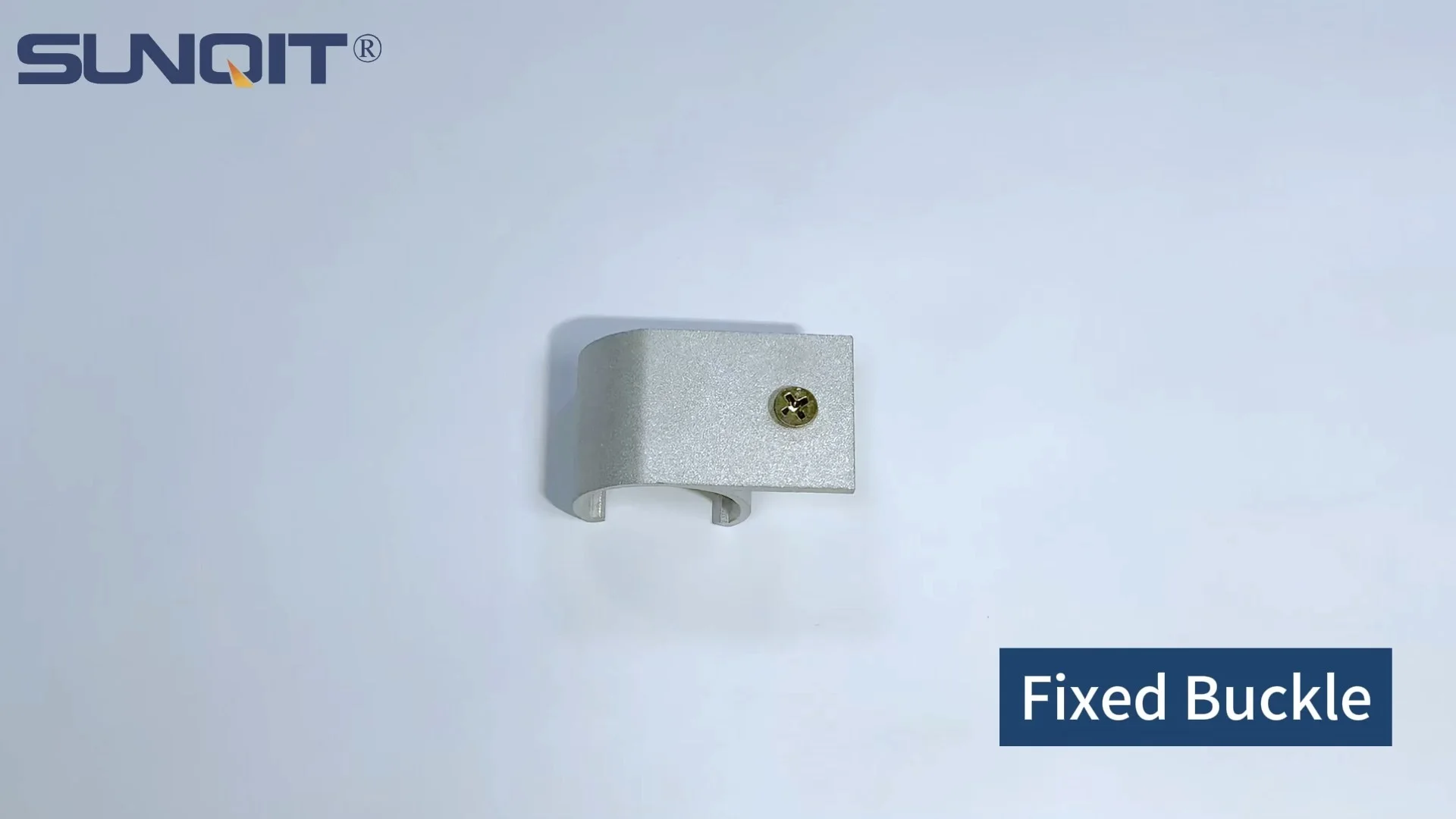
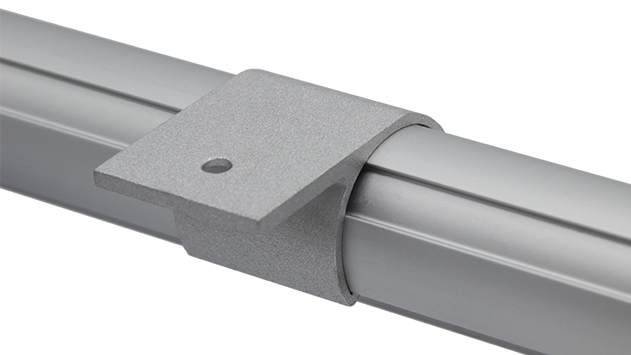
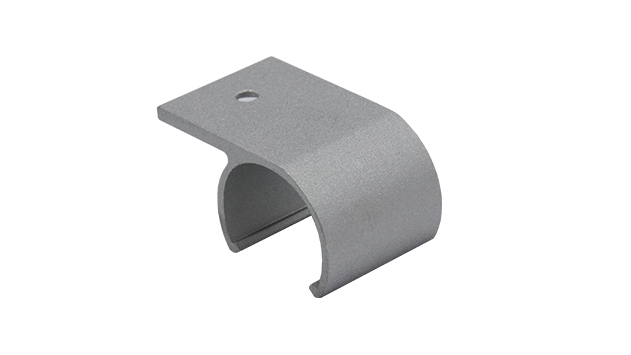
Aluminum pipe side clamp used for 28mm aluminum pipe connect with table top, or other accessories.
In the bustling world of manufacturing, warehousing, and industrial operations, there's a silent workhorse that often goes unnoticed: the aluminum pipe clamp. These unassuming devices play a critical role in holding together everything from conveyor systems and workbenches to material racks and lean manufacturing setups. But here's the thing—their "unseen" status doesn't make them any less important. In fact, the reliability of entire production lines can hinge on whether these clamps meet strict industry standards and compliance guidelines. After all, a loose clamp isn't just a minor inconvenience; it can lead to downtime, safety hazards, and costly repairs. So, let's dive into the world of aluminum pipe clamps, unpack the standards that keep them trustworthy, and explore why compliance isn't just a box to check, but a cornerstone of efficient, safe operations.
What Are Aluminum Pipe Clamps, Anyway?
Before we get into standards and compliance, let's make sure we're all on the same page about what aluminum pipe clamps actually do. At their core, these tools are designed to secure, fasten, or connect aluminum pipes, profiles, and tubes in industrial settings. Think of them as the "glue" that holds modular systems together—whether you're building a custom workbench, a flow rack for parts, or a roller track conveyor. Unlike their steel counterparts, aluminum clamps offer the benefits of being lightweight, corrosion-resistant, and easy to handle, which is why they're a staple in lean manufacturing, electronics production, and automotive assembly lines.
But not all clamps are created equal. Some are fixed, designed for permanent installations, while others are adjustable, allowing for quick reconfigurations—perfect for facilities that need to adapt to changing production needs. They might clamp onto T-slot aluminum profiles, grip round lean pipes, or even secure roller tracks (hello, roller track and accessories ). And because they're part of a larger ecosystem of industrial components, they often need to play nice with other parts like aluminum profile accessories, casters, and joint connectors. In short, aluminum pipe clamps are the unsung heroes that turn a pile of parts into a functional, efficient workspace.
Key Materials & Design: Why Aluminum Matters
Aluminum pipe clamps aren't just made from any old aluminum. Manufacturers typically use high-grade alloys like 6061 or 6063, known for their strength, durability, and resistance to rust. Why these alloys? Let's break it down: 6061 is prized for its weldability and toughness, making it ideal for heavy-duty clamps that need to withstand constant vibration (think automotive plants). 6063, on the other hand, is more malleable, which is great for clamps that require intricate shapes or precise fitting—like those used in electronics assembly, where even a small misalignment can throw off delicate work.
Compared to steel clamps, aluminum versions offer a few key advantages. For starters, they're significantly lighter, which makes installing and repositioning them a breeze—no need for a team of workers to heft heavy hardware. They also resist corrosion, a must in environments with moisture, chemicals, or humidity (looking at you, food processing facilities and coastal warehouses). And because aluminum is a good conductor of heat, these clamps can even help dissipate heat in high-temperature settings, like near industrial ovens or machinery. All of these properties make aluminum pipe clamps a top choice for industries that value efficiency, safety, and longevity.
Industry Standards: The Rules of the Road
Now, let's get to the heart of the matter: industry standards. These are the guidelines, specifications, and tests that ensure aluminum pipe clamps are safe, reliable, and consistent. Without them, manufacturers could cut corners, producing clamps that snap under pressure or fail to hold pipes securely. So, which standards should you care about? Let's break down the big players.
ISO: The Global Benchmark
The International Organization for Standardization (ISO) sets global standards for everything from quality management to product safety, and aluminum pipe clamps are no exception. ISO 9001, for example, isn't specific to clamps, but it's a big deal—it outlines requirements for a quality management system, ensuring that manufacturers consistently produce products that meet customer and regulatory needs. When a clamp supplier is ISO 9001 certified, it means they have processes in place to monitor and improve quality, from raw material sourcing to final inspection.
More specific to aluminum products, ISO 6363 covers wrought aluminum and aluminum alloys for general engineering purposes. This standard defines the chemical composition, mechanical properties (like tensile strength and hardness), and dimensional tolerances for aluminum materials—including the alloys used in pipe clamps. For example, ISO 6363 might specify that a 6061 aluminum clamp must have a minimum tensile strength of 200 MPa (megapascals) to ensure it can handle the stresses of industrial use.
ASTM International: North American Focus
In North America, ASTM International (formerly the American Society for Testing and Materials) is the go-to source for standards. ASTM B221 is a key one here—it covers aluminum and aluminum-alloy extruded bars, rods, wire, profiles, and tubes. For aluminum pipe clamps, this standard dictates things like wall thickness, straightness, and surface finish. For instance, if a clamp is made from extruded aluminum, ASTM B221 ensures that its dimensions are consistent, so it fits properly with other components (no more "this clamp is almost the right size, but not quite" headaches).
Another important ASTM standard is ASTM F543, which covers stainless steel and nickel alloys for fasteners. While this isn't specific to aluminum, many clamps use stainless steel bolts or screws to secure them in place, and ASTM F543 ensures those fasteners won't corrode or fail under load. It's a reminder that compliance is often a team sport—even the smallest parts need to meet standards to keep the whole system safe.
DIN: European Standards
Over in Europe, the Deutsches Institut für Normung (DIN) sets the bar. DIN 1725 is a classic example; it specifies the chemical composition and mechanical properties of aluminum and aluminum alloys for general use. Like ISO 6363, it ensures that the aluminum used in clamps is strong enough and ductile enough for industrial applications. DIN 2394, which covers precision steel tubes, might also come into play if a clamp is designed to work with steel pipes alongside aluminum, ensuring compatibility across materials.
OSHA: Safety First
While not a product standard per se, the Occupational Safety and Health Administration (OSHA) in the U.S. has strict guidelines that indirectly impact aluminum pipe clamps. OSHA's General Industry Standards (29 CFR 1910) require employers to ensure that all tools and equipment are "safe for use" and "maintained in a safe condition." That means if a clamp fails and causes a pipe to fall, leading to an injury, the employer could be held liable for not using compliant, well-maintained equipment. So, even if a clamp meets ISO or ASTM specs, regular inspections (another OSHA requirement) are a must to catch wear and tear before it becomes a hazard.
| Standard Body | Key Standards for Aluminum Pipe Clamps | Focus Areas | Regions |
|---|---|---|---|
| ISO | ISO 9001, ISO 6363 | Quality management, material properties (tensile strength, composition) | Global |
| ASTM International | ASTM B221, ASTM F543 | Extruded aluminum dimensions, fastener corrosion resistance | North America |
| DIN | DIN 1725, DIN 2394 | Aluminum alloy properties, steel tube compatibility | Europe |
| OSHA | 29 CFR 1910 | Equipment safety, maintenance, workplace hazard prevention | U.S. |
Compliance Guidelines: How to Stay on the Right Side of the Rules
Okay, so we know the standards exist—but how do manufacturers, suppliers, and end-users ensure compliance? It's not enough to just "say" a clamp meets ISO or ASTM specs; there needs to be proof, documentation, and ongoing effort. Let's break down the key steps to staying compliant.
For Manufacturers: Build It Right from the Start
If you're a manufacturer of aluminum pipe clamps, compliance starts with the design phase. Engineers need to reference relevant standards (like ISO 6363 or ASTM B221) when selecting materials and designing the clamp's shape and dimensions. For example, if a clamp is intended for use in a food processing plant, it might need to meet additional standards for hygiene, like being easy to clean and resistant to food-grade chemicals. That might mean using a smooth, non-porous aluminum finish and avoiding crevices where bacteria could hide.
Testing is another critical step. Before a clamp hits the market, it should undergo rigorous testing to verify it meets mechanical and safety requirements. This could include tensile testing (pulling the clamp until it breaks to check its strength), corrosion testing (exposing it to salt spray to see how well it resists rust), and load testing (applying a weight or force to ensure it doesn't slip or deform under normal use). Manufacturers should keep detailed records of these tests—if a customer or regulator asks for proof of compliance, test reports are your best friend.
For Suppliers: Vet Your Partners
Suppliers and distributors play a key role in compliance too. When you're sourcing aluminum pipe clamps from a manufacturer, don't just take their word that the product meets standards—ask for certification documents, test reports, and proof of ISO 9001 or other quality management certifications. A reputable supplier will be happy to share this information; if they hesitate, that's a red flag.
It's also important to consider the entire supply chain. For example, if a clamp uses plastic components (like a rubber grip pad), those materials should meet their own standards for durability and safety. A supplier who cuts corners on these "small" parts could end up with a non-compliant product, even if the aluminum itself is up to snuff. So, vetting not just the clamp manufacturer, but also their material suppliers, is part of the compliance puzzle.
For End-Users: Install, Inspect, and Adapt
Even the most compliant clamp can fail if it's installed incorrectly. That's why end-users—whether you're a plant manager, a maintenance technician, or a warehouse supervisor—need to follow installation guidelines. This might include using the right torque when tightening bolts (over-tightening can warp the clamp; under-tightening can lead to slippage), ensuring the clamp is compatible with the pipe or profile size, and checking that the installation surface is flat and stable.
Regular inspections are equally important. Over time, clamps can loosen due to vibration, or their aluminum surfaces might corrode in harsh environments. A quick visual check every month (or more often in high-stress areas) can catch issues early. Look for signs like cracks in the aluminum, bent components, or rust (yes, even aluminum can corrode if the protective oxide layer is damaged). If a clamp looks worn or damaged, replace it immediately—don't wait for it to fail.

Real-World Impact: Why Compliance Matters
Let's talk about why all this standard-following and compliance-checking actually matters. Take the automotive industry, for example. In a car manufacturing plant, aluminum pipe clamps might secure hoses that carry coolant or hydraulic fluid. If a clamp fails, that fluid could leak, leading to a production shutdown or even a fire. In 2019, a major automaker had to pause production at a plant for three days after a non-compliant clamp caused a hydraulic fluid leak—costing the company an estimated $5 million in lost output. That's a steep price to pay for cutting corners on a $10 part.
In the electronics industry, where precision is everything, non-compliant clamps can lead to even more subtle issues. Imagine a workbench in a semiconductor factory, where delicate circuit boards are assembled. If the aluminum pipe clamp holding the workbench's shelf is slightly warped (due to poor dimensional tolerances), the shelf might tilt, causing parts to slide off or workers to strain their wrists while reaching. Over time, this could lead to lower productivity, higher defect rates, and even ergonomic injuries—all because the clamp didn't meet ASTM B221's straightness requirements.
On the flip side, companies that prioritize compliance often see benefits beyond avoiding disasters. They enjoy more consistent product performance, fewer returns, and stronger relationships with customers who trust their commitment to quality. Plus, in industries like aerospace or medical device manufacturing, compliance isn't just about avoiding fines—it's legally required. Non-compliant components can lead to regulatory penalties, product recalls, and damage to brand reputation that takes years to repair.
Common Challenges & How to Overcome Them
Of course, staying compliant isn't always easy. One common challenge is keeping up with evolving standards. Standards bodies like ISO and ASTM update their guidelines regularly to reflect new technologies, materials, and safety research. For example, in 2022, ASTM revised B221 to include new testing methods for aluminum alloys, which meant manufacturers had to adjust their processes to meet the updated requirements. To stay ahead, it's a good idea to subscribe to updates from standards organizations or work with suppliers who proactively communicate changes.
Another challenge is balancing compliance with cost. High-quality, compliant aluminum pipe clamps might cost a bit more than generic, uncertified ones. But as we saw with the automotive example, the cost of non-compliance is usually much higher. Think of it as an investment: spending a few extra dollars on a certified clamp now can save you thousands in downtime, repairs, or fines later. Plus, many suppliers offer bulk discounts for compliant products, so you can keep costs in check without sacrificing quality.
Finally, there's the issue of compatibility. Industrial setups often use components from multiple suppliers—clamps from one, profiles from another, and accessories from a third. Ensuring all these parts work together seamlessly can be tricky, especially if they're manufactured to different regional standards (e.g., a DIN-spec clamp and an ASTM-spec profile). The solution? Stick to suppliers who specialize in compatible systems, or look for clamps that are certified to multiple standards (e.g., both ISO and ASTM) to ensure they play nice with other components.
Future Trends: What's Next for Aluminum Pipe Clamps
As industries evolve, so too will the standards and technologies surrounding aluminum pipe clamps. One trend to watch is the rise of smart clamps—clamps embedded with sensors that monitor tension, temperature, or vibration. These sensors could send real-time data to a central system, alerting maintenance teams when a clamp is loosening or at risk of failure. Imagine a warehouse where your clamps "tell" you when they need attention—no more guesswork, no more missed inspections.
Sustainability is another big trend. Manufacturers are increasingly looking for ways to reduce their environmental footprint, and aluminum pipe clamps are no exception. We might see more use of recycled aluminum alloys (without sacrificing strength or durability) and clamps designed for easy disassembly and recycling at the end of their lifespan. Standards could also evolve to include sustainability metrics, like carbon footprint or recyclability, alongside traditional mechanical properties.
Finally, as automation and robotics become more common in factories, clamps will need to keep up. Robotic systems often require precise, repeatable positioning, which means clamps will need even tighter dimensional tolerances and more consistent performance. Standards like ISO 6363 might be updated to reflect these new demands, ensuring clamps can support the next generation of industrial automation.
Wrapping It Up: The Bottom Line on Standards & Compliance
At the end of the day, aluminum pipe clamps might not be the most glamorous part of your industrial setup, but they're undeniably essential. And when it comes to these small but mighty tools, standards and compliance aren't just boxes to check—they're the foundation of safe, efficient, and reliable operations. Whether you're a manufacturer, a supplier, or an end-user, taking the time to understand the standards, vet your products, and prioritize quality will pay off in the long run.
So, the next time you walk through a factory, warehouse, or workshop, take a second look at those aluminum pipe clamps holding everything together. Behind their simple design lies a world of engineering, testing, and standards that keep our industries moving forward. And remember: when it comes to clamps, compliance isn't just about following the rules—it's about building a better, safer, more productive workplace for everyone.