- Company Articles
- Industry articles
- Industry News
- Aluminum Pipe with Tray Holder Design Trends in 2025 Manufacturing

Aluminum Pipe with Tray Holder Design Trends in 2025 Manufacturing
Related Product
Aluminum Pipe with Tray Holder
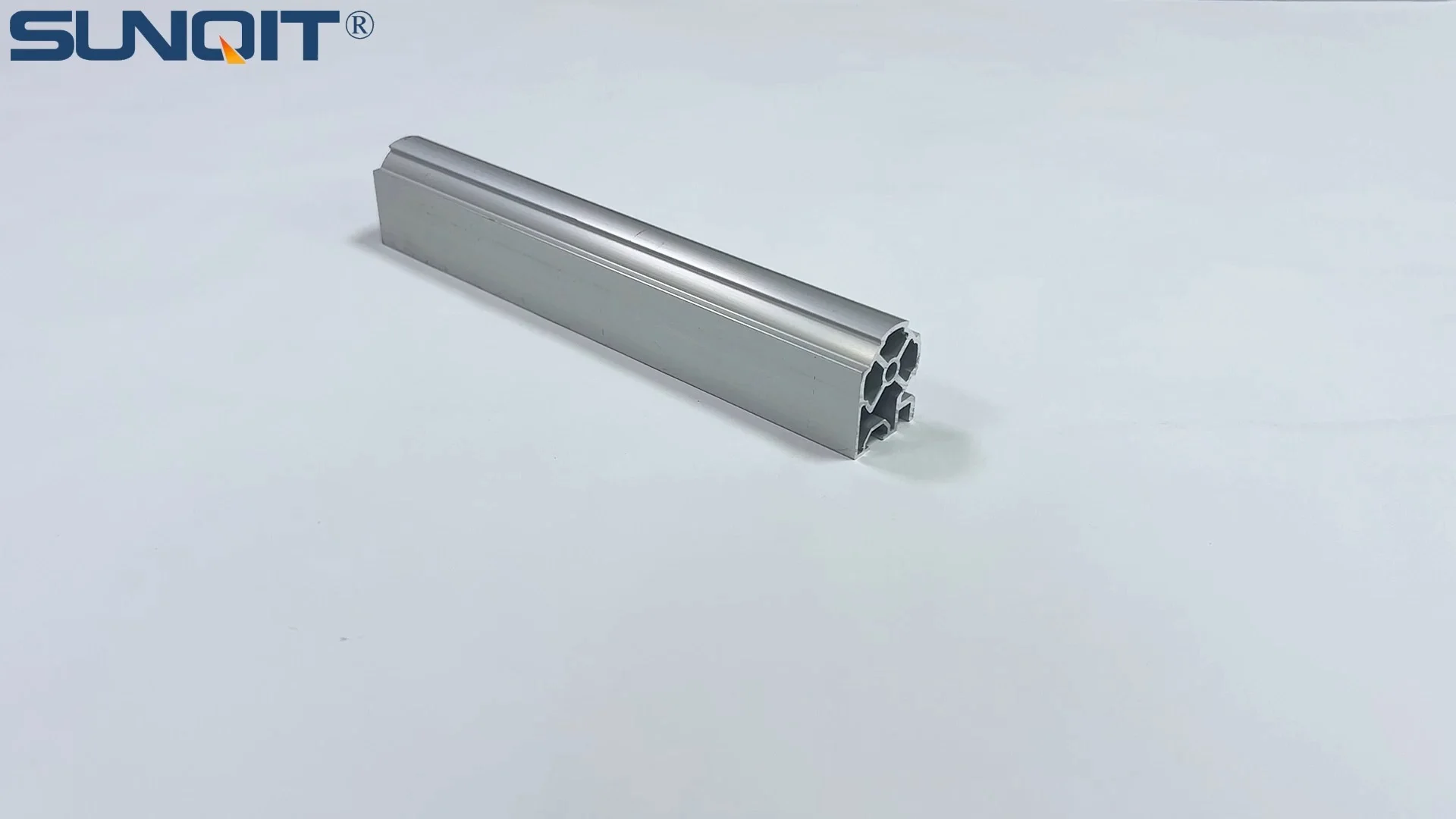
Aluminum pipe with tray holder,the pipe one side connected by a joint, the other side with a slot which can hold a tray or a aluminum pannel.
Step into a 2025 manufacturing facility, and you'll notice a subtle yet impactful shift in how workspaces are organized. Gone are the days of rigid, one-size-fits-all equipment that clogs workflows and stifles adaptability. Instead, there's a quiet hero transforming floor layouts: the aluminum pipe with tray holder. More than just a tool for holding parts, this unassuming component has evolved into a cornerstone of modern manufacturing design—blending durability, flexibility, and sustainability to meet the demands of leaner, more dynamic production environments. In this article, we'll explore the key design trends shaping aluminum pipe with tray holders in 2025, from material innovations to integration with smart manufacturing systems, and how they're empowering factories to work smarter, not harder.
Material Innovations: Beyond Basic Aluminum
The first thing that strikes you about 2025's aluminum pipe with tray holders is their material quality. While aluminum has long been favored for its lightweight properties, manufacturers are now pushing the boundaries with advanced alloys and coatings that redefine durability and functionality. Traditional steel pipes, once the go-to for heavy-duty applications, are increasingly being replaced by aluminum lean pipe —a hybrid material that combines the strength of steel with the corrosion resistance and flexibility of aluminum. These pipes are often reinforced with internal structural weaves, allowing them to support heavier loads (up to 500 lbs per linear foot in some cases) without sacrificing the agility that makes aluminum so popular.
But it's not just about the pipes themselves. The tray holders, too, are getting a material makeover. Many now feature a composite blend of aluminum and high-density polyethylene (HDPE), which reduces weight by 15-20% compared to all-metal designs while improving impact resistance. This is a game-changer for assembly lines where trays are frequently loaded and unloaded; the lighter weight reduces operator fatigue, while the HDPE coating minimizes scratches on delicate components like circuit boards or precision machinery parts.
Another notable trend is the rise of anodized finishes. Unlike traditional paint, anodization creates a protective layer by oxidizing the aluminum's surface, resulting in a finish that's 300% more resistant to chipping and fading. Factories operating in harsh environments—such as those with high humidity or exposure to chemicals—are particularly drawn to this feature. A leading automotive parts manufacturer in Michigan, for example, reported a 40% reduction in maintenance costs after switching to anodized aluminum tray holders, as they no longer needed to repaint or replace rusted components every six months.
Functional Design Trends: Adaptability at the Core
Modular Tray Systems for Dynamic Workflows
2025's manufacturing floors aren't static, and neither are their tools. The days of fixed tray holders bolted to workbenches are fading, replaced by modular systems that can be reconfigured in minutes. Central to this shift are aluminum profile accessories —small, versatile components like quick-release brackets, adjustable dividers, and sliding rail systems that let operators customize tray layouts on the fly. Imagine a workbench where a tray holder can be moved from left to right with a simple lever, or dividers that snap into place to separate different-sized parts—no tools required. This flexibility is critical for factories handling multiple product lines; a single workbench can transition from assembling smartphones in the morning to packaging medical devices in the afternoon, with tray holders adapting seamlessly.
One popular design is the "tiered tray system," where holders are stacked vertically using telescoping aluminum pipes. Each tier can be adjusted in height by up to 12 inches, allowing operators to keep frequently used parts at eye level and less critical items below. This not only saves space but also reduces the time spent bending or reaching, which ergonomics experts say can cut down on workplace injuries by up to 25%. A electronics manufacturer in Malaysia implemented this design and saw a 15% increase in assembly line speed, as workers spent less time searching for tools and more time on actual production.
Integrated Ergonomics: Putting Operators First
Ergonomics has moved from a "nice-to-have" to a "must-have" in manufacturing, and aluminum pipe tray holders are leading the charge. Many 2025 models now feature tilt-adjustable trays, which can be angled between 0-30 degrees to reduce neck and wrist strain. For example, workers assembling small parts like screws or washers often hunch over flat trays, leading to chronic back pain. By tilting the tray to match their line of sight, operators can maintain a neutral spine position, significantly lowering the risk of long-term injuries.
Another ergonomic innovation is the addition of spring-loaded tray stops. These small, unobtrusive mechanisms prevent trays from sliding off the pipe racks when bumped—a common issue in busy factories. The stops automatically retract when the tray is lifted, making loading and unloading a one-handed operation. A survey of operators using these stops found that 87% reported feeling less stressed during their shifts, citing the reduced need to constantly monitor tray stability.

Integration with Lean Systems: Streamlining Workflows
At the heart of modern manufacturing is the lean system philosophy—eliminating waste, optimizing flow, and continuous improvement. Aluminum pipe with tray holders are now being designed specifically to align with these principles, acting as physical enablers of lean practices. Take the concept of "5S" (Sort, Set in Order, Shine, Standardize, Sustain), for instance. Tray holders are increasingly color-coded to match 5S protocols: red for defective parts, green for completed items, and yellow for work-in-progress. This visual cue reduces errors by 30% or more, as operators can instantly identify where each component belongs without checking labels.
Flow is another area where these systems excel. Flow racks , which use gravity to move parts from the loading end to the picking end, are being paired with aluminum pipe tray holders to create "super flow" systems. The key here is the precision of the aluminum rails; they're engineered to have a consistent slope (typically 2-3 degrees) that ensures parts glide smoothly without jamming. A furniture manufacturer in North Carolina recently reconfigured its upholstery line with such a setup, and the result was a 22% reduction in lead time for sofa production. Parts now flow directly to the sewing stations via the racks, eliminating the need for workers to walk to a central storage area—a waste of time that added up to 45 minutes per shift per operator.
Just-in-time (JIT) production is also getting a boost from smart tray holders. Some models now come with embedded RFID tags that track inventory levels in real time. When a tray's part count drops below a threshold, the system automatically sends an alert to the warehouse, triggering a restock. This prevents stockouts and overstocking, two common sources of waste in lean manufacturing. A pharmaceutical packaging plant in Germany reported cutting inventory holding costs by 18% after implementing these RFID-enabled holders, as they could now maintain smaller buffer stocks without risking production delays.
| Lean Principle | Traditional Tray Holders | 2025 Aluminum Tray Holders | Impact |
|---|---|---|---|
| Sort (5S) | Generic bins with handwritten labels | Color-coded, labeled trays with RFID tracking | 30% reduction in misplacement errors |
| Set in Order (5S) | Fixed positions, hard to reconfigure | Modular brackets, tool-less adjustments | 50% faster changeover between product lines |
| Flow Optimization | Manual part transport via carts | Integrated with flow racks and gravity rails | 25% reduction in material handling time |
| JIT Inventory | Manual stock checks | RFID-enabled auto-replenishment alerts | 18% lower inventory holding costs |

Sustainability: Green Manufacturing in Action
Sustainability is no longer a buzzword in manufacturing—it's a business imperative. Aluminum pipe with tray holders are stepping up to the plate here, with designs that prioritize eco-friendliness from production to disposal. Aluminum itself is infinitely recyclable, and 2025's pipes are made from at least 70% recycled content on average. This not only reduces the carbon footprint of production (recycling aluminum uses 95% less energy than producing it from bauxite ore) but also lowers costs, as recycled aluminum is often cheaper than virgin material.
Transportation is another area where sustainability shines. The lightweight nature of aluminum means that a single truck can carry 30% more pipe and tray holder units compared to steel alternatives. This reduces the number of delivery trips, cutting greenhouse gas emissions. A supplier in Texas calculated that switching to aluminum-based products reduced its annual delivery-related emissions by 26 tons—equivalent to taking 5 cars off the road for a year.
Even the end of life is considered. Many manufacturers now offer take-back programs for old aluminum tray holders, which are then melted down and reused to make new products. This closed-loop system appeals to companies with strict sustainability goals, such as those aiming for carbon neutrality by 2030. A European automotive group recently included these take-back programs in its supplier contracts, requiring all aluminum components to have a 100% recycling rate. The result? A 12% reduction in the group's overall waste-to-landfill metrics within the first year.
Customization and Aluminum Profile Accessories : Tailoring to Unique Needs
No two factories are the same, and 2025's aluminum pipe with tray holders embrace this reality through unprecedented customization options. At the center of this are aluminum profile accessories —a vast ecosystem of brackets, connectors, and adapters that let users build almost any configuration imaginable. Need a tray holder that can pivot 360 degrees? There's a swivel joint for that. Want to attach a tool hook to the side of the pipe? A clamp-on accessory does the job in seconds. These accessories are designed to be compatible across brands, so a manufacturer using pipes from Supplier A can mix and match with accessories from Supplier B without issues.
One of the most popular customization trends is height adjustability. Many aluminum pipe systems now feature telescoping pipes with quick-lock levers, allowing operators to raise or lower tray holders by up to 3 feet. This is especially valuable in facilities with operators of varying heights, as each workstation can be tailored to the individual. A food processing plant in California, which employs a diverse workforce with heights ranging from 5'2" to 6'5", reported a 19% reduction in workplace injuries after installing these adjustable systems. Ergonomic assessments showed that operators were now working in neutral postures, with fewer instances of bending or stretching to reach trays.
Custom sizing is also on the rise. Traditionally, tray holders came in standard lengths (24", 36", 48"), but manufacturers now offer made-to-order sizes with minimal lead times. A aerospace parts manufacturer, for example, needed extra-long tray holders (72") to accommodate large turbine blades. The supplier delivered the custom units in just 10 days, compared to the 4-6 weeks it would have taken for a steel alternative. This agility is crucial in industries with tight production schedules, where delays in equipment delivery can derail entire projects.
Case Studies: Real-World Impact
Case Study 1: Electronics Assembly Plant in Vietnam
A mid-sized electronics manufacturer in Ho Chi Minh City was struggling with bottlenecks in its printed circuit board (PCB) assembly line. The main issue? The existing steel tray holders were heavy and fixed in place, making it hard to reconfigure the line when switching between smartphone and laptop PCBs. Workers were spending 2 hours per shift adjusting equipment, and the steel trays were scratching 5-7% of PCBs during handling—costing the company $120,000 annually in defective products.
The solution: Switch to aluminum lean pipe with modular tray holders and flow racks. The new system featured lightweight aluminum pipes, HDPE-coated trays, and quick-release brackets. Within three months, the results were clear: Line reconfiguration time dropped to 20 minutes per shift, and PCB scratches fell to less than 1%. The company also reported a 15% increase in operator satisfaction, as the lighter trays reduced fatigue. The total ROI? The $85,000 investment paid for itself in 11 months through defect reduction and productivity gains.
Case Study 2: Automotive Parts Supplier in Mexico
A Tier 1 supplier to major automakers was looking to implement lean manufacturing principles but was held back by its outdated storage systems. Its warehouse used static steel shelving, and parts were often misplaced or damaged, leading to stockouts and rush orders. The company's 5S initiative was struggling to gain traction, as there was no standardized way to organize parts.
The fix involved installing aluminum pipe tray holders with color-coded bins, integrated flow racks, and RFID tracking. Red bins were designated for defective parts, green for (passable) parts, and yellow for work-in-progress. The flow racks ensured that parts moved directly to the assembly line, while RFID tags kept inventory levels in check. Within six months, the supplier saw a 28% reduction in stockouts, a 40% drop in misplaced parts, and a 90% compliance rate with 5S standards. Employees noted that the visual organization made training new hires easier, cutting onboarding time by 30%.
Future Predictions: What's Next for Aluminum Pipe Tray Holders?
Looking ahead to 2026 and beyond, the evolution of aluminum pipe with tray holders shows no signs of slowing down. One emerging trend is the integration of smart sensors beyond RFID. Imagine tray holders with built-in weight sensors that not only track inventory but also detect when a part is placed incorrectly—alerting the operator with a subtle vibration. This could reduce picking errors by another 15-20%, a critical improvement for industries like aerospace where even a small mistake can have catastrophic consequences.
3D printing is also poised to play a role. While mass-produced aluminum pipes will remain the norm, custom accessories like brackets or tray dividers could be 3D-printed on-site, allowing for even faster customization. A factory could, for example, design a unique divider for a new part and have it printed in under an hour, eliminating the wait for a supplier. This "on-demand" manufacturing of accessories would further reduce lead times and support continuous improvement efforts.
Sustainability will deepen, too. We're likely to see more bio-based materials integrated into tray holder design, such as plant-derived plastics for coatings or bamboo-reinforced aluminum for certain components. Additionally, energy-harvesting technologies could be embedded in pipe systems—using the motion of trays or vibration from machinery to generate small amounts of electricity, which could power the RFID tags or sensors, reducing reliance on batteries.
Conclusion: The Unsung Hero of Modern Manufacturing
Aluminum pipe with tray holders may not grab headlines like robotics or AI, but they're the unsung heroes of 2025's manufacturing revolution. By combining advanced materials, modular design, and integration with lean systems, they're transforming workspaces from static, inefficient environments into dynamic, adaptable hubs of productivity. Whether it's reducing operator fatigue with lightweight trays, cutting waste through smart inventory tracking, or lowering carbon footprints with recycled aluminum, these systems are proving that even the smallest tools can drive big change.
For manufacturers looking to stay competitive in an increasingly fast-paced global market, investing in modern aluminum pipe with tray holders isn't just a choice—it's a necessity. They're not just pieces of equipment; they're investments in efficiency, sustainability, and the well-being of the people who power our factories. As one plant manager in Ohio put it: "We used to see these tray holders as just 'pipes and bins.' Now? They're the backbone of our lean system. Without them, we couldn't keep up with demand, let alone innovate."
As we move forward, one thing is clear: The future of manufacturing is lean, green, and built on aluminum. And the aluminum pipe with tray holder? It's leading the way.