- Company Articles
- Industry articles
- Industry standards
- Aluminum Pipe with Tray Holder for Medical Supply Storage: Compliance Tips

Aluminum Pipe with Tray Holder for Medical Supply Storage: Compliance Tips
Related Product
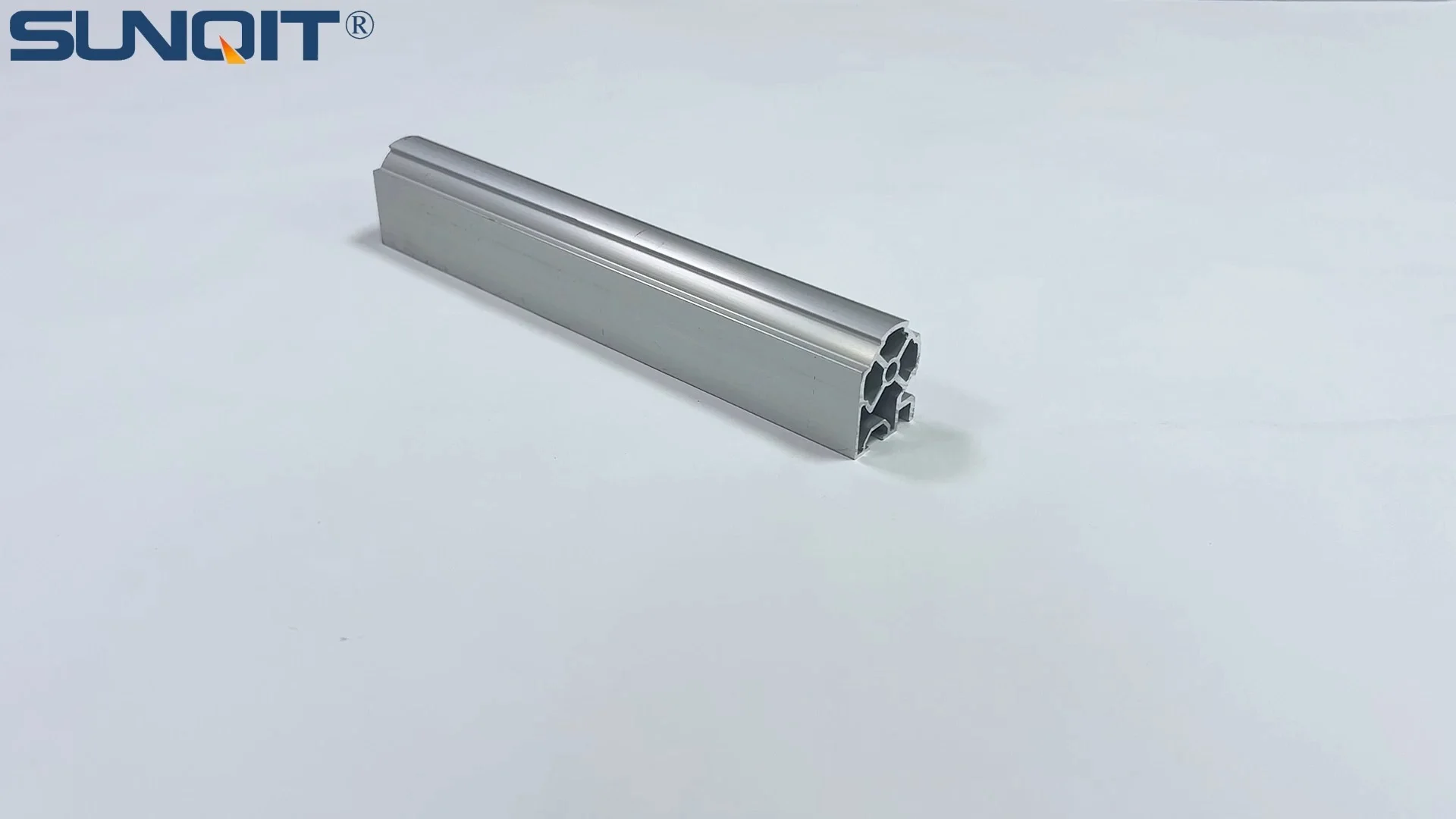
Aluminum Pipe with Tray Holder
Aluminum pipe with tray holder,the pipe one side connected by a joint, the other side with a slot which can hold a tray or a aluminum pannel.
In the fast-paced world of healthcare, where every second counts and patient safety is non-negotiable, the way medical supplies are stored is far more than a logistical afterthought. From sterile bandages and syringes to life-saving medications and surgical tools, the organization, accessibility, and integrity of these items directly impact care quality. Yet, many healthcare facilities overlook a critical component of this process: the storage systems themselves. Enter the aluminum pipe with tray holder—a versatile, durable solution designed to meet the unique demands of medical environments. But beyond its practicality, ensuring this system aligns with strict compliance standards is essential. Let's dive into why aluminum pipe storage stands out, the compliance hurdles it must clear, and actionable tips to keep your facility audit-ready.
Why Aluminum Pipe with Tray Holder Stands Out in Medical Settings
Walk into any hospital, clinic, or laboratory, and you'll likely encounter a maze of storage solutions—from plastic bins to stainless steel racks. But aluminum pipe with tray holder systems are gaining traction, and for good reason. Unlike heavier materials that strain staff during reconfiguration or porous plastics that harbor bacteria, aluminum brings a unique set of advantages tailored to medical storage needs.
Aluminum's Material Edge: Built for Cleanliness and Durability
Aluminum is naturally corrosion-resistant, a non-negotiable trait in environments where frequent cleaning with harsh disinfectants is routine. Unlike steel, which can rust over time, aluminum forms a protective oxide layer that shields it from moisture and chemicals—critical for areas like operating rooms or pharmacies where spills are common. Its non-porous surface also resists bacterial growth, a key factor in preventing cross-contamination. Add to that its lightweight nature, and you get a system that's easy to assemble, reposition, or expand without compromising structural stability. When paired with a tray holder—typically made from the same aluminum or food-grade plastic—this setup becomes a customizable hub for organizing supplies by type, frequency of use, or sterility status.
Tray Holder Design: Flexibility Meets Function
What truly sets aluminum pipe with tray holder systems apart is their modularity. Unlike fixed shelving, these systems use aluminum profile accessories—like joints, clamps, and brackets—to let you adjust tray heights, add dividers, or even reconfigure the entire unit as storage needs change. For example, a busy emergency department might need deep trays for bulky trauma supplies, while a pediatric clinic could opt for shallow, labeled trays to separate vaccines and small tools. This flexibility isn't just about convenience; it's about efficiency. When staff can quickly locate items, treatment times shorten, and the risk of errors drops. And because the tray holders are often detachable, cleaning becomes a breeze—simply remove them, sanitize, and reattach, ensuring no hidden crevices trap debris.
| Material | Corrosion Resistance | Cleanability | Weight (for Mobility) | Compliance with Medical Standards |
|---|---|---|---|---|
| Aluminum Pipe | High (natural oxide layer) | Excellent (non-porous, easy to disinfect) | Lightweight (easy to reconfigure) | Meets FDA, ISO 13485 (with proper certification) |
| Stainless Steel | High (but heavier) | Good (but prone to fingerprints/smudges) | Heavy (harder to move/adjust) | Meets standards but costlier |
| Plastic | Medium (varies by type) | Poor (porous; can harbor bacteria) | Lightweight | May not meet ISO 13485 for sterility |
Key Compliance Standards for Medical Storage Solutions
Before diving into tips, it's crucial to understand the compliance landscape. Medical storage systems aren't just "good enough" if they hold supplies—they must adhere to rigorous standards set by regulatory bodies. The most influential include:
- FDA Regulations: The U.S. Food and Drug Administration (FDA) classifies some storage systems as "medical devices" if they directly contact sterile supplies. These systems must meet Good Manufacturing Practices (GMP) for materials and design, ensuring they don't leach harmful substances or compromise sterility.
- ISO 13485: This international standard specifies quality management systems for medical device manufacturers. For storage solutions, it mandates traceability (e.g., batch numbers for aluminum pipes), documentation of material certifications, and validation of cleaning processes.
- CDC Guidelines: The Centers for Disease Control and Prevention (CDC) outlines protocols for infection control, including requirements for storage surfaces to be "easily cleanable and non-absorbent" to prevent pathogen spread.
Falling short of these standards can lead to audits, fines, or even temporary shutdowns. But with the right approach, aluminum pipe with tray holder systems can not only meet but exceed these requirements.

Compliance Tips: Ensuring Your Aluminum Pipe Storage System Checks All Boxes
1. Start with Certified Materials
Not all aluminum is created equal. To comply with FDA and ISO standards, your aluminum pipe must be sourced from a reputable aluminum profile supplier that provides material certifications. Look for alloys like 6061 or 6063—common in medical applications— which are known for their strength and corrosion resistance. Ask for mill test reports (MTRs) that verify the aluminum's composition, ensuring it's free from heavy metals or impurities that could leach into supplies. For tray holders, opt for food-grade or medical-grade plastics (like HDPE) that are BPA-free and meet USP Class VI standards for biocompatibility. Avoid generic plastics, as they may degrade under disinfectants or release harmful chemicals over time.
2. Design for Cleanability—No Exceptions
The CDC's emphasis on "easily cleanable" surfaces isn't just a suggestion—it's a mandate. When designing your aluminum pipe system, prioritize features that simplify disinfection: rounded edges to avoid sharp corners where dirt accumulates, smooth welds (if any) that don't trap debris, and minimal crevices between pipes and tray holders. Avoid decorative elements like intricate patterns or textured finishes, which can harbor bacteria. Instead, opt for flat, smooth tray bottoms and open shelving (rather than closed cabinets) to allow air circulation and easy visual inspection. If using aluminum profile accessories like clamps or joints, ensure they're designed to be disassembled for deep cleaning—some suppliers offer quick-release joints that let you take apart sections without tools, making sanitization faster and more thorough.
3. Validate Load Capacity and Safety
A storage system that collapses under the weight of supplies isn't just a compliance risk—it's a safety hazard. Before installation, work with your aluminum pipe supplier to determine the system's maximum load capacity, factoring in both the aluminum pipe's strength and the tray holder's weight limits. Conduct load tests in-house, gradually adding weight to simulate real-world use, and document the results. Label each section of the system with its load limit (e.g., "Max 50 lbs per tray") to prevent overloading. Additionally, ensure the system is stable: use locking casters (if mobile) to prevent tipping, and anchor tall units to walls if needed. Remember, OSHA also regulates workplace safety, so unstable storage could lead to citations even if it meets medical standards.
4. Integrate with Lean Systems for Efficiency and Accountability
Efficiency and compliance go hand in hand. A disorganized storage system not only slows down care but also makes it harder to track supplies—critical for meeting FDA traceability requirements. This is where integrating your aluminum pipe system with lean principles shines. Lean systems focus on minimizing waste, and aluminum's modularity aligns perfectly with this goal. For example, using a "5S" approach (Sort, Set in Order, Shine, Standardize, Sustain), you can organize trays by frequency of use: place high-demand items at eye level, low-demand items on lower or upper shelves, and sterile supplies in dedicated, labeled trays. Use color-coded dividers or labels to separate expired from active supplies, reducing the risk of using outdated materials. By standardizing this setup, you create a system where every item has a "home," making audits faster and inventory checks more accurate. Plus, lean systems often include documentation processes—like checklists for cleaning or restocking—that serve as proof of compliance during inspections.
5. Don't Overlook ESD Protection (If Applicable)
In settings like laboratories or pharmaceutical manufacturing, electrostatic discharge (ESD) can damage sensitive equipment or even alter the composition of certain medications. If your aluminum pipe system is near ESD workstations—where staff handle electronics or delicate supplies—consider grounding the aluminum pipes. While aluminum itself is conductive, adding ESD-safe tray liners or using ESD-certified aluminum profile accessories can prevent static buildup. Work with your supplier to ensure the system meets ANSI/ESD S20.20 standards, which outline requirements for ESD control in electronics manufacturing. Even if ESD isn't a primary concern, documenting these measures shows regulators you've considered all potential risks to supply integrity.

Maintenance: Keeping Compliance Alive Long-Term
Compliance isn't a one-time achievement—it's an ongoing commitment. Even the best aluminum pipe system will fail audits if neglected. Establish a regular maintenance schedule that includes:
- Weekly Inspections: Check for loose joints, bent pipes, or damaged tray holders. Tighten aluminum profile joints as needed, and replace worn parts immediately—don't wait for a failure.
- Monthly Deep Cleaning: Disassemble tray holders, wipe down pipes with approved disinfectants (follow the manufacturer's guidelines for compatibility), and inspect for signs of corrosion or pitting. Document each cleaning with dates and staff initials.
- Quarterly Reconfiguration Reviews: As storage needs change, reconfigure the system using aluminum profile accessories—but ensure any new setup still meets load capacity and cleanability standards. update labels and inventory lists accordingly.
Conclusion: Investing in Compliance, Investing in Care
Aluminum pipe with tray holder systems offer healthcare facilities a winning combination of durability, flexibility, and cleanliness. But their true value lies in their ability to align with strict compliance standards—from FDA regulations to CDC infection control guidelines. By prioritizing certified materials, designing for cleanability, integrating lean systems, and maintaining rigorously, you're not just avoiding fines; you're creating a storage environment that supports safer, more efficient care. After all, in healthcare, every detail matters—and a compliant storage system is one detail that can make all the difference.