- Company Articles
- Industry articles
- Industry standards
- Aluminum Pipe with Tray Holder Global Standards: ISO Compliance Guide

Aluminum Pipe with Tray Holder Global Standards: ISO Compliance Guide
Related Product
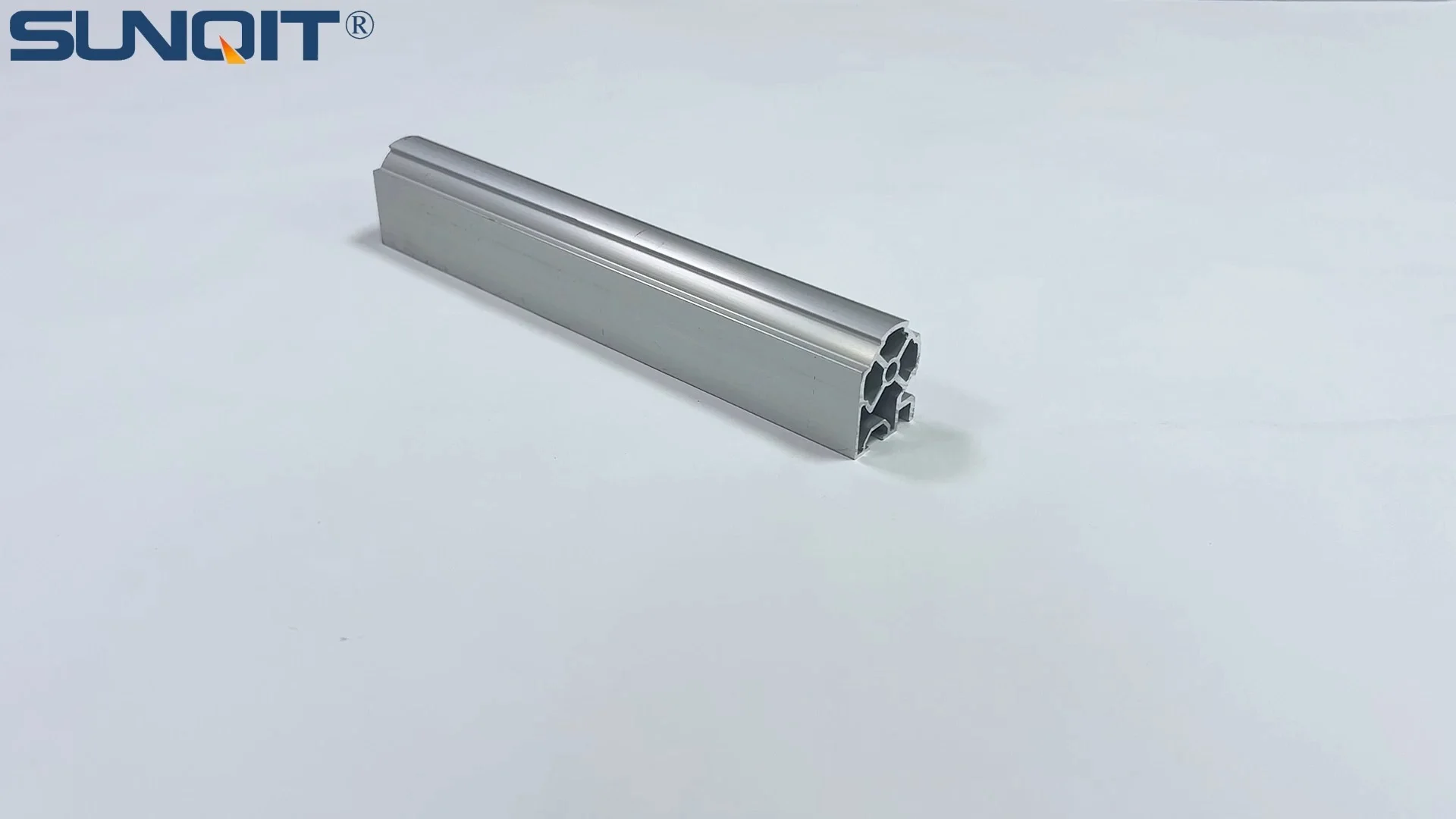
Aluminum Pipe with Tray Holder
Aluminum pipe with tray holder,the pipe one side connected by a joint, the other side with a slot which can hold a tray or a aluminum pannel.
Navigating quality, safety, and efficiency in modern manufacturing systems
Introduction: The Backbone of Modern Manufacturing
In the fast-paced world of production lines and lean systems, every component plays a silent yet critical role in keeping operations running smoothly. Among these unsung heroes are aluminum pipes with tray holders—versatile, durable, and essential for organizing materials, streamlining workflows, and maintaining the "lean" principles that drive today's most efficient factories. But what ensures that these components don't just look the part, but consistently perform under pressure? The answer lies in global standards, particularly those set by the International Organization for Standardization (ISO).
ISO compliance isn't just a stamp of approval; it's a promise. A promise that the aluminum pipe with tray holder you install on your factory floor meets rigorous benchmarks for quality, safety, and reliability. For manufacturers, suppliers, and end-users alike, understanding these standards isn't optional—it's the foundation of building systems that reduce waste, minimize downtime, and scale with confidence. In this guide, we'll dive deep into what ISO compliance means for aluminum pipes with tray holders, why it matters, and how to ensure the products you choose measure up.
Understanding Aluminum Pipe with Tray Holder: More Than Just Metal and Trays
Before we explore standards, let's clarify what we're talking about. An aluminum pipe with tray holder is exactly what it sounds like: a lightweight yet sturdy aluminum pipe (often part of an aluminum lean pipe system) paired with a tray or shelf designed to hold tools, parts, or materials. These components are the building blocks of workbenches, material racks, and assembly line stations—think of them as the "skeleton" that supports a factory's daily operations.
What sets aluminum versions apart? Unlike traditional steel pipes, aluminum lean pipes offer a winning combination of strength and flexibility. They're resistant to corrosion, easy to assemble and reconfigure (thanks to compatible aluminum profile accessories), and lightweight enough to reduce strain on workers and equipment. When paired with a tray holder, they become dynamic storage solutions that adapt to changing production needs—whether you're organizing small electronic components on an ESD workstation or heavy machinery parts on a material rack.
But here's the catch: not all aluminum pipes with tray holders are created equal. A poorly made pipe might bend under load, a flimsy tray holder could fail, or incompatible accessories could derail an entire system. That's where ISO standards step in—they eliminate the guesswork by defining clear criteria for everything from material composition to load-bearing capacity.

Why ISO Standards Matter in Industrial Components
The International Organization for Standardization (ISO) is a non-governmental body that develops and publishes standards to ensure products, services, and systems are safe, reliable, and of good quality. With members from 167 countries, ISO standards are globally recognized—meaning a product compliant with ISO in Germany is just as trustworthy in Japan, Brazil, or the United States.
For aluminum pipes with tray holders, ISO standards serve three key purposes:
- Quality Assurance: They set minimum requirements for materials, design, and manufacturing processes, ensuring products perform as intended.
- Safety: They establish guidelines for load limits, structural integrity, and hazard prevention, protecting workers and equipment.
- Compatibility: They ensure components from different suppliers work together seamlessly—critical for lean systems that often combine parts from multiple sources.
Without these standards, manufacturers would face a fragmented market of incompatible parts, varying quality levels, and increased risk of accidents. For buyers, ISO compliance acts as a shortcut to trust—allowing them to focus on innovation rather than verifying every product's credentials from scratch.

Key ISO Standards for Aluminum Pipe with Tray Holder
When it comes to aluminum pipes with tray holders, several ISO standards are particularly relevant. Let's break them down:
1. ISO 9001: Quality Management Systems
ISO 9001 isn't specific to aluminum products, but it's foundational. This standard outlines requirements for a quality management system (QMS), ensuring that suppliers (like aluminum pipe suppliers or lean system suppliers) have processes in place to consistently deliver products that meet customer and regulatory requirements. For example, a supplier with ISO 9001 certification will have documented procedures for testing raw materials, monitoring production, and addressing customer feedback—all critical for reliable aluminum pipe with tray holders.
2. ISO 10248: Aluminum and Aluminum Alloys – Extruded Profiles for General Engineering Purposes
Aluminum pipes are often extruded, and ISO 10248 is the go-to standard for extruded aluminum profiles. It specifies requirements for chemical composition, mechanical properties (like tensile strength and hardness), and dimensional tolerances. For an aluminum pipe with tray holder, this means the pipe itself must be made from an alloy that can withstand the intended load without deforming, and its dimensions (diameter, wall thickness) must be consistent to ensure compatibility with accessories like joints or brackets.
3. ISO 4287: Geometrical Product Specifications (GPS) – Surface Texture: Profile Method – Terms, Definitions, and Surface Texture Parameters
The surface finish of an aluminum pipe matters more than you might think. A rough surface could cause friction issues with moving parts, while a too-smooth finish might compromise grip for accessories. ISO 4287 defines parameters for surface texture, ensuring the pipe's surface is suitable for its intended use—whether it's being paired with a tray holder that slides along its length or bolted into a fixed position on a workbench.
4. ISO 10209: Aluminum and Aluminum Alloys – Anodized Coatings – Specifications
Many aluminum pipes are anodized (a process that adds a protective oxide layer) to enhance corrosion resistance and durability. ISO 10209 sets standards for the thickness, adhesion, and corrosion resistance of these coatings. For a tray holder in a humid factory environment, for example, a compliant anodized coating ensures the pipe won't rust or degrade over time, extending the product's lifespan.
5. ISO 8015: General Tolerances – Geometrical Product Specifications (GPS) – Tolerances for Linear and Angular Dimensions Without Individual Tolerance Indications
Even small variations in dimensions can throw off a lean system. ISO 8015 defines general tolerances for linear and angular dimensions, ensuring that components like tray holders, brackets, and aluminum profile accessories fit together without gaps or misalignments. For example, the holes in a tray holder must align precisely with the mounting points on the aluminum pipe—ISO 8015 ensures this happens consistently.
Real-World Impact: How ISO Compliance Saved a Manufacturer $50,000 Annually
A mid-sized electronics manufacturer in Southeast Asia was struggling with frequent jams on their assembly line. The culprit? Inconsistent material racks built with non-compliant aluminum pipes. The pipes, sourced from a local supplier, varied in diameter by up to 2mm, causing tray holders to stick or slide unevenly. After switching to ISO 10248-compliant aluminum pipes and ISO 8015-certified accessories, the jams decreased by 90%, reducing downtime and saving an estimated $50,000 per year in lost productivity. "We used to spend hours adjusting the racks," said the plant manager. "Now, we set them up once and forget about them."
ISO Compliance Requirements: What Manufacturers Must Do
To earn ISO compliance, manufacturers of aluminum pipes with tray holders must navigate a rigorous process. Here's a step-by-step look at what's involved:
1. Material Testing
First, the raw aluminum must meet ISO 10248 standards for chemical composition and mechanical properties. This involves testing samples for elements like copper, magnesium, and zinc (which affect strength and corrosion resistance) and conducting tensile tests to ensure the alloy can withstand specified loads. For example, 6063 aluminum—commonly used in lean systems—must have a tensile strength of at least 110 MPa, as per ISO 10248.
2. Design Validation
The design of the pipe and tray holder must be validated for structural integrity. This includes computer simulations or physical tests to ensure the tray holder can support its intended load (e.g., 50kg per shelf) without bending or breaking. ISO 8015 tolerances must be applied to all dimensions, from the pipe's outer diameter to the spacing of tray holder brackets.
3. Production Process Control
Under ISO 9001, manufacturers must document and monitor their production processes. This includes everything from extrusion temperatures for aluminum pipes to the torque used to fasten tray holder brackets. Regular audits ensure these processes remain consistent—critical for avoiding defects.
4. Finishing and Coating
If the aluminum pipe is anodized, the coating must meet ISO 10209 standards. This involves testing the coating's thickness (typically 5-20μm for industrial use), adhesion (via scratch tests), and corrosion resistance (via salt spray tests). Tray holders may also require surface treatments, like powder coating, which must comply with additional ISO standards for durability.
5. Final Inspection and Certification
Before products leave the factory, they undergo final inspection. This includes checking dimensions against ISO 8015 tolerances, verifying load capacity, and ensuring all accessories (like brackets or fasteners) meet their respective standards. Once all requirements are met, the manufacturer can apply for ISO certification through an accredited body, which conducts regular audits to maintain compliance.
| ISO Standard | Focus Area | Key Requirement for Aluminum Pipe with Tray Holder |
|---|---|---|
| ISO 9001 | Quality Management | Documented processes for material testing, production, and customer feedback. |
| ISO 10248 | Aluminum Extrusions | Alloy composition (e.g., 6063 aluminum), tensile strength ≥110 MPa, dimensional consistency. |
| ISO 10209 | Anodized Coatings | Coating thickness 5-20μm, adhesion resistance, 500+ hours salt spray corrosion resistance. |
| ISO 8015 | General Tolerances | Linear dimension tolerances ±0.1mm, angular tolerances ±0.5°. |
Benefits of Choosing ISO-Compliant Aluminum Pipe with Tray Holder
Investing in ISO-compliant aluminum pipes with tray holders isn't just about meeting regulations—it's about unlocking tangible benefits for your business. Here's why it pays off:
1. Enhanced Durability and Longevity
ISO-compliant products are built to last. The rigorous material testing and quality controls ensure that the aluminum pipe won't bend, crack, or corrode prematurely. This means fewer replacements, lower maintenance costs, and a longer lifespan for your lean system.
2. Improved Safety
ISO standards prioritize safety. A compliant tray holder will have a verified load capacity, reducing the risk of collapses that could injure workers or damage equipment. For example, ISO 10248 ensures the aluminum pipe can support the tray's weight without deforming, while ISO 8015 ensures brackets don't loosen due to dimensional inconsistencies.
3. Seamless Compatibility
Lean systems thrive on compatibility. ISO-compliant aluminum profile accessories, pipe joints, and tray holders work together seamlessly, whether you're expanding an existing setup or integrating new components. This flexibility is critical for adapting to changing production needs.
4. Global Market Access
For manufacturers and suppliers, ISO compliance opens doors to global markets. Many countries require ISO certification for industrial imports, and even domestic buyers often prioritize compliant products. This can expand your customer base and increase revenue opportunities.
5. Reduced Total Cost of Ownership
While compliant products may have a higher upfront cost, they save money in the long run. Fewer breakdowns, lower maintenance, and longer lifespans mean a lower total cost of ownership (TCO) compared to cheaper, non-compliant alternatives. As the electronics manufacturer in our earlier case study discovered, the ROI can be significant.
How to Verify ISO Compliance as a Buyer
As a buyer, it's your responsibility to ensure the aluminum pipes with tray holders you purchase are truly ISO compliant. Here's how to verify:
1. Ask for Certification Documents
Reputable suppliers will provide copies of their ISO certificates (e.g., ISO 9001 for quality management, ISO 10248 for aluminum extrusions). Check that the certificates are issued by an accredited body (look for logos like UKAS, ANAB, or JAS-ANZ) and that they're up to date (certifications typically expire after 3 years and require annual audits).
2. Request Test Reports
Ask for material test reports (MTRs) that show the aluminum alloy meets ISO 10248 standards and coating test reports (per ISO 10209) for anodized pipes. These reports should include details like chemical composition, tensile strength, and corrosion resistance test results.
3. Inspect the Product
Even with certificates, a physical inspection can reveal red flags. Check for consistent dimensions (use a caliper to measure pipe diameter), smooth surface finishes (no dents or scratches), and secure tray holder attachments. If possible, test the load capacity with weights up to the specified limit to ensure stability.
4. Audit the Supplier
For large orders, consider auditing the supplier's facility. This allows you to verify their production processes, quality control measures, and adherence to ISO standards firsthand. Many lean system suppliers welcome audits as a way to build trust with customers.
5. Check for Traceability
ISO-compliant manufacturers often use batch numbers to track products from raw material to finished goods. Ask if the aluminum pipes and tray holders have batch numbers, and request documentation linking those numbers to test reports. This ensures accountability if issues arise later.
Future Trends: Where ISO Standards for Aluminum Components Are Heading
ISO standards are constantly evolving to keep pace with technological advancements and industry needs. Here's what to watch for in the coming years:
1. Sustainability Integration
As sustainability becomes a global priority, ISO is likely to introduce stricter standards for recycled aluminum content and energy-efficient manufacturing processes. Future versions of ISO 10248 may include criteria for recycled aluminum alloys, while ISO 9001 could incorporate environmental management practices (aligning with ISO 14001, the standard for environmental management systems).
2. Smart Manufacturing Compatibility
Industry 4.0 is transforming factories with IoT sensors and data-driven systems. Future ISO standards may include requirements for aluminum pipes and tray holders to integrate with smart technologies—for example, embedding RFID tags for inventory tracking or designing pipes that accommodate sensor mounts for real-time load monitoring.
3. Enhanced Safety for ESD Environments
Electrostatic discharge (ESD) is a critical concern in electronics manufacturing. ISO standards may soon include specific requirements for ESD-safe aluminum pipes and tray holders, ensuring they dissipate static electricity to protect sensitive components. This could align with standards like ANSI/ESD S20.20, creating a unified framework for ESD workstation safety.
Conclusion: Compliance as a Competitive Advantage
In the world of lean systems and industrial manufacturing, aluminum pipes with tray holders are more than just tools—they're the infrastructure that supports innovation, efficiency, and growth. ISO compliance isn't a burden; it's a roadmap to building better systems, safer workplaces, and more resilient businesses.
Whether you're a manufacturer looking to expand globally, a supplier aiming to build trust, or an end-user striving for maximum productivity, prioritizing ISO-compliant aluminum pipes with tray holders is a decision that pays dividends. It ensures quality, enhances safety, and unlocks the full potential of your lean system.
So, the next time you're sourcing aluminum profile accessories, aluminum lean pipes, or tray holders, remember: ISO compliance isn't just a label. It's a promise of excellence—and in today's competitive market, that's the edge that matters.