- Company Articles
- Industry articles
- Industry standards
- Aluminum Pipe with Tray Holder Safety Standards: Ensuring Workplace Security

Aluminum Pipe with Tray Holder Safety Standards: Ensuring Workplace Security
Related Product
Aluminum Pipe with Tray Holder
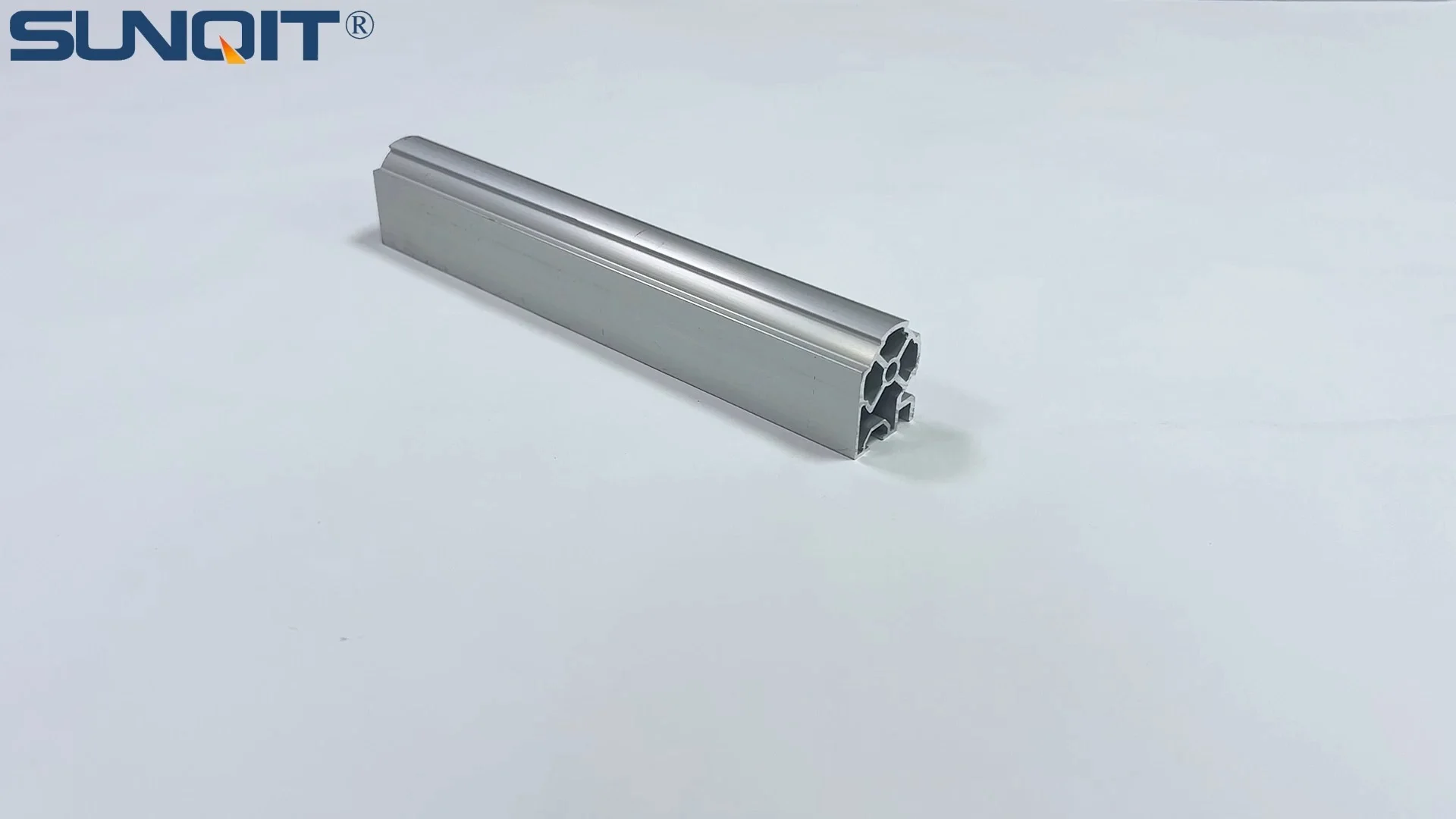
Aluminum pipe with tray holder,the pipe one side connected by a joint, the other side with a slot which can hold a tray or a aluminum pannel.
Walk into any manufacturing plant, assembly workshop, or logistics warehouse, and you'll likely spot them: sleek, silver structures holding tools, parts, and materials with quiet efficiency. Aluminum pipe with tray holders are the unsung organizers of the industrial world, quietly streamlining workflows and keeping chaos at bay. But here's the thing—their role isn't just about productivity. Every bolt, every joint, and every inch of those aluminum pipes plays a critical part in keeping workers safe. In a space where heavy loads, fast-paced movement, and constant interaction with equipment are the norm, ignoring the safety standards of these seemingly simple tools can turn a productive day into a disaster. Let's dive into why aluminum pipe with tray holder safety matters, what standards govern their use, and how you can ensure your workplace isn't just efficient, but secure.
Understanding Aluminum Pipe with Tray Holders: More Than Just a "Shelf"
Before we talk safety, let's clarify what we're dealing with. Aluminum pipe with tray holders are modular systems typically made from lightweight yet durable aluminum lean pipe (a type of aluminum pipe designed for flexibility and strength) combined with tray-like attachments. They're used in everything from workbenches to material racks, serving as the backbone for organizing tools, small parts, and even finished products. Unlike fixed steel structures, these systems are adjustable—thanks to aluminum profile accessories like joints, connectors, and brackets—making them ideal for dynamic workplaces where layouts change frequently. But that adjustability? It's a double-edged sword. While it allows for customization, it also means every component, from the pipe itself to the smallest connector, must meet strict safety criteria to avoid failure.
Imagine a workbench in an electronics assembly line. Above it, an aluminum pipe with tray holder holds delicate circuit boards and small tools. If that tray holder is poorly constructed or the aluminum pipe isn't rated for the load, a sudden jolt (from a nearby machine or even a worker bumping into it) could send those components crashing down—damaging parts, disrupting production, and worst of all, injuring someone below. That's why understanding the basics of these systems is the first step in prioritizing safety.
Key Safety Standards: The Rules That Keep Us Safe
Safety standards aren't just suggestions—they're the result of decades of research, accident analysis, and industry best practices. When it comes to aluminum pipe with tray holders, several organizations set the bar, including OSHA (Occupational Safety and Health Administration) in the U.S., ISO (International Organization for Standardization) globally, and regional bodies like the EU's CE marking requirements. These standards cover everything from material quality to load capacity, installation, and maintenance. Let's break down the most critical ones in the table below:
| Standard | Issuing Body | Key Focus Areas | Why It Matters |
|---|---|---|---|
| OSHA 1910.22 | OSHA (U.S.) | General requirements for workrooms, including "aisles and passageways shall be kept clear and in good repair, with no obstruction across or in aisles that could create a hazard." | Ensures aluminum pipe with tray holders don't block walkways or create tripping hazards, even when loaded with materials. |
| ISO 45001 | ISO (Global) | Occupational health and safety management systems, emphasizing risk assessment and hazard control for all workplace equipment. | Requires organizations to identify potential risks from aluminum pipe systems (e.g., overloading, unstable installation) and implement controls. |
| ANSI/ASSE A1264.1 | ANSI (U.S.) | Safety requirements for walking-working surfaces, including load capacity and structural integrity of "storage racks and shelves." | Specifies minimum load ratings for aluminum pipe with tray holders, ensuring they can safely support intended weights without bending or collapsing. |
| EN 1005-2 | CEN (EU) | Safety of machinery: Human physical performance—minimum requirements for handling loads manually. While not specific to aluminum pipes, it impacts how materials are loaded onto tray holders. | Guides how workers should interact with loaded tray holders, preventing strain injuries from lifting heavy items onto unstable surfaces. |
These standards aren't just boxes to check. They're designed to protect workers from falls, crush injuries, and strains—all of which can occur if aluminum pipe with tray holders fail. For example, OSHA 1910.22's focus on clear aisles might seem unrelated, but a tray holder that extends into a walkway because it wasn't installed properly could cause someone to trip and fall into moving machinery. Similarly, ISO 45001's risk assessment requirement ensures you're not just assuming your aluminum pipe system is safe—you're actively testing and verifying it.

Material Safety: Why "Cheap Aluminum" Isn't Worth the Risk
The foundation of any safe aluminum pipe with tray holder system is the material itself. Aluminum is chosen for its strength-to-weight ratio, but not all aluminum pipe is created equal. Low-quality aluminum—often used by suppliers cutting corners—can be prone to bending, cracking, or corrosion, especially in environments with moisture, chemicals, or temperature fluctuations. So, what should you look for in terms of material safety?
First, the aluminum pipe should be made from high-grade alloys, typically 6061 or 6063 aluminum (common in industrial applications for their strength and corrosion resistance). These alloys undergo heat treatment to enhance durability, ensuring the pipe can withstand repeated adjustments (since aluminum lean pipe systems are often reconfigured) without weakening. Second, check for certifications: Reputable suppliers will provide material test reports (MTRs) confirming the alloy composition, tensile strength, and yield strength of their pipes. For example, a good aluminum pipe should have a tensile strength of at least 200 MPa (megapascals)—a measure of how much force it can take before breaking.
Then there are the aluminum profile accessories: joints, brackets, and connectors. These small parts are often overlooked, but they're the glue holding the system together. A weak joint can cause the entire tray holder to wobble or collapse, even if the pipe itself is strong. Look for accessories made from the same high-grade aluminum or steel (for heavier loads), with precision machining to ensure a tight fit. Avoid plastic connectors for heavy-duty applications—they're prone to cracking under stress, especially in high-temperature environments.

Structural Integrity: Building a System That Won't "Wobble"
Even the best materials can't save a poorly designed system. Structural integrity is all about how the aluminum pipe, tray holders, and accessories work together to create a stable, secure structure. Let's start with the basics: installation. When setting up an aluminum pipe with tray holder system, the base matters. If the system is mounted on a workbench, the workbench itself must be stable—no wobbling, no uneven legs. If it's a standalone rack, the feet should be adjustable (using tools like anti-slip adjustable leveling feet) to account for uneven floors, preventing the entire structure from tipping.
For mobile systems—those mounted on casters (yes, caster wheel safety is part of this!)—the casters must be locked when in use to prevent unintended movement. A tray holder rolling unexpectedly because a caster wheel wasn't locked could cause materials to slide off, hitting workers or equipment. Additionally, the caster wheels should be rated for the total load of the system plus the materials it holds. A 50kg-rated caster won't cut it if your loaded tray holder weighs 80kg—over time, the wheels will wear, leading to instability.
Joints and connections are another critical structural element. When assembling the aluminum pipe, each joint should be tightened to the manufacturer's specifications—not too loose (which causes wobbling) and not too tight (which can strip threads or crack the pipe). Use torque wrenches if necessary to ensure consistency. Also, avoid "creative" assembly: Using parts not designed for your specific aluminum pipe (e.g., mixing and matching accessories from different suppliers) can lead to poor fits and structural weaknesses. Remember, these systems are engineered to work with specific components—deviating from that increases risk.
Load Capacity: Know Your Limits (and Stick to Them)
Here's a scenario we've all heard of: A worker piles tools and parts onto an aluminum pipe tray holder, assuming "it looks strong enough," only for the tray to sag and dump everything onto the floor. Load capacity isn't a suggestion—it's a hard limit determined by the manufacturer based on the pipe's thickness, the strength of the tray material, and the design of the supporting structure. Exceeding it is a recipe for disaster.
So, how do you determine the load capacity of your aluminum pipe with tray holder? Start with the manufacturer's data sheet. Reputable suppliers will clearly state the maximum load per linear foot or per tray, considering both static loads (materials sitting still) and dynamic loads (materials being placed or removed, which can create temporary stress). For example, a standard aluminum lean pipe tray holder might have a static load capacity of 50kg per tray, but the dynamic load (when someone is placing a heavy tool on it) could be lower, say 30kg, because of the impact force.
Once you know the limit, label it clearly. A simple sticker on the tray holder stating "MAX LOAD: 50KG" goes a long way in preventing overloading. But labels alone aren't enough—train your team to recognize the signs of overloading: sagging pipes, bending joints, or trays that tilt when loaded. If you notice any of these, remove the materials immediately and inspect the system for damage. Remember, even if a tray holder "seems fine" after being overloaded once, it may have suffered invisible stress (like micro-cracks in the aluminum) that weakens it for future use.
Installation Best Practices: Getting It Right the First Time
You could have the highest-quality aluminum pipe and accessories, but if you install them incorrectly, all that quality goes out the window. Installation is where safety starts, and cutting corners here is never worth the time saved. Let's walk through the key steps to ensure your aluminum pipe with tray holder is installed safely:
1. Plan the Layout First:
Before drilling a single hole or tightening a single joint, map out where the aluminum pipe with tray holder will go. Ensure it's not blocking emergency exits, fire extinguishers, or electrical panels (OSHA 1910.35 covers access to exits, so this is non-negotiable). Also, consider traffic flow—will workers be walking past it frequently? If so, leave at least 3 feet of clearance to prevent collisions.
2. Use the Right Tools and Accessories:
Don't substitute parts or tools. Use the aluminum profile accessories recommended by the manufacturer—mismatched brackets or bolts can lead to loose connections. For example, if the system requires M8 bolts, don't use M6 bolts "because they fit"—they won't provide enough clamping force, leading to instability. Similarly, use a level to ensure the structure is straight; an uneven tray holder will cause materials to slide to one side, overloading that area.
3. Secure the Base:
Whether the system is mounted to a workbench, the floor, or a wall, the base must be anchored properly. For floor-mounted systems, use concrete anchors if possible; for wall-mounted ones, ensure the wall can support the load (drywall alone isn't enough—use studs or a backing plate). If using casters, lock them after positioning, and periodically check the caster wheel brakes for wear.
4. Test Before Full Use:
Once installed, do a "stress test." Load the tray holder to 125% of its rated capacity (temporarily) and check for sagging, creaking, or movement. If it passes, unload it and inspect all joints for looseness. If any part fails, stop using the system and contact the supplier—don't try to "fix" it with duct tape or extra brackets.
Maintenance: Keeping Safety "In Tune" Over Time
Safety isn't a one-and-done task. Even a perfectly installed aluminum pipe with tray holder system will degrade over time, thanks to wear and tear, environmental factors, and repeated use. That's why a regular maintenance schedule is critical. Here's what to include:
Weekly Inspections:
Walk around the system and check for obvious issues: loose joints, bent pipes, cracked tray holders, or damaged aluminum profile accessories. Tighten any loose bolts or connectors immediately. Also, check the labels—are they still readable? If not, replace them.
Monthly Deep Dives:
Use a torque wrench to re-tighten all joints to the manufacturer's specs (vibration from nearby machinery can loosen connections over time). Inspect caster wheels for cracks or flat spots, and lubricate them if they're sticking. For outdoor or high-moisture environments, check for signs of corrosion on aluminum pipes—white, powdery spots indicate oxidation, which weakens the material.
Quarterly Load Tests:
Repeat the 125% load test to ensure the system still meets capacity requirements. This is especially important if the system has been reconfigured (since adjusting aluminum lean pipe can change stress points).
Document Everything:
Keep a log of inspections, repairs, and load tests. This not only helps track the system's health over time but also provides proof of compliance during OSHA or ISO audits.
Real-World Consequences: When Safety Standards Are Ignored
Still not convinced safety standards matter? Let's look at a real example (details anonymized for privacy). A small electronics manufacturer decided to cut costs by purchasing cheap aluminum pipe and accessories from an uncertified supplier. They used these to build tray holders above their assembly workbenches, loading them with heavy power tools and circuit boards. Six months later, during a morning shift, one of the tray holders collapsed—its joints, made from low-quality plastic (instead of aluminum or steel), had cracked from repeated stress. The falling tools injured two workers, one with a fractured arm, and the plant was shut down for a week while OSHA investigated. The result? Fines totaling $12,000, lost productivity, and a damaged reputation. All because they skipped checking material certifications and ignored load capacity limits.
On the flip side, consider a automotive parts warehouse that invested in high-quality aluminum lean pipe systems, followed installation best practices, and trained staff on load limits. They conducted monthly inspections and replaced worn caster wheels promptly. Over five years, they reported zero accidents related to their aluminum pipe with tray holders—and their productivity actually increased, because workers felt confident using the systems without fear of injury. The takeaway? Safety standards aren't a cost—they're an investment in your team and your bottom line.
Conclusion: Safety as a Habit, Not a Checklist
Aluminum pipe with tray holders might not seem like the most "exciting" safety topic, but in the day-to-day rhythm of a busy workplace, they're everywhere—quietly supporting the tools and materials that keep your business running. By prioritizing their safety standards—from choosing high-quality aluminum pipe and accessories to following installation and maintenance protocols—you're not just complying with regulations; you're creating a culture where workers feel valued and protected. And in that kind of culture, productivity isn't just a goal—it's a natural outcome. So, the next time you walk past an aluminum pipe tray holder, take a second to check: Is it secure? Is it labeled? Is it well-maintained? Your team—and your bottom line—will thank you.