- Company Articles
- Industry articles
- Industry News
- Aluminum Pipe with Tray Holder vs Galvanized Steel: Which Is More Eco-Friendly?

Aluminum Pipe with Tray Holder vs Galvanized Steel: Which Is More Eco-Friendly?
Related Product
Aluminum Pipe with Tray Holder
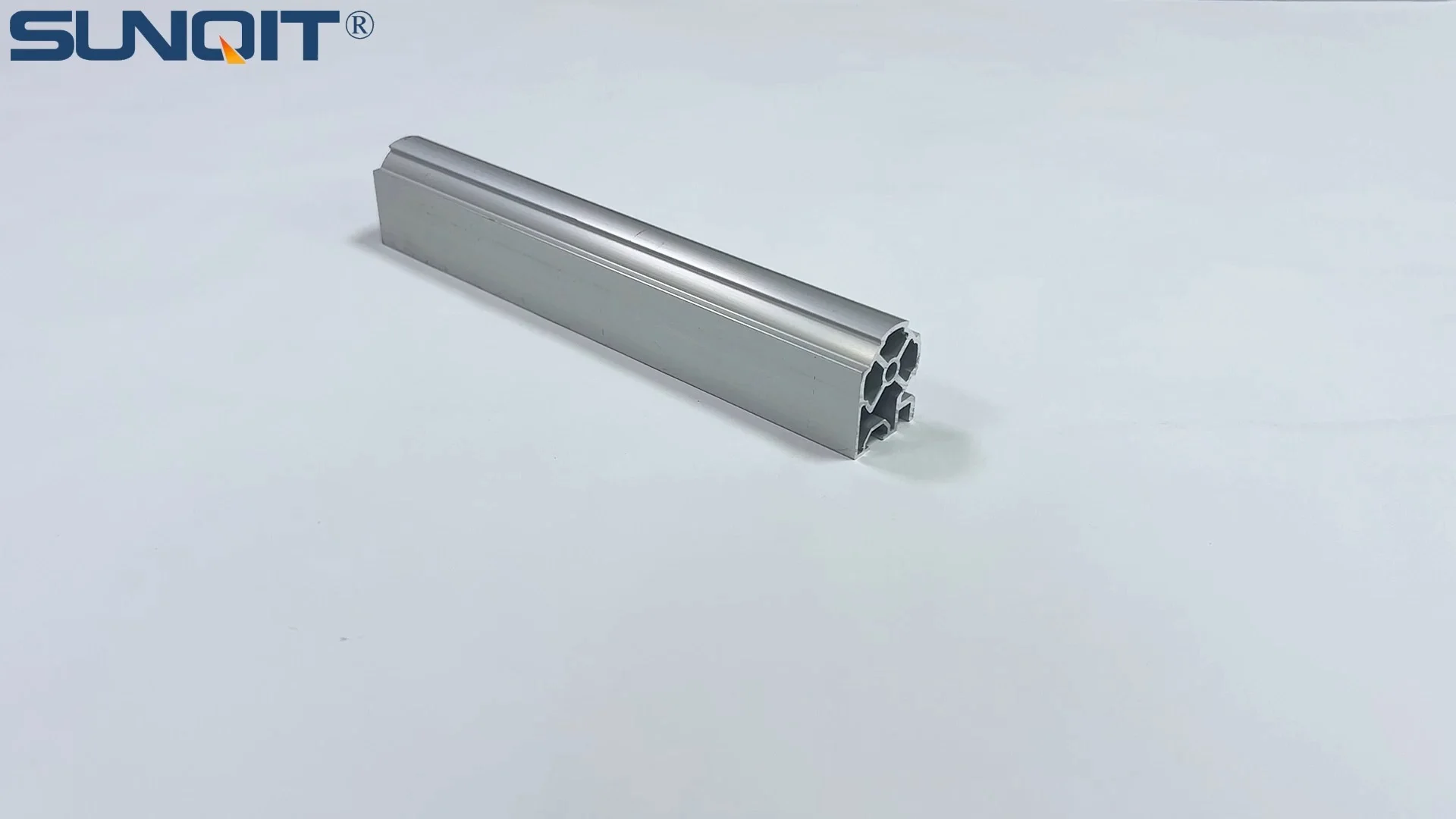
Aluminum pipe with tray holder,the pipe one side connected by a joint, the other side with a slot which can hold a tray or a aluminum pannel.
In today's manufacturing world, "sustainability" isn't just a buzzword—it's a critical factor shaping every decision, from product design to supply chain management. As factories and warehouses strive to reduce their carbon footprints, the materials they choose play a starring role. Two common players in industrial setups are aluminum pipe with tray holder systems and traditional galvanized steel. But when it comes to eco-friendliness, which one truly comes out on top? Let's dive in, exploring their production, recyclability, durability, and real-world impact to find out.
Understanding the Contenders: Aluminum Pipe with Tray Holder and Galvanized Steel
Before we compare their environmental credentials, let's get clear on what we're talking about. Aluminum pipe with tray holder systems are part of the broader family of lean manufacturing solutions, often used in workbenches, material racks, and assembly lines. These systems rely on lightweight, modular aluminum pipes—like aluminum lean pipe—and accessories such as internal rotary aluminum joints or roller track connectors to build flexible, customizable setups. The "tray holder" component adds functionality, allowing easy storage and transport of parts, making them a staple in lean production environments.
Galvanized steel, on the other hand, is a tried-and-true material in industrial settings. It's steel coated with a layer of zinc to resist corrosion, used in everything from shelving to conveyor frames. Its strength and affordability have made it a go-to for decades, but as sustainability takes center stage, its long-term environmental impact is under scrutiny.
Production Processes: From Ore to Finished Product
Aluminum Pipe Production: The Journey of Bauxite to Lean Pipes
Aluminum doesn't start as the sleek, silver pipe you see in factories. Its journey begins with bauxite, a reddish ore rich in aluminum oxide. Mining bauxite does leave a footprint—clearing land, disrupting ecosystems, and generating waste—but modern mining practices are increasingly adopting reclamation efforts, replanting vegetation once mining is done. Once mined, bauxite is refined into alumina (aluminum oxide) using the Bayer process, which involves heating the ore with caustic soda. This step uses water and energy, but advancements in closed-loop systems have reduced water waste by recycling up to 90% of the process water.
The next step is smelting alumina into aluminum metal via the Hall-Héroult process, which uses large amounts of electricity. Historically, this has been a sticking point for aluminum's eco-credentials, as many smelters relied on coal-fired power. But today, the tide is turning: over 30% of global aluminum production now uses renewable energy (think hydroelectric, solar, or wind), drastically cutting carbon emissions. Once the raw aluminum is produced, it's rolled, extruded, or drawn into pipes—like the basic aluminum tube or aluminum lean pipe—and paired with accessories such as aluminum pipe accessories to create functional systems. Extrusion, the process of pushing aluminum through a die to form specific shapes (like aluminum guide rails or profiles), is relatively energy-efficient compared to other metalworking methods, with minimal material waste.
Galvanized Steel Production: Steel, Zinc, and the Coating Process
Galvanized steel's production story is a two-parter: first making steel, then coating it with zinc. Steel starts as iron ore, which is mined and processed into pig iron in a blast furnace—an energy-intensive step that releases massive amounts of CO2 (blast furnaces are responsible for ~7% of global greenhouse gas emissions). The pig iron is then refined into steel, often using electric arc furnaces (EAF) for recycled steel or basic oxygen furnaces (BOF) for virgin steel. BOF steel, the most common type for galvanization, has a higher carbon footprint, emitting around 1.8 tons of CO2 per ton of steel produced.
Once the steel is made, it's time to galvanize it. Hot-dip galvanization is the most common method: steel is cleaned, then dipped into a bath of molten zinc (around 450°C). This creates a protective layer, but the process isn't without issues. Heating zinc to high temperatures uses fossil fuels, and the cleaning step (pickling with acids) can release toxic fumes if not properly controlled. While modern galvanizers use scrubbers to capture emissions, the combined impact of steel production and zinc coating makes galvanized steel's production footprint significantly larger than aluminum's—especially when aluminum production uses renewable energy.

Material Sourcing: Environmental Footprints of Raw Materials
Aluminum: Abundance with a Catch
Aluminum is the most abundant metal in Earth's crust, making up about 8% of it. This abundance means we're unlikely to run out anytime soon, reducing pressure on scarce resources. However, as mentioned, bauxite mining does have environmental costs. The good news? Aluminum's lifecycle doesn't end with mining. Unlike many materials, aluminum can be recycled repeatedly without losing quality, which we'll explore more later.
Steel and Zinc: The Double Impact of Galvanization
Galvanized steel relies on two raw materials: iron ore (for steel) and zinc (for coating). Iron ore is plentiful but mining it involves strip mining, which destroys habitats and contributes to soil erosion. Zinc mining, too, has its issues: zinc ore often contains heavy metals like lead and cadmium, which can leach into soil and water if mining waste isn't properly managed. Additionally, zinc is less abundant than aluminum, with global reserves projected to last around 100 years at current extraction rates. This double dependency—on both iron ore and zinc—gives galvanized steel a more complex sourcing footprint compared to aluminum.

Recyclability: Closing the Loop
Aluminum's Superpower: Infinite Recyclability
Here's where aluminum truly shines: it's 100% recyclable, and it can be recycled infinitely. When you recycle an aluminum pipe, it's melted down, purified, and turned into a new pipe (or a can, or a car part) with no loss in strength or quality. Best of all, recycling aluminum uses just 5% of the energy needed to produce new aluminum from bauxite. Let that sink in: for every ton of recycled aluminum, you save 95% of the energy—and the CO2 emissions that come with it. That's the equivalent of taking 16 cars off the road for a year, or saving 23,000 liters of gasoline.
In industrial settings, this is a game-changer. When a factory upgrades its assembly line, old aluminum lean pipe and accessories can be sent to a recycler, melted down, and reborn as new aluminum pipe with tray holder systems or aluminum workbenches. Many suppliers even offer take-back programs, ensuring that end-of-life aluminum products don't end up in landfills. This circularity is why aluminum is often called "the green metal."
Galvanized Steel Recycling: The Zinc Challenge
Steel is also recyclable, and in fact, it's the most recycled material on the planet by weight. Over 60% of steel produced today comes from recycled scrap, which saves energy and reduces emissions compared to making steel from iron ore. However, galvanized steel complicates things. The zinc coating, while great for corrosion resistance, doesn't mix well with pure steel recycling. When galvanized steel is melted in a furnace, the zinc vaporizes and can form harmful byproducts (like zinc oxide fumes) if not captured. To recycle galvanized steel, it often needs to be separated from other steel scrap, or processed in specialized furnaces with zinc recovery systems—adding cost and complexity.
As a result, some galvanized steel ends up in landfills, especially if it's mixed with other materials or the recycling infrastructure isn't available. Even when recycled, the energy savings for galvanized steel are lower than aluminum's: recycling steel saves about 75% of the energy needed for virgin steel production, which is significant but still less than aluminum's 95% savings.
Durability and Longevity: Less Replacement, Less Waste
A material's eco-friendliness isn't just about production and recycling—it's also about how long it lasts. A longer lifespan means fewer replacements, less material consumption, and lower overall emissions. Let's see how our contenders stack up.
Aluminum Lean Pipe: Corrosion Resistance That Stands the Test of Time
Aluminum naturally forms a thin oxide layer when exposed to air, which acts as a barrier against corrosion. This makes it resistant to rust, even in humid or damp factory environments. For extra protection, aluminum pipes can be anodized—a process that thickens the oxide layer, making them even more durable. In industrial settings, aluminum lean pipe systems (paired with corrosion-resistant aluminum pipe accessories) can last 15–20 years with minimal maintenance. Their lightweight nature also reduces wear and tear on supporting structures, extending the life of the entire setup.
Modularity adds another layer of longevity. Aluminum systems are easy to reconfigure: if a factory needs a taller material rack or a wider workbench, you can simply disconnect the internal rotary aluminum joints, add new pipes, and reassemble. This adaptability means the system evolves with the business, reducing the need to buy new equipment every time production needs change.
Galvanized Steel: Strong but Susceptible to Damage
Galvanized steel is strong—there's no denying that. Its zinc coating protects against rust, and in dry, indoor environments, it can last 30 years or more. But in harsh conditions—high humidity, exposure to chemicals, or frequent impact—the zinc coating can scratch or chip. Once the steel underneath is exposed, rust sets in, weakening the structure over time. Repairs often involve patching the damaged area with zinc-rich paint, but this is a temporary fix. Eventually, the entire component may need to be replaced, generating waste and requiring new material production.
Galvanized steel is also heavy, which can lead to structural fatigue in supporting frames, especially if the system is moved or reconfigured frequently. Unlike aluminum, it's not as easy to modify—cutting and welding steel requires specialized tools and labor, making reconfiguration more hassle than it's worth for many factories. As a result, galvanized steel systems are often replaced entirely when needs change, rather than being adapted.
Real-World Impact: Case Studies in Sustainability
To put this all into perspective, let's look at a real example. A mid-sized electronics manufacturer in Germany recently switched from galvanized steel shelving and workbenches to aluminum lean pipe systems with tray holders. Here's what happened:
- Energy Savings: The new aluminum systems were 40% lighter, reducing the load on conveyor motors and cutting electricity use by 12%.
- Recycling Revenue: Old galvanized steel shelving was sold for scrap, but the price was low due to the zinc coating. In contrast, when the factory later upgraded some aluminum components, the recycled aluminum pipe and accessories fetched 3x the scrap value of steel.
- Reduced Waste: The modular aluminum setup allowed the factory to reconfigure workstations 5 times in 3 years without buying new materials, saving 1.2 tons of metal from being produced.
Another example: a automotive parts supplier in the U.S. replaced galvanized steel material racks with aluminum Material Rack B (3 row, 3 floor) systems. Over 5 years, they reported 30% lower maintenance costs (no rust repairs) and a 25% reduction in waste from broken or outdated racks.
A Side-by-Side Comparison: Key Eco-Friendly Metrics
| Metric | Aluminum Pipe with Tray Holder | Galvanized Steel |
|---|---|---|
| Production CO2 Emissions (per ton) | 2–5 tons (varies by energy source; lower with renewables) | 1.8–3 tons (steel production) + 0.3 tons (zinc coating) = 2.1–3.3 tons total |
| Recyclability Rate | 100% recyclable, infinite cycles | 100% recyclable, but zinc coating complicates process |
| Energy Savings from Recycling | 95% vs. virgin production | 75% vs. virgin steel production |
| Typical Lifespan (Industrial Use) | 15–20 years (extendable via reconfiguration) | 10–30 years (shorter in harsh environments) |
| End-of-Life Disposal Ease | High scrap value, easy to recycle | Lower scrap value, zinc coating may require special handling |
| Modularity/Reusability | High—easily reconfigured with aluminum pipe accessories | Low—difficult to modify; often replaced entirely |
The Verdict: Which Is More Eco-Friendly?
When you weigh production, recyclability, durability, and real-world impact, aluminum pipe with tray holder systems come out ahead as the more eco-friendly choice. Here's why:
- Lower lifecycle emissions: Even with primary production, aluminum's lower weight and energy-efficient recycling make its overall carbon footprint smaller than galvanized steel's, especially when using renewable energy.
- Infinite recyclability: Aluminum's ability to be recycled without degradation means it can stay in use indefinitely, closing the loop on waste.
- Modularity and longevity: Aluminum systems adapt to changing needs, reducing the demand for new materials and extending their useful life.
- Reduced maintenance waste: Corrosion resistance means less frequent replacement and fewer repairs, lowering overall material consumption.
That said, galvanized steel still has its place in applications where extreme strength is needed and replacement is rare. But for most lean manufacturing setups—workbenches, material racks, assembly lines—aluminum lean pipe and accessories offer a greener, more sustainable solution that aligns with the circular economy.
Conclusion: Building a Sustainable Future with Aluminum
Sustainability in manufacturing isn't about perfection—it's about progress. Choosing aluminum pipe with tray holder systems over galvanized steel is a step forward: a choice that reduces energy use, cuts emissions, and keeps materials in circulation. As more suppliers adopt renewable energy in production and expand recycling programs, aluminum's eco-credentials will only grow stronger.
For factories and warehouses looking to walk the green talk, the message is clear: lean into aluminum. Its combination of durability, modularity, and recyclability makes it more than just a material—it's a partner in building a more sustainable industrial future. After all, in the end, every pipe, every joint, and every tray holder contributes to the bigger picture: a planet where manufacturing and nature thrive together.