- Company Articles
- Industry articles
- Industry standards
- Aluminum Profile Rubber Strip Material Certification: RoHS, REACH, and FDA Compliance

Aluminum Profile Rubber Strip Material Certification: RoHS, REACH, and FDA Compliance
Related Product
Aluminum Profile Rubber Strip
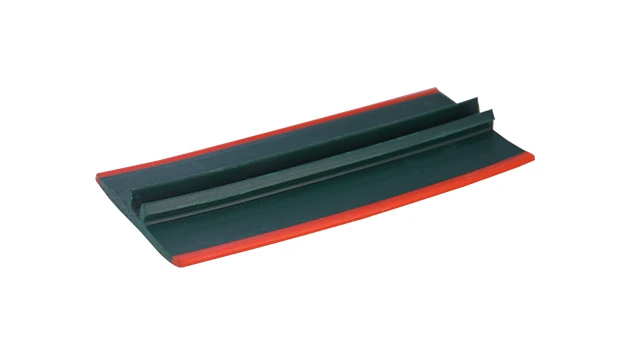
The tread strip fits into a T-slot channel and provides an anti-slip ribbed surface. It has a key pad that presses into a T-slot and is commonly used for adding traction on steps or as padding for doors. Tread strip can be ordered by rolls. The high quali
In the world of manufacturing, where precision and reliability are the backbone of every product, aluminum extrusion profile has emerged as a unsung hero. From the sleek frames of office furniture to the intricate components of automotive assemblies, this versatile material has revolutionized how we design and build. But behind every high-quality aluminum profile lies a network of small yet critical components that ensure its functionality, durability, and safety. Among these, aluminum profile accessories play a role that's easy to overlook—until something goes wrong. Today, we're shining a spotlight on one such accessory that's quietly essential: the aluminum profile rubber strip. More specifically, we're diving into why certifications like RoHS, REACH, and FDA compliance aren't just checkboxes for manufacturers, but lifelines for end-users, industries, and even the planet.
The Unsung Role of Aluminum Profile Rubber Strips
Before we jump into certifications, let's take a moment to appreciate what aluminum profile rubber strips actually do. Imagine (oops, scratch that—let's think about) a typical aluminum profile, with its signature T-slot design that allows for endless customization. Now, when you assemble these profiles into a structure—say, a workbench, a machine guard, or a conveyor system—you need to seal gaps, reduce friction, dampen noise, or protect against dust and moisture. That's where rubber strips come in. They're the quiet problem-solvers: the soft buffer between metal and metal, the barrier that keeps contaminants out, the finishing touch that turns a functional frame into a polished, professional product.
But not all rubber strips are created equal. The material they're made from, the additives used to enhance flexibility or heat resistance, and even the manufacturing process can introduce hidden risks. Heavy metals, harmful chemicals, or untested substances might leach out over time, especially when exposed to heat, moisture, or friction. For industries like healthcare, food processing, or electronics—where safety and purity are non-negotiable—this isn't just a quality issue; it's a compliance disaster waiting to happen. That's why certifications like RoHS, REACH, and FDA exist: to set the bar for safety, transparency, and responsibility in material production.
Why does this matter to you? Whether you're a manufacturer sourcing aluminum profile accessories for your next big project or an end-user relying on a product built with aluminum extrusion profile, the rubber strips in those profiles could be silently impacting everything from product lifespan to user health. Choosing certified materials isn't just about avoiding legal trouble—it's about building trust, ensuring reliability, and protecting what matters most.
Demystifying RoHS Compliance: Keeping Hazardous Substances at Bay
Let's start with RoHS, an acronym that's become almost synonymous with "safe electronics" but applies far beyond that. Short for Restriction of Hazardous Substances, RoHS is a European union directive that limits the use of specific hazardous materials in electrical and electronic equipment. But here's the thing: aluminum profile rubber strips, especially those used in machinery or industrial equipment, often fall under RoHS scope because they're part of larger electrical or mechanical systems. So, what exactly does RoHS prohibit, and why does it matter for rubber strips?
RoHS restricts six key substances: lead (Pb), mercury (Hg), cadmium (Cd), hexavalent chromium (CrVI), polybrominated biphenyls (PBBs), and polybrominated diphenyl ethers (PBDEs). These substances are known to be toxic, carcinogenic, or harmful to the environment, even in small quantities. For rubber strips, which are often made with additives to improve elasticity or flame resistance, the risk of containing these substances is real. For example, lead might be used in pigments to give the rubber a specific color, or cadmium could be present in stabilizers. Without proper testing, these hidden toxins could leach into the environment during disposal or, worse, contaminate products that come into contact with humans.
So, how does a rubber strip become RoHS-compliant? The process starts with raw material selection. Manufacturers must source rubber compounds that are free from restricted substances, often working with suppliers who provide material safety data sheets (MSDS) detailing every component. Then, during production, strict quality control measures are put in place to prevent cross-contamination—for example, ensuring that equipment used to process non-RoHS materials isn't reused for RoHS-compliant batches. Finally, third-party testing labs analyze the finished rubber strips using techniques like X-ray fluorescence (XRF) for quick screening or inductively coupled plasma mass spectrometry (ICP-MS) for precise measurement of trace elements. Only when all results fall below RoHS limits (e.g., lead ≤ 0.1% by weight) is the product certified.
The impact of RoHS compliance goes beyond avoiding fines. For manufacturers of aluminum extrusion profile and their accessories, it's a mark of credibility. When a supplier can prove their rubber strips are RoHS-compliant, it tells customers that they take environmental and human health seriously. For end-users, especially in sectors like electronics manufacturing or medical device production, RoHS compliance is often a non-negotiable requirement to meet industry standards. Imagine (again, no—think about) a hospital using a medical cart built with non-RoHS rubber strips; the risk of lead leaching into the environment or coming into contact with patients is simply unacceptable. RoHS ensures that such scenarios remain hypothetical.

REACH: Beyond Restrictions—A Holistic Approach to Chemical Safety
If RoHS is about restricting specific substances, REACH is about managing chemical risks across the entire supply chain. Short for Registration, Evaluation, Authorization, and Restriction of Chemicals, REACH is another EU regulation, but its scope is broader: it applies to all chemical substances manufactured or imported into the EU, whether they're standalone products or part of a mixture (like the compounds used to make rubber strips). For aluminum profile rubber strips, REACH compliance isn't just about avoiding banned chemicals—it's about transparency, responsibility, and proactive risk management.
At the heart of REACH is the concept of "substance of very high concern" (SVHC). These are chemicals identified as carcinogenic, mutagenic, toxic to reproduction (CMR), or persistent, bioaccumulative, and toxic (PBT). As of 2025, the SVHC list includes over 230 substances, and it grows regularly. For manufacturers of rubber strips, this means staying vigilant: any SVHC present in their products above 0.1% by weight must be reported to customers, and in some cases, authorization is required to use them at all. For example, certain phthalates—chemicals used to soften rubber—are on the SVHC list due to their potential endocrine-disrupting properties. A rubber strip containing these phthalates above the threshold would need to be declared, and the manufacturer might even need to seek EU authorization to continue using them.
REACH also places the burden of proof on manufacturers and importers through its "registration" requirement. Companies producing or importing more than 1 tonne of a chemical substance per year must register it with the European Chemicals Agency (ECHA), providing data on its properties, uses, and risks. For rubber strip manufacturers, this means not just testing their final product but also understanding the full composition of the rubber compound they're using—right down to the additives, plasticizers, and pigments. It's a complex process that requires close collaboration with raw material suppliers, but it's also an opportunity to build a more transparent supply chain.
Why does this matter for aluminum profile rubber strips? Consider the automotive industry, where aluminum extrusion profile is widely used in vehicle frames and components. Rubber strips in these applications might come into contact with passengers or the environment over the vehicle's lifetime. If those strips contain SVHCs, they could pose long-term health risks or harm ecosystems when the vehicle is recycled. REACH compliance ensures that these risks are identified and mitigated early, protecting both end-users and the planet. For aluminum profile suppliers, offering REACH-compliant accessories is a competitive advantage, as more and more customers—especially in Europe—demand proof of chemical safety before placing orders.

FDA Compliance: When Rubber Strips Meet Food and Healthcare
Now, let's shift gears to the FDA, or the U.S. Food and Drug Administration. Unlike RoHS and REACH, which are broad environmental and chemical regulations, FDA compliance is industry-specific: it applies to materials that come into contact with food, drugs, medical devices, or cosmetics. So, when would an aluminum profile rubber strip need FDA approval? Think about food processing facilities, where aluminum extrusion profile is used to build conveyor systems, workbenches, or storage racks. The rubber strips on these profiles might touch food products directly or indirectly—for example, sealing gaps to prevent contamination, or guiding packages along a conveyor. In this case, the rubber strip must comply with FDA regulations to ensure it doesn't transfer harmful substances into the food.
The FDA's guidelines for food contact materials are outlined in Title 21 of the Code of Federal Regulations (21 CFR), which specifies which substances are "generally recognized as safe" (GRAS) for use in such applications. For rubber strips, this means avoiding materials that could leach toxic chemicals, odors, or flavors into food. Common rubber additives like certain antioxidants or colorants might be prohibited under FDA rules, even if they're allowed under RoHS or REACH. For example, the FDA restricts the use of bisphenol A (BPA) in food contact materials, and some rubber stabilizers containing BPA would be non-compliant.
Testing for FDA compliance is rigorous. Rubber strips must undergo extraction studies, where they're exposed to food simulants (like water, acidic solutions, or oils) at specific temperatures and times to simulate real-world conditions. The extracts are then analyzed for harmful substances, and the results must show that the amount of any migrated chemicals is below safe thresholds. Additionally, the rubber must be non-toxic, non-reactive, and resistant to degradation under the conditions it will be used. For example, a rubber strip used in a bakery conveyor must withstand high temperatures without melting or releasing chemicals into the bread or pastries passing over it.
In healthcare settings, the stakes are even higher. Aluminum profile rubber strips used in medical device enclosures, hospital workbenches, or pharmaceutical manufacturing equipment must comply with FDA's medical device regulations (21 CFR Part 820). These regulations require strict quality control, documentation, and traceability throughout the manufacturing process. A single non-compliant rubber strip could compromise the sterility of a medical device or introduce contaminants into a drug, putting patient lives at risk. For aluminum profile suppliers serving the healthcare industry, FDA compliance isn't optional—it's a legal and ethical obligation.
Key Takeaway: RoHS, REACH, and FDA address different aspects of safety, but they share a common goal: protecting people and the environment from harmful substances. For aluminum profile rubber strips, compliance with these certifications isn't just about meeting legal requirements—it's about ensuring that the products we use every day are safe, reliable, and responsible.
Comparing RoHS, REACH, and FDA: A Quick Reference
| Certification | Primary Focus | Key Requirements | Relevant Industries for Rubber Strips | Testing Focus |
|---|---|---|---|---|
| RoHS | Restricting hazardous substances in electrical/electronic equipment | Limits 6 substances (Pb, Hg, Cd, CrVI, PBBs, PBDEs) to ≤ 0.1% (0.01% for Cd) | Electronics, automotive, industrial machinery | Trace element analysis (XRF, ICP-MS) |
| REACH | Managing chemical risks across all industries | Registration of substances, SVHC reporting (≥0.1%), authorization for high-risk substances | Automotive, construction, consumer goods | Chemical composition analysis, SVHC screening |
| FDA | Safety of materials in food, drug, and medical contact | Compliance with 21 CFR, non-toxicity, no migration of harmful substances | Food processing, healthcare, pharmaceuticals | Extraction studies, migration testing with food simulants |
The Challenges of Compliance: What Manufacturers Face
While the benefits of RoHS, REACH, and FDA compliance are clear, achieving and maintaining it isn't without challenges—especially for manufacturers of aluminum profile accessories like rubber strips. Let's break down some of the hurdles they face, and how they're overcoming them.
1. Complex Supply Chains: Rubber strips are made from a mix of base rubber (natural or synthetic), additives, pigments, and plasticizers. Each of these components might come from different suppliers, some located in regions with less stringent regulations. Tracking the origin and composition of every ingredient is a logistical nightmare, but it's essential for compliance. Many manufacturers are responding by auditing suppliers regularly, requiring detailed MSDS, and even conducting on-site inspections to ensure raw materials meet certification standards.
2. Evolving Regulations: The SVHC list under REACH grows annually, and RoHS has been updated several times since its inception (most recently with RoHS 3, which added four more restricted substances). Keeping up with these changes requires constant vigilance. Manufacturers often invest in regulatory tracking software or hire compliance experts to monitor updates and adjust their processes accordingly. For example, when a new phthalate is added to the SVHC list, rubber strip producers must quickly test their products and reformulate if necessary.
3. Cost of Testing: Third-party testing for RoHS, REACH, and FDA compliance isn't cheap. ICP-MS analysis for heavy metals, SVHC screening, or FDA extraction studies can cost hundreds or even thousands of dollars per sample. For small to medium-sized manufacturers, this can strain budgets. Some are mitigating this by investing in in-house testing equipment for initial screening, only sending samples to labs for confirmation when necessary. Others partner with aluminum profile suppliers who already have established compliance programs, leveraging economies of scale to reduce costs.
4. Balancing Performance and Compliance: Many additives that make rubber strips more flexible, durable, or heat-resistant are the same ones that might be restricted under RoHS, REACH, or FDA. For example, phthalates are excellent plasticizers, but some are SVHCs. Manufacturers are forced to innovate, experimenting with alternative materials like bio-based plasticizers or silicone rubber, which are often more expensive but safer. Over time, these alternatives become more affordable as demand grows, making compliance easier for everyone.
Choosing the Right Aluminum Profile Supplier: Why Compliance Matters
For businesses sourcing aluminum extrusion profile and accessories, the choice of supplier can make or break a project's compliance. So, what should you look for when evaluating a supplier's rubber strip certifications? Here are a few key questions to ask:
- Do they provide up-to-date certification documents? A reputable supplier should be able to furnish RoHS test reports, REACH SVHC declarations, or FDA compliance letters upon request. These documents should be issued by accredited third-party labs, not just in-house testing.
- How transparent is their supply chain? Ask about the origin of their rubber compounds and additives. A supplier that can trace materials back to their source is more likely to catch compliance issues early.
- Do they invest in ongoing testing? Compliance isn't a one-time achievement. Rubber strip formulations can change, and regulations update regularly. A good supplier will conduct periodic retesting to ensure continued compliance.
- Can they customize for your industry? If you're in food processing, you'll need FDA-compliant strips; if you're in electronics, RoHS is key. A supplier with experience in your sector will understand your unique needs and offer tailored solutions.
By prioritizing these factors, you're not just avoiding compliance headaches—you're building a partnership with a supplier who shares your commitment to quality and safety. And in today's competitive market, that's a difference-maker.
The Future of Compliance: Trends Shaping Aluminum Profile Accessories
As industries become more global and consumers more conscious of safety and sustainability, the demand for certified aluminum profile rubber strips is only going to grow. Here are a few trends to watch:
1. Increased Focus on Sustainability: Beyond compliance with RoHS and REACH, manufacturers are exploring eco-friendly rubber compounds made from recycled materials or renewable resources. Biodegradable rubber strips, for example, could reduce environmental impact at the end of a product's life.
2. Digitalization of Compliance: Blockchain technology is being used to create immutable records of material sourcing and testing, making it easier to trace a rubber strip's journey from raw material to finished product. This transparency will become a selling point for suppliers looking to build trust.
3. Global Harmonization of Standards: While RoHS and REACH are EU-focused, other regions are adopting similar regulations (e.g., China's RoHS, India's E-Waste Management Rules). As standards align globally, compliance will become less about navigating multiple frameworks and more about meeting a single, universal benchmark.
4. Integration of Smart Materials: Future rubber strips might incorporate sensors that monitor wear and tear, or self-healing properties to extend lifespan. Even with these innovations, compliance will remain critical—smart materials must still avoid harmful substances to be safe for use.
Conclusion: Compliance as a Commitment to Excellence
Aluminum profile rubber strips might seem like small components, but their impact on safety, reliability, and sustainability is huge. RoHS, REACH, and FDA compliance aren't just regulatory hurdles—they're proof that manufacturers care about the products they make and the people who use them. For aluminum extrusion profile suppliers, offering certified accessories is a way to stand out in a crowded market. For end-users, it's a guarantee that the structures, machines, and systems they rely on are built to the highest standards of safety.
As we've explored, compliance comes with challenges—complex supply chains, evolving regulations, and upfront costs—but the rewards are clear: trust, reliability, and a safer world. So, the next time you're evaluating aluminum profile accessories, take a moment to ask about certifications. It might seem like a small detail, but it's a detail that speaks volumes about the quality of the product and the integrity of the supplier.
In the end, aluminum profile rubber strips are more than just pieces of rubber. They're a testament to the industry's commitment to progress—progress that puts safety first, protects the environment, and ensures that the products we build today will serve us well tomorrow. And that's a future worth investing in.