- Company Articles
- Industry articles
- Industry standards
- Aluminum Side Guards & OSHA Compliance: Meeting Workplace Safety Standards

Aluminum Side Guards & OSHA Compliance: Meeting Workplace Safety Standards
Related Product
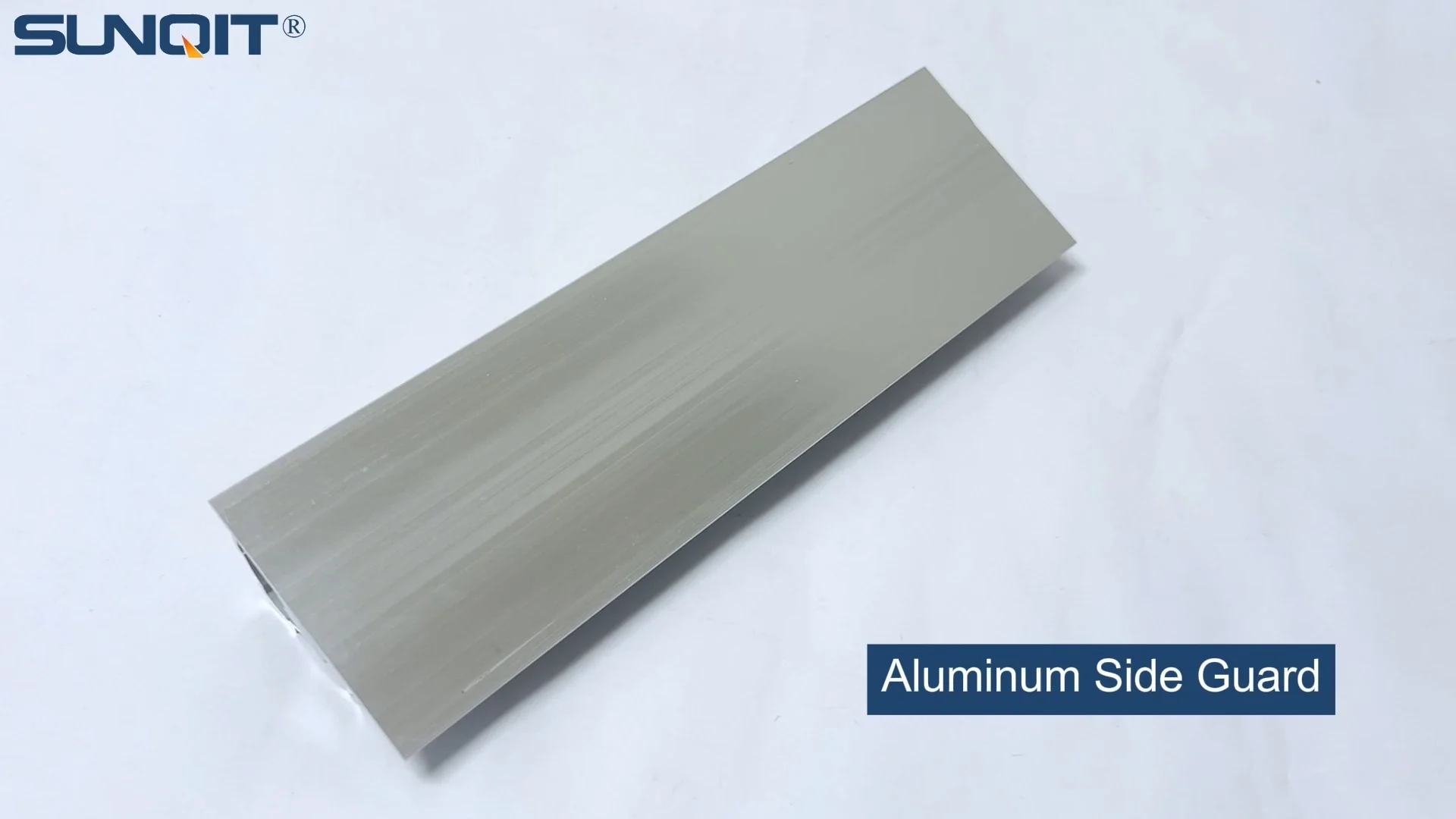
Aluminum Side Guard
Aluminum side guard, it works with a aluminum pipe or a roller track as side guard to prevent material drop,or move to wrong direction.
Walk into any busy manufacturing plant, warehouse, or assembly line, and you'll notice a common thread: the hum of productivity. But beneath that rhythm lies a critical foundation—safety. Every tool, every machine, and every workflow is a puzzle piece in keeping teams unharmed and operations running smoothly. Yet, even the most well-oiled operations can stumble over small oversights: a loose conveyor belt guard, a workbench edge without protection, or a material rack where items slide off too easily. These aren't just minor inconveniences; they're potential hazards that can disrupt lives and livelihoods. That's where OSHA steps in, setting the bar for workplace safety, and where aluminum side guards emerge as unsung heroes in meeting those standards.
In this article, we'll dive into why aluminum side guards are more than just metal barriers—they're a commitment to your team's well-being and your business's success. We'll unpack OSHA's key requirements, explore why aluminum (and specifically aluminum extrusion profiles) stands out as a material of choice, and share how integrating these guards into workbenches, material racks, and conveyor systems aligns with both compliance and the principles of a lean system. Because at the end of the day, safety isn't just about checking boxes—it's about creating a space where people feel valued, and productivity thrives.
Understanding OSHA Compliance: More Than Just Rules
First things first: What exactly is OSHA, and why does it matter? The Occupational Safety and Health Administration (OSHA) is the federal agency tasked with ensuring safe and healthy working conditions across the U.S. Their mandate isn't just about penalizing non-compliance; it's about preventing harm through clear standards and education. At the heart of OSHA's power is the "General Duty Clause" (Section 5(a)(1) of the OSH Act), which requires employers to provide a workplace "free from recognized hazards that are causing or are likely to cause death or serious physical harm."
When it comes to machine guarding—where side guards play a starring role—OSHA leaves little room for ambiguity. Standard 1910.212, "General Requirements for All Machines," states that "one or more methods of machine guarding shall be provided to protect the operator and other employees in the machine area from hazards such as those created by point of operation, ingoing nip points, rotating parts, flying chips, and sparks." In plain terms: if a machine has moving parts, sharp edges, or areas where hands, tools, or materials could get caught, it needs a guard. And that's where side guards come into play—whether on conveyors, workbenches, or material racks.
But OSHA compliance isn't just about avoiding fines (though those can be steep, ranging from $15,625 to $156,259 per violation). It's about building trust. When employees see that their employer prioritizes safety, morale rises, turnover drops, and productivity follows. Conversely, a single incident can erode that trust, disrupt operations, and even lead to legal action. So, meeting OSHA standards isn't just a legal obligation—it's a business imperative.
Aluminum Side Guards: Why Aluminum? The Case for a Superior Material
Now, let's talk about the star of the show: aluminum side guards. Why aluminum, and not steel, plastic, or another material? To answer that, let's step into the shoes of a plant manager tasked with upgrading their facility's safety measures. They need guards that are strong enough to withstand daily wear, light enough to install without heavy equipment, customizable to fit odd-shaped machines, and durable enough to last years. Aluminum checks all these boxes—and then some.
Aluminum extrusion profiles are the secret sauce here. Extrusion is a manufacturing process where aluminum is pushed through a die to create complex cross-sectional shapes—think of it like squeezing toothpaste through a tube, but with metal. This process allows for highly customizable designs, from simple flat guards to intricate profiles with built-in channels for wiring or tool storage. And because aluminum is naturally lightweight (about 1/3 the weight of steel), installing these guards is a one- or two-person job, not a full-team project. That means less downtime during upgrades—a win for productivity.
Durability is another key factor. Aluminum resists corrosion, so even in damp environments (like food processing plants or warehouses near the coast), it won't rust or degrade. Unlike plastic guards, which can crack in extreme temperatures or become brittle over time, aluminum holds up to heat, cold, and impact. And when it does need repairs, aluminum is easy to cut, drill, or modify on-site—no need to wait for custom parts.
Let's put this into perspective with a quick comparison. Steel guards are strong, but their weight makes installation a hassle, and they're prone to rust if not painted or coated. Plastic guards are lightweight but lack the impact resistance—imagine a falling tool cracking a plastic guard, leaving an unprotected gap. Wood? It's porous, hard to clean, and can splinter. Aluminum, by contrast, strikes the perfect balance of strength, weight, and versatility.
Material Comparison: Aluminum vs. Steel vs. Plastic
| Material | Weight (per sq. ft) | Durability | Corrosion Resistance | Installation Ease | Customization |
|---|---|---|---|---|---|
| Aluminum | 1.5–3 lbs | High (resists dents/impact) | Excellent (no rust) | Easy (lightweight, DIY-friendly) | High (extruded profiles for custom shapes) |
| Steel | 4–6 lbs | Very High (but prone to dents) | Poor (rusts without coating) | Hard (requires heavy lifting/tools) | Medium (limited to cutting/welding) |
| Plastic | 0.5–1 lb | Low (cracks in cold/impact) | Good (resists moisture) | Very Easy (lightest option) | Medium (molded shapes, hard to modify) |
Aluminum's versatility shines when paired with aluminum profile accessories—think brackets, connectors, and hinges that snap or bolt onto the extrusion profiles. These accessories turn a basic guard into a modular system that can be adjusted as workflows change. For example, if a conveyor line is reconfigured, the side guards can be disassembled, re-cut, and reassembled in hours, not days. This flexibility is a game-changer for facilities that adapt to new products or production methods regularly.

Aluminum Side Guards in Action: Workbenches, Material Racks, and Lean Systems
Let's move from theory to practice. Where do aluminum side guards make the biggest difference? Three areas stand out: workbenches, material racks, and conveyor systems—all of which are integral to a lean system. Lean management, after all, is about eliminating waste, and nothing wastes time (or resources) like accidents, lost materials, or inefficient workflows. Aluminum side guards support lean principles by keeping processes smooth and people safe.
Workbenches: The Unsung Heroes of the Factory Floor
Walk into any assembly area, and you'll find workbenches at the center of the action. Whether it's "workbench e (single deck-without caster)" or a custom multi-level station, these surfaces are where precision meets productivity. But a workbench without side guards is a recipe for frustration—and risk. Tools roll off edges, small parts fall onto the floor (becoming tripping hazards), and workers spend valuable time retrieving lost items instead of focusing on tasks.
Aluminum side guards solve this by creating a low-profile barrier (typically 2–4 inches high) around the bench's perimeter. They're easy to install using aluminum profile accessories like corner brackets or adhesive mounts, and they can be customized with cutouts for cords or tool hooks. For example, a electronics assembly bench might have a guard with slots for routing wires, keeping the workspace tidy and reducing the risk of tangling. The result? A cleaner, safer, and more efficient workstation—exactly what lean systems aim for.
Material Racks: Keeping Inventory Secure and Accessible
Material racks, like "material rack b (3 row and 3 floor)," are the backbone of inventory management. These racks hold everything from raw materials to finished products, and in a busy facility, they're accessed dozens of times a day. Without side guards, items can shift during retrieval, slide off shelves, or even topple over—damaging goods and endangering workers below. Aluminum side guards act as a safety net, preventing spills and ensuring that even irregularly shaped items stay in place.
What makes aluminum guards ideal for racks is their adjustability. As inventory needs change, guards can be moved up or down shelves using simple connectors, or extended to fit longer items. For example, a rack storing long aluminum pipes might have guards that extend the full length of the shelf, while a rack with small components could use shorter, spaced guards to save material. This adaptability ensures that the rack remains both safe and efficient—no more overcrowding shelves to "prevent items from falling" (a common but risky workaround).
Conveyor Systems: Stopping Hazards in Their Tracks
Conveyors are the arteries of a manufacturing plant, moving products from one station to the next. But their moving belts and rollers present unique guarding challenges. OSHA 1910.212 specifically requires guards for conveyor systems to prevent "contact with moving parts," and aluminum side guards are a perfect fit here. They're lightweight enough to mount along the conveyor's length without straining the frame, and their smooth, rounded edges reduce the risk of snagging products or clothing.
Aluminum extrusion profiles excel here because they can be shaped to match the conveyor's curves or angles. For example, a curved conveyor might use flexible aluminum guards that bend without cracking, while a high-speed line could have reinforced guards with impact-resistant edges. And because aluminum is non-conductive, it's safe for use near electrical components—another plus for versatility.

Installation and Maintenance: Keeping Guards Effective for Years
Installing aluminum side guards isn't a "set it and forget it" task—but it's close. With the right tools and a little know-how, most facilities can handle installation in-house, saving on contractor costs. Here's a quick breakdown of the process:
- Measure Twice, Cut Once: Start by measuring the area to be guarded (workbench perimeter, conveyor length, rack shelf depth). Aluminum extrusion profiles come in standard lengths (often 8–10 feet), but they're easy to cut with a miter saw or hacksaw for a perfect fit.
- Choose Accessories: Use aluminum profile accessories like T-slot nuts, brackets, or adhesive mounts to secure the guards. For workbenches, adhesive mounts might be enough; for conveyor systems, bolt-on brackets offer extra stability.
- Test for Stability: Once installed, give the guards a gentle shake to ensure they're secure. They should withstand light impacts (like a dropped tool) without shifting.
Maintenance is equally straightforward. Aluminum guards can be wiped clean with a damp cloth to remove dust or grease. Check connections quarterly to ensure brackets or mounts haven't loosened—especially in high-vibration areas like near heavy machinery. If a guard becomes dented or damaged, it can often be bent back into shape or cut and replaced with a new section, thanks to aluminum's malleability.
The key here is to treat guards as part of your regular safety inspections. Just as you check fire extinguishers or first aid kits, add side guards to your checklist. A quick 5-minute inspection each month can catch issues before they become hazards.
The Bottom Line: Safety, Productivity, and Peace of Mind
At the end of the day, aluminum side guards are more than just compliance tools—they're investments in your team and your business. They align with OSHA's mission to protect workers, support lean systems by reducing waste (time, materials, and morale), and pay for themselves through fewer incidents, higher productivity, and lower turnover.
So, whether you're upgrading an old workbench, installing a new conveyor line, or organizing your material racks, consider aluminum side guards. With their lightweight durability, customizable design, and easy installation, they're the smart choice for any facility that values safety as much as success. After all, a workplace where people feel safe is a workplace where great things happen.