- Company Articles
- Industry articles
- Industry standards
- Aluminum Side Guards in Pharmaceutical Manufacturing: Compliance & Protection

Aluminum Side Guards in Pharmaceutical Manufacturing: Compliance & Protection
Related Product
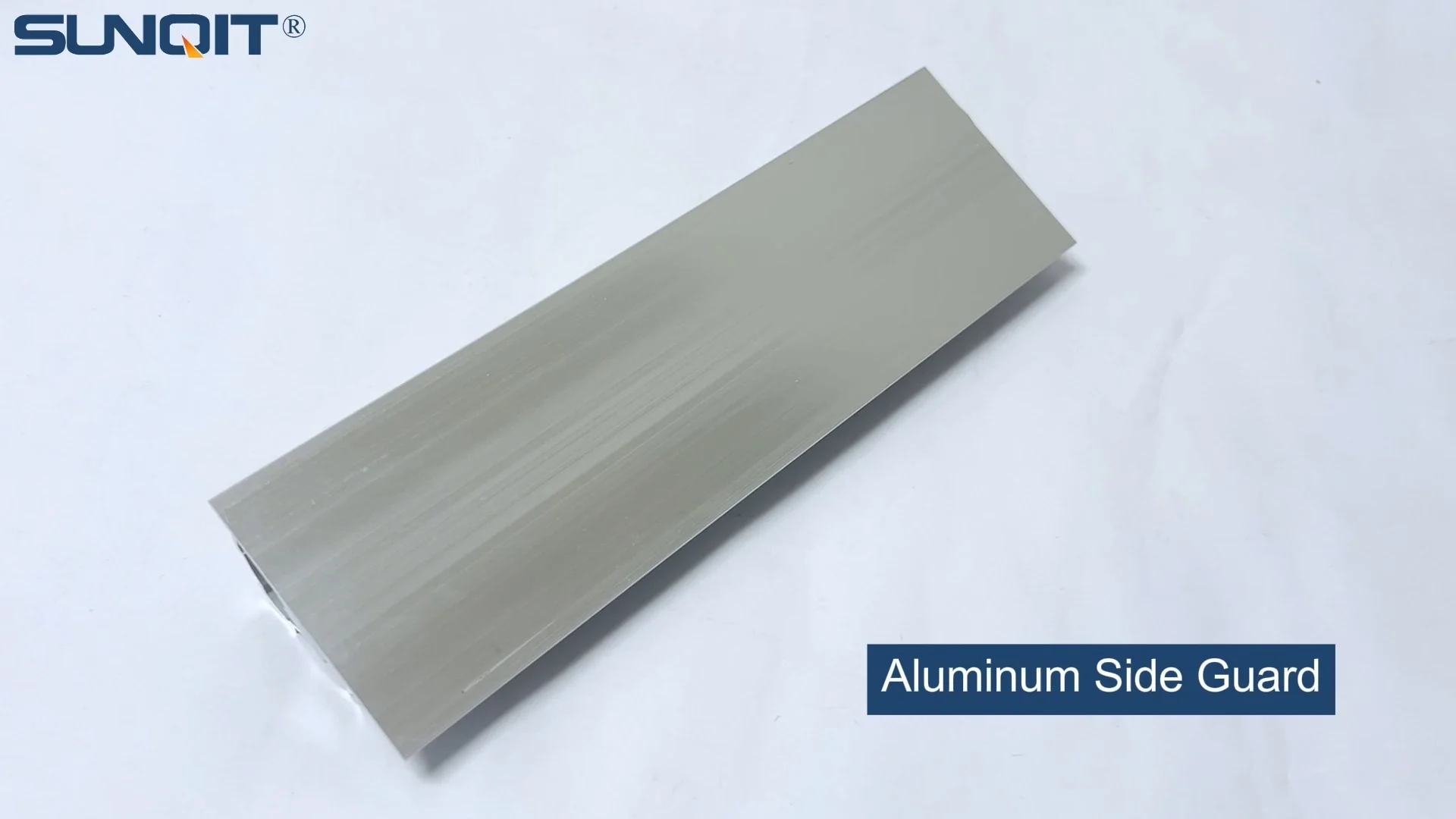
Aluminum Side Guard
Aluminum side guard, it works with a aluminum pipe or a roller track as side guard to prevent material drop,or move to wrong direction.
Walk into any pharmaceutical manufacturing facility, and you'll immediately sense the precision in the air. Every surface gleams, every workflow moves with intentionality, and every piece of equipment seems to hum with a quiet purpose. In an industry where a single particle of dust or a momentary lapse in sterility can compromise a batch of life-saving medications, the stakes couldn't be higher. Yet, for all the advanced technology and rigorous protocols, some of the most critical safeguards are the ones we might overlook—like the unassuming aluminum side guards lining workbenches, conveyors, and material racks. These simple barriers play a dual role: keeping products and processes compliant with strict regulatory standards and protecting everything from delicate vials to skilled workers from harm. Let's dive into why aluminum side guards have become indispensable in pharmaceutical manufacturing, how they support compliance, and the tangible protection they provide.
The Unique Challenges of Pharmaceutical Manufacturing
Pharmaceutical manufacturing isn't just about making drugs—it's about making drugs that are safe, effective, and consistent, batch after batch. Unlike other manufacturing sectors, where minor defects might result in a faulty product, a misstep in pharma can have life-threatening consequences. This reality shapes every decision, from the ingredients used to the layout of the production floor. Three challenges stand out as particularly critical: maintaining sterility, adhering to ever-evolving regulations, and balancing efficiency with safety.
Sterility is non-negotiable. Medications, especially injectables, biologics, and ophthalmic products, must be free from contaminants like bacteria, fungi, or particulate matter. Even a tiny scratch on a workbench or a gap in a conveyor system can become a breeding ground for microbes or a trap for dust. Then there are the regulations: bodies like the FDA (Food and Drug Administration), EMA (European Medicines Agency), and WHO (World Health Organization) enforce strict guidelines, such as Good Manufacturing Practices (GMP), which dictate everything from facility design to cleaning protocols. Falling short of these standards can lead to fines, production halts, or even product recalls.
Efficiency, too, is a constant pressure. Pharmaceutical companies operate on tight timelines, with demand for medications often outpacing supply. Yet, speed can't come at the cost of safety. A rushed workflow might lead to spills, equipment damage, or worker errors—all of which disrupt production and risk compliance. This is where tools like lean systems come into play, streamlining processes to eliminate waste without sacrificing precision. But even the best lean system relies on the right physical infrastructure to keep things running smoothly.
What Are Aluminum Side Guards, and Why Do They Matter?
At first glance, aluminum side guards might seem like little more than metal rails attached to workbenches or conveyors. But in reality, they're engineered solutions designed to address the unique challenges of pharmaceutical manufacturing. Typically made from aluminum extrusion profiles—lightweight, durable, and highly customizable—these guards act as protective barriers along the edges of work surfaces, material transport systems, and storage racks. They can be as simple as a single rail or as complex as multi-layered barriers with adjustable heights, depending on the needs of the process.
So why aluminum? Unlike steel, which is heavy and prone to rust (a major issue in cleanrooms where moisture and cleaning chemicals are common), aluminum is naturally corrosion-resistant. Its smooth, non-porous surface doesn't trap dirt or bacteria, making it easy to sanitize—critical for meeting GMP requirements. And because aluminum extrusion profiles are manufactured using a process that shapes metal into consistent, precise cross-sections, side guards can be customized to fit any workspace. Need a guard that curves around a circular workbench? Or one with notches to accommodate specific tools? Aluminum's flexibility makes it possible.
But their value goes beyond materials. Aluminum side guards are often integrated into broader manufacturing setups, including workbenches and lean systems. A workbench outfitted with side guards, for example, prevents vials, syringes, or raw materials from sliding off the edge during processing—saving products from damage and reducing the risk of contamination from spills. On conveyors, they keep packages aligned, ensuring medications move smoothly through filling, capping, and labeling stations without jamming. In lean systems, where minimizing waste is key, this alignment and protection translate to fewer halted lines, less product loss, and more consistent output.

Compliance: Meeting the Bar for Regulatory Standards
In pharmaceutical manufacturing, compliance isn't optional—it's the foundation of the industry. Regulatory bodies like the FDA and EMA set strict rules for everything from air quality to equipment design, and aluminum side guards play a surprisingly large role in meeting these standards. Let's break down the key compliance areas where these guards shine.
Cleanability and Sterility (GMP Compliance)
Good Manufacturing Practices (GMP) mandate that all surfaces in production areas must be "easily cleanable and sanitizable" to prevent cross-contamination. Aluminum side guards excel here. Their smooth, seamless surfaces—free of cracks, crevices, or sharp edges—leave nowhere for bacteria, dust, or residue to hide. Compare this to traditional materials like painted steel, which can chip over time, creating tiny pockets for contaminants, or plastic, which can scratch and degrade when exposed to harsh cleaning agents like hydrogen peroxide or isopropyl alcohol. Aluminum, by contrast, stands up to repeated sanitization without losing its integrity. In fact, many aluminum extrusion profiles are designed with rounded edges specifically to avoid harboring debris, making wipe-downs with disinfectants quick and effective.
Consider a scenario where a technician is preparing a batch of injectable antibiotics on a workbench. Without side guards, a slip of the hand could send a tray of vials crashing to the floor, shattering glass and spilling medication. Not only does this waste product, but the broken glass introduces a contamination risk that could require a full cleanroom shutdown. With aluminum side guards, the vials stay on the bench, and the guards themselves can be wiped down with a sterile cloth and disinfectant between batches—no hidden corners to miss.
Material Safety and Non-Reactivity
Regulations also require that materials used in manufacturing equipment don't react with medications or cleaning agents. Aluminum is inherently inert, meaning it won't leach chemicals or corrode when exposed to common pharmaceutical substances like acids, bases, or solvents. This is a stark contrast to some plastics, which can degrade and release particles into the air or onto products, or untreated steel, which might rust and contaminate batches. For example, in the production of ophthalmic solutions (eye drops), even trace amounts of foreign substances can cause irritation or infection. Aluminum side guards, with their non-reactive properties, provide peace of mind that the medication remains pure from start to finish.
| Regulatory Requirement | Aluminum Side Guards | Traditional Steel Guards | Plastic Guards |
|---|---|---|---|
| Cleanability (GMP) | Smooth, non-porous surface; easy to sanitize with harsh chemicals | Prone to rust and chipping; porous if painted, trapping bacteria | Scratches easily; can absorb cleaning agents, leading to residue buildup |
| Material Reactivity (FDA/EMA) | Inert; no chemical leaching or corrosion | May rust; reactive with acidic cleaning agents | Can degrade in contact with solvents, releasing particles |
| Durability Under Sanitization | Withstands repeated wipe-downs and autoclaving | Coatings may peel; rust accelerates with moisture | Can warp or discolor with frequent cleaning |
| Customization for Unique Workflows | Highly customizable via aluminum extrusion profiles | Heavy and rigid; difficult to modify | Limited strength; may bend under heavy loads |
Traceability and Documentation
Regulators don't just care about how equipment performs—they want to see proof. Pharmaceutical companies must maintain detailed records of equipment specifications, material certifications, and maintenance logs. Aluminum side guard suppliers, particularly those specializing in pharmaceutical-grade materials, provide documentation like material safety data sheets (MSDS) and certificates of compliance, confirming that the aluminum used meets industry standards (e.g., ASTM B221 for aluminum alloys). This traceability is invaluable during audits, where inspectors may ask to verify that every component in the production line is fit for use. Steel or plastic guards, especially those from generic suppliers, often lack this level of documentation, leaving facilities vulnerable to compliance gaps.

Protection: Safeguarding Products, People, and Processes
While compliance keeps regulators happy, protection keeps operations running. Aluminum side guards are silent workhorses here, shielding three critical assets: products, personnel, and equipment.
Product Protection: From Bench to Bottle
Pharmaceutical products are delicate. A vial of insulin, for example, can be damaged by a fall, rendering it ineffective. A pouch of oral medication might tear if it snags on a sharp edge, exposing the contents to contamination. Aluminum side guards create a physical barrier that prevents these accidents. On a workbench used for filling vials, guards as low as 2 inches can keep containers from sliding off during manual handling. On automated lines, taller guards (6–12 inches) ensure bottles stay aligned as they move through labeling or packaging, reducing jams that could crush or scratch products.
Perhaps most importantly, side guards reduce waste. In an industry where a single batch of medication can cost tens of thousands of dollars to produce, even a 1% reduction in product loss adds up. One pharmaceutical manufacturer we worked with reported a 15% drop in damaged vials after installing aluminum side guards on their filling workbenches—a saving that paid for the guards within three months.
Personnel Protection: Safety First
Workplace safety is a priority in any industry, but in pharmaceuticals, where workers handle sharp tools, heavy equipment, and potentially hazardous materials, it's critical. Aluminum side guards double as safety barriers, protecting employees from injuries. For example, the edges of workbenches or conveyor frames can be sharp; aluminum guards with rounded profiles eliminate this risk, preventing cuts or bruises during routine tasks. On mobile equipment like material carts (often used to transport raw materials between production stages), side guards keep loads secure, reducing the chance of items falling and hitting workers' feet.
In cleanrooms, where workers wear full-body gowns, gloves, and hairnets, even minor injuries can disrupt workflows. A small cut on a hand might require the worker to leave the cleanroom, undergo treatment, and re-sanitize before returning—costing time and potentially delaying production. By minimizing these risks, aluminum side guards help keep teams healthy and lines running.
Equipment Protection: Avoiding Costly Downtime
Pharmaceutical manufacturing equipment is expensive. A single filling machine can cost hundreds of thousands of dollars, and even a minor repair can take days, halting production. Aluminum side guards protect this equipment from accidental damage. For instance, if a pallet jack bumps into a conveyor frame, a sturdy aluminum guard absorbs the impact, preventing dents or misalignment that could throw the entire line off track. On workbenches, guards shield sensitive instruments like scales or pH meters from being knocked over by tools or containers.
Lean systems, which emphasize efficiency, rely on equipment running consistently. Downtime due to damage disrupts this flow, creating bottlenecks and increasing costs. By protecting equipment, aluminum side guards support lean goals, ensuring that workflows remain smooth and predictable.
Integration with Workbenches and Lean Systems
Aluminum side guards don't exist in isolation—they're part of a larger ecosystem of manufacturing tools, including workbenches and lean systems. Their ability to integrate seamlessly with these setups is what makes them so valuable.
Take workbenches, for example. A pharmaceutical workbench isn't just a table; it's a hub for critical tasks like weighing ingredients, assembling components, or inspecting finished products. To be effective, it needs to be ergonomic, cleanable, and adaptable. Aluminum side guards enhance all three. Many workbenches are built using aluminum extrusion profiles as their frame, so adding side guards is a natural extension—no need for extra brackets or tools. Guards can be adjusted in height or removed entirely if a task requires a larger workspace, making the bench flexible for different batches or processes. This adaptability is key in lean systems, where workstations are often reconfigured to meet changing demand.
Lean systems also prioritize visual management—using color, labels, and layout to make workflows intuitive. Aluminum side guards can support this by incorporating color-coded strips (e.g., red for "sterile zone," green for "non-sterile") or mounting points for tools like barcode scanners or instruction sheets. This keeps the workspace organized, reduces errors, and helps new employees learn tasks faster.
Another example is material flow. In lean manufacturing, materials should move smoothly from one stage to the next, with minimal handling. Conveyors equipped with aluminum side guards ensure this happens. Guards keep packages upright, preventing them from tipping and causing delays. They also guide materials to specific stations, such as a quality control check, by creating dedicated lanes. This level of control reduces the need for manual intervention, freeing up workers to focus on higher-value tasks like inspection or troubleshooting.
The Future of Aluminum Side Guards in Pharma
As pharmaceutical manufacturing evolves—with trends like personalized medicine, continuous manufacturing, and increased automation—so too will the tools that support it. Aluminum side guards are no exception. We're already seeing innovations that make them even more effective:
Smart Integration: Some manufacturers are adding sensors to side guards to monitor conditions like temperature, humidity, or vibration. For example, a guard on a critical workbench might alert operators if a spill occurs (via moisture sensors) or if equipment is misaligned (via vibration sensors), allowing for faster response to issues.
Antimicrobial Coatings: While aluminum is already easy to clean, new coatings (like silver-ion infused finishes) add an extra layer of protection by inhibiting bacterial growth on contact. This is particularly valuable in biopharmaceutical manufacturing, where sterility is paramount.
Lightweight yet Stronger Alloys: Advances in aluminum extrusion technology are producing alloys that are lighter than traditional aluminum but just as strong. This makes side guards easier to install and reconfigure, supporting the flexible, modular workspaces needed for personalized medicine production.
Sustainability: Aluminum is 100% recyclable, aligning with the pharmaceutical industry's growing focus on sustainability. As companies aim to reduce their carbon footprints, choosing recyclable materials like aluminum for side guards and other equipment components will become a priority.
Conclusion: Small Guards, Big Impact
Aluminum side guards may not be the most glamorous technology in pharmaceutical manufacturing, but their impact is undeniable. They're the silent sentinels that keep products compliant, workers safe, and processes efficient. By combining the durability and cleanability of aluminum extrusion profiles with the adaptability needed for workbenches and lean systems, they address the industry's twin imperatives: compliance and protection.
For pharmaceutical manufacturers looking to improve their operations—whether by passing audits, reducing waste, or keeping teams safe—investing in aluminum side guards is a smart, cost-effective choice. They're not just guards; they're partners in producing the medications that keep the world healthy.