- Company Articles
- Industry articles
- Industry standards
- Aluminum Workbench D Environmental Certifications: Meeting Sustainability Standards

Aluminum Workbench D Environmental Certifications: Meeting Sustainability Standards
Related Product
Aluminum Workbench D
Aluminum tube workbench is more flexible and durable, compared with traditional PE/ABS coated steel tube. It is easy to assemble, anti corrosion, rust protection, and recycle use after disassemble.
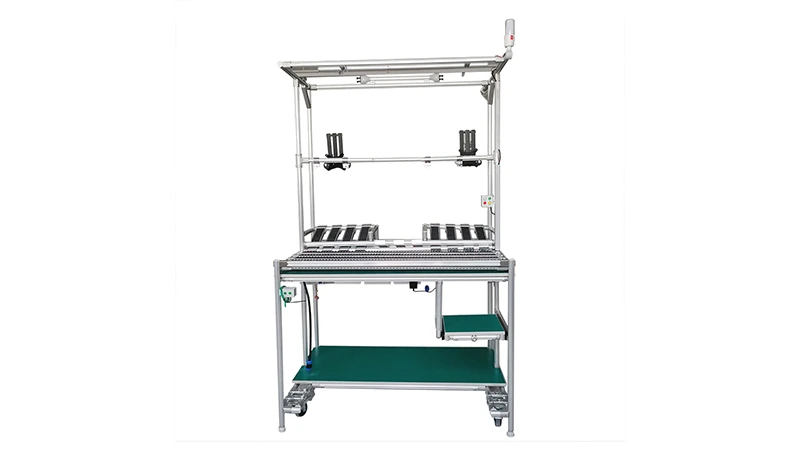
How eco-friendly design and rigorous certifications are reshaping manufacturing workspaces
The Shift Toward Sustainable Manufacturing
Walk into any modern manufacturing facility today, and you'll notice a quiet revolution unfolding. It's not just about faster production lines or smarter technology—though those matter. It's about something deeper: a commitment to sustainability that touches every corner of the workspace, from energy use to the tools and equipment that keep operations running. In this shift, the humble workbench—once seen as little more than a sturdy surface for assembly—has emerged as a symbol of this new era. Enter Aluminum Workbench D: a product designed not just for efficiency, but for the planet.
Sustainability in manufacturing isn't a trend; it's a necessity. With consumers, regulators, and even employees demanding greener practices, businesses are rethinking every component of their operations. The workbench, a central hub of production, is no exception. A poorly designed workbench might use non-recyclable materials, require frequent replacements, or contribute to waste in its assembly. But Aluminum Workbench D is different. Crafted with precision and purpose, it's built to align with the most stringent environmental standards—proving that productivity and planet can go hand in hand.
Aluminum Workbench D: More Than Just a Workspace
At first glance, Aluminum Workbench D might seem like any other sturdy workbench. But look closer, and you'll see the intentionality in every detail. From its frame to its accessories, every part is chosen with sustainability in mind. Let's start with the basics: the material. Aluminum Workbench D is constructed using high-grade aluminum extrusion profile—a choice that sets it apart from traditional workbenches made of wood or steel. Aluminum, as a material, is a sustainability powerhouse: it's 100% recyclable, and recycling it uses just 5% of the energy required to produce new aluminum. That means even at the end of its long lifespan, the workbench's frame won't end up in a landfill; it can be melted down and transformed into something new, again and again.
But the sustainability story doesn't stop with the aluminum extrusion profile. The workbench's modular design relies on durable aluminum profile accessories—connectors, brackets, and supports—that are engineered to last. Unlike plastic accessories that crack or metal parts that rust, these aluminum components stand up to the wear and tear of daily use, reducing the need for frequent replacements. And because they're designed to be compatible with standard aluminum profile systems, businesses can reconfigure the workbench as their needs change—adding shelves, adjusting height, or repositioning tools—without buying an entirely new unit. This adaptability cuts down on waste, making Aluminum Workbench D a long-term investment in both productivity and the planet.
Did you know? The aluminum used in Aluminum Workbench D is often sourced from recycled content. Some suppliers report using up to 70% recycled aluminum in their extrusion profiles, further reducing the product's carbon footprint. This not only lowers environmental impact but also supports a circular economy where materials are kept in use for as long as possible.

Environmental Certifications: The Proof of Sustainability
Talk of sustainability is common, but true commitment is measured by third-party validation. Aluminum Workbench D doesn't just claim to be eco-friendly—it backs it up with a suite of rigorous environmental certifications. These certifications aren't just badges; they're a guarantee that the workbench meets global standards for sustainability, from material sourcing to manufacturing processes. Let's break down the key certifications that set Aluminum Workbench D apart.
| Certification | Focus Area | Relevance to Aluminum Workbench D | Benefits to Businesses |
|---|---|---|---|
| ISO 14001 | Environmental Management Systems | The manufacturer of Aluminum Workbench D holds ISO 14001 certification, ensuring its production facilities follow strict environmental protocols—from waste reduction to energy efficiency. | Assures customers that the workbench is made in a facility committed to minimizing environmental harm. |
| GREENGUARD Certification | Low Chemical Emissions | Aluminum Workbench D is GREENGUARD certified, meaning it emits minimal volatile organic compounds (VOCs). This is critical for indoor air quality in factories and workshops. | Creates a healthier workspace for employees, reducing respiratory issues and improving overall well-being. |
| LEED Compliance | Sustainable Building Materials | As a product made with recycled aluminum and low-impact accessories, Aluminum Workbench D contributes to LEED credits for businesses aiming to certify their facilities. | Helps companies meet sustainability goals for their entire workspace, not just individual products. |
| EU Ecolabel | Comprehensive Environmental Performance | The EU Ecolabel recognizes products with low environmental impact across their lifecycle. Aluminum Workbench D meets criteria for recyclability, energy use, and waste reduction. | Opens doors to European markets with strict sustainability regulations, expanding business opportunities. |
These certifications aren't easy to obtain. They require rigorous testing, documentation, and ongoing compliance. For example, to earn ISO 14001, the manufacturer of Aluminum Workbench D must regularly audit its waste management practices, track energy consumption, and set targets for improvement. Similarly, GREENGUARD certification involves testing the workbench for emissions over time, ensuring it doesn't release harmful chemicals into the air. For businesses, choosing a certified product like Aluminum Workbench D isn't just about doing the right thing—it's about mitigating risk, meeting regulatory requirements, and building trust with stakeholders.

Lean System Integration: Reducing Waste, Boosting Efficiency
Sustainability and efficiency often go hand in hand, and Aluminum Workbench D embodies this synergy through its alignment with lean system principles. Lean manufacturing, a methodology focused on minimizing waste while maximizing value, has long been a cornerstone of efficient production. But lean isn't just about cutting costs—it's about eliminating unnecessary steps, reducing resource use, and creating a more streamlined workflow. Aluminum Workbench D, with its modular design and durable components, fits seamlessly into lean system frameworks, helping businesses reduce waste in ways they might not have considered.
Consider, for example, the workbench's adaptability. In a traditional manufacturing setup, if a team needs to change their production process—say, shifting from assembling small parts to larger components—they might need to replace their workbench entirely. That's waste: wasted money, wasted materials, and wasted time. But Aluminum Workbench D, with its aluminum profile accessories, can be reconfigured in hours. Need a longer surface? Add an extension using compatible aluminum extrusion profile. Require more storage? Attach shelves with quick-connect brackets. This flexibility means the workbench evolves with the business, eliminating the waste of premature replacement.
Another lean principle is "5S"—sort, set in order, shine, standardize, sustain. Aluminum Workbench D supports 5S by keeping tools and materials organized and within reach. Its smooth surface is easy to clean (shining), its modular accessories allow for custom tool placement (setting in order), and its durability ensures the setup remains consistent over time (standardizing). By reducing clutter and inefficiency, the workbench helps teams focus on value-adding tasks, not searching for tools or navigating a messy workspace. And when employees are more efficient, they use fewer resources—less energy, less time, and fewer materials—aligning lean goals with sustainability objectives.
From Production to End-of-Life: A Circular Journey
Sustainability isn't just about what a product is made of—it's about its entire lifecycle. Aluminum Workbench D is designed with a circular economy in mind, ensuring that every stage, from production to disposal, minimizes environmental impact. Let's start at the beginning: manufacturing. The aluminum extrusion profile used in the workbench is produced using energy-efficient processes, with many suppliers relying on renewable energy sources like hydroelectric power. This reduces the carbon footprint of production, making the workbench greener before it even leaves the factory.
During use, the workbench's durability shines. Unlike wooden workbenches that warp or plastic ones that crack, Aluminum Workbench D withstands spills, heavy loads, and daily use without degrading. This longevity means fewer workbenches are needed over time, reducing the demand for raw materials. And when the day finally comes to retire the workbench—decades down the line—its end-of-life is just the start of a new chapter. The aluminum extrusion profile and aluminum profile accessories can be easily disassembled and sent to a recycling facility, where they'll be melted down and turned into new products. Even the workbench's non-aluminum components, like its wooden or composite top (if included), are often made from sustainable or recycled materials, ensuring minimal landfill impact.
Some manufacturers of Aluminum Workbench D even offer take-back programs, where they'll collect old workbenches, recycle the aluminum, and use it to produce new ones. This closed-loop system ensures that the workbench's materials never truly "end"—they're just transformed. It's a stark contrast to traditional workbenches, which often end up in landfills after a few years, contributing to the 2 billion tons of waste generated globally each year. By choosing Aluminum Workbench D, businesses aren't just buying a product—they're joining a movement toward a more circular, less wasteful world.
Why It Matters: The Business Case for Sustainable Workbenches
For some businesses, the idea of choosing a sustainable workbench might feel like a "nice-to-have" rather than a "need-to-have." But the truth is, Aluminum Workbench D offers tangible benefits that go beyond environmental good will. Let's start with the bottom line: while the upfront cost might be slightly higher than a disposable workbench, the long-term savings are significant. With a lifespan of 15–20 years (compared to 3–5 years for cheaper alternatives), the workbench's total cost of ownership is far lower. Add in the savings from reduced replacements, lower energy use (thanks to recyclable materials), and potential tax incentives for sustainable purchases, and the investment pays for itself.
Then there's the matter of reputation. In today's market, consumers and clients want to work with businesses that share their values. A company that uses sustainable tools like Aluminum Workbench D sends a clear message: it cares about more than profits. This can boost brand loyalty, attract eco-conscious customers, and even help win contracts with organizations that prioritize sustainability in their supply chains. Employees, too, are more engaged when they work for companies that act responsibly. A workspace filled with durable, eco-friendly tools like Aluminum Workbench D shows employees that their employer values their health (through low-VOC materials) and the planet, fostering pride and retention.
Regulatory compliance is another key factor. Governments around the world are tightening environmental regulations, from restrictions on single-use plastics to mandates for waste reduction. By choosing a certified sustainable workbench, businesses stay ahead of these regulations, avoiding fines and disruptions. For example, the EU's Circular Economy Action Plan requires companies to design products for durability and recyclability; Aluminum Workbench D, with its modular, recyclable design, is already compliant, giving businesses operating in Europe (or exporting there) peace of mind.
Joining the Movement: Choosing Sustainability Today
Aluminum Workbench D isn't just a workbench—it's a statement. It's a statement that sustainability and productivity can coexist, that businesses don't have to choose between profit and the planet, and that every component of a manufacturing process, no matter how small, can make a difference. As more companies embrace this mindset, the ripple effects will be profound: cleaner factories, reduced waste, healthier employees, and a planet that's better equipped to support future generations.
So, what does this mean for your business? It means that upgrading to Aluminum Workbench D isn't just about getting a better workspace—it's about joining a movement. It's about being part of a future where manufacturing is kind to the planet, where tools are built to last, and where every decision is made with the next generation in mind. Whether you're a small workshop or a large production facility, the choice is clear: sustainability isn't a cost; it's an investment in a better, more resilient business.
In the end, Aluminum Workbench D is more than a product. It's a reminder that sustainability is within reach, even in the most practical aspects of our work. It's proof that when we design with intention—choosing aluminum extrusion profile over plastic, aluminum profile accessories over disposable parts, and certifications over empty promises—we can build a world where productivity and planet thrive together. And that's a future worth working toward.