- Company Articles
- Industry articles
- Industry standards
- Aluminum Workbench D for Pharmaceutical Production: Compliance with GMP Standards

Aluminum Workbench D for Pharmaceutical Production: Compliance with GMP Standards
Related Product
Aluminum Workbench D
Aluminum tube workbench is more flexible and durable, compared with traditional PE/ABS coated steel tube. It is easy to assemble, anti corrosion, rust protection, and recycle use after disassemble.
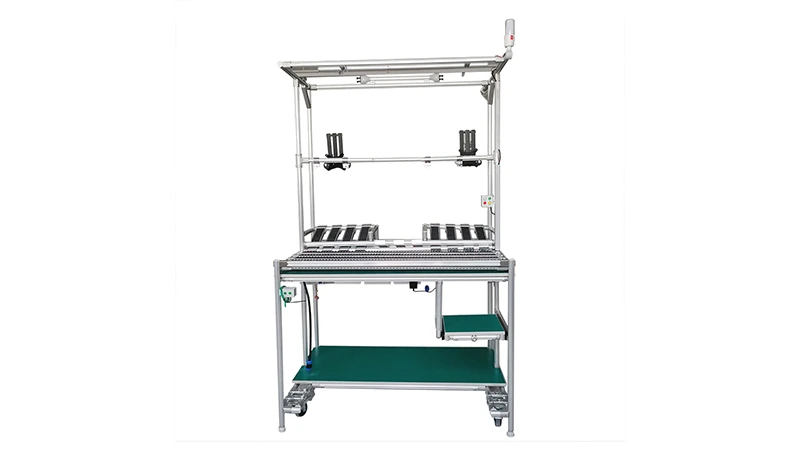
Enhancing safety, efficiency, and regulatory alignment in critical manufacturing environments
Introduction: Why GMP Compliance Matters in Pharmaceutical Manufacturing
In the world of pharmaceutical manufacturing, every detail matters. From the raw materials that go into a medication to the equipment used to mix, package, and test it, the stakes are incredibly high. After all, the end product isn't just a commodity—it's a substance that directly impacts patient health, and in many cases, can mean the difference between life and death. This is where Good Manufacturing Practices (GMP) come into play. GMP isn't just a set of guidelines; it's a promise to patients, regulators, and stakeholders that every step of the production process is designed to ensure product safety, purity, and consistency.
At the heart of GMP compliance lies the concept of "quality by design." This means building systems, processes, and tools that inherently reduce risk, minimize contamination, and support traceability. One often-overlooked but critical tool in this ecosystem is the humble workbench. In pharmaceutical facilities, workbenches are where precision tasks happen: from weighing active ingredients to assembling medical devices, from labeling vials to conducting quality control tests. A poorly designed workbench can introduce contaminants, hinder workflow efficiency, or even compromise product integrity—all of which put GMP compliance at risk.
Enter Aluminum Workbench D. Designed specifically with pharmaceutical production in mind, this workbench isn't just a surface to place tools. It's a thoughtfully engineered solution that addresses the unique challenges of GMP environments, from material selection to ergonomic design, and from static control to cleanability. In this article, we'll explore how Aluminum Workbench D sets a new standard for compliance, efficiency, and safety in pharmaceutical manufacturing.
The Challenges of Workbenches in GMP-Compliant Environments
Before diving into what makes Aluminum Workbench D exceptional, it's important to understand the hurdles that traditional workbenches often fail to overcome in pharmaceutical settings. Let's break down the key challenges:
- Material Contamination Risk: Many workbenches are made from materials like wood or low-grade steel, which are porous, prone to chipping, or can corrode when exposed to harsh cleaning agents. These materials can harbor bacteria, dust, or chemical residues—all of which are unacceptable in GMP environments where cross-contamination is a top concern.
- Static Electricity Hazards: Pharmaceuticals, especially those involving powders or sensitive electronic components (like diagnostic kits), are highly susceptible to damage from static electricity. Static charges can attract dust particles, disrupt delicate formulations, or even cause sparks in environments with flammable substances. Traditional workbenches often lack built-in electrostatic discharge (ESD) protection, making them a hidden risk.
- Poor Cleanability: GMP requires frequent and thorough cleaning of all surfaces. Workbenches with crevices, sharp corners, or hard-to-reach areas make cleaning time-consuming and ineffective. Even small gaps can trap debris, creating breeding grounds for microbes that compromise product safety.
- Inefficient Workflow Integration: Pharmaceutical production lines thrive on lean principles—eliminating waste, streamlining processes, and ensuring smooth material flow. Workbenches that are bulky, non-adjustable, or incompatible with other equipment (like conveyors or material racks) can create bottlenecks, slowing down production and increasing the risk of human error.
- Lack of Regulatory Traceability: GMP inspectors demand documentation for everything, including the materials and specifications of production equipment. Many workbench suppliers fail to provide the necessary certifications (like material safety data sheets or compliance with ISO standards), leaving manufacturers vulnerable during audits.
These challenges aren't just inconveniences—they're barriers to meeting regulatory requirements and ensuring patient safety. Aluminum Workbench D was developed to address each of these issues head-on, redefining what a workbench can deliver in a GMP environment.

Introducing Aluminum Workbench D: A Purpose-Built Solution
Aluminum Workbench D isn't a one-size-fits-all piece of furniture. It's a modular, GMP-compliant workstation engineered for the unique demands of pharmaceutical manufacturing. From its core material to its smallest accessories, every component is chosen with compliance, safety, and efficiency in mind. Let's take a closer look at what sets it apart.
Key Differentiator: Unlike generic workbenches, Aluminum Workbench D is designed using high-grade aluminum extrusion profile—a material celebrated for its durability, cleanability, and compatibility with GMP standards. This choice isn't accidental: aluminum extrusion profile offers a non-porous surface that resists corrosion, doesn't harbor bacteria, and stands up to repeated exposure to disinfectants and sterilizing agents.
The Foundation: Aluminum Extrusion Profile
At the heart of Aluminum Workbench D is its frame, constructed from premium aluminum extrusion profile. Aluminum extrusion profile is created by forcing heated aluminum through a die, resulting in consistent, precise shapes with smooth surfaces and minimal seams. This manufacturing process offers several advantages for pharmaceutical workbenches:
- Non-Porous and Inert: Aluminum extrusion profile has a smooth, closed surface that doesn't absorb liquids or harbor microbes. Unlike wood or plastic, it won't swell, crack, or degrade when cleaned with alcohol, hydrogen peroxide, or other GMP-approved disinfectants.
- Lightweight Yet Strong: Aluminum is significantly lighter than steel, making the workbench easy to reconfigure (a boon for lean system integration) without sacrificing strength. It can support heavy loads (up to 300 kg per shelf) without bending, ensuring stability even when handling large batches of materials.
- Resistant to Corrosion and Chemicals: Pharmaceutical facilities use aggressive cleaning agents to maintain sterility. Aluminum extrusion profile is naturally resistant to corrosion, and when anodized (a process that adds a protective oxide layer), it becomes even more durable, standing up to years of harsh cleaning without degradation.
- Modular Flexibility: Aluminum extrusion profile systems are inherently modular, with standardized slots and connectors that allow for easy customization. Need to add a shelf, a tool rail, or a side extension? Aluminum Workbench D can be adapted in minutes, without welding or specialized tools—perfect for evolving production needs.
But the aluminum extrusion profile is just the starting point. Aluminum Workbench D combines this robust foundation with a range of features that make it a true ESD workstation, a lean system enabler, and a GMP compliance champion.

Key Features of Aluminum Workbench D: Beyond the Basics
To truly understand why Aluminum Workbench D stands out, let's dive into its most critical features—each designed to address the challenges of pharmaceutical manufacturing:
1. ESD Protection: Safeguarding Sensitive Products
As an ESD workstation, Aluminum Workbench D incorporates multiple layers of static control to protect pharmaceuticals and components from electrostatic damage. The work surface is made from a conductive aluminum composite material that dissipates static charges safely to the ground. This surface is paired with ESD-compliant accessories, including grounding cords, wrist straps, and even ESD-safe bins for waste disposal. Every component is tested to meet ANSI/ESD S20.20 standards, ensuring that static charges are kept below 100 volts—critical for handling sensitive formulations and electronic medical devices.
For pharmaceutical manufacturers producing powders or aerosols, this ESD protection isn't just a nicety—it's a necessity. Static charges can cause powders to clump, alter particle size distributions, or even create dust clouds that contaminate nearby batches. Aluminum Workbench D eliminates these risks, ensuring product consistency and reducing waste.
2. Design for Cleanability: No Hidden Risks
GMP inspectors pay close attention to how easily equipment can be cleaned, and Aluminum Workbench D excels in this area. The workbench features a seamless, rounded-edge design with no crevices or sharp corners where debris can accumulate. The aluminum extrusion profile frame is assembled using smooth, flush connectors that eliminate gaps, and the work surface is sloped slightly (1-2 degrees) to allow liquids to drain away, preventing pooling.
Even the accessories are designed for cleanability. Optional add-ons like tool rails, monitor arms, and material bins attach via quick-release, tool-free mechanisms, making them easy to remove and sanitize separately. The workbench is compatible with all GMP-approved cleaning agents, including bleach, alcohol, and peroxide-based disinfectants, without discoloration or degradation.
3. Lean System Integration: Streamlining Workflows
Aluminum Workbench D isn't just a standalone workstation—it's a key component of a lean system. Its modular design allows it to integrate seamlessly with other production tools, such as flow racks, conveyors, and turnover trolleys. For example, the workbench can be equipped with roller track placon mounts that connect to aluminum guide rails, enabling smooth material transfer from storage racks to the work surface. This reduces the need for manual lifting, cutting down on fatigue and errors.
The workbench's height is also adjustable (from 750mm to 900mm), allowing operators to customize it to their comfort and the task at hand—whether they're standing for assembly work or sitting for detailed inspection. This ergonomic flexibility reduces strain, improving productivity and reducing the risk of workplace injuries.
Additionally, Aluminum Workbench D can be configured with built-in storage solutions, such as under-shelf racks or pull-out drawers, to keep tools and materials organized and within arm's reach. This minimizes movement, streamlines workflows, and ensures that everything has a designated place—key principles of lean manufacturing.
4. Material Certifications and Traceability
Regulatory compliance isn't just about design—it's about documentation. Aluminum Workbench D comes with a comprehensive compliance package that includes material safety data sheets (MSDS) for the aluminum extrusion profile, ESD surface test reports, and certificates of conformity with ISO 13485 (medical device quality management) and ISO 9001 (general quality management). These documents provide the traceability GMP inspectors demand, giving manufacturers peace of mind during audits.
The aluminum extrusion profile itself is sourced from suppliers who meet strict environmental and ethical standards, ensuring that the workbench aligns with sustainability goals—a growing concern for pharmaceutical companies and their stakeholders.
GMP Compliance Verification: How Aluminum Workbench D Measures Up
To truly be GMP-compliant, a workbench must meet specific regulatory requirements. Let's verify how Aluminum Workbench D aligns with key GMP principles:
| GMP Requirement | Aluminum Workbench D Compliance Feature |
|---|---|
| Material must be non-reactive, non-absorbent, and resistant to corrosion | Anodized aluminum extrusion profile with smooth, non-porous surface; resistant to GMP cleaning agents |
| Surfaces must be easy to clean, disinfect, and sanitize | Seamless, rounded-edge design; no crevices or gaps; removable accessories for thorough cleaning |
| Equipment must prevent contamination of products | ESD protection to reduce dust attraction; sloped work surface to prevent liquid pooling; non-shedding materials |
| Design must support efficient workflow and minimize human error | Modular integration with lean system tools (flow racks, conveyors); adjustable height; built-in storage |
| Documentation of materials and specifications must be available | Comprehensive compliance package with MSDS, ISO certificates, and ESD test reports |
Beyond these requirements, Aluminum Workbench D also supports other GMP guidelines, such as "aseptic processing" and "process validation." For example, in aseptic environments (where products must be free from all microorganisms), the workbench can be equipped with HEPA-filtered air curtains to create a sterile microenvironment around the work surface. In process validation, its consistent dimensions and performance ensure that production processes are repeatable and reliable—key for regulatory approval.
Real-World Applications: Success Stories in Pharmaceutical Manufacturing
To understand the impact of Aluminum Workbench D, let's look at how it's been implemented in real pharmaceutical facilities:
Case Study 1: A Global Vaccine Manufacturer
A leading vaccine producer was struggling with contamination issues in its fill-finish line, where vials are filled with liquid vaccine and sealed. Traditional steel workbenches were corroding after repeated cleaning with hydrogen peroxide, creating small pits that trapped bacteria. Inspectors flagged this as a critical GMP violation, threatening production delays.
After switching to Aluminum Workbench D, the manufacturer saw immediate improvements. The anodized aluminum extrusion profile withstood daily peroxide cleaning without corrosion, and the seamless design eliminated bacterial hiding spots. The ESD surface also reduced dust attraction, cutting down on particulate contamination in vials by 40%. Within six months, the facility passed its GMP inspection with zero findings related to workbench cleanliness.
Case Study 2: A Diagnostic Kit Producer
A company manufacturing rapid diagnostic kits (used to detect diseases like malaria) was experiencing high rejection rates due to static damage. The kits contain delicate electronic sensors that were being disrupted by static charges from their old wooden workbenches, leading to false test results.
By upgrading to Aluminum Workbench D as an ESD workstation, the company reduced static-related rejects by 75%. The conductive work surface and grounding accessories dissipated static charges, protecting the sensors during assembly. The modular design also allowed the company to integrate flow racks directly into the workbench, streamlining the movement of components and cutting production time by 20%—a win for both quality and efficiency.
Customization and Accessories: Tailoring to Unique Needs
Every pharmaceutical facility has unique needs, and Aluminum Workbench D is designed to adapt. A range of accessories allows manufacturers to customize the workbench to their specific processes:
- Adjustable Shelving: Add extra shelves (fixed or height-adjustable) to store tools, reagents, or finished products within easy reach.
- Lighting Systems: LED task lights with dimming controls improve visibility for detailed tasks like labeling or inspection, reducing eye strain and errors.
- Tool Management: Magnetic tool strips, pegboards, and custom tool organizers keep frequently used tools (like pipettes, scales, and forceps) organized and sterile.
- Waste Disposal: Integrated, foot-operated waste bins with lids prevent contamination from open waste containers.
- Casters and Mobility: For facilities that need flexible workstations, optional lockable casters allow the workbench to be moved and secured in different locations—ideal for batch processing or temporary production lines.
These accessories are all designed to work seamlessly with the aluminum extrusion profile frame, ensuring that customization doesn't compromise GMP compliance or cleanability.
Conclusion: Investing in Compliance, Safety, and Efficiency
Aluminum Workbench D isn't just a workbench—it's a strategic investment in GMP compliance, patient safety, and operational efficiency. By combining high-quality aluminum extrusion profile with ESD protection, lean system integration, and GMP-focused design, it addresses the critical challenges pharmaceutical manufacturers face daily.
In an industry where regulatory scrutiny is increasing and patient expectations are higher than ever, having the right tools can make all the difference. Aluminum Workbench D doesn't just meet GMP standards—it sets a new benchmark for what a workbench can deliver, empowering manufacturers to produce safer, more consistent products with confidence.
Whether you're a small contract manufacturer or a global pharmaceutical giant, Aluminum Workbench D offers the compliance, flexibility, and reliability you need to thrive in today's complex regulatory landscape. It's more than equipment—it's a partner in ensuring that every medication that leaves your facility is safe, pure, and effective.