- Company Articles
- Industry articles
- Industry standards
- Anti-Slip Adjustable Leveling Feet for Medical Storage Racks: Compliance Guide

Anti-Slip Adjustable Leveling Feet for Medical Storage Racks: Compliance Guide
Related Product
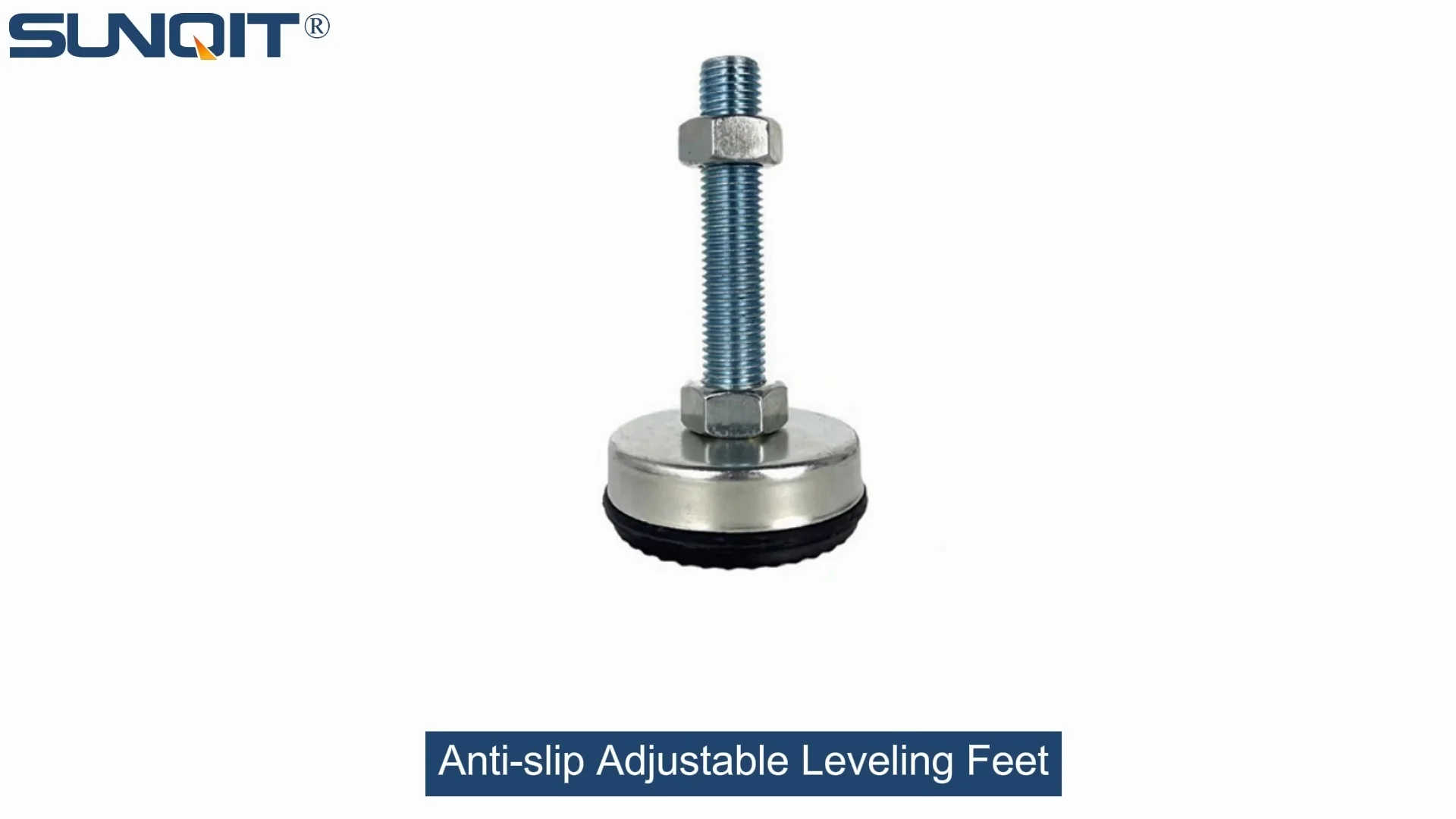
Anti-slip Adjustable Leveling Feet
Anti-slip Adjustable Leveling Feet are designed to keep machines level when placed on uneven or sloped ground, the rubber base will prevent product slip during work.
Walk into any hospital pharmacy, laboratory, or medical supply room, and you'll notice a common thread: precision. Every shelf, every rack, and every piece of equipment is there for a reason—holding medications, diagnostic tools, sterile supplies, or sensitive samples that can't afford to be compromised. But what keeps those racks steady when floors are uneven? When carts bump into them? When daily operations create constant movement? The answer often lies in a small but critical component: anti-slip adjustable leveling feet. In medical settings, where compliance with strict regulations isn't just a goal but a legal requirement, choosing the right leveling feet isn't an afterthought—it's a cornerstone of safe, reliable storage.
Why Medical Storage Racks Can't Afford to Cut Corners on Stability
Medical storage racks aren't just furniture—they're guardians of patient safety. A rack holding chemotherapy drugs that tilts could spill hazardous materials. A shelf with blood samples that slides might compromise test results. Even a minor wobble in a rack storing surgical instruments could lead to scratches, contamination, or worse, accidents that harm staff. According to the FDA's Good Storage Practices for Pharmaceuticals , medical products must be stored in conditions that prevent "damage, contamination, or degradation." Unstable racks directly violate this mandate, putting facilities at risk of regulatory penalties, product loss, or even patient harm.
Floors in medical facilities are rarely perfectly level. Years of foot traffic, equipment movement, and building settling create subtle (and sometimes not-so-subtle) unevenness. Traditional fixed feet or generic casters might work in offices or warehouses, but in healthcare, they're inadequate. Fixed feet can't adapt to dips or bumps, leading to rocking racks. Casters, while mobile, often lack the grip needed to stay put during busy shifts. This is where anti-slip adjustable leveling feet shine: they bridge the gap between stability and adaptability, ensuring racks stay firm on any surface.
Compliance 101: The Regulations Shaping Medical Storage
For medical facilities, compliance isn't optional. Regulatory bodies like the FDA, ISO, and OSHA set strict standards to ensure patient safety, product integrity, and workplace security. When it comes to storage racks, anti-slip adjustable leveling feet play a direct role in meeting these standards. Let's break down the key regulations and how leveling feet factor in:
| Regulation | Governing Body | Key Requirement | Role of Anti-Slip Adjustable Leveling Feet |
|---|---|---|---|
| FDA 21 CFR Part 211 | U.S. Food and Drug Administration | Pharmaceuticals must be stored to prevent "damage, contamination, or deterioration." | Prevents rack tipping/spills, ensuring products remain intact and uncontaminated. |
| ISO 13485 | International Organization for Standardization | Quality management systems for medical device manufacturers, including storage of components. | Ensures stable storage of device components, reducing risk of damage during production/storage. |
| OSHA 1910.176 | Occupational Safety and Health Administration | "Storage of material shall not create a hazard. Bags, containers, bundles, etc., shall be stacked in such a way as to prevent sliding, falling, or collapse." | Anti-slip bases and adjustability prevent racks from sliding/collapsing, protecting staff from injury. |
| USP <797> | United States Pharmacopeia | Sterile compounding areas must maintain "orderly storage" to avoid cross-contamination. | Stable racks reduce dust accumulation (from wobbling) and prevent accidental contact with sterile items. |

What Makes Anti-Slip Adjustable Leveling Feet "Medical-Grade"?
Not all leveling feet are created equal. In medical environments, where corrosion, contamination, and durability are constant concerns, "medical-grade" leveling feet must check specific boxes. Let's unpack the features that set them apart:
1. Anti-Slip Base: Grip That Doesn't Quit
The "anti-slip" part isn't just marketing—it's a critical safety feature. Most medical-grade leveling feet use a rubber or thermoplastic elastomer (TPE) base designed to grip both smooth and textured floors. Unlike hard plastic bases that slide when pressure is applied, these materials create friction, even when floors are slightly wet (a common scenario in labs or cleanrooms where spills happen). Look for bases with a Shore A hardness rating between 60-80; this balance ensures flexibility (to conform to floor irregularities) and durability (to resist wear from cleaning chemicals).
2. Adjustable Height: Taming Uneven Floors
Medical facilities are rarely built on perfectly flat ground. Old hospitals may have settled floors; new construction might have minor slants. Adjustable leveling feet solve this with a threaded stem that screws into the rack leg, allowing you to raise or lower each foot by turning it. A typical range is 10-50mm of adjustment, but some heavy-duty models go up to 100mm. For added precision, look for feet with marked increments (e.g., "1mm per turn") to ensure all feet are adjusted evenly—critical for maintaining rack alignment.
3. Corrosion-Resistant Materials: Fighting Moisture and Chemicals
Medical storage areas are cleaned regularly with harsh disinfectants—bleach, alcohol, quaternary ammonium compounds. Standard steel leveling feet would rust quickly, but medical-grade options use materials like 304 or 316 stainless steel (for stems and bases) or anodized aluminum. Stainless steel 316, in particular, is ideal for wet environments (like labs or sterile processing departments) because it resists corrosion from salt, moisture, and chemicals. Aluminum, while lighter, is often anodized to create a protective oxide layer that prevents rust and scratches.
4. Load Capacity: Supporting the Weight of Responsibility
A rack holding 50kg of medications needs different feet than one storing 500kg of heavy equipment. Medical-grade leveling feet are rated by load capacity—typically 100-2000kg per foot. Always check the static load rating (weight when stationary) and dynamic load rating (weight during minor movement, like when restocking). Overloading feet can strip threads, crack bases, or cause the rack to sink into soft floors—all compliance violations waiting to happen.

Beyond Compliance: The Hidden Benefits of the Right Leveling Feet
While compliance is the baseline, anti-slip adjustable leveling feet offer perks that go beyond checking regulatory boxes. Let's look at how they improve daily operations:
- Reduced Downtime: Wobbly racks often require frequent readjustment. With durable, adjustable feet, you set them once and forget them—freeing staff to focus on patient care, not rack maintenance.
- Lower Replacement Costs: Cheap plastic feet crack; generic steel feet rust. Medical-grade options last 5-10 years (or longer with proper care), reducing the need for frequent replacements.
- Quieter Operations: Loose feet can create squeaking or rattling when racks are bumped. Tight, stable feet dampen noise—a small but meaningful win in busy, high-stress environments.
- Flexibility for Renovations: When facilities rearrange storage areas, adjustable feet make it easy to adapt racks to new floor conditions without buying new equipment.

Installing Anti-Slip Adjustable Leveling Feet: A Step-by-Step Guide
Even the best leveling feet won't work if installed incorrectly. Here's how to ensure a stable, compliant setup:
- Assess the Floor: Use a 4-foot level to check for slopes or dips. Mark high and low spots on the floor where the rack will sit—this guides adjustment later.
- Choose the Right Feet: Match the foot's stem diameter to the rack's leg hole (common sizes: M8, M10, M12). If the rack has aluminum profile legs, ensure the feet are compatible with the profile's t-slot or mounting holes.
- Hand-Tighten First: Screw each foot into the rack leg by hand until the base touches the floor. Avoid over-tightening at this stage—you'll adjust height next.
- Level the Rack: Place the level on top of the rack. Adjust the feet by turning them clockwise (to lower) or counterclockwise (to raise) until the bubble is centered. Check both front-to-back and side-to-side.
- Secure with Lock Nuts: Once level, tighten the lock nut (if included) against the rack leg to prevent the foot from unscrewing over time. Use a wrench with a torque wrench attachment to avoid stripping threads—most manufacturers recommend 15-25 Nm.
- Test Stability: Push gently on all sides of the rack. It should not rock or slide. If it does, recheck the level and adjust feet as needed.
Maintenance: Keeping Feet (and Racks) Compliant for Years
Like any medical equipment, anti-slip adjustable leveling feet need regular care to stay effective. Here's a simple maintenance checklist:
Monthly Checks:
- Inspect anti-slip bases for cracks, tears, or loss of grip (e.g., smooth spots from wear).
- Tighten lock nuts if feet feel loose.
- Verify rack is still level (floors can shift slightly over time).
Quarterly Checks:
- Clean feet with mild soap and water to remove dirt or chemical residue (avoid abrasive cleaners that damage anti-slip bases).
- Check stems for rust or corrosion—especially in wet areas. replace if pitting is visible.
Annual Replacement (If Needed):
Anti-slip bases wear out over time—replace them when grip noticeably decreases (e.g., the rack slides when pushed). Most bases last 3-5 years with regular use.
Choosing a Supplier: What to Look for Beyond the Product
Not all anti-slip adjustable leveling feet suppliers are the same. In medical settings, where compliance audits are routine, partnering with a reputable supplier is as important as the product itself. Here's what to ask before buying:
- Do you have compliance documentation? Ask for material certificates (e.g., stainless steel grade), anti-slip test reports (per ASTM F489 for floor slip resistance), and load capacity certifications. Reputable suppliers will provide these without hesitation.
- Can you customize feet for our racks? If your facility uses specialized aluminum profile racks or unique leg sizes, ensure the supplier offers custom stem lengths, base materials, or mounting options.
- What's your quality control process? Look for suppliers with ISO 9001 certification—this ensures consistent manufacturing standards. Ask how they test for corrosion resistance or load capacity.
- Do you offer technical support? A good supplier will help with installation guidance, troubleshooting, or replacement part ordering. Avoid suppliers who treat you as just another order.
Final Thoughts: Small Feet, Big Impact on Patient Safety
Anti-slip adjustable leveling feet may be small, but their role in medical storage is enormous. They're the unsung heroes that keep racks stable, products secure, and facilities compliant. By prioritizing features like anti-slip bases, corrosion-resistant materials, and adjustability, you're not just following regulations—you're investing in the safety of patients, staff, and the integrity of the care you provide. So the next time you walk into a medical storage room, take a moment to look down. Those little feet under the racks? They're doing more than you think.
"In healthcare, precision isn't a luxury—it's a necessity. And precision starts from the ground up."