- Company Articles
- Industry articles
- Industry standards
- Automotive Lean Lines: 2020 National Standard Profile for Error-Proof Assembly

Automotive Lean Lines: 2020 National Standard Profile for Error-Proof Assembly
Related Product
2020 National Standard Profile
45° external bending joint, used for 45° external connection of two aluminum pipes.
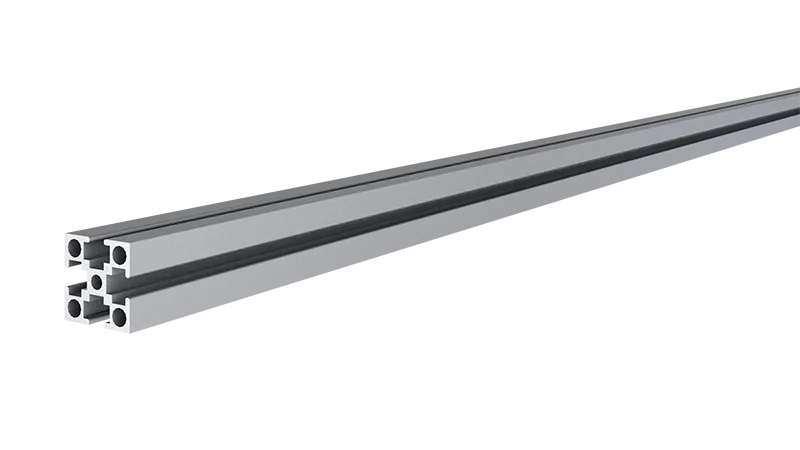
In the high-stakes world of automotive manufacturing, every second counts. A single misaligned part, a delayed material transfer, or a workstation that doesn't quite fit the task can send ripples through the production line—slowing output, increasing costs, and even compromising quality. For plant managers and line supervisors, the pressure to balance speed, precision, and safety is relentless. This is where lean systems step in, but not all lean solutions are created equal. Today, we're diving into a game-changer for automotive lean lines: the 2020 National Standard Profile . Paired with aluminum extrusion profiles and smart components like roller tracks and ergonomic workbenches , this system isn't just about reducing waste—it's about building error-proof assembly lines that adapt, evolve, and empower the people who keep the industry moving.
Why Lean Systems Matter in Modern Automotive Manufacturing
Lean manufacturing isn't a buzzword; it's a mindset honed over decades to eliminate waste—whether that's time, materials, or unnecessary movement. In automotive plants, where assembly lines hum with thousands of parts daily, even small inefficiencies add up. A traditional line might rely on rigid, custom-built fixtures that take weeks to reconfigure when a new model launches. Or maybe materials get stuck on clunky conveyors, causing bottlenecks. Workers strain to reach tools stored too high, or parts roll off unguided shelves, leading to scratches or delays.
Enter the modern lean system : flexible, modular, and designed with the human element in mind. At its core are components that can be adjusted, expanded, or repurposed without overhauling the entire line. And here's where aluminum extrusion profiles shine. Unlike heavy steel or one-size-fits-all plastic, aluminum profiles offer a sweet spot of strength and adaptability. They're lightweight enough to reconfigure with basic tools but sturdy enough to support heavy automotive parts, from engine components to door panels. When paired with standardized accessories—think connectors, brackets, and roller tracks —they become the backbone of a system that grows with your needs.
The 2020 National Standard Profile: Setting a New Benchmark
Not all aluminum profiles are created equal. Before the 2020 National Standard, manufacturers often faced a fragmented market: profiles from different suppliers might have slightly different tolerances, slot sizes, or accessory compatibility. This meant a bracket from Supplier A might not fit a profile from Supplier B, forcing plants to lock into a single vendor or waste time (and money) on custom adapters. The 2020 National Standard Profile changed that.
Developed with input from automotive engineers, lean consultants, and lean system suppliers , this standard defines critical parameters: consistent T-slot dimensions, wall thickness tolerances, and material composition (6063-T5 aluminum, known for its strength-to-weight ratio). For example, the 2020 profile specifies a slot width of 6mm with a tolerance of ±0.1mm, ensuring that accessories like roller track connectors or workbench brackets fit seamlessly across brands. This interoperability is a game-changer. A plant in Detroit can now source profiles from a local supplier and accessories from a global vendor, confident they'll work together—no more "will this fit?" guesswork.
But the standard isn't just about dimensions. It also prioritizes sustainability: the aluminum used is 100% recyclable, aligning with automotive's push toward greener manufacturing. And because the profiles are extruded (shaped by forcing molten aluminum through a die), they minimize material waste compared to cut-and-weld steel structures. For plant managers, this translates to lower costs, faster setup times, and a line that can pivot quickly when production needs change—say, shifting from SUVs to electric vehicles.

Building Blocks of an Error-Proof Line: Workbenches, Roller Tracks, and More
A lean line is only as strong as its components. Let's break down how the 2020 National Standard Profile integrates with key elements to create error-proof assembly:
Workbenches: Where Precision Meets Comfort
The workbench is the heart of any assembly station. A poorly designed bench leads to worker fatigue, mistakes, and slowdowns. With the 2020 profile, workbenches become customizable ergonomic hubs. Imagine a station where the height adjusts with a simple crank, ensuring a 5'2" technician and a 6'4" colleague can both work comfortably. The aluminum extrusion frame supports heavy-duty tops—like anti-static ESD panels for electronics assembly or heat-resistant surfaces for welding tasks. Accessories like tool hooks, part bins, and monitor mounts slide into the T-slots, keeping everything within arm's reach. No more bending to grab a wrench or searching for a misplaced screw; everything has a place, reducing errors caused by disorganization.
Take, for example, the "Workbench E (single deck-without caster)" from many lean system suppliers . Built on 2020 National Standard Profile legs, it can be outfitted with adjustable shelves, LED task lighting, and even integrated power strips—all without drilling or welding. If a new part requires a wider surface, simply add an extension panel using compatible brackets. This flexibility means the same bench can serve as a wiring station one month and a quality inspection post the next.
Roller Tracks: Guiding Parts to Perfection
Material flow is the lifeblood of an assembly line. Misaligned or sticky conveyors cause parts to jam, leading to scratches, delays, or missed deadlines. Roller tracks built with 2020 profile solve this with precision-engineered components. The tracks themselves are mounted on aluminum extrusion frames, with swivel roller balls (1 inch or 0.5 inch, depending on part size) that glide smoothly, even with heavy loads. The plastic roller track guide rails—available in yellow or grey—keep parts centered, preventing them from veering off course. For example, a door panel moving from the painting station to assembly stays aligned thanks to the guide rails, reducing the risk of dents or misalignment during transfer.
But error-proofing goes further. The 2020 standard ensures that roller track placon mounts (the brackets that attach tracks to profiles) are standardized, so replacing a worn mount takes minutes, not hours. And with options like "roller track placon mount center support brackets," tracks can span longer distances without sagging—critical for lines that stretch hundreds of feet. For workers, this means fewer interruptions to unjam parts and more time focused on assembling correctly the first time.
Accessories: The Glue That Holds It All Together
It's the small things that often cause big headaches. Loose casters, wobbly shelves, or incompatible connectors can turn a smooth line into a frustrating one. The 2020 National Standard Profile extends to accessories, ensuring that caster wheels , lean pipe joints , and even swivel roller balls meet strict quality benchmarks. For example, the "stainless steel swivel roller balls 1 inch" are tested to withstand 100,000 cycles of use without degradation—meaning they'll keep rolling smoothly for years, even in high-traffic areas. Caster accessories like brake levers are designed for easy operation, so workers can lock a turnover trolley in place with a quick foot tap, preventing accidental movement that could damage parts.
Perhaps most importantly, these accessories are designed for quick replacement. A worn caster wheel can be swapped out in 5 minutes with a wrench, whereas a traditional welded caster might require cutting and rewelding—taking hours. This "plug-and-play" approach minimizes downtime, keeping the line running and errors low.
Traditional vs. 2020 Profile Systems: A Clear Advantage
| Feature | Traditional Steel/Plastic Systems | 2020 National Standard Profile System |
|---|---|---|
| Setup Time | Weeks (custom welding, cutting) | Days (modular assembly with bolts/connectors) |
| Flexibility | Rigid (difficult to reconfigure) | Highly adaptable (add/remove components in hours) |
| Error Risk | Higher (misaligned parts, stuck conveyors) | Lower (guided tracks, standardized accessories) |
| Sustainability | Low (steel not easily recyclable, high waste) | High (100% recyclable aluminum, minimal waste) |
| Cost Over Time | Higher (frequent replacements, downtime) | Lower (durable, reusable components, fast repairs) |
From Chaos to Clarity: A Real-World Impact Story
Let's ground this in reality. Consider a mid-sized automotive parts manufacturer in Ohio that produces brake assemblies for major automakers. Before adopting the 2020 National Standard Profile, their line was a patchwork of steel workbenches (welded in place), plastic roller tracks (prone to cracking), and custom-built racks that couldn't be adjusted. Changeovers—switching from a brake caliper for a sedan to one for a truck—took 48 hours, during which the line sat idle. Workers complained of back pain from non-adjustable benches, and parts often got stuck on misaligned tracks, leading to a 3% error rate (high for safety-critical components).
In 2022, they partnered with a lean system supplier to overhaul the line using 2020 National Standard Profiles. The transformation was dramatic: workbenches were replaced with adjustable aluminum models, roller tracks were upgraded to standardized aluminum-and-plastic versions with guide rails, and racks became modular, with shelves that could be repositioned in minutes. The result? Changeover time dropped to 8 hours. Error rates plummeted to 0.5% as parts flowed smoothly and workers had tools at the right height. And because the aluminum profiles were lighter, the plant reduced its energy use for material handling by 15%. For the workers, the difference was night and day. "I used to dread changeovers," said Maria, a 10-year line technician. "Now, we adjust the bench, swap out the track guides, and we're back to work. No more fighting with stuck parts or bending over for hours."
The Future of Lean Lines: Where Adaptability Meets Innovation
As automotive manufacturing evolves—with electric vehicles, autonomous systems, and shorter product cycles—the need for flexible, error-proof lines will only grow. The 2020 National Standard Profile isn't just a solution for today; it's a foundation for tomorrow. Imagine a line that can be reconfigured by a single worker using a smartphone app, with IoT sensors in the roller tracks alerting maintenance when a roller needs replacement before it jams. Or workbenches that adjust automatically based on a worker's height, detected via a wearable device. These innovations are possible because the 2020 standard provides a consistent, interoperable platform for adding smart technology.
For lean system suppliers , this means opportunities to innovate within a framework. New accessories—like AI-powered part detectors that flag misaligned components on the roller track—can be developed knowing they'll fit any 2020 profile line. For manufacturers, it means staying competitive in a fast-changing industry, where the ability to adapt quickly isn't just an advantage—it's a necessity.
Why the 2020 National Standard Profile Isn't Just a Choice—It's a Competitive Edge
At the end of the day, automotive manufacturing is about people: the workers on the line, the engineers designing the next generation of vehicles, and the customers who rely on safe, reliable products. The 2020 National Standard Profile, paired with aluminum extrusion profiles , workbenches , and roller tracks , puts people at the center. It reduces frustration by eliminating unnecessary waste, empowers workers with tools that fit their needs, and gives plant managers the flexibility to stay ahead of the curve.
So, if you're still relying on rigid, outdated systems, ask yourself: What's the cost of downtime? Of errors? Of workers struggling with tools that weren't built for adaptability? The 2020 National Standard Profile isn't just a set of dimensions—it's a commitment to smarter, more human-centered manufacturing. And in an industry where every second and every part counts, that's the edge that will keep you moving forward.