- Company Articles
- Industry articles
- Industry standards
- Automotive Plant Efficiency: 2040 EU Standard Aluminum Profile Conveyors in Action

Automotive Plant Efficiency: 2040 EU Standard Aluminum Profile Conveyors in Action
Related Product
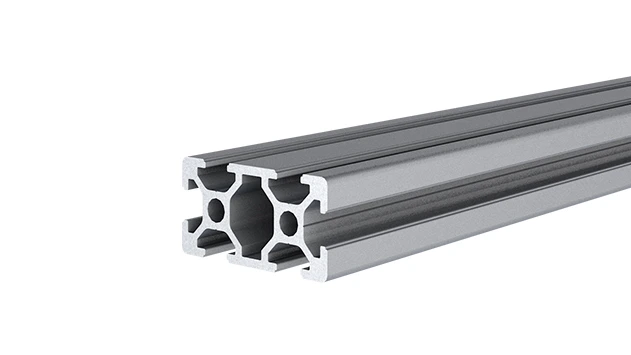
2040 EU Standard Aluminum Profile
2040 is a 2.00 x 4.00CM fractional 20 series square extrusion T-slot profile with four open T-slots, two side with 2.00cm face, the other side with 4.00cm face. The profile has align-a-grooves to assist in aligning connecting profiles.
Let's start with a scenario many automotive plant managers know all too well: It's Monday morning, and the production line is already behind. A conveyor belt, patched together with outdated steel components, has jammed for the third time this month, halting the flow of engine parts to the assembly station. The maintenance team is scrambling with wrenches, while operators stand idle, and the clock ticks toward a missed deadline. Sound familiar? In the high-stakes world of automotive manufacturing, where every second counts and flexibility is non-negotiable, outdated material handling systems aren't just a nuisance—they're a bottleneck to progress. But what if there was a solution that could turn these frustrations into smooth, efficient, and adaptable workflows? Enter the 2040 EU Standard Aluminum Profile Conveyors.
In this article, we'll dive into how these modern conveyors are revolutionizing automotive plants, from reducing downtime to enabling leaner operations. We'll explore what makes the 2040 EU standard aluminum profile a game-changer, how it integrates with essential components like roller tracks and aluminum profile accessories, and why forward-thinking suppliers are making it their go-to choice. Whether you're a plant manager looking to upgrade your line or a curious professional wanting to understand the future of manufacturing, this is your guide to the backbone of next-level automotive efficiency.
The Hidden Cost of Outdated Conveyors: Why "Good Enough" Isn't Enough Anymore
Before we jump into the solution, let's unpack the problem. Traditional conveyors—often made of heavy steel, bolted into fixed positions, and limited by rigid designs—were once the industry norm. But in today's automotive landscape, where model cycles shrink, customization demands grow, and lean manufacturing principles reign supreme, these systems are showing their age. Here's why:
Downtime Drains Profits: Steel conveyors are prone to rust, corrosion, and wear, especially in busy plants where parts are constantly moving. A single jam or broken component can take hours to fix, and each hour of downtime costs automotive manufacturers an average of $22,000, according to industry reports. Over time, these "small" disruptions add up to millions in lost revenue.
Inflexibility Kills Adaptability: When a new car model requires a reconfigured production line, traditional conveyors become obstacles. Welding, cutting, and rebolting steel structures take days (or weeks), delaying time-to-market for new vehicles. In an industry where competitors release updates quarterly, this rigidity is a death sentence for innovation.
Weight and Waste Slow You Down: Steel is heavy, which means moving or adjusting conveyors requires heavy machinery and extra labor. This not only adds to installation costs but also contributes to wasted energy—both in production and transportation. Plus, steel's bulk makes it hard to optimize floor space, forcing plants to choose between efficiency and storage.
These challenges aren't just operational—they're strategic. To stay competitive, automotive plants need systems that can keep up with change, minimize waste, and support the lean manufacturing goals that drive modern success. That's where the 2040 EU Standard Aluminum Profile comes in.
What Is the 2040 EU Standard Aluminum Profile? More Than Just a "Pipe"
At first glance, you might think of aluminum profiles as just "fancy metal bars," but the 2040 EU standard aluminum profile is a marvel of engineering designed for precision, durability, and adaptability. Let's break down what makes it unique:
EU Standards: Built for Reliability The "EU standard" label isn't just a marketing buzzword. It means the profile meets strict European union regulations for material quality, dimensional accuracy, and safety. For automotive plants, this translates to consistency—whether you're ordering 10 meters or 1000, each profile will fit, function, and perform the same way. No more guessing if parts from different batches will align; EU standards eliminate that uncertainty.
2040 Dimensions: The Sweet Spot for Conveyors The "2040" refers to the profile's cross-section: 20mm in width and 40mm in height. This size strikes a perfect balance between strength and versatility. It's sturdy enough to support heavy automotive parts (think engine blocks, transmissions) yet lightweight enough to be maneuvered by a small team. The profile's T-slot design—longitudinal grooves along its length—allows for easy attachment of accessories like brackets, connectors, and roller tracks, turning a simple aluminum bar into a customizable building block.
Aluminum: The Material of the Future Aluminum's natural advantages make it ideal for conveyors. It's corrosion-resistant, so it stands up to the oils, coolants, and humidity common in automotive plants. It's also 60% lighter than steel, reducing the load on support structures and making reconfigurations a breeze. And unlike steel, aluminum doesn't require painting or coating to stay protected, cutting down on maintenance costs and environmental impact.
But the real magic? How this profile works with other components to create a seamless conveyor system. Let's take a closer look.

From Profile to Conveyor: Building Blocks of Efficiency
A conveyor is more than just a moving belt—it's a ecosystem of parts working together. The 2040 aluminum profile serves as the backbone, but its true power lies in how it integrates with roller tracks, aluminum profile accessories, and smart design. Let's break down the key components:
Roller Tracks: The Heart of Smooth Material Flow
Roller tracks are the unsung heroes of conveyor systems, and when paired with 2040 aluminum profiles, they become even more effective. These tracks—equipped with small, rotating wheels—allow parts to glide from one station to the next with minimal friction. For automotive plants, this means:
Gentle Handling: Delicate components like wiring harnesses or plastic trim pieces need to move without jostling. Roller tracks, with their smooth rotation, reduce the risk of damage compared to rough steel surfaces.
Customizable Speed: Depending on the application, roller tracks can be adjusted to control how fast parts move. For example, a station assembling sensitive electronics might use slower-moving tracks, while a high-speed production line for body panels could crank up the pace.
Easy Integration with 2040 Profiles: Thanks to the profile's T-slot design, roller tracks attach in minutes using specialized brackets (like the roller track placon mount for aluminum profile flat or high). No welding, no drilling—just slide the bracket into the slot, tighten a screw, and you're done. This modularity means you can add, remove, or reposition tracks as your needs change.
Aluminum Profile Accessories: The Glue That Holds It All Together
You wouldn't build a house with just lumber—you need nails, screws, and hinges. The same goes for 2040 aluminum profile conveyors: aluminum profile accessories turn a basic structure into a fully functional system. Here are the must-have accessories automotive plants rely on:
Connectors and Joints: From 90° aluminum profile connectors to 45° reinforce joints, these (pèijiàn—"parts" in Chinese, but we'll stick to English!) let you build angles, corners, and supports without weakening the structure. For example, a 135° connector might be used to guide parts around a bend in the conveyor, while a parallel fixation joint keeps two profiles aligned for a straight track.
Casters and Feet: Need a conveyor that can move? Add swivel stem casters with brakes to the base of your 2040 profiles, and suddenly your fixed track becomes a mobile workstation. For stationary setups, adjustable leveling feet ensure the conveyor stays stable, even on uneven factory floors.
End Caps and Covers: Small details matter. Plastic end caps for the 2040 profile prevent dust and debris from clogging T-slots, while T-slot rubber seal covers protect the profile from scratches and corrosion. These little touches extend the system's lifespan and keep maintenance simple.
Lean System Alignment: How 2040 Conveyors Support Lean Manufacturing
Lean manufacturing isn't just a buzzword—it's a philosophy centered on eliminating waste, optimizing flow, and continuous improvement. And 2040 EU standard aluminum profile conveyors are built with lean principles in mind. Here's how:
Waste Reduction: Traditional conveyors often require over-engineering (think heavy steel beams) to support minimal loads, leading to wasted materials and energy. The 2040 profile's lightweight aluminum design cuts down on excess material, while its modularity means you only build what you need—no more "just in case" overbuilding.
Continuous Flow: In lean terms, "flow" refers to the smooth movement of parts from raw material to finished product. Roller tracks, paired with 2040 profiles, create uninterrupted paths that reduce bottlenecks. For example, a conveyor line using 2040 profiles and swivel roller balls can seamlessly transition parts from the painting station to assembly, eliminating the need for manual handling (and the errors that come with it).
Flexibility for Kaizen (Continuous Improvement): Kaizen, or "change for the better," requires systems that can evolve with your processes. With 2040 profiles, reconfiguring a conveyor takes hours, not days. Want to add a new station for electric vehicle battery components? Simply detach the roller track, adjust the profiles, and reattach—no need to tear down and rebuild the entire line.
To put this into perspective, let's compare traditional steel conveyors with 2040 aluminum profile conveyors in a real-world scenario. The table below highlights key metrics that matter most to plant managers:
| Metric | Traditional Steel Conveyor | 2040 EU Standard Aluminum Profile Conveyor |
|---|---|---|
| Installation Time | 3–5 days (requires welding, drilling, and heavy machinery) | 8–12 hours (modular T-slot assembly with basic tools) |
| Reconfiguration Time | 1–2 weeks (demolition and rebuilding) | 1–2 days (detach, adjust, reattach accessories) |
| Weight (per meter) | 25–30 kg | 8–10 kg |
| Maintenance Frequency | Monthly (rust removal, lubrication, part replacements) | Quarterly (basic cleaning, tightening T-slot screws) |
| Cost Over 5 Years (Including Maintenance) | Higher (initial cost + frequent repairs + downtime losses) | Lower (higher initial cost offset by reduced maintenance and downtime) |
| Compatibility with Lean Principles | Low (rigid design limits waste reduction and flow optimization) | High (modular, lightweight, and adaptable to continuous improvement) |
Real-World Impact: How One Plant Cut Downtime by 60% with 2040 Profiles
Numbers tell a story, but real-world examples bring it to life. Let's look at a mid-sized automotive parts manufacturer in Germany that recently upgraded its conveyor system to 2040 EU standard aluminum profiles. Before the upgrade, the plant produced door panels for luxury vehicles, using a 10-year-old steel conveyor system. Here's what they faced:
- Downtime: 12–15 hours per month due to jams and corrosion-related breakdowns.
- Reconfiguration Costs: $45,000 and 3 weeks of production loss to adjust the line for a new door panel design.
- Maintenance Headaches: A dedicated team of 3 mechanics spent 8 hours weekly just lubricating and repairing steel components.
In 2023, the plant partnered with a 2040 aluminum profile supplier to replace 80% of its conveyors. The results? Within six months:
Downtime dropped to 4–5 hours per month: The corrosion-resistant aluminum and smooth roller tracks eliminated jams, while the modular design made repairs faster (a broken bracket could be swapped out in 15 minutes, not 2 hours).
Reconfiguration for the new door panel took 2 days: Instead of tearing down steel frames, the team simply adjusted the 2040 profiles and repositioned the roller tracks using aluminum profile accessories. Cost? $12,000—less than a third of the previous expense.
Maintenance time was cut in half: The mechanics now spend 4 hours weekly on upkeep, mostly cleaning tracks and tightening T-slot screws. "It's like night and day," said the plant manager. "We used to fight the conveyor; now it works with us."
Choosing the Right Supplier: What to Look for in a 2040 Aluminum Profile Partner
Not all 2040 EU standard aluminum profiles are created equal, and the same goes for suppliers. To maximize the benefits of your conveyor upgrade, look for these key traits in a partner:
EU Standard Certification: Ensure the supplier provides profiles certified to meet EU standards (EN 755-9, for example). This guarantees dimensional accuracy, material quality, and safety compliance—critical for avoiding costly rework or failed inspections.
Comprehensive Accessories Line: A great supplier doesn't just sell profiles—they offer the full ecosystem of aluminum profile accessories, from roller tracks to connectors to casters. This one-stop shop approach saves time and ensures compatibility (no more mismatched parts from different vendors).
Technical Support: Even the best products need guidance. Look for suppliers with in-house engineers who can help design your conveyor system, recommend accessories, and troubleshoot issues. Bonus points if they offer on-site installation support.
Sustainability Practices: Aluminum is inherently eco-friendly (100% recyclable, low energy to produce), but top suppliers take it further. Ask about their recycling programs, energy-efficient manufacturing processes, and commitment to reducing waste in packaging.
The Future of Automotive Conveyors: Beyond 2040 Profiles
As automotive manufacturing evolves—with electric vehicles, autonomous systems, and AI-driven production lines—the demand for smarter, more connected conveyors will grow. The 2040 EU standard aluminum profile is just the beginning. Here's what we can expect next:
IoT Integration: Imagine conveyor systems with sensors built into the 2040 profiles, monitoring speed, temperature, and part flow in real time. AI algorithms could predict jams before they happen, sending alerts to maintenance teams and adjusting workflows automatically.
Lightweighting 2.0: While 2040 profiles are already lightweight, advances in aluminum alloys could make them even lighter without sacrificing strength. Think profiles with hollow cores or reinforced T-slots, reducing material use and energy consumption further.
Customization at Scale: With 3D printing gaining traction, suppliers may soon offer custom aluminum profile accessories tailored to unique plant needs—no more "close enough" brackets or connectors.
Final Thoughts: Your Conveyor Upgrade Starts Here
At the end of the day, automotive manufacturing isn't just about building cars—it's about building systems that can adapt, endure, and excel in a world of constant change. The 2040 EU Standard Aluminum Profile Conveyors represent more than a material handling solution; they're a commitment to efficiency, flexibility, and leaner operations. From reducing downtime to supporting innovation, they're the quiet revolution that's helping plants turn "good enough" into "great."
So, if you're still dealing with the headaches of outdated conveyors—jams, inflexibility, and wasted time—it might be time to take a closer look at 2040 profiles. Talk to a supplier, ask for a demo, and imagine a production line where the conveyor works with you, not against you. The future of automotive efficiency is here, and it's built on aluminum.