- Company Articles
- Industry articles
- Industry News
- Can 3060 Aluminum Angle Yards Be Recycled? Environmental Impact

Can 3060 Aluminum Angle Yards Be Recycled? Environmental Impact
Related Product
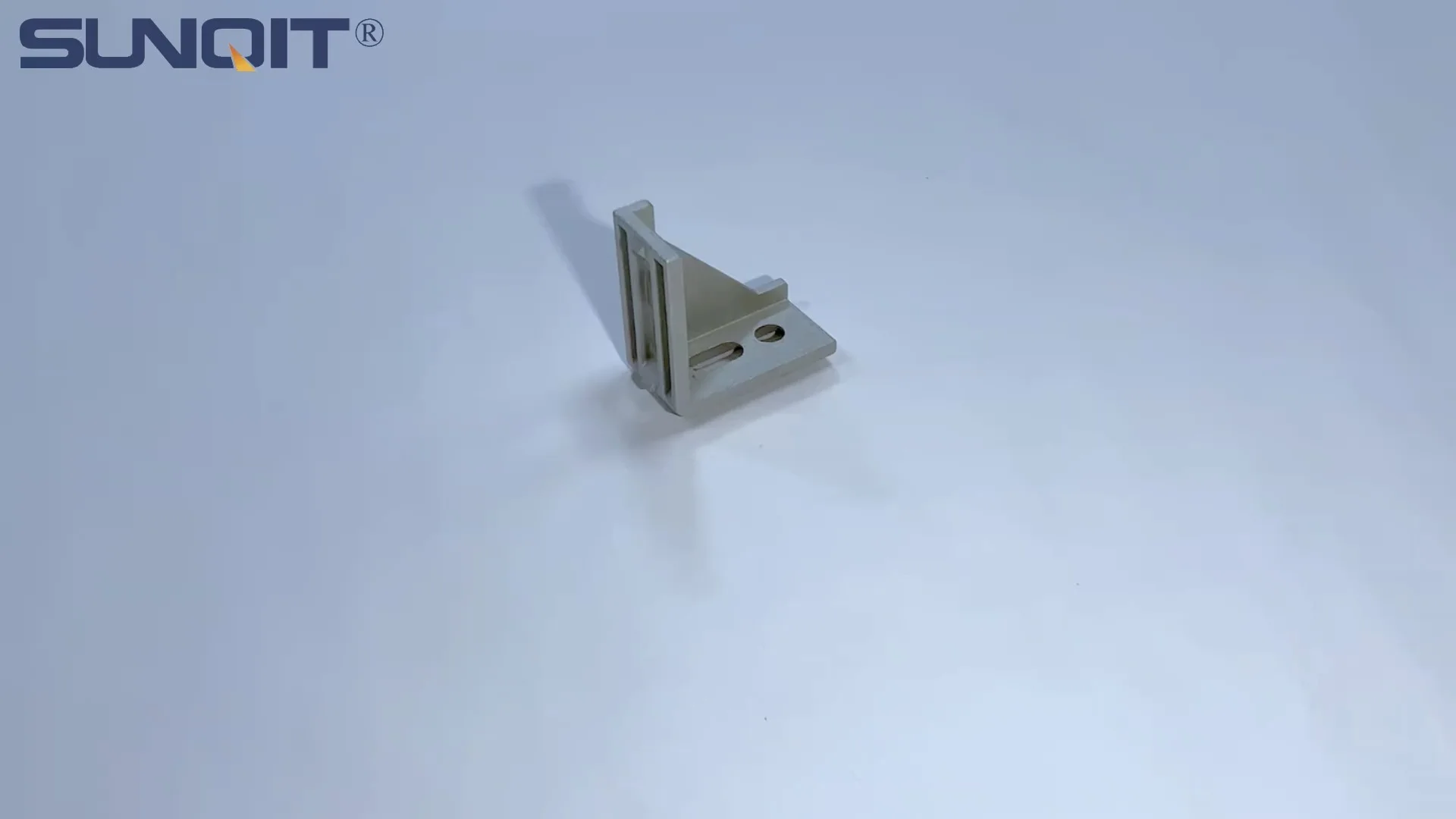
3060 Aluminum Angle Yards
It used for 90° flat connection for 20 series aluminum profile.
In a world where sustainability is no longer a buzzword but a critical business imperative, the question of how to responsibly manage materials has taken center stage. Among the countless materials that power our industries, aluminum stands out for its unique combination of strength, versatility, and recyclability. From aerospace components to everyday household items, aluminum's presence is ubiquitous—but what about its lesser-known yet vital forms, like the 3060 aluminum angle yards? These unassuming structural elements, often overlooked in broader sustainability conversations, play a quiet but crucial role in manufacturing, construction, and logistics. Today, we're diving deep into their recyclability, exploring their environmental footprint, and uncovering how integrating their recycling into broader practices like lean management can strengthen both ecological and operational resilience.
Before we jump into recycling specifics, let's set the stage: aluminum is often hailed as the "green metal," and for good reason. Unlike many materials that degrade or lose quality after recycling, aluminum can be recycled repeatedly without compromising its structural integrity. This "infinite recyclability" is a game-changer in a world grappling with resource scarcity and climate change. But how does this apply to specialized components like 3060 aluminum angle yards? Are they just as recyclable as soda cans or window frames? And what does their recycling process entail for the planet?
What Are 3060 Aluminum Angle Yards, Anyway?
To understand their recyclability, we first need to understand what 3060 aluminum angle yards are and where they fit into the industrial landscape. Put simply, these are a type of aluminum profile—specifically, extruded aluminum shapes designed with a 90-degree angle (hence "angle yards") and dimensions that roughly correspond to 30mm x 60mm (though exact measurements can vary by manufacturer). Think of them as the backbone of modular structures: they're used to build workbenches, material racks, conveyor frames, and even lightweight machinery in factories, warehouses, and workshops.
What makes 3060 angle yards unique is their versatility. Thanks to the aluminum extrusion process—where molten aluminum is forced through a die to create consistent cross-sectional shapes—they can be customized with slots, holes, or grooves to accommodate accessories like brackets, connectors, or panels. This adaptability is why they're a staple in industries that rely on flexible, durable infrastructure. Whether it's a production line in an automotive plant or a storage system in a distribution center, chances are 3060 aluminum angle yards are holding things together.
But here's the key detail for our discussion: 3060 angle yards are made from aluminum alloy, typically a blend that includes elements like silicon, magnesium, or manganese to enhance strength and corrosion resistance. This alloy composition is important because it affects not just their performance but also their recyclability. Unlike pure aluminum, which is soft and less durable, these alloys are engineered for specific use cases—but does that mean they're harder to recycle? Spoiler: no, but it does mean the recycling process needs a bit more attention to detail, which we'll explore later.
Aluminum's Recycling Superpower: Why It's Different
Before we zoom in on 3060 angle yards, let's revisit why aluminum is such a recycling rockstar. Most materials lose quality when recycled—paper fibers shorten, plastic polymers degrade, and glass can develop impurities. Aluminum? It's the exception. Recycling aluminum requires just 5% of the energy needed to produce new (virgin) aluminum from bauxite ore. Let that sink in: 5%. That's a 95% energy savings, which translates directly to fewer greenhouse gas emissions, less mining, and reduced reliance on fossil fuels. For context, producing one ton of virgin aluminum emits about 16 tons of CO₂, while recycling the same amount emits just 0.6 tons. That's a 96% reduction in carbon footprint per ton.
This energy efficiency is why aluminum recycling is already a massive global industry. In the U.S. alone, over 60% of aluminum used in packaging is recycled, and the number is even higher for industrial aluminum (like 3060 angle yards), where collection systems are more established. But why is industrial aluminum more likely to be recycled? Simple: it's easier to collect. Unlike consumer aluminum (think soda cans, which end up in mixed waste), industrial aluminum like angle yards, aluminum extrusion profiles, and aluminum profile accessories are often generated in bulk at manufacturing facilities, construction sites, or during equipment upgrades. This makes them easier to sort, collect, and transport to recycling facilities—no need to sift through household trash.
So, if industrial aluminum is already recycling-friendly, where do 3060 angle yards fit in? They're part of this industrial stream, which means their recycling potential is high—assuming the right systems are in place to collect and process them.

The Recycling Process: From Angle Yard to "New" Aluminum
Recycling 3060 aluminum angle yards isn't a one-step process, but it's straightforward once you break it down. Let's walk through the journey of a worn-out angle yard from a factory workbench to its next life as a new profile or even a different aluminum product.
Step 1: Collection and Sorting
It all starts with collection. When a company upgrades its production line or dismantles an old workbench, the 3060 angle yards (and associated aluminum profile accessories like brackets or connectors) are separated from other materials like steel, plastic, or wood. This is often done manually at the facility, where workers sort by material type. Some companies even have dedicated bins for aluminum scrap, making this step seamless. For larger operations, partnering with a scrap metal recycler or a lean pipe supplier who offers take-back programs can streamline collection—turning waste into a potential revenue stream (scrap aluminum has market value, after all).
Step 2: Cleaning and Preparation
Once collected, the angle yards need a good cleaning. They might be coated in grease, paint, or adhesives from their previous life, which can contaminate the recycling process. So, they're washed with solvents or high-pressure water to remove these impurities. If there are non-aluminum components attached—like plastic end caps or rubber gaskets—those are stripped off manually or mechanically. This step is crucial: even small amounts of contaminants can affect the quality of the recycled aluminum, so thorough cleaning is non-negotiable.
Step 3: Shredding and Melting
Next, the cleaned angle yards are shredded into smaller pieces (think fist-sized chunks) to speed up melting. These shreds are then loaded into a furnace, where they're heated to around 660°C (the melting point of aluminum). The furnace might be fueled by natural gas or electricity, but even with this energy use, the process is still far more efficient than producing virgin aluminum. As the aluminum melts, impurities like dirt or remaining coatings rise to the surface as slag, which is skimmed off. This leaves a pool of molten aluminum alloy, ready for purification.
Step 4: Purification and Alloy Adjustment
Remember that alloy composition we mentioned earlier? Now's when it matters. The molten aluminum from recycled angle yards might have a slightly different alloy makeup than what's needed for new products. So, recyclers add small amounts of elements like silicon or magnesium to adjust the alloy to the desired specifications. For example, if the recycled aluminum is low in magnesium, a magnesium-rich additive is mixed in to ensure the final product meets strength requirements. This step ensures that the recycled aluminum is just as high-quality as virgin aluminum.
Step 5: Casting and Extrusion (Again!)
Once purified and alloy-adjusted, the molten aluminum is cast into ingots—large blocks that can be easily transported to extrusion facilities. From there, it's reheated, forced through a die, and voilà: new aluminum profiles, which could include 3060 angle yards, aluminum guide rails, or even completely different shapes like tubes or sheets. This is the beauty of aluminum recycling: that old angle yard from a factory in Ohio might end up as part of a solar panel frame in California or a bicycle frame in Europe.

Environmental Impact: Recycled vs. Virgin 3060 Angle Yards
Now, let's get to the heart of the matter: what's the environmental impact of recycling 3060 aluminum angle yards compared to making them from scratch? To answer this, let's break it down into key metrics: energy use, carbon emissions, water consumption, and resource depletion.
| Environmental Metric | Virgin 3060 Aluminum Angle Yards | Recycled 3060 Aluminum Angle Yards | Reduction with Recycling |
|---|---|---|---|
| Energy Consumption (per ton) | 14,000 kWh | 700 kWh | 95% |
| CO₂ Emissions (per ton) | 16 tons | 0.6 tons | 96% |
| Water Use (per ton) | 1,000 m³ | 50 m³ | 95% |
| Bauxite Ore Required (per ton) | 4-5 tons | 0 tons | 100% |
Let's unpack these numbers. Starting with energy: producing a ton of virgin aluminum (and thus virgin 3060 angle yards) requires a staggering 14,000 kWh of electricity—enough to power an average U.S. home for over a year. Recycling the same ton? Just 700 kWh, or about a month's worth of home energy. That 95% reduction isn't just good for the grid; it's a direct cut to greenhouse gas emissions, since most electricity globally still comes from fossil fuels.
Water use is another critical factor. Mining bauxite (the ore from which aluminum is extracted) and processing it into alumina (the intermediate step before aluminum metal) is water-intensive. Recycling skips the mining and alumina refining steps, slashing water use by 95%. For regions facing water scarcity, this alone makes recycling 3060 angle yards a no-brainer.
Then there's resource depletion. Bauxite mining is destructive: it strips vegetation, disrupts ecosystems, and leaves behind toxic waste ponds. By recycling angle yards, we eliminate the need for new bauxite, preserving natural habitats and reducing the risk of soil and water pollution from mining operations. It's a win for biodiversity and public health, especially in communities near mining sites.
But what about the "downsides" of recycling? Some might argue that the cleaning and sorting process uses energy or chemicals, but these are minimal compared to the impacts of virgin production. For example, washing off grease from angle yards uses far less water than extracting and processing bauxite. Similarly, the solvents used in cleaning are often recycled or treated, minimizing their environmental footprint.

Challenges in Recycling 3060 Aluminum Angle Yards
While the case for recycling 3060 angle yards is strong, it's not without hurdles. Let's address the elephant in the room: contamination. Angle yards often come with non-aluminum attachments—think plastic end caps, rubber gaskets, or steel brackets. If these aren't removed before melting, they can introduce impurities that weaken the recycled aluminum or damage furnace equipment. For example, melting plastic with aluminum releases toxic fumes, while steel can create brittle alloys. This means thorough sorting and cleaning are essential, but they add time and cost to the recycling process.
Another challenge is collection logistics. Unlike consumer aluminum, which is collected through curbside programs, industrial aluminum scrap like angle yards relies on businesses to prioritize recycling. In facilities where lean management is a priority, this is often integrated into waste management protocols—scrap bins are placed near production lines, and employees are trained to separate aluminum from other waste. But in smaller operations or facilities with outdated practices, angle yards might end up in general waste,ing the recycling opportunity.
Alloy consistency is also a concern. As we mentioned earlier, 3060 angle yards are made from specific alloys, and mixing different alloys during recycling can lead to inconsistent final products. For example, mixing a high-magnesium alloy with a high-silicon alloy might result in aluminum that's too brittle for structural use. To avoid this, recyclers need to sort scrap by alloy type, which requires labeling or testing—steps that add complexity but are necessary for quality control.
Finally, there's the issue of market demand. While recycled aluminum is in high demand, some manufacturers still prefer virgin aluminum for "premium" applications, fearing (often unnecessarily) that recycled material is lower quality. This perception can slow adoption, even though recycled aluminum meets the same industry standards as virgin material. Education is key here: highlighting success stories of companies using recycled angle yards without performance issues can help shift mindsets.
Strengthening Lean Management Through Aluminum Recycling
Here's where the dots connect: recycling 3060 aluminum angle yards isn't just an environmental choice—it's an operational one. For businesses that practice lean management—a philosophy focused on minimizing waste and maximizing efficiency—integrating aluminum recycling into workflows is a natural fit. Lean management teaches us to identify "muda" (Japanese for waste) in all forms, and unrecycled aluminum is a prime example of waste: it's a valuable resource being thrown away, costing money in disposal fees and missing out on potential scrap revenue.
So how can lean principles strengthen aluminum recycling efforts? Let's break it down:
- 5S Methodology: The 5S framework (Sort, Set in Order, Shine, Standardize, Sustain) is the foundation of lean. Applying it to aluminum scrap means designating specific, labeled bins for angle yards and accessories, placing them near where the scrap is generated (e.g., next to a workbench that's being dismantled), and training employees to sort scrap daily. This reduces the time spent searching for bins and ensures nothing ends up in the wrong place.
- Value Stream Mapping: By mapping the flow of materials from production to disposal, businesses can identify points where aluminum scrap is lost or mixed with other waste. For example, a value stream map might reveal that angle yard offcuts from extrusion are being tossed into general waste bins because there's no dedicated collection point. Fixing this gap captures more scrap for recycling.
- Continuous Improvement (Kaizen): Lean thrives on small, incremental changes. A kaizen event focused on aluminum recycling might involve testing new bin designs to make sorting easier, negotiating better rates with scrap recyclers, or training maintenance teams to remove non-aluminum attachments from angle yards before collection. Over time, these tweaks boost recycling rates and reduce costs.
One real-world example comes from a mid-sized automotive parts manufacturer we worked with. They were generating tons of 3060 angle yard scrap annually from workbench upgrades but sending it all to landfill at a cost of $200/ton. By implementing 5S bins, training employees, and partnering with a local aluminum recycler, they not only eliminated disposal fees but also started earning $500/ton for their scrap. Over a year, that translated to $35,000 in net savings—all while cutting their carbon footprint by 160 tons of CO₂. That's lean management in action: environmental responsibility and bottom-line benefits go hand in hand.
The Future of 3060 Aluminum Angle Yard Recycling
As sustainability regulations tighten and consumers demand greener supply chains, the recycling of specialized aluminum components like 3060 angle yards will only grow in importance. Innovations in sorting technology—like AI-powered sensors that can identify aluminum alloys or robotic arms that strip non-aluminum attachments—are making the recycling process faster and more efficient. Meanwhile, circular economy models, where manufacturers take back old angle yards for recycling and use recycled content in new products, are gaining traction. Imagine buying a new 3060 angle yard and knowing it contains 80% recycled material, with a guarantee that when you're done with it, the manufacturer will recycle it again. That's the future we're moving toward.
For businesses, the message is clear: recycling 3060 aluminum angle yards isn't just about "being green"—it's about building resilience. By reducing reliance on virgin aluminum, companies insulate themselves from volatile commodity prices and supply chain disruptions (like bauxite mining delays). It also strengthens their ESG (Environmental, Social, Governance) credentials, which are increasingly important for investors, customers, and employees.
For individuals, whether you're a factory manager, a sustainability coordinator, or just someone curious about industrial recycling, the takeaway is this: every 3060 aluminum angle yard has a second life. By prioritizing its collection, sorting, and recycling, we're not just saving energy or cutting emissions—we're redefining what it means to build a sustainable industrial future. After all, the strongest structures aren't just made of aluminum; they're built on the principle that nothing should go to waste.
Conclusion: The Angle Yard's Role in a Circular World
So, can 3060 aluminum angle yards be recycled? Absolutely—and they should be. Their infinite recyclability, coupled with the massive environmental benefits of recycling over virgin production, makes them a low-hanging fruit for businesses looking to reduce their footprint. From cutting energy use by 95% to slashing carbon emissions by 96%, the numbers speak for themselves. And when integrated into lean management practices, recycling these angle yards becomes not just an environmental win but an operational one, boosting efficiency and profitability.
As we look ahead, the question isn't "can we recycle them?" but "how can we do it better?" By investing in better sorting technology, improving collection logistics, and shifting mindsets around recycled aluminum quality, we can unlock even more potential. After all, the 3060 aluminum angle yard might be a small part of the industrial landscape, but its recycling story is a microcosm of a larger truth: sustainability and industry don't have to be at odds. In fact, when we design for recycling and manage materials wisely, they can strengthen each other.
So, the next time you walk through a factory or warehouse, take a look at the structures around you. Chances are, there's a 3060 aluminum angle yard holding things together. And now, you'll know: that unassuming piece of metal has a past, a present, and—thanks to recycling—a future that's as strong as the day it was made.