- Company Articles
- Industry articles
- Industry News
- Can 40 Steel Roller Track Black Wheels Be Recycled? Sustainability Insights

Can 40 Steel Roller Track Black Wheels Be Recycled? Sustainability Insights
Related Product
40 Steel Roller Track Black Wheel
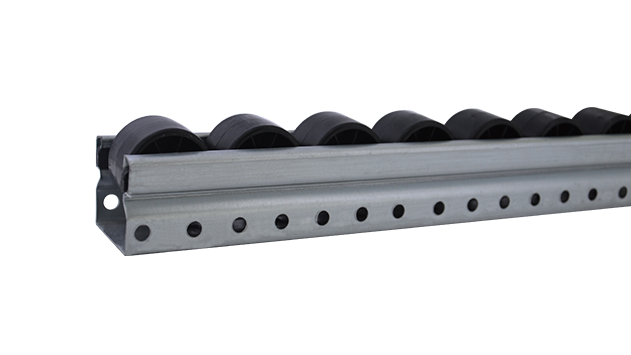
The roller track can be installed with multiple accessories to create different slopes and configurations of flow racks.All steel conveyor 40 roller track accessories are engineered to perfectly fit the sliding rail.
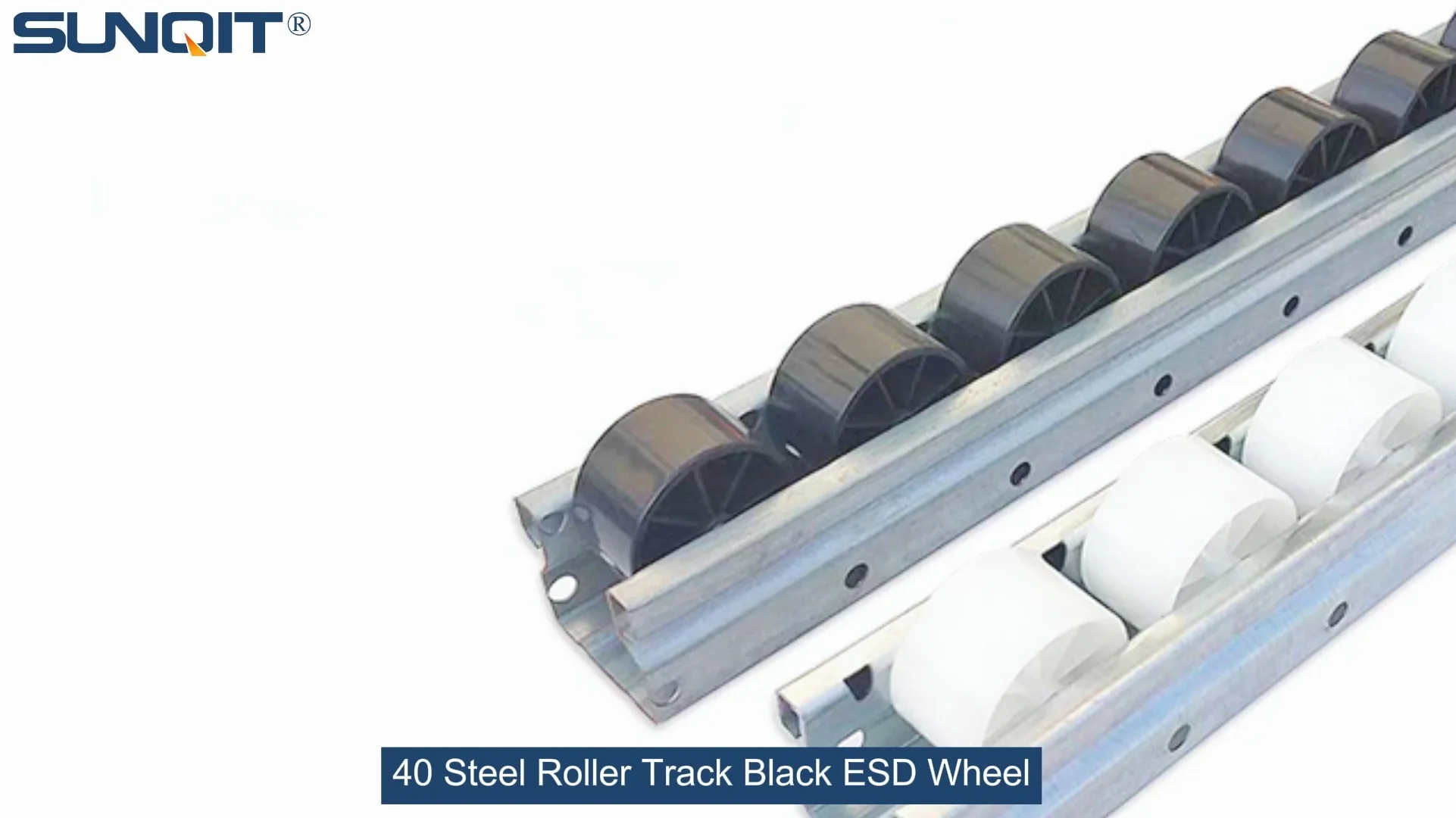
Walk into any modern manufacturing plant, and you'll likely hear the steady hum of production lines—conveyors gliding, workbenches bustling, and roller tracks carrying components from station to station. These are the unsung heroes of efficiency, the backbone that keeps industries like 3C assembly, automotive, and medical device manufacturing moving forward. But here's a question that often fades into the background amid the rush of production: What happens to these hardworking tools when their time on the line comes to an end? Today, we're zeroing in on a critical component of this ecosystem—the 40 Steel Roller Track Black Wheels—and exploring a topic that matters more than ever: Can they be recycled? Let's dive into the sustainability story behind these industrial workhorses, and how they fit into a larger vision of responsible manufacturing.
The Making of 40 Steel Roller Track Black Wheels: Built for Longevity, Designed for Reuse
To understand if these roller wheels can be recycled, we first need to look at what they're made of. The 40 Steel Roller Track Black Wheels are crafted from high-grade steel, chosen for its durability to withstand the daily grind of heavy loads and constant motion. But steel isn't just tough—it's also one of the most recycled materials on the planet. According to the World Steel Association, over 80% of steel used globally is recycled, making it a cornerstone of circular economy practices.
What sets these wheels apart, though, is their design philosophy. At the heart of lean manufacturing is the idea that nothing should go to waste, and that mindset shines through in every curve of these components. Unlike disposable plastic parts that crack or degrade after limited use, the steel core of these wheels is built to last. Even when the black ESD (Electrostatic Discharge) coating shows signs of wear, the underlying steel remains strong—ready to be refinished, repurposed, or recycled.
| Material | Global Recycling Rate | Reusability Potential | Carbon Footprint (per kg) |
|---|---|---|---|
| High-Grade Steel (40 Steel Roller Wheels) | 85-90% | High (refinishing, repurposing) | 1.8 tons CO₂e |
| Standard Plastic | 9% | Low (degrades with reuse) | 2.5 tons CO₂e |
| Aluminum (Aluminum Roller Track) | 70-75% | Very High (melts down with minimal loss) | 8.2 tons CO₂e (primary production); 0.5 tons (recycled) |
This table tells a clear story: steel's high recycling rate and low carbon footprint make it a sustainable choice for industrial components. When you invest in 40 Steel Roller Track Black Wheels, you're not just buying a tool for today—you're contributing to a system where materials stay in use, rather than ending up in landfills.
Beyond the Wheel: How Lean System Design Boosts Recyclability
A single roller wheel is just one piece of the puzzle. The true magic of sustainability lies in how these components fit into a larger lean system —a philosophy that prioritizes "reuse, reduce, and rethink" at every step. Let's take a closer look at how the design of the entire roller track system, from the wheels to the connectors, supports circularity.
First, modularity is key. Lean systems are built to be taken apart and reassembled, not thrown away. The 40 Steel Roller Track, for example, uses simple yet sturdy connectors (like the roller track placon mount connector or roller track joint ) that allow for easy disassembly. When a production line needs to be reconfigured, instead of scrapping the entire system, you can swap out parts, replace worn wheels, or repurpose the track for a new task. This "build once, use many times" approach drastically cuts down on waste.
Then there's the choice of materials across the product line. While the 40 Steel Roller Track Black Wheels excel in durability, other components like the aluminum pipe and aluminum guide rail bring their own sustainability benefits. Aluminum is infinitely recyclable—meaning it can be melted down and reshaped without losing quality—while its lightweight nature reduces energy use during transportation and installation. By mixing steel and aluminum strategically, the lean system balances strength and sustainability, ensuring each part plays to its material's strengths.
Consider this real-world example: A 3C assembly plant in Shenzhen needed to upgrade its production line to accommodate a new smartphone model. Instead of replacing their entire flow rack and roller track system, they worked with a lean solution provider to reconfigure existing components. The 40 Steel Roller Track Black Wheels, still in good condition, were moved to a secondary line, while new aluminum guide rails were added to support the new layout. The result? 70% of the original system was reused, saving the plant over $20,000 in new equipment costs and keeping 1.2 tons of metal out of landfills.
Lean Solution: Customization That Cuts Waste Before It Starts
Sustainability isn't just about recycling—it's about designing out waste from the beginning. That's where lean solution comes in. By tailoring systems to a company's exact needs, you avoid overbuilding, reduce excess materials, and create a setup that grows with the business. Let's explore how this works in practice across key industries.
3C Assembly: Precision That Prevents Waste
In the fast-paced world of 3C (computers, communications, consumer electronics), production lines change constantly to keep up with new models. A one-size-fits-all system would mean constant overhauls and waste. But a custom lean solution, like a flexible workstation with adjustable aluminum profile frames and modular esd workbench surfaces, adapts as needs evolve. For instance, a manufacturer of smartwatches used to replace workbenches every 18 months. After switching to a custom lean system, they now reconfigure the same frames with new accessories, cutting waste by 65% and extending the system's life to 5+ years.
Medical Device Manufacturing: Clean, Efficient, and Circular
Medical device production demands strict hygiene and precision, but that doesn't mean it can't be sustainable. Lean solutions here focus on easy-to-clean, durable materials (like stainless steel components from the stainless steel pipe series ) and modular layouts that adapt to new regulations or product lines. A medical equipment supplier in Guangzhou, for example, needed a sterile workstation for surgical tool assembly. The custom solution included stainless steel swivel roller balls for smooth material flow and an ESD-safe surface to protect sensitive electronics. When regulations updated, the workstation was retrofitted with new railings and lighting—no need for a full replacement. This not only saved costs but also reduced the facility's carbon footprint by 30% over three years.
Warehousing & Logistics: Flow Racks That Keep Materials Moving (and Reusing)
Warehouses are the backbone of supply chains, and their efficiency directly impacts sustainability. Flow rack systems, designed to let goods slide from receiving to shipping with minimal manual labor, are a staple here. But not all flow racks are created equal. A lean-designed flow rack uses gravity-fed roller track (like the 85 staggered roller track or 40 steel roller track) that's easy to repair and repurpose. When a warehouse expands, instead of buying new racks, you can add sections or adjust the angle of the rollers to fit new products. One logistics company in Shanghai reported that by using modular flow racks, they reduced their annual equipment purchases by 40% and cut waste from broken or obsolete racks by 75%.

From Factory Floor to Recycling Bin: The Journey of a Recycled Roller Wheel
So, what actually happens when a 40 Steel Roller Track Black Wheel reaches the end of its first life? Let's walk through the recycling journey—from the moment it's removed from the production line to its rebirth as a new component.
- Collection & Inspection: When a roller wheel is worn (e.g., the black ESD coating is chipped or the bearing is loose), it's removed from the track. A quick inspection determines if it can be refurbished (e.g., re-coated or re-bearinged) or if it's ready for recycling. About 30% of wheels are refurbished on-site, extending their life by 2-3 years.
- Disassembly: If recycling is the next step, the wheel is separated from its axle and any plastic or rubber components (like the caster wheel accessories). These non-steel parts are sorted for their own recycling streams (e.g., rubber gaskets go to tire recycling facilities).
- Shredding & Melting: The steel wheel is sent to a recycling facility, where it's shredded into small pieces, then melted in a furnace at 1,500°C. Impurities are removed, and the molten steel is cast into new slabs or billets.
- Rebirth as New Components: Those slabs are rolled into sheets or shaped into new parts—often, they become new roller wheels, lean pipe joint s, or even automotive components. The closed-loop nature means a steel wheel could theoretically be recycled dozens of times over decades.
This process isn't just good for the planet—it's good for business. Companies that invest in recyclable lean systems often qualify for green manufacturing grants or tax incentives, while also boosting their brand reputation as sustainability leaders. In a survey of manufacturers, 82% of buyers said they prioritize suppliers with strong sustainability practices, making lean solutions a competitive advantage.

Building a Sustainable Future: Partnering for Circular Manufacturing
The question of whether 40 Steel Roller Track Black Wheels can be recycled isn't just about a single component—it's about reimagining what manufacturing can be. It's about moving from a "take-make-waste" model to one where every product is designed with its next life in mind. At the heart of this shift is the lean system philosophy: "sustainable improvement" isn't just a buzzword, but a commitment to making things better—for your business, your customers, and the planet.
Whether you're assembling smartphones, packaging medical devices, or managing a warehouse, the choices you make today about equipment will shape tomorrow's sustainability. A lean solution isn't just a set of tools—it's a partnership. It's working with suppliers who understand that your success and the planet's health are interconnected. It's choosing aluminum pipe accessories that can be recycled, turnover trolley and rack systems that adapt to your needs, and roller tracks that keep materials (and sustainability) rolling.
So, can 40 Steel Roller Track Black Wheels be recycled? Absolutely. But more importantly, they're part of a larger story—one where manufacturing and sustainability go hand in hand. And that story is just beginning.