- Company Articles
- Industry articles
- Industry standards
- Castor Fixed Plate Environmental Certifications: Green Manufacturing Compliance

Castor Fixed Plate Environmental Certifications: Green Manufacturing Compliance
Related Product
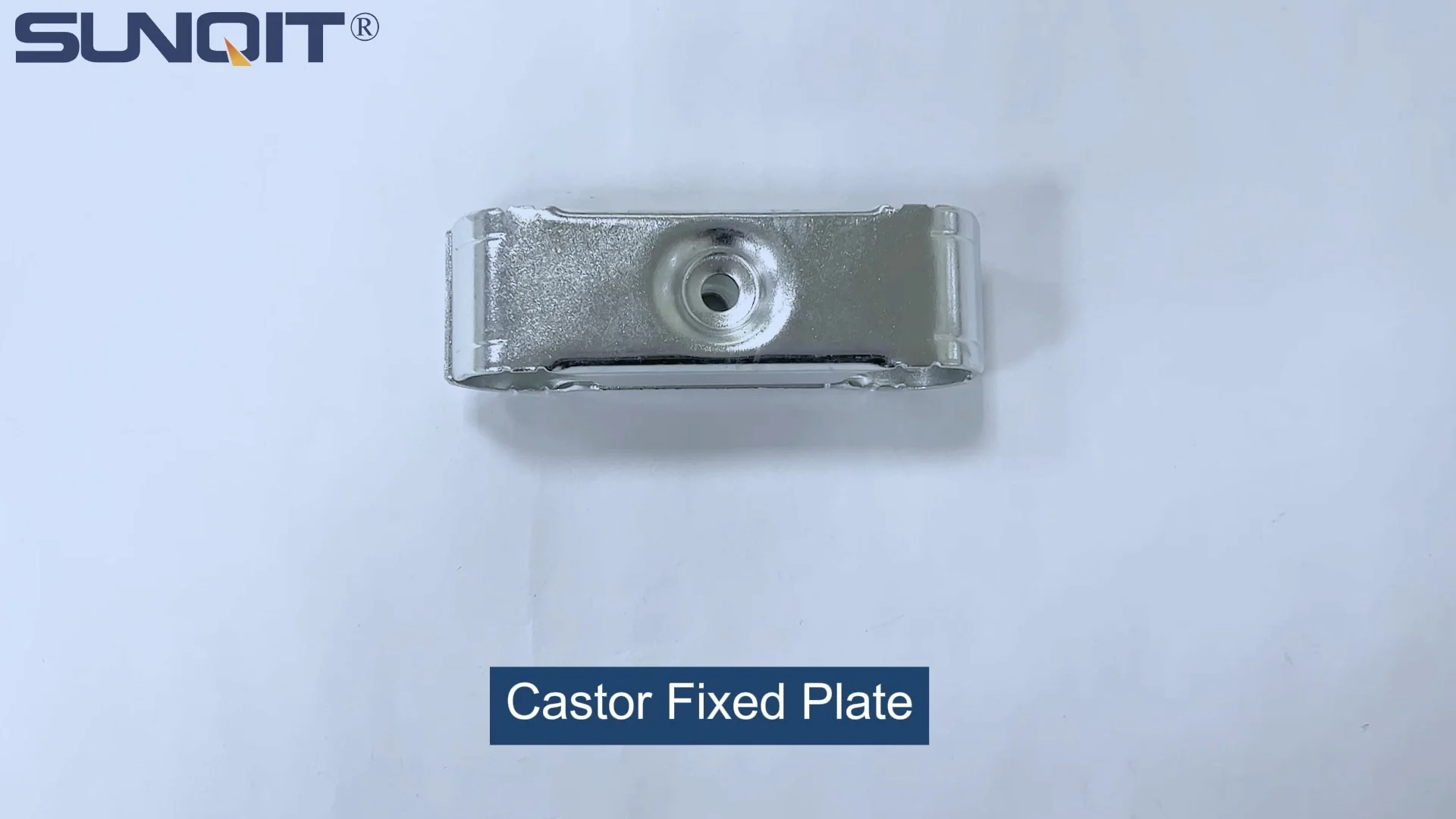
Castor Fixed Plate
Castor fixed plate, used for castor installation, one castor need two pcs castor plate to fix under the workbench, flow rack, and hand trolley.
In an era where sustainability isn't just a buzzword but a business imperative, the manufacturing industry stands at a crossroads. Consumers, regulators, and even investors are demanding more than just quality products—they want proof that the items they buy, and the processes that make them, respect the planet. This shift isn't limited to high-profile gadgets or luxury goods; it trickles down to the smallest components that keep factories running. Take, for example, the humble castor fixed plate. At first glance, it might seem like little more than a metal slab with holes, designed to secure casters to workbenches, trolleys, or material racks. But in reality, this unassuming component plays a quiet yet critical role in the broader narrative of green manufacturing. Today, we're diving deep into the world of castor fixed plate environmental certifications, exploring why they matter, how they shape compliance, and what they mean for the future of sustainable industrial practices—especially within systems like lean manufacturing, where efficiency and waste reduction are already core values.
Understanding Castor Fixed Plates: The Unsung Heroes of Industrial Efficiency
Before we can appreciate the importance of environmental certifications for castor fixed plates, let's take a moment to understand what they are and why they matter in day-to-day operations. A castor fixed plate is, at its core, a mounting bracket. Typically made from steel, stainless steel, or even lightweight aluminum (a material gaining traction for its recyclability), it serves as the bridge between a caster wheel and the equipment it supports. Whether it's an ESD workstation in an electronics factory, a turnover trolley in a warehouse, or a material rack in a lean system, the fixed plate ensures the caster stays securely attached, even under heavy loads or constant movement.
But here's the thing: not all castor fixed plates are created equal. A poorly made plate can bend under stress, leading to wobbly equipment, safety hazards, or premature failure—all of which translate to wasted resources, increased downtime, and unnecessary replacements. In a lean system, where the goal is to eliminate waste (or "muda," as the Japanese term goes), this inefficiency is the enemy. That's why manufacturers and suppliers alike are starting to recognize that sustainability and performance go hand in hand. A castor fixed plate that's durable, made from eco-friendly materials, and produced using green processes isn't just better for the planet—it's better for the bottom line, too.
Consider the materials used. Traditional castor fixed plates might rely on virgin steel, which requires significant energy to mine and refine. In contrast, plates made from recycled steel or aluminum profile derivatives reduce the carbon footprint associated with raw material extraction. Aluminum, in particular, is a standout: it's 100% recyclable, retains its properties through multiple recycling cycles, and is lighter than steel, which can reduce fuel consumption when used in mobile equipment. For industries that rely on lean systems to optimize material flow—think automotive or aerospace—every pound saved translates to energy saved over time.
The Critical Role of Environmental Certifications: Beyond the Stamp of Approval
So, what exactly are environmental certifications, and why should they matter to anyone involved in the production or purchase of castor fixed plates? At their core, these certifications are third-party validations that a product, process, or organization meets specific environmental standards. They're not just about "being green"—they're about accountability. For castor fixed plates, which are often part of larger systems like ESD workstations or lean manufacturing setups, these certifications provide a way to trace sustainability from the component level up.
Let's break down some of the most relevant certifications for castor fixed plates and what they entail. Keep in mind that while some are global, others are region-specific, which adds a layer of complexity for suppliers operating in multiple markets.
| Certification | Governing Body | Key Requirements | Relevance to Castor Fixed Plates |
|---|---|---|---|
| ISO 14001 | International Organization for Standardization (ISO) | Establish an environmental management system (EMS) to identify, monitor, and reduce environmental impacts; set measurable objectives; conduct regular audits and continuous improvement. | Ensures the manufacturer of the castor fixed plate has formal processes to minimize waste, energy use, and emissions during production. For example, an ISO 14001-certified supplier might use recycled steel for plates, optimize cutting processes to reduce scrap, or invest in renewable energy for their factories. |
| RoHS (Restriction of Hazardous Substances) | European union (EU), with equivalents in China (China RoHS), South Korea (K-RoHS), etc. | Restricts the use of 10 hazardous substances, including lead, mercury, cadmium, and hexavalent chromium, in electrical and electronic equipment (EEE) and their components. | Guarantees that castor fixed plates used in ESD workstations or electronic manufacturing setups don't contain harmful materials. This is critical not only for end-of-life disposal (to prevent toxic leaching into landfills) but also for worker safety during production and maintenance. |
| REACH (Registration, Evaluation, Authorization, and Restriction of Chemicals) | European Chemicals Agency (ECHA) | Requires companies to register chemicals used in their products, evaluate their risks to human health and the environment, and seek authorization for substances of very high concern (SVHCs). | Applies to any chemicals used in coating, plating, or treating castor fixed plates (e.g., anti-corrosion finishes). A REACH-compliant plate ensures that these chemicals don't pose long-term risks to workers or ecosystems. |
| UL Environment (UL 110) | UL LLC (Underwriters Laboratories) | Certifies products with reduced environmental impact, such as those made from recycled content, designed for recyclability, or produced using energy-efficient processes. | Validates claims about sustainable materials (e.g., "70% recycled aluminum content") or eco-friendly production methods (e.g., water-based paints instead of solvent-based ones) for castor fixed plates. |
These certifications aren't just checkboxes, either. They require rigorous documentation, on-site audits, and ongoing compliance. For example, ISO 14001 isn't a one-time certification; organizations must undergo annual audits to maintain their status, ensuring that their environmental management systems evolve with new technologies or regulatory changes. Similarly, RoHS compliance demands constant testing of materials, as supply chains can shift, and a single non-compliant batch of steel or coating could invalidate an entire production run.

Why Certifications Matter: From Compliance to Competitive Advantage
At this point, you might be wondering: Why go through the hassle and expense of certifying a component as seemingly simple as a castor fixed plate? The answer lies in the interconnected nature of modern supply chains. Today's manufacturers don't operate in isolation. A company that builds ESD workstations, for instance, relies on dozens of suppliers for components—from aluminum profiles for the frame to the castor fixed plates that let the workstation move. If even one of those suppliers cuts corners on sustainability, it can taint the entire product's eco-credentials. For buyers, especially those in regulated industries like aerospace, medical devices, or automotive, using non-certified components isn't just a reputational risk—it could lead to legal penalties or lost contracts.
Take the European union, for example. The EU's Circular Economy Action Plan and its "right to repair" laws are pushing manufacturers to design products that last longer, are easier to disassemble, and use recycled or recyclable materials. A castor fixed plate that's RoHS-compliant and made from 100% recycled steel fits neatly into this framework, as it reduces reliance on virgin resources and ensures the plate can be recycled again at the end of its life. Similarly, in the U.S., states like California have strict regulations on hazardous waste, making REACH or RoHS compliance a must for suppliers looking to sell into that market.
But certifications aren't just about avoiding penalties—they're about seizing opportunities. In a lean system, where waste reduction is a core principle, certified castor fixed plates can actually enhance efficiency. For example, a plate made from lightweight aluminum (certified under UL Environment for recycled content) reduces the overall weight of a trolley, making it easier to push and lowering energy costs for automated systems. Or consider a manufacturer that uses ISO 14001-certified suppliers: by aligning with partners who prioritize waste reduction, they can streamline their own processes, from reducing packaging waste in deliveries to minimizing scrap from defective components.

Green Manufacturing Compliance: Challenges and How to Overcome Them
Of course, achieving and maintaining environmental certifications for castor fixed plates isn't without its challenges. For small to medium-sized suppliers, in particular, the upfront costs can be daunting. ISO 14001 certification, for example, requires hiring consultants to develop an EMS, training staff, and paying for audits—costs that can run into the tens of thousands of dollars. Then there's the ongoing expense of maintaining compliance: regular testing for RoHS substances, updating processes to meet new REACH restrictions, or investing in new equipment to reduce emissions. For suppliers operating on thin margins, these costs can feel prohibitive.
Another hurdle is the complexity of global regulations. A supplier based in China might need to comply with both EU RoHS and China RoHS, which have overlapping but not identical requirements. China RoHS, for instance, includes additional substances and stricter labeling rules. Navigating these differences requires significant expertise, and a single misstep—like using a coating that's compliant in the EU but not in China—can derail market access.
Material sourcing is also a challenge. To meet recycled content targets, suppliers need reliable access to high-quality recycled steel or aluminum. But recycled materials can vary in consistency, which could affect the castor fixed plate's performance. A plate that bends under a 500kg load because the recycled steel wasn't properly tested isn't just a quality issue—it's a safety risk. Balancing sustainability with functionality requires close collaboration with material suppliers and rigorous testing protocols.
So, how do suppliers overcome these obstacles? Many are turning to partnerships and industry consortia. For example, trade groups like the Material Handling Equipment Distributors Association (MHEDA) offer resources and best practices for sustainable manufacturing. Some suppliers also leverage government grants or tax incentives for green initiatives, such as upgrading to energy-efficient machinery or investing in renewable energy. Additionally, digital tools—like blockchain for supply chain transparency or AI-driven compliance management software—are making it easier to track materials, test results, and audit data, reducing the administrative burden of certification.

Case Study: Integrating Certified Castor Fixed Plates in a Lean ESD Workstation
To put this all into context, let's walk through a hypothetical but realistic example of how environmental certifications for castor fixed plates play out in the real world. Meet "EcoTech Manufacturing," a mid-sized company that produces ESD workstations for semiconductor and electronics manufacturers. EcoTech prides itself on its lean system, which has already helped reduce production waste by 20% over the past three years. But when a major client—a global tech firm with aggressive sustainability goals—asked for proof that EcoTech's workstations were "net-zero ready," the company realized it needed to dig deeper into its supply chain.
The client's request wasn't just about the workstation itself; it wanted details on every component, right down to the castor fixed plates. EcoTech's existing plates were functional, but the supplier couldn't provide documentation on their environmental impact. So, the team at EcoTech decided to audit its suppliers and switch to a partner that offered certified plates.
After researching options, EcoTech chose a supplier with ISO 14001 and RoHS certifications. The new castor fixed plates were made from 85% recycled steel, coated with a water-based, REACH-compliant anti-corrosion finish, and produced in a factory powered by solar energy. The supplier also provided a "cradle-to-gate" carbon footprint report, showing that each plate emitted 30% less CO2 than the previous non-certified version.
The results were transformative. First, EcoTech's client was thrilled—they could now include the workstations in their sustainability reports, helping them meet their own carbon reduction targets. Second, the new plates, while slightly more expensive upfront, were more durable, reducing the need for replacements. In a lean system, this translated to less downtime and lower maintenance costs. Third, EcoTech's own sustainability credentials got a boost, helping them win contracts with other eco-conscious clients. Within a year, the switch to certified plates had paid for itself, and the company was exploring similar certifications for other components, like aluminum profiles used in workstation frames.
This case study highlights a key point: environmental certifications for castor fixed plates aren't just about compliance—they're about creating value. By aligning with certified suppliers, EcoTech turned a regulatory requirement into a competitive advantage, all while contributing to a greener manufacturing ecosystem.
The Benefits for Suppliers: From Compliance to Brand Loyalty
For suppliers of castor fixed plates, the decision to pursue environmental certifications is often driven by customer demand, but the benefits extend far beyond winning contracts. Certified suppliers position themselves as forward-thinking partners, not just vendors, which builds long-term loyalty. In a market where price competition is fierce, certifications provide a way to differentiate—especially among buyers who are willing to pay a premium for sustainable products.
There's also the matter of operational efficiency. ISO 14001, for example, requires organizations to identify and reduce waste, which often leads to cost savings. A supplier that optimizes its cutting processes to minimize steel scrap, for instance, not only reduces its environmental impact but also lowers material costs. Similarly, switching to energy-efficient machinery to meet certification requirements can lead to lower utility bills over time. These savings can be passed on to customers or reinvested in innovation, creating a virtuous cycle.
Certifications also open doors to new markets. Many government contracts, for example, require suppliers to meet certain environmental standards, such as ISO 14001. In the EU, public procurement rules prioritize sustainable products, making RoHS or REACH compliance a must for suppliers looking to bid on projects. Even in the private sector, companies with ambitious ESG (Environmental, Social, Governance) goals are increasingly using supplier scorecards that include sustainability metrics—and certifications are a tangible way to score points.
The Benefits for Buyers: Peace of Mind and Performance
For buyers—whether they're manufacturers of ESD workstations, lean system integrators, or warehouse operators—choosing certified castor fixed plates is about more than just checking a box. It's about mitigating risk, improving performance, and aligning with their own sustainability goals.
First, there's the legal risk. Using non-certified components can expose buyers to fines, especially in regions with strict regulations. For example, if a castor fixed plate contains lead (a RoHS-restricted substance) and is sold in the EU, the buyer could face penalties of up to €15 million or 4% of global turnover, depending on the severity of the violation. Certified plates eliminate this risk by providing third-party validation that the product meets regulatory requirements.
Then there's the performance angle. As the EcoTech case study showed, certified plates are often more durable. Suppliers that invest in certifications tend to have stricter quality control processes, as they're already auditing their operations for environmental compliance. This means fewer defects, less downtime, and longer product lifespans—all of which improve the total cost of ownership (TCO) for the buyer. In a lean system, where equipment reliability is critical, this can make a significant difference in productivity.
Finally, there's the reputational benefit. In today's transparent market, consumers and B2B customers alike are quick to call out greenwashing. By using certified components, buyers can back up their sustainability claims with hard evidence. For example, an electronics manufacturer that uses RoHS-compliant ESD workstations can market its products as "responsibly made," appealing to eco-conscious consumers and differentiating itself from competitors.
Future Trends: What's Next for Castor Fixed Plate Certifications?
As the push for sustainability accelerates, we can expect to see several trends shaping environmental certifications for castor fixed plates and green manufacturing compliance as a whole. One of the most notable is the rise of "carbon footprint labeling." Just as food products now come with nutrition labels, future castor fixed plates might include a standardized label showing their carbon emissions from production to delivery. This would give buyers unprecedented visibility into the environmental impact of their components and push suppliers to innovate further.
Another trend is the focus on circularity. Current certifications like ISO 14001 touch on waste reduction, but future standards may go further, requiring suppliers to design products for reuse or recycling. For castor fixed plates, this could mean using modular designs that allow for easy disassembly, or developing take-back programs where old plates are recycled into new ones. The EU's Circular Economy Action Plan, which aims to make all products "circular" by 2030, is already driving this shift.
We're also likely to see more integration between environmental and social certifications. While this article has focused on the "E" in ESG, the "S" (social) is becoming equally important. Future certifications might require suppliers to prove fair labor practices, safe working conditions, and diversity in their workforce, alongside environmental compliance. For castor fixed plate manufacturers, this could mean auditing not just their own factories but also their raw material suppliers to ensure ethical sourcing.
Finally, digitalization will play a bigger role in certification. Blockchain technology, for example, could be used to create immutable records of a plate's journey—from the origin of its recycled steel to the energy used in production. This would make audits faster, more transparent, and harder to game. AI-driven tools might also help suppliers predict compliance risks, such as potential supply chain disruptions that could affect access to certified materials.
Conclusion: Small Components, Big Impact
The castor fixed plate may never get the same attention as a sleek electric vehicle or a cutting-edge solar panel, but its role in green manufacturing is undeniable. Environmental certifications for these components are more than just pieces of paper—they're proof that sustainability is being built into the very foundation of industrial systems. From lean manufacturing setups that prioritize efficiency to ESD workstations that demand precision and safety, certified castor fixed plates ensure that every part of the process, no matter how small, is pulling its weight for the planet.
As we look to the future, the message is clear: compliance isn't optional, but neither is innovation. Suppliers and buyers who embrace environmental certifications today aren't just meeting regulations—they're shaping the next generation of manufacturing, one castor fixed plate at a time. And in doing so, they're proving that sustainability isn't a cost; it's an investment in a more efficient, resilient, and responsible industry. After all, in the world of green manufacturing, every component counts—and the castor fixed plate is no exception.