- Company Articles
- Industry articles
- Industry News
- Castor Fixed Plate Future Trends: Innovations in Lean Manufacturing

Castor Fixed Plate Future Trends: Innovations in Lean Manufacturing
Related Product
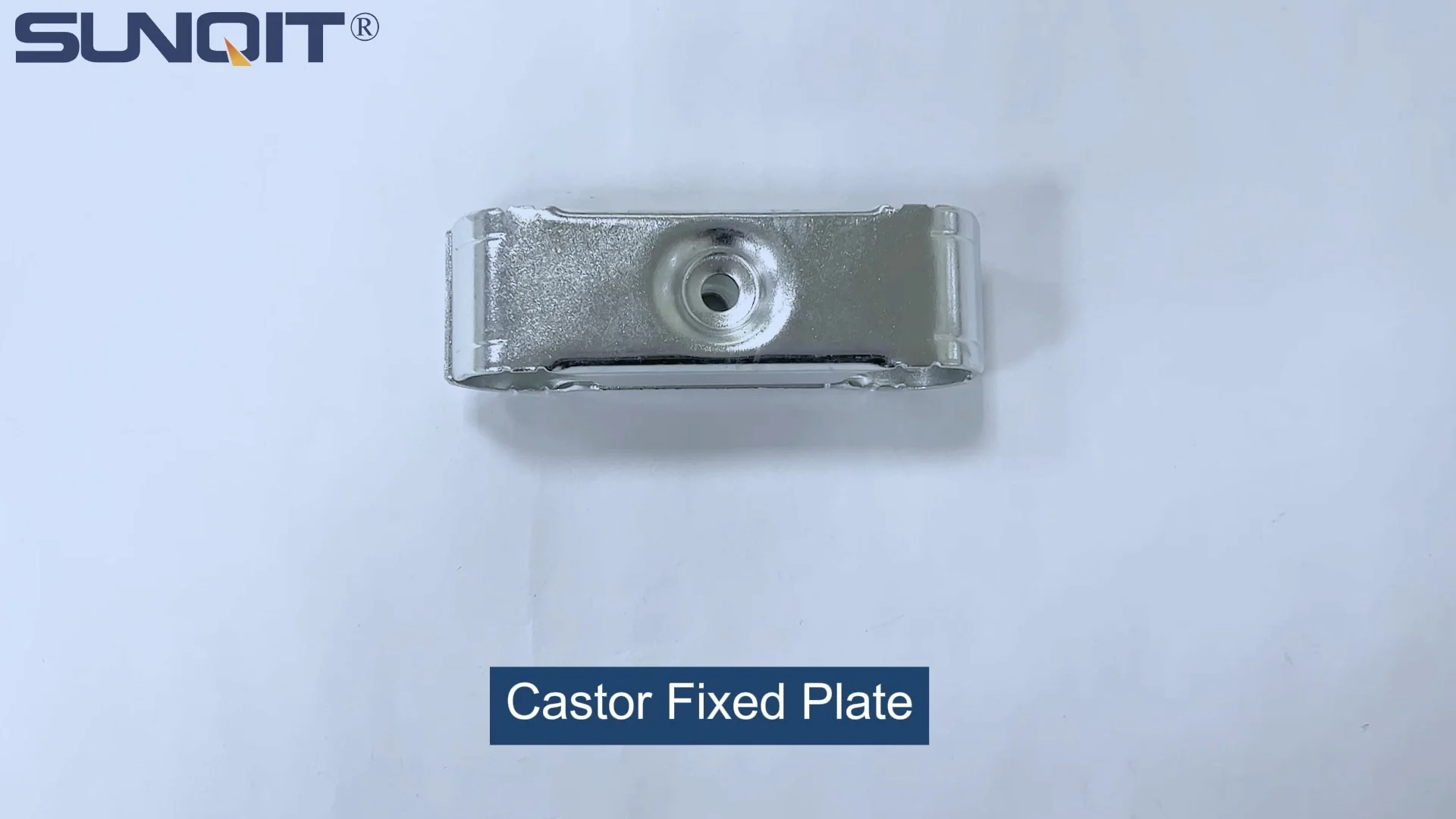
Castor Fixed Plate
Castor fixed plate, used for castor installation, one castor need two pcs castor plate to fix under the workbench, flow rack, and hand trolley.
In the world of manufacturing, where every second counts and efficiency is the lifeblood of operations, lean manufacturing has long been the gold standard. It's a philosophy built on eliminating waste, streamlining workflows, and empowering teams to do more with less. But here's the thing about lean: its success often hinges on the smallest, most unassuming components. Take the castor fixed plate, for example. This humble piece of hardware—responsible for securing casters to workbenches, trolleys, and material racks—might not grab headlines, but it's the quiet force that keeps production lines moving, workstations flexible, and teams productive. As factories evolve to meet the demands of Industry 4.0, sustainability, and hyper-customization, even the castor fixed plate is undergoing a transformation. Let's dive into how this unsung hero is shaping the future of lean manufacturing, and why the innovations around it matter for anyone invested in building smarter, more resilient workflows.
The Backbone of Mobility: Why Castor Fixed Plates Matter
Before we talk about the future, let's ground ourselves in the present. What exactly is a castor fixed plate, and why does it deserve a spot in the spotlight? At its core, a castor fixed plate is a mounting bracket that connects casters (those small wheels that let equipment roll) to the base of a workstation, trolley, or rack. It's the bridge between mobility and stability—ensuring that when a worker pushes a turnover trolley loaded with components, the casters don't wobble, shift, or detach. In lean systems, where tools and materials need to move quickly from point A to point B, this stability isn't just a convenience; it's a safety requirement. A loose castor fixed plate can lead to jams, delays, or even accidents, grinding productivity to a halt.
Consider a typical scenario: an electronics assembly line using an ESD workbench. The workbench needs to be mobile enough to reconfigure the line for a new product run but stable enough to keep sensitive circuit boards from slipping during assembly. The castor fixed plate here isn't just holding wheels—it's ensuring that the entire workstation maintains precision, even as it's moved across the factory floor. Multiply that by hundreds of workstations, trolleys, and material racks in a single facility, and you start to see why the quality and design of castor fixed plates directly impact a plant's bottom line.
But castor fixed plates aren't one-size-fits-all. In a lean system, where every tool is tailored to its task, these plates must adapt to different loads, environments, and equipment. A heavy-duty material rack b (3 row and 3 floor) carrying bulk components will need a sturdier plate than a lightweight hand trolley used for moving small parts. A workstation in a food processing plant might require stainless steel to resist corrosion, while an electronics facility could demand ESD-safe materials to protect against static damage. This versatility is what makes the castor fixed plate so critical—and why its evolution is tied so closely to the evolution of lean itself.
The Stumbling Blocks: Current Pain Points in Castor Fixed Plate Design
For all their importance, traditional castor fixed plates come with their share of frustrations. Let's start with rigidity. Many older designs are made from thick, heavy steel and bolted into place with little room for adjustment. In a lean system that thrives on flexibility—where a workbench might need to be repositioned weekly or a trolley repurposed for a new task—this rigidity is a liability. Workers end up wasting time wrestling with tools to detach plates, or worse, using makeshift solutions that compromise safety.
Then there's compatibility. As factories adopt newer materials like aluminum profiles and aluminum lean pipes—lightweight, durable, and easy to assemble—older steel castor fixed plates often don't play well with these systems. Aluminum profiles have unique T-slot designs that require specialized mounting hardware, and a standard steel plate can't always grip them securely. This mismatch leads to wobbly equipment, increased wear and tear, and the need for custom fabrication—all of which add cost and complexity to lean setups.
Wear and tear is another issue. In high-traffic areas, castor fixed plates take a beating: constant vibration from moving trolleys, exposure to oils or chemicals, and the stress of heavy loads. Traditional plates, with their single-piece construction, often crack at the mounting points or corrode over time, leading to unexpected downtime. For a lean operation that prides itself on predictability, unplanned maintenance on something as "simple" as a fixed plate is a major source of frustration.
Finally, there's the challenge of sustainability. Steel plates are durable, but they're also resource-intensive to produce and heavy to ship. As manufacturers face pressure to reduce their carbon footprints, the weight and material waste of traditional castor fixed plates are becoming harder to ignore. Factories want components that are not only efficient but also eco-friendly—a balance that legacy designs struggle to strike.

Innovations Driving the Future: What's New in Castor Fixed Plate Design
The good news? The industry is listening. Manufacturers and suppliers are reimagining the castor fixed plate from the ground up, focusing on four key areas: material science, modularity, smart integration, and sustainability. Let's break down each trend and how it's reshaping lean workflows.
1. Material Evolution: Lightweight, Strong, and Adaptable
Gone are the days when steel was the only option. Today's castor fixed plates are embracing aluminum profiles and high-grade alloys, offering the best of both worlds: strength and lightness. Aluminum, in particular, is a game-changer. It's 30% lighter than steel, resistant to corrosion, and conducts heat and electricity poorly—making it ideal for ESD workbench setups where static control is critical. Aluminum castor fixed plates can also be anodized or coated in colors like yellow or grey to match factory aesthetics or color-code work zones, adding a layer of organization to lean environments.
But it's not just about swapping steel for aluminum. Innovators are also experimenting with composite materials—blends of aluminum, plastic, and even carbon fiber—to create plates that are stronger than steel but half the weight. These composites are especially useful for applications like mobile workbenches, where reducing weight makes maneuvering easier for workers, cutting down on fatigue and increasing productivity.
Stainless steel is also getting a second look, but with a twist. Modern stainless steel castor fixed plates are thinner and more precisely engineered, using alloys like 316 stainless (known for superior corrosion resistance) to thrive in harsh environments—think food processing plants or outdoor manufacturing yards. Unlike older steel plates, these are designed to integrate with modular systems, featuring pre-drilled holes and slots that align with aluminum profiles and lean pipe accessories.
2. Modularity: Designed for Flexibility
If there's one word that defines lean manufacturing, it's "flexibility." Today's factories can't afford to be locked into rigid setups, and neither can their hardware. Enter modular castor fixed plates—designs that let workers adjust, swap, and reconfigure casters on the fly without specialized tools. How? By incorporating features like quick-release levers, snap-fit mechanisms, and universal mounting slots that work with everything from traditional steel pipes to T-slot aluminum profiles.
Take, for example, the "click-and-lock" castor fixed plate from leading lean system suppliers. These plates feature a spring-loaded pin that slides into the T-slot of an aluminum profile, securing the plate in seconds. No bolts, no wrenches—just a quick push to lock it in place. When a workstation needs to be reconfigured, a simple pull of the lever releases the plate, allowing workers to move it to a new position or swap in a different caster (say, switching from a standard wheel to an ESD-safe one for electronics assembly).
Modularity also extends to adjustability. Newer plates come with slotted mounting holes that let casters be positioned forward, backward, or sideways, depending on the load or maneuverability needs. For a turnover trolley that carries unevenly weighted materials, this means adjusting the caster placement to balance the load, reducing strain on the wheels and the workers pushing it. It's a small change, but it adds up to big improvements in safety and efficiency.
3. Smart Integration: Adding Intelligence to Hardware
Industry 4.0 isn't just about robots and AI—it's about making even the most basic components "smart." Castor fixed plates are getting in on the action with integrated sensors and connectivity features that help predict maintenance needs and track equipment usage. Imagine a castor fixed plate embedded with a tiny strain sensor that monitors the load on the caster. Over time, it learns the typical weight patterns for a workstation. If it detects an unusual spike (say, a worker overloading a trolley), it sends an alert to the plant's management system, preventing a potential failure. Or, if vibration levels rise beyond a threshold, it flags that the plate's mounting bolts might be loosening, prompting a quick inspection before a breakdown occurs.
Another example is RFID tagging. Some suppliers are embedding RFID chips into castor fixed plates, allowing factories to track the location and usage of every mobile asset—from workbenches to material racks. This data helps managers optimize workflow layouts, identify underused equipment, and even automate inventory checks. For a lean system that relies on data to eliminate waste, this level of visibility is transformative.
Of course, smart features raise concerns about cost and complexity. But as sensor technology becomes cheaper and more miniaturized, these "intelligent" castor fixed plates are becoming accessible to even small and mid-sized manufacturers. They're no longer just for large automotive plants—they're for any factory that wants to stay ahead of maintenance issues and make data-driven decisions.
4. Sustainability: Green by Design
Sustainability isn't just a buzzword; it's a business imperative. Castor fixed plate manufacturers are responding by prioritizing recyclable materials, reducing waste in production, and designing for longevity. Aluminum, for instance, is 100% recyclable, and using it reduces the carbon footprint of transportation (thanks to its lighter weight). Some suppliers are even using recycled aluminum in their plates, further cutting down on raw material use.
Design for disassembly is another focus. Traditional castor fixed plates are often welded or glued together, making them hard to repair or recycle. Newer modular designs, however, are built with separate, replaceable parts—so if a mounting bracket cracks, you can swap it out instead of replacing the entire plate. This "repairability" reduces waste and extends the lifespan of the component, aligning with the lean principle of maximizing resource value.
Finally, suppliers are optimizing packaging and shipping. By using lightweight, stackable designs, castor fixed plates take up less space in transit, reducing fuel consumption. Some are even switching to biodegradable or recyclable packaging materials, eliminating the plastic waste that often accompanies hardware shipments. For factories aiming for zero-waste certifications, these small changes add up.

Traditional vs. Next-Gen Castor Fixed Plates: A Side-by-Side Look
| Feature | Traditional Castor Fixed Plates | Next-Gen Castor Fixed Plates |
|---|---|---|
| Material | Heavy steel, limited corrosion resistance | Aluminum profiles, stainless steel alloys, composites; lightweight and corrosion-resistant |
| Flexibility | Rigid, bolted design; hard to adjust or reconfigure | Modular, quick-release mechanisms; compatible with aluminum profiles and lean pipe systems |
| Durability | Prone to cracking at mounting points; corrosion over time | Reinforced mounting zones, composite materials; longer lifespan with replaceable parts |
| Sustainability | Resource-heavy production; hard to recycle | Recyclable materials, design for disassembly; reduced carbon footprint |
| Smart Features | None; manual inspection required | Integrated sensors, RFID tagging; predictive maintenance and asset tracking |

Real-World Impact: How One Factory Transformed with New Castor Fixed Plates
To see these innovations in action, let's look at a case study. A mid-sized electronics manufacturer in the Midwest was struggling with its assembly line workflows. Their workstations, equipped with traditional steel castor fixed plates, were heavy and hard to move, making it difficult to reconfigure lines for new product launches. The plates often corroded in the humid factory environment, leading to wobbly workbenches and frequent caster replacements. Worse, the steel plates didn't fit well with the aluminum profiles they'd recently installed to reduce workstation weight—creating a bottleneck in their lean transformation.
The solution? They partnered with a lean system supplier to upgrade to aluminum-based castor fixed plates with modular mounting systems. The new plates were designed to snap into the T-slots of their aluminum profiles, eliminating the need for drilling or welding. They also chose plates with integrated strain sensors to monitor caster load and vibration. Within three months, the results were striking: reconfiguring a workstation went from taking 2 hours to 15 minutes, reducing downtime during product launches. Caster replacements dropped by 60% because the aluminum plates were corrosion-resistant and the modular design allowed for easy part swaps. The strain sensors caught two potential overloading incidents, preventing equipment damage and worker injuries. And because the aluminum plates were lighter, shipping costs for new equipment fell by 25%—a small but meaningful win for their sustainability goals.
This isn't an isolated example. From automotive plants to medical device manufacturers, factories are reporting similar gains after upgrading their castor fixed plates. It's a reminder that in lean manufacturing, even the smallest component can deliver outsized returns when designed with purpose.
Looking Ahead: What's Next for Castor Fixed Plates and Lean Manufacturing
So, what does the future hold? If current trends are any indication, the castor fixed plate will continue to evolve in lockstep with broader shifts in manufacturing. Here are three predictions to watch:
1. Hyper-Customization for Niche Industries As manufacturing becomes more specialized—think aerospace components, lab equipment, or electric vehicle batteries—castor fixed plates will need to meet unique demands. We'll see plates designed for extreme temperatures (for foundries), ultra-low profiles (for under-shelf storage), or even magnetic mounting (for cleanrooms where metal particles are a hazard). Suppliers will offer configurators that let factories design plates tailored to their exact load, space, and material requirements—all with quick turnaround times.
2. Integration with Digital Twins Digital twins—virtual replicas of physical production lines—are becoming standard in smart factories. Castor fixed plates with RFID or sensor data will feed into these twins, allowing managers to simulate how changes in plate design or placement affect workflow efficiency. Want to test a new trolley layout? The digital twin can model the stress on the castor fixed plates and predict maintenance needs before a single physical change is made. This level of virtual testing will reduce trial-and-error and accelerate lean implementations.
3. Circular Economy Models Sustainability will move beyond materials to business models. Lean system suppliers may start offering "plate-as-a-service" programs, where factories lease castor fixed plates and return them for recycling or refurbishment at the end of their lifespan. This shifts the focus from ownership to utilization, aligning with circular economy principles and reducing waste. Imagine a factory that pays a monthly fee for plates, with the supplier handling maintenance, upgrades, and recycling—freeing up the factory to focus on what it does best: making products.
The Takeaway: Small Components, Big Impact
At the end of the day, the future of castor fixed plates is about more than just hardware—it's about empowering lean manufacturing to reach new heights of efficiency, flexibility, and sustainability. These unassuming components are a reminder that innovation in manufacturing isn't always about flashy robots or AI algorithms. Sometimes, it's about reimagining the tools we've relied on for decades and asking: "How can this be smarter, lighter, and more adaptable?"
For factory managers, the message is clear: don't overlook the small stuff. Investing in modern castor fixed plates, aluminum profiles, and modular lean systems isn't just a cost—it's an investment in your team's productivity, your facility's resilience, and your company's ability to thrive in a rapidly changing industry. And for suppliers, the opportunity is equally clear: the future belongs to those who design with the end user in mind—solving real pain points with creativity, sustainability, and a deep understanding of what makes lean manufacturing tick.
So, the next time you walk through a factory floor, take a moment to look down at the wheels beneath the workbenches and trolleys. Chances are, there's a castor fixed plate hard at work—quietly, reliably, and increasingly, intelligently. And in that small piece of hardware? The future of lean manufacturing is already taking shape.