- Company Articles
- Industry articles
- Industry standards
- Chrome Thickness Standards for Two Way Lean Pipe Joints: Quality Specifications

Chrome Thickness Standards for Two Way Lean Pipe Joints: Quality Specifications
Related Product
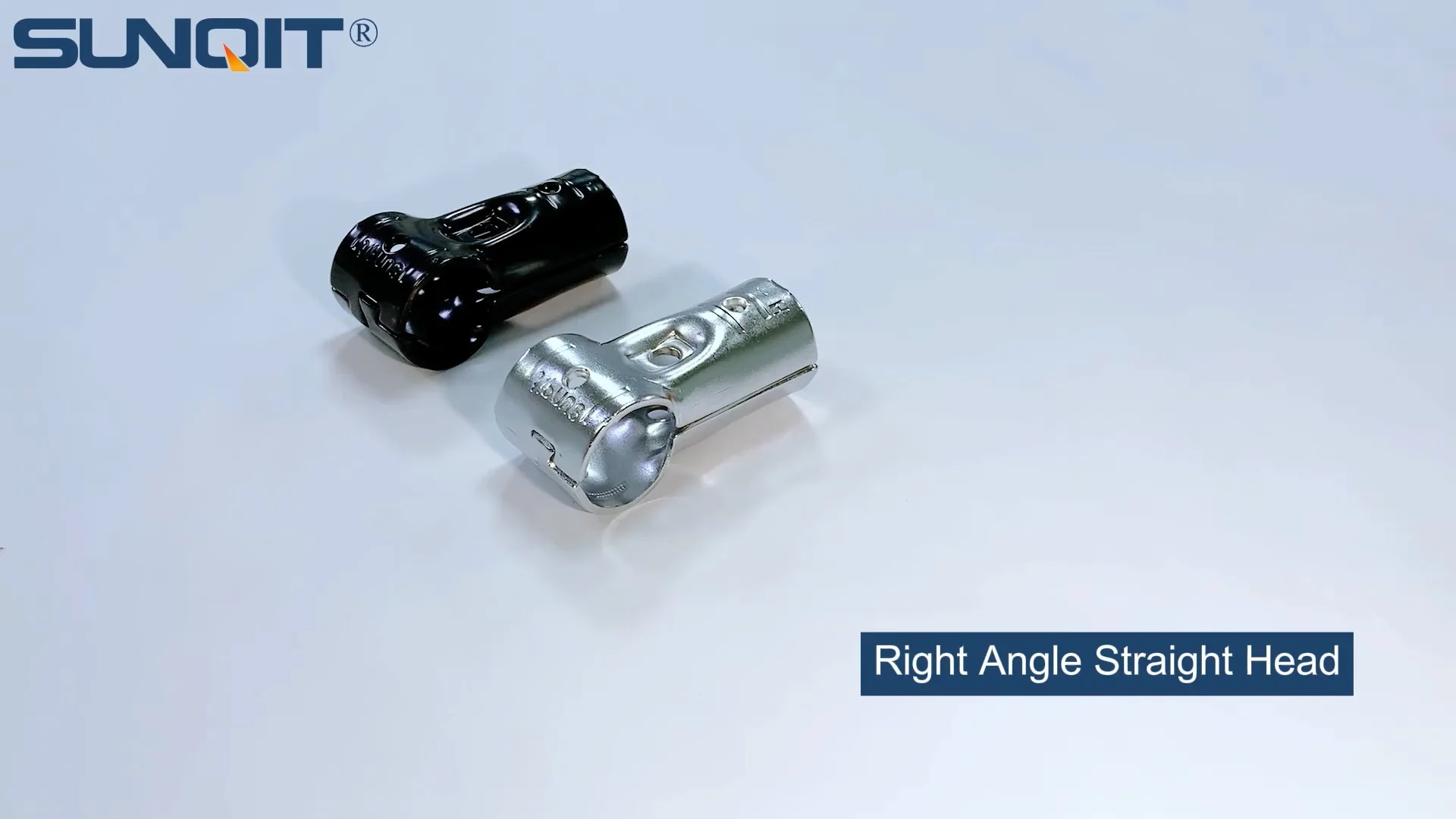
Two Way Lean Pipe Joint
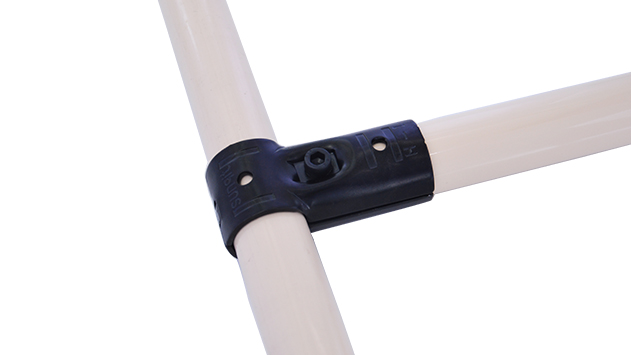
Two way lean pipe joint for 2 pcs 28MM lean pipe connection in straight angle, which used widely in workbench, flow rack, hand trolley frame connection.
In the fast-paced world of lean manufacturing, where every second counts and efficiency is king, it's easy to overlook the small components that keep the entire operation running smoothly. Yet, anyone who's worked on a production floor knows the truth: the strength of a system lies in its weakest link. Today, we're shining a spotlight on one such unsung hero: the two way lean pipe joint . These unassuming connectors are the backbone of lean systems, holding together everything from workbenches and flow racks to conveyor lines and turnover trolleys. But what makes a reliable two way lean pipe joint? Beyond design and material, there's a critical factor that often goes unnoticed until problems arise: chrome thickness. In this article, we'll dive deep into why chrome thickness matters, the standards that govern it, and how it impacts the durability, safety, and efficiency of your lean system .
What Are Two Way Lean Pipe Joints, and Why Do They Matter?
Before we get into chrome thickness, let's make sure we're all on the same page about what two way lean pipe joints are and why they're indispensable in modern manufacturing. Simply put, a two way lean pipe joint is a specialized connector designed to link two lean pipes at a fixed angle—typically 90 degrees, though some variants allow for adjustments. Think of them as the "elbows" of the lean manufacturing world: without them, you can't build the sturdy, modular structures that define lean production setups.
These joints are everywhere. Walk into any automotive assembly plant, electronics manufacturing facility, or warehouse optimized for lean operations, and you'll see them hard at work. They're the reason your workbench stays stable during assembly, why your flow rack doesn't wobble when loaded with parts, and how your conveyor system maintains alignment even under constant use. Made from materials like steel or aluminum, many two way lean pipe joints are finished with a chrome plating—a choice that's equal parts functional and strategic.
The Hidden Workhorse: Chrome-Plated Two Way Lean Pipe Joints
While some joints come in raw steel or powder-coated finishes, chrome-plated versions are the gold standard in high-performance environments. Why? Chrome plating adds a layer of protection and durability that bare metal simply can't match. It's not just about shine (though a clean, reflective finish certainly helps with maintaining a hygienic workspace); it's about extending the life of the joint, reducing maintenance costs, and ensuring consistent performance in tough conditions. But here's the catch: not all chrome plating is created equal. The thickness of that chrome layer is the difference between a joint that lasts five years and one that starts rusting or wearing down in six months.
The Role of Chrome Plating in Lean Pipe Joints
To understand why chrome thickness matters, let's first unpack what chrome plating actually does for a two way lean pipe joint. Chrome plating—specifically, decorative chrome plating, which is most common in these applications—involves electroplating a thin layer of chromium onto the surface of the joint. This process offers four key benefits:
- Corrosion Resistance: Chromium is naturally resistant to rust and oxidation, making chrome-plated joints ideal for environments where moisture, oils, or chemicals are present (think automotive workshops or food processing facilities).
- Hardness and Wear Resistance: Chrome plating has a high hardness rating (often 800-1000 HV on the Vickers scale), which means it can withstand friction, abrasion, and impact better than unplated steel.
- Low Friction: The smooth surface of chrome reduces friction between the joint and other components, making it easier to adjust or disassemble structures when reconfiguring a production line—critical for lean's emphasis on flexibility.
- Aesthetic and Hygienic: A bright chrome finish is easy to clean and visually consistent, helping maintain a professional, organized workspace that aligns with lean's focus on order and efficiency.
But all these benefits hinge on one variable: thickness. Too thin, and the chrome layer will chip, peel, or wear away quickly, leaving the underlying metal exposed to damage. Too thick, and the plating may become brittle, cracking under stress or during installation. Finding that sweet spot is where standards come into play.
Chrome Thickness Standards Explained: What's "Normal"?
When we talk about chrome thickness in two way lean pipe joints, we're measuring the depth of the chromium layer in microns (μm)—a unit equal to one-millionth of a meter. To put that in perspective, a human hair is about 50-100 μm thick, so we're dealing with layers that are often thinner than a single strand of hair. But don't let their small size fool you: even a difference of 5 μm can drastically change a joint's performance.
Industry standards for chrome thickness in lean pipe joints vary slightly by application, but most fall within a range of 8-15 microns for decorative and functional plating. This range strikes a balance between durability and flexibility: thick enough to resist wear, thin enough to avoid brittleness. However, some high-stress applications—like joints used in heavy-duty conveyor systems or load-bearing material racks—may require thicker plating, up to 20 μm.
To give you a clearer picture, let's compare common standards across different sectors. The table below outlines typical chrome thickness specifications for two way lean pipe joints in various industries, along with the organizations that set these standards:
| Industry | Standard Organization | Specification Name | Minimum Chrome Thickness (μm) | Maximum Chrome Thickness (μm) | Key Application |
|---|---|---|---|---|---|
| General Manufacturing | ISO | ISO 4527:2016 | 8 | 15 | Workbenches, light-duty flow racks |
| Automotive | ASTM International | ASTM B456-20 | 10 | 20 | Conveyor systems, heavy material trolleys |
| Electronics | JIS (Japan) | JIS H8610:2012 | 6 | 12 | ESD workstations, precision assembly lines |
| Food & Beverage | FDA | FDA 21 CFR 175.300 | 12 | 18 | Sanitary flow racks, washdown-compatible structures |
As you can see, even within these ranges, there's room for customization. A lean pipe supplier may adjust thickness based on a client's specific needs—for example, a manufacturer in a coastal area with high humidity might request 15 μm plating to boost corrosion resistance, while a plant in a dry, low-wear environment could opt for 8 μm to reduce costs.

Why Thickness Matters: The Real-World Impact of Inadequate Chrome Plating
At this point, you might be wondering: Does a few microns really make that big of a difference? The short answer is yes—and the consequences of cutting corners on chrome thickness can be costly, both in terms of money and productivity. Let's break down the risks of inadequate plating:
1. Premature Wear and Tear
In a busy production facility, two way lean pipe joints are under constant stress. Every time a worker leans on a workbench, every time a cart bumps into a flow rack, every time a conveyor starts and stops—these actions create friction and impact that gradually wear down the joint's surface. A thin chrome layer (less than 8 μm) will scratch or erode quickly, exposing the underlying steel to abrasion. Over time, this can lead to pitting, roughness, or even deformation of the joint's shape, weakening its ability to hold pipes securely.
Consider a scenario: A manufacturer uses two way lean pipe joints with only 5 μm of chrome plating on their assembly line workbenches. Within six months, the joints start showing visible scratches and dull spots. By the one-year mark, some joints have worn through the chrome entirely, leaving rust spots where steel meets air. The workbenches begin to wobble, forcing the team to pause production for repairs—a direct hit to lean's core principle of minimizing downtime.
2. Corrosion: The Silent Killer of Lean Joints
Corrosion is enemy number one for metal components, and chrome plating is your first line of defense. But if the plating is too thin, moisture, oils, or chemicals can seep through tiny cracks or pores, reaching the steel underneath. Once that happens, rust begins to form, and it doesn't stop at the joint: rust can spread to connected pipes, weakening the entire structure over time.
In humid environments or facilities that use water-based coolants (like automotive plants), this risk is amplified. A joint with 10 μm of chrome plating can resist corrosion for 3-5 years under normal conditions; one with 5 μm might start rusting in as little as 12 months. The result? Frequent replacements, increased maintenance costs, and the constant worry of unexpected failures.
3. Compromised Load Capacity
Two way lean pipe joints aren't just for show—they're structural components that must support significant weight. A typical joint in a material rack might need to hold 50-100 kg of parts; in heavy-duty applications, that number can climb to 200 kg or more. Chrome plating, when applied correctly, adds a thin but strong layer that reinforces the joint's surface, helping it withstand compression and tension.
However, if the plating is too thick (over 20 μm), it can become brittle. During installation, when the joint is tightened onto a pipe, the thick chrome layer might crack, creating weak points. Conversely, too thin plating offers no added reinforcement, leaving the joint reliant solely on its base metal strength. In either case, the joint's load capacity drops, increasing the risk of collapse—a safety hazard that no lean operation can afford.
4. Increased Friction and Reduced Flexibility
Lean manufacturing thrives on flexibility: the ability to reconfigure workstations, adjust flow racks, or repurpose conveyor lines as production needs change. Chrome plating's smooth surface reduces friction, making it easier to disassemble and reassemble joints without damaging them. But a thin, uneven chrome layer can create rough spots or peeling edges, increasing friction and making adjustments difficult. Over time, this can turn a 10-minute reconfiguration into a 30-minute struggle—exactly the kind of waste lean aims to eliminate.

Testing Chrome Thickness: How Suppliers Ensure Compliance
So, how do you know if a two way lean pipe joint meets the required chrome thickness standards? Reputable lean pipe supplier s use specialized testing methods to verify plating thickness before shipping products. Here are the most common techniques:
Magnetic Induction Testing
This is the workhorse of chrome thickness measurement for ferrous metals (like steel). A magnetic induction gauge uses a probe to generate a magnetic field, which interacts with the base metal and the non-magnetic chrome layer. The gauge measures the strength of the magnetic flux to calculate the thickness of the chrome. It's fast, non-destructive, and accurate for thicknesses up to 100 μm—perfect for lean pipe joints.
Eddy Current Testing
For non-ferrous base metals (like aluminum), eddy current testing is preferred. This method uses an alternating current in a probe to create eddy currents in the chrome layer. The resistance of these currents changes with the layer's thickness, allowing the gauge to compute the depth. Like magnetic induction, it's non-destructive and suitable for thin layers.
Cross-Sectional Microscopy
For critical applications or quality audits, suppliers may use cross-sectional microscopy. This involves cutting a small sample of the joint, polishing the edge, and examining it under a microscope to measure the chrome layer directly. While destructive, it's the most accurate method, with precision down to 0.1 μm.
When choosing a supplier, ask for certification of chrome thickness testing. A reliable lean pipe supplier will provide test reports from accredited labs, showing that their joints meet or exceed industry standards. Avoid suppliers who can't or won't share this data—chances are, they're cutting corners on plating.
Choosing the Right Joint for Your Lean System
Now that you understand the importance of chrome thickness, how do you select the right two way lean pipe joint for your needs? Start by asking yourself these questions:
- What's the application? Is the joint for a light-duty workbench or a heavy conveyor system? High-stress uses demand thicker plating.
- What's the environment like? Humid, dry, chemical-exposed? Corrosive environments need higher thickness (12-15 μm).
- What standards does your industry require? Automotive and aerospace often follow stricter specs than general manufacturing.
- What's your budget? Thicker plating costs more, but it's an investment in longevity. Balance upfront cost with long-term maintenance.
Remember, the cheapest joint isn't always the best value. A $5 joint with 5 μm plating might need replacement in a year, while a $7 joint with 12 μm plating could last five years. When you factor in downtime and labor for replacements, the "expensive" option often saves money in the long run.
Conclusion: The Small Detail That Drives Lean Success
In lean manufacturing, we often focus on big-picture goals: reducing waste, improving flow, boosting productivity. But as we've explored, the smallest components—like the chrome thickness on a two way lean pipe joint—can have a outsized impact on whether those goals are met. A well-plated joint is more than just a connector; it's a silent partner in efficiency, reliability, and safety.
So, the next time you're designing a workbench, setting up a flow rack, or sourcing parts for your lean system, take a moment to consider the two way lean pipe joints. Ask your lean pipe supplier about their chrome thickness standards. Request test reports. Compare specs. Because in the world of lean, success isn't just about the big moves—it's about getting the details right. And when it comes to chrome thickness, those details can make all the difference between a system that thrives and one that struggles.
After all, lean manufacturing is about eliminating waste—and there's no bigger waste than a system that fails because of a component no one thought to check. Invest in quality, demand standards, and let your two way lean pipe joints work as hard as your team does.