- Company Articles
- Industry articles
- Industry standards
- Cleaning 60 Steel Roller Track Green: Best Practices for Medical & Food-Grade Facilities

Cleaning 60 Steel Roller Track Green: Best Practices for Medical & Food-Grade Facilities
Related Product
60 Steel Roller Track Green
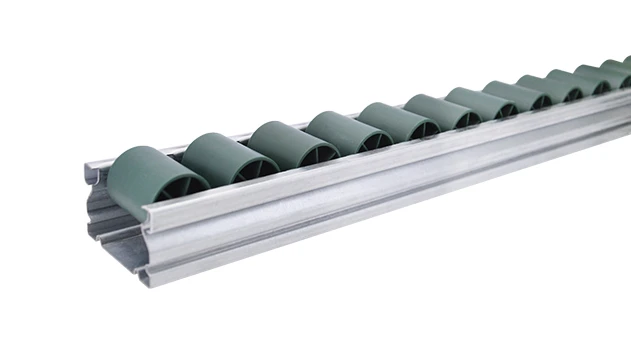
The roller track can be installed with multiple accessories to create different slopes and configurations of flow racks.All steel conveyor 60 roller track accessories are engineered to perfectly fit the sliding rail.It is enable the movement of SLC boxes.
Cleaning 60 Steel Roller Track Green: Best Practices for Medical & Food-Grade Facilities
If you run a medical device plant or a food processing facility, you know how every detail counts when it comes to hygiene and compliance. One often-overlooked area? The 60 Steel Roller Track Green that powers your flow racks, conveyors, and lean solution systems. These tracks are workhorses—they move parts, ingredients, and finished products smoothly through your operations—but without proper cleaning, they can become breeding grounds for bacteria, cause equipment downtime, or even lead to audit failures. In this guide, we'll walk you through everything you need to know to keep your 60 Steel Roller Track Green in top shape, from pre-cleaning prep to post-cleaning maintenance, so you can stay compliant, efficient, and worry-free.
1. What Is 60 Steel Roller Track Green, and Why Does It Matter?
First, let's get clear on what we're talking about. The 60 Steel Roller Track Green is a durable, high-performance component used in many industrial settings—especially medical and food-grade facilities. Made from high-quality steel (part of the stainless steel pipe series for added hygiene), it features a green coating that's non-toxic, corrosion-resistant, and easy to clean. This coating isn't just for looks; it's designed to stand up to frequent washing with food-safe or medical-grade cleaners without chipping or fading.
Where do you find this track? It's everywhere in lean operations: in flow racks that hold ingredients or medical parts, on conveyors that move products through assembly lines, and as part of custom lean solution setups tailored to your facility's needs. Because it's used in direct or indirect contact with food or medical devices, keeping it clean is non-negotiable. A dirty track can contaminate products, lead to costly recalls, or violate strict regulatory standards like FDA's 21 CFR or ISO 13485.
2. Pre-Cleaning Prep: Get Ready to Do It Right
Before you start scrubbing, you need to prepare properly. Rushing into cleaning without the right tools or safety measures can lead to mistakes, injuries, or incomplete cleaning. Let's break down the steps:
2.1 Safety First: Protect Yourself and Your Equipment
Safety should always be your first priority. Here's what you need to do:
- Wear the right PPE: Gloves (nitrile or latex-free for medical facilities, food-safe gloves for food plants), safety goggles to protect your eyes from splashes, and a mask if you're working with strong sanitizers.
- Lockout/Tagout (LOTO): If the track is part of a conveyor system, use LOTO procedures to turn off the power and lock it so no one accidentally turns it on while you're cleaning. This prevents injuries from moving rollers.
- Clear the area: Remove any products, boxes, or debris from the track and surrounding area to give yourself room to work.
2.2 Gather Your Tools & Supplies
Using the wrong tools can damage the green coating or leave residues. Stick to these approved items:
| Tool/Supply | Why It's Needed | Notes for Medical/Food Facilities |
|---|---|---|
| Soft-bristled brush | Removes loose debris without scratching the green coating | Avoid metal brushes—they can chip the coating |
| Microfiber cloths | Wipes away dirt and cleaner residue without leaving lint | Use lint-free cloths for medical devices to prevent contamination |
| Food-safe/Medical-grade cleaner | Cleans the track without leaving toxic residues | Check labels for compliance (e.g., FDA-approved for food, ISO 13485 for medical) |
| Sanitizer (food-safe/medical-grade) | Kills bacteria and pathogens on the track surface | Choose a sanitizer with a proven kill rate for common pathogens like E. coli or Salmonella |
| Distilled or filtered water | Rinses away cleaner and sanitizer residue | Tap water may contain minerals that leave spots on the green coating |
| Spray bottles | Applies cleaner and sanitizer evenly to the track | Label bottles clearly to avoid mixing up cleaners and sanitizers |
| Bucket | Holds clean water for rinsing | Use separate buckets for clean and dirty water to prevent cross-contamination |
2.3 Assess the Track: What's the Condition?
Take a few minutes to inspect the track before cleaning. Look for:
- Loose debris: Dust, food crumbs, medical part residues, or small pieces of packaging.
- Stubborn buildup: Grease, oil, or dried-on stains that need extra attention.
- Damage: Scratches on the green coating (these can lead to rust), loose rollers, or broken connectors.
- Rust spots: Even small spots can spread if not addressed quickly.
Make a note of any damage—you'll want to fix it after cleaning. For now, focus on removing debris and buildup.
3. Step-by-Step Cleaning Process for 60 Steel Roller Track Green
Now that you're prepared, let's dive into the cleaning process. Follow these steps to ensure your track is thoroughly cleaned and sanitized:
3.1 Dry Removal: Get Rid of Loose Debris
Start with dry cleaning to remove loose debris. This prevents spreading dirt around when you wet the track. Here's how:
- Use a soft-bristled brush to sweep along the track, focusing on the gaps between rollers and under the track.
- For hard-to-reach areas (like between the roller axles), use a narrow brush or a can of compressed air (low pressure—about 30 PSI—to avoid damaging the rollers).
- Collect the debris with a microfiber cloth or a vacuum (use a HEPA filter if you're in a medical facility to avoid spreading dust).
3.2 Wet Cleaning: Remove Stubborn Buildup
Next, it's time to wet clean the track to remove any remaining stains or buildup. Follow these steps:
- Dilute your food-safe or medical-grade cleaner according to the manufacturer's instructions. Never use undiluted cleaner—it can damage the green coating.
- Spray the cleaner evenly onto the track. Be sure to cover all areas, including the rollers and connectors.
- Let the cleaner sit for the recommended dwell time (usually 2-5 minutes). This gives it time to break down grease and stains without drying on the surface.
- Gently scrub the track with a soft-bristled brush. Focus on areas with buildup, but don't scrub too hard—you don't want to scratch the green coating.
- Wipe away the cleaner with a damp microfiber cloth. Use a clean part of the cloth for each section to avoid recontaminating the track.
3.3 Sanitization: Kill Pathogens
Cleaning removes dirt, but sanitization kills bacteria and pathogens. This step is critical for medical and food-grade facilities:
- Choose a sanitizer that's approved for your industry (e.g., quaternary ammonium compounds for food, hydrogen peroxide for medical).
- Spray the sanitizer onto the track, covering all surfaces. Make sure to follow the manufacturer's dwell time—this is the amount of time the sanitizer needs to stay wet on the surface to kill pathogens (usually 1-10 minutes).
- Do not rinse the sanitizer off unless the manufacturer says to. Many sanitizers are "no-rinse" and leave a protective layer on the track.
3.4 Drying: Prevent Mold and Rust
Moisture is the enemy of steel tracks. Even a small amount of water can lead to rust or mold growth. Here's how to dry your track properly:
- Use a dry, lint-free microfiber cloth to wipe the track thoroughly. Pay extra attention to the gaps between rollers and under the track—these areas are prone to holding moisture.
- If possible, use a fan to blow air onto the track to speed up drying. This is especially important in humid environments.
- Wait until the track is completely dry before turning the conveyor or flow rack back on.
4. Post-Cleaning Steps: Keep Your Track Running Smoothly
Cleaning is only half the battle. Post-cleaning steps help maintain your track's performance and extend its lifespan:
4.1 Inspect Again: Fix Any Issues
After cleaning, take another look at the track. Did you miss any damage earlier? Now's the time to fix it:
- Loose rollers: Tighten the screws or bolts that hold the rollers in place. If a roller is broken, replace it immediately.
- Scratched green coating: Touch up the scratch with a food-safe or medical-grade green paint. This prevents rust from forming.
- Broken connectors: replace any broken connectors to keep the track stable.
4.2 Lubricate Rollers: Ensure Smooth Operation
Rollers need lubrication to move smoothly, but you have to be careful with the type of lubricant you use. Here's what to do:
- Choose a food-safe or medical-grade lubricant (e.g., silicone-based lubricant). Avoid petroleum-based lubricants—they can contaminate products.
- Apply a small amount of lubricant to each roller axle. Don't over-lubricate—too much lubricant attracts dust and debris.
- Spin the rollers to distribute the lubricant evenly.
4.3 Document Everything: Stay Audit-Ready
Regulators love documentation. Keep a log of every cleaning session, including:
- Date of cleaning.
- Name of the person who did the cleaning.
- Tools and supplies used.
- Any issues found (and how they were fixed).
- Sanitizer dwell time.
This log will help you pass audits and track the performance of your track over time.
5. Maintenance Tips: Extend the Life of Your 60 Steel Roller Track Green
Proper maintenance can extend the life of your track by years. Here are some tips to keep it running smoothly:
5.1 Regular Inspections: Catch Issues Early
Do a quick inspection of your track every week. Look for loose debris, damaged rollers, or scratches on the green coating. Catching issues early prevents them from becoming bigger problems.
5.2 Preventive Measures: Reduce Dirt and Damage
The best way to keep your track clean is to prevent dirt from getting on it in the first place. Here are some preventive steps:
- Use mats at the entrance of your facility to reduce dust and dirt from shoes.
- Train your staff to avoid dropping heavy items on the track—this can damage the rollers or green coating.
- Cover the track with a plastic sheet when it's not in use (especially if you're in a food facility where ingredients might spill).
5.3 Address Issues Promptly: Don't Wait
If you notice a loose roller or a scratch on the green coating, fix it immediately. Waiting can lead to more damage, downtime, or even product contamination.
6. Compliance: Meet Regulatory Standards
Medical and food-grade facilities are held to strict standards. Here's how to ensure your track cleaning meets them:
6.1 Food-Grade Standards
For food facilities, you need to comply with FDA's 21 CFR Part 110 (Current Good Manufacturing Practices) and EU 10/2011 (Food Contact Materials). Key requirements include:
- All cleaners and sanitizers must be food-safe.
- Tracks must be easy to clean and sanitize.
- Documentation of cleaning and sanitization activities.
6.2 Medical-Grade Standards
For medical facilities, ISO 13485 (Medical Device Quality Management Systems) and GMP (Good Manufacturing Practices) are critical. Requirements include:
- Tracks must be non-toxic and corrosion-resistant.
- Cleaning and sanitization must prevent cross-contamination between medical devices.
- All tools and supplies must be medical-grade.
7. Common Mistakes to Avoid When Cleaning 60 Steel Roller Track Green
Even the most careful cleaners can make mistakes. Here are some common ones to watch out for:
7.1 Using Harsh Chemicals
Harsh chemicals like bleach or ammonia can damage the green coating, leading to rust and non-compliance. Always use food-safe or medical-grade cleaners.
7.2 Skipping Dwell Time for Sanitizers
Sanitizers need time to kill pathogens. Skipping dwell time means your track isn't properly sanitized—this can lead to product contamination.
7.3 Over-Lubricating Rollers
Too much lubricant attracts dust and debris, which can clog the rollers and cause downtime. Use a small amount of lubricant and spread it evenly.
7.4 Neglecting Hard-to-Reach Areas
Areas like under the track or between rollers are easy to miss, but they can harbor bacteria. Take the time to clean these areas thoroughly.
8. Case Study: How a Medical Device Facility Improved Compliance with Proper Roller Track Cleaning
Let's look at a real-world example. A medical device manufacturer in California was struggling with audit failures due to insufficient cleaning of their 60 Steel Roller Track Green. Their flow racks and conveyors were covered in dust and debris, and they had no documentation of cleaning activities.
The facility implemented the steps outlined in this guide: They trained their staff on proper cleaning, used medical-grade cleaners and sanitizers, documented every cleaning session, and fixed any damage promptly. Within three months, they passed their next ISO 13485 audit with zero non-conformances. They also reported a 20% reduction in equipment downtime and a 15% increase in operational efficiency.
This case study shows that proper cleaning of your 60 Steel Roller Track Green isn't just about compliance—it's about improving your bottom line, too.
9. Conclusion: Keep Your Track Clean, Keep Your Operations Running
The 60 Steel Roller Track Green is a small but critical part of your medical or food-grade facility. Proper cleaning and maintenance keep it running smoothly, prevent product contamination, and help you meet regulatory standards. By following the steps in this guide—from pre-cleaning prep to post-cleaning maintenance—you can ensure your track lasts longer, your operations are more efficient, and you pass every audit with ease. Remember: A clean track is a happy track, and a happy track means a successful facility.