- Company Articles
- Industry articles
- Industry standards
- Comparing Aluminum Guide Rail A with European vs. Asian Rail Standards

Comparing Aluminum Guide Rail A with European vs. Asian Rail Standards
Related Product
Aluminum Guide Rail A
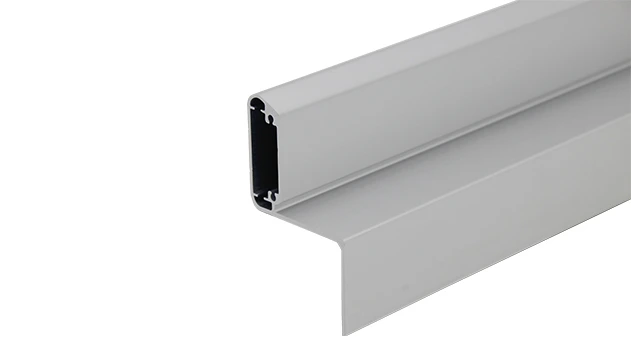
The aluminum guide rails hold the transport goods securely on the roller track. For installation, the guide rails are simply pushed over the roller tracks.To protect sensitive products.
In the bustling world of manufacturing, where every second counts and efficiency reigns supreme, there's an unsung hero working behind the scenes: the humble guide rail. These metal structures, often overlooked, are the backbone of smooth production lines, the quiet force that keeps workbenches stable, and the invisible hand that ensures materials glide seamlessly through flow racks. But not all guide rails are created equal. Today, we're diving deep into a topic that matters more than you might think: how Aluminum Guide Rail A stacks up against the widely used European and Asian rail standards. Whether you're setting up a new lean system or upgrading an existing production line, understanding these differences could be the key to unlocking smoother operations, lower costs, and a truly adaptable workspace.
First Things First: What Are European and Asian Rail Standards, Anyway?
Before we jump into Aluminum Guide Rail A, let's get familiar with the two heavyweights in the rail world: European (EU) standards and Asian (often referred to as "metric" or regional) standards. Think of them as two different "languages" that guide rails speak—each with its own grammar, vocabulary, and best-use scenarios.
European standards, or EU standards, are like the strict rule-followers of the group. Developed with precision and uniformity in mind, they're designed to be interoperable across borders. You've probably heard terms like "4040 aluminum profile" or "4080 profile"—these are classic EU standard sizes. EU rails are known for their thicker walls, consistent slot sizes (usually 8mm or 10mm for T-slots), and robust construction. They're the go-to choice for heavy-duty applications, like automotive manufacturing lines or large-scale industrial workbenches where durability is non-negotiable. Imagine a European rail as a heavy-duty truck: built tough, ready to haul big loads, and built to last.
Asian standards, on the other hand, are the adaptable problem-solvers. They're often more varied in dimensions, with sizes like 3030, 2020, or 6060 profiles, and they prioritize flexibility and cost-effectiveness. Asian rails tend to have thinner walls than their EU counterparts, which makes them lighter and easier to maneuver—great for small to medium-sized setups, like 3C assembly lines (think smartphones and laptops) or lightweight workbenches. If EU rails are trucks, Asian rails are more like compact cars: nimble, fuel-efficient, and perfect for navigating tight spaces.
But here's the thing: neither standard is "better" across the board. It all depends on what you need. Do you need to support tons of weight? EU might be your friend. Do you need to reconfigure your line every few months for new products? Asian could be the way to go. And that's where Aluminum Guide Rail A comes into play—it's like a multilingual translator, borrowing the best from both worlds to create something uniquely versatile.
Meet Aluminum Guide Rail A: The New Kid on the Block with Old-School Wisdom
Aluminum Guide Rail A isn't just another rail—it's a product born from the idea that "why choose one when you can have the best of both?" Developed with the lean system philosophy in mind—think "reusable, sustainable, and always improving"—this rail was designed to solve a common headache for manufacturers: the struggle to balance strength, flexibility, and cost.
Let's start with the basics: material. As the name suggests, Aluminum Guide Rail A is made from high-grade aluminum, which gives it a winning combo of lightness and strength. Unlike steel rails that can rust or weigh down your setup, aluminum resists corrosion, making it ideal for environments where cleanliness matters (hello, medical device production!). And because it's lighter, you can reconfigure your workbench or flow rack without calling in the heavy lifters—perfect for lean systems that thrive on adaptability.
Then there's the design. Aluminum Guide Rail A features a T-slot design, which is like the Swiss Army knife of rail systems. Those slots? They're not just there for show. They let you attach accessories—think brackets, shelves, or even small conveyors—in seconds, no drilling or welding required. It's the kind of flexibility that makes assembly line managers smile, especially when a new product launch demands a quick layout change. And while it borrows the T-slot idea from both EU and Asian standards, Aluminum Guide Rail A adds its own twist: a slightly narrower slot width (we'll get to numbers later) that strikes a balance between holding power and compatibility with common accessories.
But what really sets Aluminum Guide Rail A apart is its commitment to the lean (lean philosophy) of "sustainable improvement." Every part is designed to be reusable. Move a workbench today, disassemble it next month, and reuse the rails in a new flow rack—no waste, no extra cost. It's the kind of practicality that turns "one-time purchase" into "long-term investment," which is why it's been popping up in industries from 3C assembly (where change is constant) to (warehousing and logistics, where durability meets daily use).

The Showdown: Aluminum Guide Rail A vs. EU vs. Asian Standards
Enough talk—let's get down to the details. How does Aluminum Guide Rail A really compare to EU and Asian rails? We've broken it down into the categories that matter most for your production floor:
| Feature | European (EU) Standards | Asian Standards | Aluminum Guide Rail A |
|---|---|---|---|
| Typical Sizes (Width x Height) | 40x40mm, 40x80mm, 80x80mm (larger, standardized) | 30x30mm, 20x20mm, 60x60mm (varied, smaller options) | 35x35mm (mid-sized, versatile) |
| Wall Thickness | 2.0-3.0mm (thicker, for heavy loads) | 1.0-1.5mm (thinner, lighter) | 1.8mm (balanced: strong but not bulky) |
| Max Static Load | Up to 1,500kg/m (ideal for automotive, heavy machinery) | Up to 500kg/m (great for small parts, electronics) | Up to 800kg/m (fits most manufacturing needs) |
| T-Slot Width | 8mm or 10mm (standardized, widely compatible) | 6mm or 8mm (varies by brand, some proprietary) | 7mm (works with most EU/Asian accessories) |
| Surface Treatment | Often powder-coated (durable, but limited color options) | Anodized or plain (simple, cost-effective) | Anodized (scratch-resistant, sleek finish) |
| Best For | Heavy-duty, long-term setups (automotive, industrial machinery) | Lightweight, budget-friendly projects (small workshops, startups) | Lean systems, mixed-load environments (3C, medical, warehousing) |
1. Size & Load Capacity: Finding Your Sweet Spot
EU rails are the heavy lifters here. A standard 4080 EU profile (40mm wide, 80mm tall) can handle up to 1,500kg per meter—perfect if you're moving engine parts or large appliances. But that strength comes with a trade-off: size. Those beefy dimensions can overcrowd smaller workspaces, making them less ideal for tight 3C assembly lines where every inch counts.
Asian rails, like the 3030 profile, are the opposite. They're compact (30x30mm) and lightweight, but their max load tops out around 500kg/m. Great for smartphones or small electronics, but not so much if you need to stack heavy bins on a flow rack.
Aluminum Guide Rail A lands in the middle with its 35x35mm size and 800kg/m load capacity. That's enough to handle most daily tasks—think assembling laptops on a workbench or moving cartons through a conveyor—without taking up extra space. It's the Goldilocks of rails: not too big, not too small, just right for mixed-use environments.
2. Compatibility: Will It Play Nice with Your Tools?
One of the biggest headaches with rail systems is compatibility. Buy EU rails, and you might need EU-specific brackets. Go Asian, and suddenly your old accessories don't fit. Aluminum Guide Rail A tries to bridge that gap with its 7mm T-slot width. Most EU accessories (which use 8mm bolts) can still clamp on tightly, and many Asian accessories (6mm bolts) work with a simple washer. It's not 100% universal, but it's close enough to save you from buying a whole new set of tools when switching systems.
For example, if you've got a collection of EU-style brackets from your old automotive line, you can use them with Aluminum Guide Rail A on your new medical device workbench. Or if you prefer the affordability of Asian casters for your turnover trolley, they'll slot right in. It's the kind of flexibility that keeps procurement teams happy and production lines moving.
3. Cost: Short-Term Spend vs. Long-Term Gain
Let's talk numbers. EU rails are typically the priciest upfront—those thick walls and strict quality controls come at a cost. Asian rails are cheaper to buy but might need replacing sooner if overloaded. Aluminum Guide Rail A? It sits in the middle for initial cost, but its reusability and low maintenance can save you money over time. Think about it: if you can reuse 80% of your rails when reconfiguring, you're not buying new ones every time your production needs change. That's lean thinking in action, and it adds up fast.
Real-World Win: How a 3C Factory Saved Time with Aluminum Guide Rail A
Let's put this all into context with a story from the field. A major 3C assembly plant in Southern China was struggling with their old setup: EU rails for heavy workbenches and Asian rails for lightweight flow racks. The problem? No compatibility. When they launched a new smartphone model, they needed to move a workbench next to a flow rack—but the EU and Asian rails couldn't connect, so they had to build a whole new structure. Cue delays, extra costs, and a frustrated team.
Enter Aluminum Guide Rail A. They replaced the mixed rails with 35x35mm Aluminum Guide Rail A on both workbenches and flow racks. The result? Reconfiguring the line took 3 hours instead of 3 days. The T-slot design let them attach the EU brackets they already owned, and the lighter weight meant two workers could move sections by hand. Six months later, they're still using the same rails—now in a new layout for their latest tablet model. As the plant manager put it: "It's not just a rail. It's a time machine."

So, Which One Should You Choose?
At the end of the day, there's no "one rail to rule them all." But here's a quick guide to help you decide:
- Go EU if: You need to lift extreme weights (think automotive engines) and don't plan on moving things around often. It's a solid, long-term investment for heavy industry.
- Go Asian if: Budget is your top priority, and you're working with small, light parts (like phone components). Great for startups or temporary setups.
- Go Aluminum Guide Rail A if: You want flexibility, reusability, and a balance of strength and weight. Perfect for lean systems, 3C assembly, medical production, or any environment where "change" is the only constant.
Pro Tip: If you're still unsure, start small. replace one workbench or flow rack with Aluminum Guide Rail A and test it out. See how easy it is to adjust, how well it holds up, and whether your team loves the flexibility. Chances are, you'll be hooked—and wondering how you ever worked without it.
Final Thoughts: More Than a Rail, It's a Lean Partner
When you boil it down, choosing a guide rail isn't just about metal and slots—it's about choosing a partner for your production line. European standards offer reliability, Asian standards offer affordability, but Aluminum Guide Rail A offers something more: adaptability. In a world where manufacturing never stands still, that adaptability might just be the most valuable tool in your toolkit.
Whether you're building a new lean system from scratch or upgrading an old line, remember: the best rail is the one that grows with you. And if Aluminum Guide Rail A's balance of strength, flexibility, and lean thinking sounds like a fit, it might be time to give it a try. After all, the most efficient production lines aren't just built—they're built to evolve. And with the right rail, evolution has never been easier.