- Company Articles
- Industry articles
- Industry standards
- Compliance with Industry Standards: Roller Track Placon Mount Center Support Bracket Guidelines

Compliance with Industry Standards: Roller Track Placon Mount Center Support Bracket Guidelines
Related Product
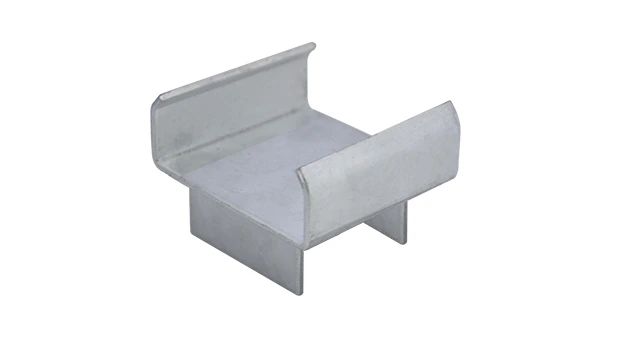
Roller Track Placon Mount Center Support Bracket
Roller track placon mount work as a connector for roller track and pipe or aluminum profile in rack syetem, it is a necessary parts in rack system which widely used in industrial plant and logistic,warehouse storage.
In the fast-paced world of manufacturing, where every second counts and efficiency is the backbone of success, the smallest components often play the biggest roles. Today, we're diving into a component that might not grab headlines but is absolutely critical to keeping your production lines running smoothly: the
roller track placon mount center support bracket
. Whether you're managing a bustling 3C assembly line, a precision-focused medical device workshop, or a high-volume center, this unassuming bracket is the silent hero that ensures your
roller track
systems stay stable, reliable, and compliant with the strictest industry standards. Let's explore why it matters, how to ensure it meets the mark, and how it ties into building a robust
lean system
that drives productivity.
Why Roller Track Placon Mount Center Support Brackets Are Non-Negotiable
Imagine a busy assembly line where products glide along roller tracks, moving from one workstation to the next without a hitch. Now, picture what happens if the center support bracket holding that track in place fails: sudden jams, damaged goods, production delays, and even safety risks for your team. That's the reality without a reliable support bracket. These brackets aren't just metal pieces—they're the foundation that keeps your material flow consistent, reduces downtime, and ensures your
lean system
lives up to its promise of "continuous improvement."
In industries like consumer electronics and automotive manufacturing, where precision is everything, even a slight misalignment in the roller track can lead to costly errors. The center support bracket prevents sagging or shifting of the track, especially when handling heavy loads or high-speed operations. It's also a key player in maintaining compliance with safety regulations, such as OSHA standards for machinery stability and ergonomic workplace design. Simply put, investing in quality brackets isn't an expense—it's an investment in uninterrupted production and peace of mind.
Key Industry Standards for Design and Performance
What Defines a Compliant Bracket?
Not all brackets are created equal. To ensure your roller track system meets industry benchmarks, manufacturers must adhere to strict design standards. These standards are shaped by organizations like the International Organization for Standardization (ISO), as well as industry-specific bodies for sectors like and aerospace. Let's break down the critical criteria:
- Load Capacity: Brackets must support the maximum intended weight of materials plus a safety margin (typically 1.5 times the rated load). For example, a bracket used in automotive parts handling might need to withstand 500kg, while one in 3C assembly could handle 200kg—both with that extra buffer.
- Material Strength: Tensile strength, corrosion resistance, and durability are non-negotiable. This is where aluminum profile often shines, offering a winning combo of lightweight design and high strength-to-weight ratio.
- Dimension Precision: Brackets must fit seamlessly with roller tracks and aluminum profiles, with tolerances as tight as ±0.5mm to avoid misalignment. Poorly sized brackets can cause tracks to bind or wear unevenly over time.
- Environmental Resistance: Depending on your workspace, brackets may need to withstand humidity (common in food processing), chemicals (in pharmaceutical production), or static electricity (in electronics manufacturing with ESD requirements).
To illustrate, let's compare two common bracket materials: traditional steel and modern aluminum profiles. The table below highlights why aluminum often becomes the go-to choice for forward-thinking manufacturers:
| Criteria | Steel Brackets | Aluminum Profile Brackets |
|---|---|---|
| Weight | Heavier, may require additional support | 30-40% lighter, easier to install and reconfigure |
| Corrosion Resistance | Prone to rust without coating | Naturally resistant; no need for extra treatments |
| Flexibility | Hard to modify once installed | Compatible with modular aluminum profile systems for quick adjustments |
| Cost Over Time | Lower upfront cost, higher maintenance | Slightly higher upfront, lower long-term costs (no rust, easy repairs) |

Step-by-Step Installation: Getting It Right the First Time
Even the best bracket will fail if installed incorrectly. Proper installation ensures maximum performance and longevity. Below is a step-by-step guide to installing your roller track placon mount center support bracket, based on best practices from leading
lean solution
providers:
| Step | Action | Key Tip |
|---|---|---|
| 1 | Assess the Workspace | Measure the roller track length and identify the center point—this is where the bracket will bear the most weight. Check for uneven floors or obstacles that might affect alignment. |
| 2 | select the Right Tools | Use a torque wrench to ensure bolts are tightened to the manufacturer's specs (typically 8-10 Nm for aluminum profiles). Avoid over-tightening, which can strip threads. |
| 3 | Align the Bracket | Use a spirit level to confirm the bracket is perfectly horizontal. Even a 1° tilt can cause materials to slide unevenly or get stuck. |
| 4 | Secure to the Frame | For aluminum profiles, use T-slot nuts and bolts for a secure, reusable connection. For steel frames, weld or use heavy-duty screws with lock washers to prevent loosening. |
| 5 | Test the Load | Apply a test load (1.2 times the intended weight) and let it sit for 24 hours. Check for bending, shifting, or unusual noise—these are red flags. |
Pro tip: If you're installing brackets in a cleanroom or ESD-sensitive area (like 3C assembly), opt for brackets with anti-static coatings and avoid materials that generate friction-related static. This small detail can prevent costly damage to sensitive electronics.

Real-World Applications: Where These Brackets Make the Biggest Impact
Let's take a closer look at how roller track placon mount center support brackets perform in different industries, and why customization is often key to meeting unique needs.
3C Assembly: Precision Under Pressure
In 3C manufacturing (computers, communications, consumer electronics), production lines move at lightning speed, with small, delicate parts like circuit boards and smartphone components. Here, the brackets must support lightweight yet high-speed roller tracks, often with ESD protection to prevent static damage. A custom
lean solution
might include brackets with adjustable heights to align with ergonomic workstations, ensuring operators can access parts without straining. For example, a Shenzhen-based electronics manufacturer recently upgraded to aluminum brackets with ESD-safe coatings, reducing static-related defects by 35% and cutting track maintenance time by half.
Medical Device Manufacturing: Clean and Compliant
Medical device production demands strict adherence to cleanliness and sterility standards. Brackets here need to be corrosion-resistant (to withstand frequent cleaning with disinfectants) and free of crevices where bacteria can hide. Aluminum profiles are ideal here, as they're easy to sanitize and compatible with modular roller track systems that can be reconfigured for different device sizes (e.g., from surgical tools to diagnostic equipment). A leading medical device company in Jiangsu used custom aluminum brackets to create a flexible production line that switches between IV stand assembly and syringe packaging—all while meeting ISO 13485 compliance standards.
: Heavy-Duty Reliability
In warehouses and distribution centers, roller tracks handle heavy pallets and bulk goods, so brackets must be built tough. Here, load capacity is king—some brackets support up to 1,000kg per linear meter. A logistics hub in Shanghai recently replaced outdated steel brackets with reinforced aluminum versions, reducing the weight of their roller track systems by 40% while increasing load capacity by 20%. The result? Easier installation, lower energy costs for motorized tracks, and fewer maintenance calls.
Compliance Checks and Maintenance: Keeping Brackets in Top Shape
Even the best brackets need regular care to stay compliant. A proactive maintenance schedule prevents unexpected failures and extends the lifespan of your roller track system. Here's what to include in your checklist:
- Weekly Inspections: Check for loose bolts, signs of wear (e.g., cracks, bending), and track alignment. Tighten any loose fasteners and clean debris from bracket joints.
- Monthly Load Tests: Periodically test brackets with their rated load to ensure they haven't weakened over time. This is especially important after heavy use or equipment moves.
- Quarterly Coating Checks: For ESD or corrosion-resistant brackets, inspect coatings for chips or wear. Touch up with manufacturer-recommended paints or treatments to maintain protection.
- Annual Overhauls: Consider replacing brackets in high-stress areas (like high-speed tracks) every 2-3 years, even if they look intact. Aluminum brackets often last longer than steel, but proactive replacement avoids costly downtime.
Custom Solutions: Tailoring Brackets to Your Unique Needs
Every production line is different, and off-the-shelf brackets may not always fit your specific workflow. That's where a
lean solution
provider comes in, offering custom-designed brackets that align with your goals. Whether you need brackets for curved roller tracks, extra-tall systems, or specialized environments (like high-temperature warehouses), customization ensures your system is efficient, safe, and future-proof.
For example, a automotive parts manufacturer needed brackets that could support both heavy engine components and lightweight plastic parts on the same track. A custom solution combined reinforced aluminum brackets for the heavy sections with lighter, adjustable brackets for the plastic parts, reducing overall system weight while maintaining strength where it mattered most. The result? A 20% increase in track lifespan and a 15% boost in line speed.
Conclusion: Small Component, Big Impact
The roller track placon mount center support bracket may not be the star of your production line, but it's undoubtedly the unsung hero that keeps everything moving. By prioritizing compliance with industry standards, choosing the right materials (like durable
aluminum profile
), and investing in proper installation and maintenance, you're not just buying a bracket—you're building a foundation for a more efficient, safer, and sustainable
lean system
.
Remember, in lean manufacturing, every detail counts. So next time you walk past your roller track system, take a moment to appreciate the brackets holding it all together. They're not just parts—they're the quiet confidence that your production line will keep running, your team will stay safe, and your business will keep thriving.