- Company Articles
- Industry articles
- Industry standards
- Corrosion Resistance: 2040 EU Standard Aluminum Profile for Harsh Industrial Environments

Corrosion Resistance: 2040 EU Standard Aluminum Profile for Harsh Industrial Environments
Related Product
2040 EU Standard Aluminum Profile
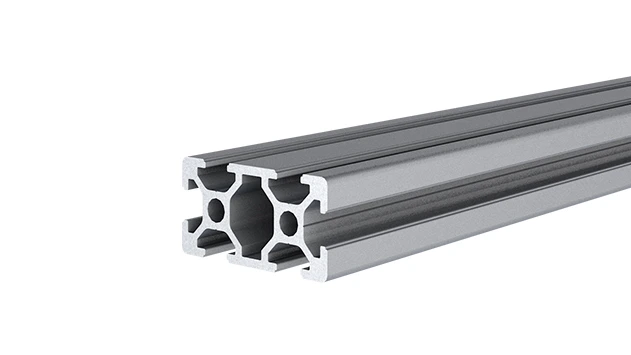
2040 is a 2.00 x 4.00CM fractional 20 series square extrusion T-slot profile with four open T-slots, two side with 2.00cm face, the other side with 4.00cm face. The profile has align-a-grooves to assist in aligning connecting profiles.
Walk into any bustling factory, and you'll feel it immediately—the hum of machinery, the rhythm of production, the quiet pressure to keep things moving. But behind that energy lies a hidden challenge: the environment itself. Humidity hangs thick in the air, chemicals linger on work surfaces, and daily wear and tear test even the sturdiest equipment. For plant managers and maintenance teams, this isn't just background noise—it's a constant battle against corrosion, rust, and breakdowns that can grind operations to a halt. That's where the 2040 EU standard aluminum profile steps in—not just as a material, but as a reliable partner in keeping industrial spaces running smoothly, even when the odds are stacked against them.
The Invisible Enemy: Why Corrosion Haunts Industrial Spaces
Corrosion isn't just a cosmetic issue. In factories, warehouses, and production lines, it's a silent saboteur. Imagine a food processing plant where daily washdowns with caustic cleaners eat away at metal workbenches. Or a chemical facility where spills seep into material racks, weakening their structure over time. Even in automotive workshops, the combination of oil, grease, and humidity can turn steel components into rusted liabilities within months. The cost? Unplanned downtime, expensive replacements, and the stress of never quite knowing when the next failure might strike.
Traditional materials often fall short here. Steel, while strong, succumbs to rust without constant maintenance. Plastic, though resistant to some chemicals, lacks the structural integrity to support heavy loads. What industrial teams need is a material that balances strength, durability, and corrosion resistance—something that can stand up to harsh conditions without demanding constant attention. That's where aluminum extrusion profiles, specifically the 2040 EU standard, begin to shine.
What Makes the 2040 EU Standard Aluminum Profile Different?
Let's start with the basics: aluminum extrusion profile is created by forcing heated aluminum alloy through a die, shaping it into precise cross-sections. This process isn't just about forming shapes—it's about engineering consistency. The 2040 EU standard, named for its 20mm x 40mm dimensions, takes this a step further by adhering to strict European quality guidelines, ensuring uniformity, strength, and compatibility across systems. But what truly sets it apart in harsh environments is its natural resistance to corrosion.
Aluminum is unique in that it forms a thin, protective oxide layer when exposed to air. Unlike iron oxide (rust), which flakes off and exposes fresh metal, this aluminum oxide layer bonds tightly to the surface, acting as a shield against moisture, chemicals, and oxygen. For the 2040 profile, this natural defense is often enhanced through treatments like anodizing—an electrolytic process that thickens the oxide layer, making it even more resistant to wear and corrosion. The result? A material that doesn't just resist damage, but actively defends itself.
Beyond the Basics: Alloy and Design
The 2040 profile isn't just any aluminum—it's typically crafted from 6063 aluminum alloy, a blend known for its excellent extrudability and corrosion resistance. This alloy includes magnesium and silicon, which not only strengthen the material but also enhance its ability to withstand harsh chemicals, from industrial solvents to acidic cleaners. Add to that the profile's sleek, T-slot design, which minimizes crevices where moisture or debris could accumulate, and you have a material engineered to thrive where others falter.

A Comparison: 2040 Aluminum vs. Traditional Materials
To truly understand the value of the 2040 EU standard aluminum profile, let's put it head-to-head with common alternatives. The table below breaks down how it stacks up against carbon steel and plastic in key areas relevant to harsh industrial environments:
| Feature | 2040 EU Standard Aluminum Profile | Carbon Steel (Untreated) | Plastic (PVC/Polypropylene) |
|---|---|---|---|
| Corrosion Resistance | Excellent (natural oxide layer + anodizing options) | Poor (prone to rust without coatings) | Good (resistant to many chemicals, but degrades in UV light/extreme temps) |
| Weight | Lightweight (1/3 the weight of steel) | Heavy (increases installation/transport costs) | Light, but less rigid |
| Strength-to-Weight Ratio | High (supports heavy loads without excess weight) | High, but at the cost of weight | Low (bends under heavy or repeated loads) |
| Long-Term Durability | 20+ years (minimal maintenance required) | 5-10 years (with regular coating/replacement) | 5-8 years (prone to cracking/brittleness over time) |
| Maintenance Needs | Low (occasional cleaning; no rust removal) | High (regular painting, rust treatment) | Moderate (may need replacement due to wear) |
The numbers tell a clear story: the 2040 aluminum profile isn't just resistant to corrosion—it's a long-term investment in reliability. For teams tired of replacing rusted steel racks or fixing warped plastic components, this translates to less stress, fewer unexpected costs, and more time focusing on what matters: keeping production on track.
Aluminum Profile Accessories: Completing the Corrosion-Resistant System
A profile is only as strong as the system it's part of, and that's where aluminum profile accessories come into play. The 2040 EU standard isn't a standalone product—it's part of a ecosystem designed to work together seamlessly. From end caps that seal off exposed edges (preventing moisture buildup) to corrosion-resistant connectors and hinges, these accessories ensure the entire structure remains protected, even in the toughest conditions.
Take the 2040 aluminum profile end cap, for example. These simple plastic or rubber caps snap onto the ends of the profile, blocking dust, water, and debris from entering the T-slot. In a humid warehouse, this small detail can prevent internal corrosion and extend the life of the entire system. Similarly, aluminum hinges and brackets, treated to match the profile's corrosion resistance, ensure that moving parts like workbench doors or adjustable shelves don't become weak points over time.
Even the smallest accessories matter. Rubber strips, designed to fit into the T-slot, cushion loads and prevent scratches, while also creating a barrier against spills. Adjustable feet with non-slip, corrosion-resistant bases keep workbenches stable on uneven floors, reducing and wear. Together, these components turn the 2040 profile from a strong material into a complete, resilient system—one that's ready to tackle whatever the industrial environment throws at it.
Real-World Impact: How the 2040 Profile Transforms Lean Systems
Lean manufacturing isn't just about efficiency—it's about creating systems that adapt, endure, and minimize waste. In lean environments, every component must pull its weight, and downtime is the ultimate enemy. That's why the 2040 EU standard aluminum profile has become a staple in lean system design: it aligns perfectly with the principles of durability, flexibility, and long-term value.
Consider a electronics assembly plant that recently switched to 2040 aluminum workbenches and material racks. Previously, their steel workstations required quarterly sanding and repainting to fight rust from the humid air and occasional chemical spills. The constant maintenance disrupted workflows, and the heavy steel racks made it hard to reconfigure lines when production needs changed. After installing 2040 aluminum systems, they saw immediate results: no more rust, no more downtime for painting, and the lighter profiles made reconfiguring workstations a breeze—taking hours instead of days. The plant manager summed it up: "We used to dread maintenance week. Now, we barely think about these workbenches. They just… work."
Another example: a pharmaceutical facility where strict hygiene standards demand frequent cleaning with strong disinfectants. Plastic racks had warped under the harsh chemicals, while steel ones rusted despite protective coatings. The 2040 aluminum profiles, paired with anodized finishes and sealed accessories, proved impervious to the daily washdowns. "It's not just about avoiding rust," the facility's operations lead noted. "It's about peace of mind. When you're dealing with sensitive products, you can't afford to worry if your equipment is compromising safety. The aluminum profiles let us focus on quality, not corrosion."
Why It Matters: More Than Metal—It's About Trust
At the end of the day, the 2040 EU standard aluminum profile isn't just a piece of metal. It's a promise—to plant managers who need to keep production on schedule, to maintenance teams tired of fighting corrosion, and to business owners looking for investments that pay off over time. In industrial environments, where every decision impacts the bottom line and the well-being of the team, trust matters. Trust that the workbench won't collapse under a heavy load. Trust that the material rack won't rust through after a rainy season. Trust that the system will still be standing strong years down the line.
Aluminum extrusion profiles have come a long way, but the 2040 EU standard sets a new bar. It's a testament to how thoughtful engineering can turn a common material into something extraordinary—something that doesn't just meet industrial demands, but exceeds them. So the next time you walk through a factory, take a closer look at the racks, workbenches, and conveyors. If they're built with 2040 aluminum, chances are, the team behind them isn't just working hard—they're working smart, with a material that's as reliable as their dedication.
Conclusion: Investing in Corrosion Resistance, Investing in Peace of Mind
Harsh industrial environments don't have to be a losing battle against corrosion. With the 2040 EU standard aluminum profile, teams gain more than a durable material—they gain freedom from constant maintenance, confidence in their equipment, and the flexibility to adapt as their needs change. From food processing to chemical manufacturing, from lean systems to heavy-duty workbenches, this profile proves that corrosion resistance isn't just a feature—it's a foundation for success.
So, if you're tired of replacing rusted steel, fixing warped plastic, or losing sleep over unexpected equipment failures, it might be time to consider the 2040 EU standard aluminum profile. It's not just an upgrade—it's a long-term commitment to reliability, efficiency, and the kind of peace of mind that only comes from knowing your industrial systems are built to last.