- Company Articles
- Industry articles
- Industry standards
- Corrosion Resistance Features of 2020 EU Standard Aluminum Profile

Corrosion Resistance Features of 2020 EU Standard Aluminum Profile
Related Product
2020 EU Standard Aluminum Profile
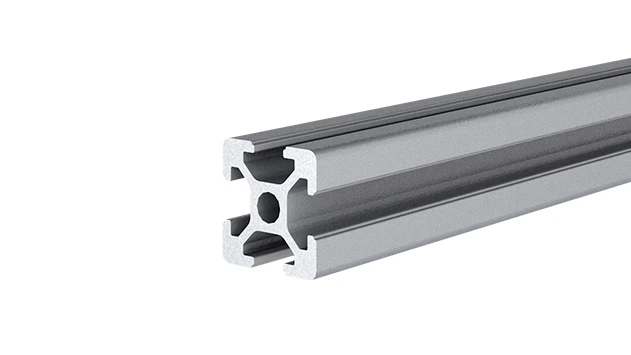
2020 is a 2.00 x 2.00CM fractional 20 series square extrusion T-slot profile with four open T-slots, one on each 2.00 face. The profile has align-a-grooves to assist in aligning connecting profiles.
Let's start with a scenario many factory managers know all too well: You walk through your production floor, and there it is again—a workbench leg dotted with rust, a material rack starting to flake, or a conveyor track showing signs of corrosion. At first, it's easy to ignore. But over time, that rust spreads. It weakens structures, jams moving parts, and even risks contaminating products. Worse, replacing corroded equipment every few years drains your budget and disrupts workflow. What if there was a material that could stand up to the daily grind of industrial environments—moisture, chemicals, and wear—without succumbing to corrosion? Enter the 2020 EU standard aluminum profile.
In this article, we'll dive into why corrosion resistance matters in industrial settings, how the 2020 EU standard aluminum profile is engineered to fight rust and decay, and the role of accessories like aluminum profile end caps and rubber strips in boosting its longevity. Whether you're running a food processing plant, an automotive workshop, or a coastal manufacturing facility, understanding this profile's corrosion-resistant features could save you time, money, and headaches down the line.
Why Corrosion Resistance Isn't Just a "Nice-to-Have"—It's a Necessity
Corrosion is often called the "silent enemy" of industrial equipment. It doesn't happen overnight, but its effects compound silently until suddenly, a workbench collapses, a conveyor jams, or a material rack gives way. The costs add up: According to the World Corrosion Organization, industries lose an estimated 3-4% of global GDP to corrosion-related failures. For a mid-sized factory, that could mean tens of thousands of dollars annually in replacement parts, downtime, and safety repairs.
Consider the environments where industrial equipment lives: High humidity in food processing plants, salt-laden air in coastal facilities, caustic chemicals in pharmaceutical labs, or constant moisture in automotive wash bays. In these spaces, traditional materials like mild steel or untreated aluminum stand little chance. Even stainless steel, while durable, comes with a premium price tag and added weight that can complicate installation and mobility.
This is where the 2020 EU standard aluminum profile shines. Designed to meet strict European union standards for material quality and performance, it's built from the ground up to resist corrosion—making it a reliable choice for environments where durability isn't optional.
The Science Behind the 2020 EU Standard Aluminum Profile's Corrosion Resistance
At its core, the 2020 EU standard aluminum profile owes its corrosion resistance to two key factors: its alloy composition and advanced surface treatments. Let's break them down.
Alloy Composition: More Than Just Aluminum
Not all aluminum is created equal. The 2020 EU profile is typically crafted from 6063-T5 aluminum alloy, a blend celebrated for its balance of strength, workability, and corrosion resistance. What makes this alloy special? It contains magnesium (0.45-0.9%) and silicon (0.2-0.6%), which form intermetallic compounds that strengthen the material without compromising its ability to resist rust. Unlike alloys with high copper content (which can cause intergranular corrosion), 6063-T5 is formulated to avoid such weaknesses, ensuring uniform protection across the entire profile.
But aluminum's natural defense mechanism is its best starting point: When exposed to oxygen, it forms a thin, invisible layer of aluminum oxide (Al₂O₃) on its surface. This layer acts as a barrier, preventing further oxidation (the chemical reaction that causes rust). The 2020 EU standard takes this a step further by ensuring the alloy's purity—strict EU regulations limit impurities like iron and zinc, which can disrupt the oxide layer and create weak points for corrosion.
Surface Treatments: Adding Armor to the Alloy
While aluminum's natural oxide layer is effective, industrial environments demand extra protection. That's where surface treatments come in. The 2020 EU standard aluminum profile is commonly treated with one or more of the following processes to enhance its corrosion resistance:
- Anodizing: This electrolytic process thickens the natural oxide layer on the aluminum's surface, making it more durable and resistant to wear. Anodized layers can range from 5 to 25 microns thick (for comparison, a human hair is about 50 microns). The result? A hard, porous surface that can be dyed for aesthetics but, more importantly, acts as a shield against moisture and chemicals. Anodized 2020 profiles are particularly popular in marine or outdoor settings, where saltwater and rain would quickly degrade untreated aluminum.
- Powder Coating: For indoor environments or facilities where color consistency matters, powder coating is a go-to. This process involves electrostatically applying a dry powder (typically polyester or epoxy) to the profile, then curing it under heat to form a hard, smooth finish. Powder coating resists chipping, scratching, and fading, and its seamless coverage leaves no gaps for moisture to seep in. It's also cost-effective, making it ideal for large-scale installations like workbenches or material racks.
- Chemical Conversion Coatings: Often used as a pre-treatment before painting or powder coating, these coatings (like chromate or phosphate) convert the aluminum's surface into a protective film that improves adhesion and corrosion resistance. While not as durable as anodizing on its own, they add an extra layer of defense when paired with other treatments.
| Surface Treatment | Corrosion Resistance (1-5) | Durability (Years) | Cost (Low/Medium/High) | Best For |
|---|---|---|---|---|
| Anodizing | 5 | 15-20 | Medium | Marine environments, coastal facilities |
| Powder Coating | 4 | 10-15 | Low | Indoor manufacturing, automotive workshops |
| Chemical Conversion | 3 | 5-8 | Low | Pre-treatment for painting/powder coating |
| Electroplating | 4 | 8-12 | High | Decorative applications, low-wear areas |

Accessories That Boost Corrosion Resistance: It's the Little Things That Count
A profile is only as strong as its weakest link. Even the most corrosion-resistant aluminum can fail if its accessories—like end caps, joints, or rubber strips—don't hold up. The 2020 EU standard doesn't just focus on the profile itself; it extends to the aluminum profile accessories designed to work with it, creating a system that resists corrosion from every angle.
Aluminum Profile End Caps: Sealing the Deal Against Moisture
Hollow aluminum profiles are lightweight and easy to assemble, but their open ends are a prime entry point for moisture, dust, and chemicals. That's where aluminum profile end caps come in. These small, often-overlooked accessories snap or screw into the ends of the profile, creating a tight seal that blocks debris and liquids from entering the hollow core. Made from durable plastics (like polypropylene) or corrosion-resistant aluminum, end caps prevent internal corrosion that would otherwise weaken the profile from the inside out.
In food processing plants, for example, daily washdowns with high-pressure hoses and sanitizing chemicals are routine. Without end caps, water and cleaning agents would seep into the profile's ends, causing hidden rust or mold growth. With end caps in place, the profile remains dry and intact, even after years of heavy use.
Aluminum Profile Rubber Strip: Gaps? Not Anymore
When profiles are joined together—say, to build a workbench or a conveyor frame—small gaps can form between them. These gaps are perfect for moisture, dust, or even pests to accumulate. Aluminum profile rubber strips solve this problem. Made from EPDM (ethylene propylene diene monomer) or silicone, these flexible strips fit into the T-slots of the 2020 profile, creating a watertight seal between connected components. They also dampen vibration, reduce noise, and prevent metal-on-metal contact that could scratch surface treatments (and expose the aluminum to corrosion).
In pharmaceutical labs, where sterility is critical, rubber strips aren't just about corrosion resistance—they're about preventing bacterial growth in hard-to-clean gaps. Similarly, in automotive plants, where oil and grease are everywhere, these strips keep contaminants from seeping into joints and weakening the structure.
Corrosion-Resistant Joints and Connectors
Even the strongest profile will fail if its connectors rust. That's why 2020 EU standard systems use joints and brackets made from materials like powder-coated steel, stainless steel, or aluminum itself. These components are designed to match the profile's corrosion resistance, ensuring the entire structure—from the main tubes to the smallest brackets—can stand up to harsh environments.
Real-World Performance: How 2020 EU Profiles Hold Up in Tough Environments
Numbers and specs are one thing, but how does the 2020 EU standard aluminum profile perform when put to the test? Let's look at two case studies from industries where corrosion is a constant threat.
Case Study 1: Automotive Parts Manufacturer, Germany
A mid-sized automotive parts factory in Bavaria was struggling with frequent workbench replacements. Their old mild steel workbenches, even with a basic paint coating, rusted within 18-24 months, especially in the humid, oil-rich environment of their assembly line. The factory manager estimated they were spending €25,000 annually on new workbenches and repairs.
In 2019, they switched to 2020 EU standard aluminum profiles with anodized finishes, paired with aluminum profile end caps and rubber strips. Five years later, the results are striking: The workbenches show no visible signs of corrosion, and only a handful of rubber strips have needed replacement (at a cost of €300 total). Downtime due to equipment failure has dropped by 70%, and the factory has redirected the saved funds into employee training and new machinery.
Case Study 2: Seafood Processing Plant, Spain
A seafood processor in Galicia faces a triple threat: High humidity from constant ice use, saltwater spray from daily fish deliveries, and aggressive sanitizing chemicals to meet food safety standards. Their previous stainless steel material racks were durable but heavy and expensive—each rack cost €800 and required two workers to move.
In 2021, they installed 2020 EU aluminum profiles with powder coating, end caps, and EPDM rubber strips. The new racks are 40% lighter (one worker can move them), cost €350 each, and after three years, show no rust or degradation. Even in the salty, damp air, the powder coating remains intact, and the end caps have prevented water from seeping into the profile cores. The plant now plans to replace all remaining stainless steel racks with 2020 aluminum systems.
Maintaining Your 2020 EU Profile: Simple Steps to Extend Its Life
Even the most corrosion-resistant materials need a little care to stay in top shape. Here are some easy maintenance tips to keep your 2020 EU standard aluminum profile performing for decades:
- Clean Regularly: Wipe down profiles with a soft cloth and mild soap (avoid abrasive cleaners or steel wool, which can scratch anodized or powder-coated surfaces). For stubborn grime, use a plastic scrub brush—never metal.
- Inspect Accessories: Check end caps for cracks or looseness (replace them if they no longer seal tightly) and rubber strips for wear (swap them out every 3-5 years, or sooner if they're brittle or torn).
- Rinse After Chemical Exposure: If profiles come into contact with harsh chemicals (like acids or alkalis), rinse immediately with water to neutralize the substance and prevent it from eating through the surface treatment.
- Touch Up Scratches: For minor scratches in powder coating, use a matching touch-up paint pen to seal the area and prevent corrosion from starting. Anodized surfaces can be treated with a clear acrylic sealant to protect exposed areas.
2020 EU Profile vs. the Competition: Why It Stands Out
How does the 2020 EU standard aluminum profile stack up against other materials commonly used in industrial settings?
vs. Stainless Steel: Lighter, More Affordable, and Sufficient for Most Needs
Stainless steel is often hailed as the gold standard for corrosion resistance, and it's true—grades like 316 stainless can withstand saltwater and extreme chemicals better than aluminum. But stainless steel is also 30% heavier than aluminum, making it harder to transport and install. It's also significantly more expensive: A 20x20mm stainless steel profile costs roughly 2-3x more than the same size 2020 aluminum profile. For most industrial environments (think factories, warehouses, or workshops), the 2020 aluminum profile with anodizing or powder coating offers enough corrosion resistance at a fraction of the cost and weight.
vs. Non-EU Standard Aluminum Profiles: Consistency Matters
Not all aluminum profiles are created equal. Non-EU standard profiles may cut corners on alloy purity, surface treatment thickness, or accessory quality. For example, a low-quality aluminum profile might use a cheaper alloy with higher iron content, which is prone to pitting corrosion. Or its anodized layer might be only 2-3 microns thick, instead of the 10+ microns required by EU standards. The result? Premature failure, even in mild environments. The 2020 EU standard ensures consistent quality control, so you know exactly what you're getting—and that it will perform as promised.
vs. Mild Steel: A No-Contest for Corrosion Resistance
Mild steel is cheap and strong, but it's a disaster in humid or chemical-rich environments. Without constant repainting or galvanizing, it rusts quickly, weakening structures and creating safety hazards. The 2020 aluminum profile, even with basic powder coating, will outlast mild steel by 5-10x in most industrial settings—making it a smarter long-term investment, despite the higher upfront cost.
Conclusion: Invest in Durability—Your Bottom Line Will Thank You
The 2020 EU standard aluminum profile isn't just another building material. It's a solution to the hidden costs of corrosion—costs that eat into your budget, disrupt your workflow, and compromise safety. By combining a corrosion-resistant alloy, advanced surface treatments, and thoughtful accessories like aluminum profile end caps and rubber strips, it's built to last in the toughest industrial environments.
Whether you're running a food processing plant, an automotive workshop, or a coastal factory, this profile offers a rare combination of strength, lightness, and durability. It's an investment that pays off in fewer replacements, lower maintenance costs, and greater peace of mind. So the next time you're shopping for workbenches, material racks, or conveyor systems, ask yourself: Is the cheapest option today really worth the headaches tomorrow? With the 2020 EU standard aluminum profile, the answer is clear.
In the end, corrosion resistance isn't just about metal—it's about reliability. And when your equipment is reliable, your business can focus on what it does best: growing, innovating, and thriving.