- Company Articles
- Industry articles
- Industry standards
- Corrugated Aluminum Pipe Dimensions: Standard Sizes for Industrial Use

Corrugated Aluminum Pipe Dimensions: Standard Sizes for Industrial Use
Related Product
Corrugated Aluminum Pipe
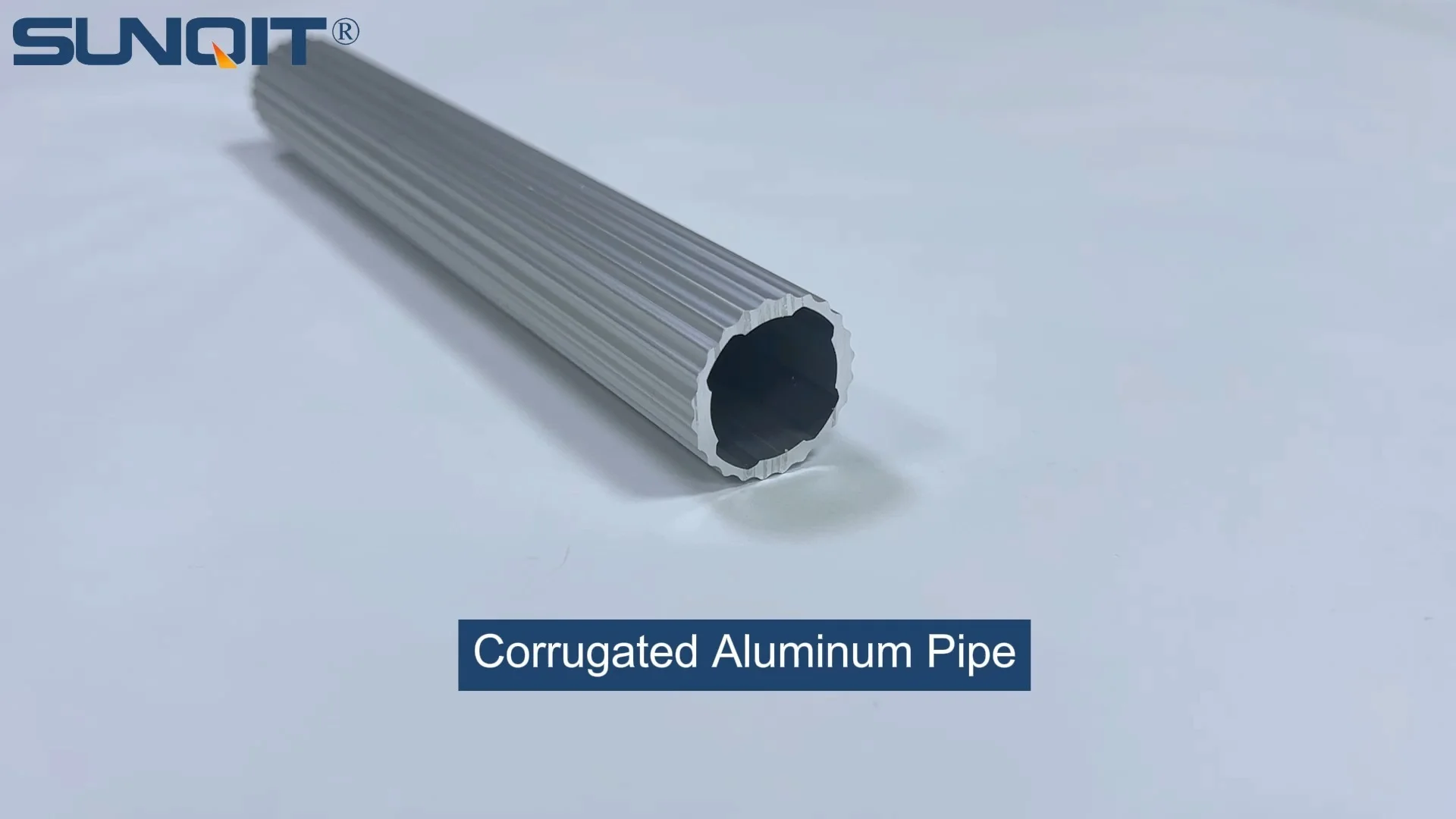
Product Description The slot side is 10mm which can work with a T sliding block for connection accessories Quick Detail Product name Corrugated Aluminum pipe model GLT28-T-3010A Material Science 6005-T6 thickness 1.7mm surface treatment anodic oxidat
In the bustling world of industrial operations—where every second counts and efficiency is the backbone of productivity— components often play the most critical roles. Take, for instance, the corrugated aluminum pipe. Sleek, lightweight, and surprisingly robust, this unassuming tool has quietly become a cornerstone of modern manufacturing, logistics, and material handling. But what makes it so indispensable? A big part of the answer lies in its dimensions. The right size isn't just a detail; it's the difference between a wobbly workbench that slows down production and a sturdy, seamless system that keeps your team moving. In this article, we'll dive into the standard sizes of corrugated aluminum pipes, why they matter, and how to choose the perfect fit for your industrial needs—with a nod to the accessories and systems that make these pipes truly shine.
What Are Corrugated Aluminum Pipes, Anyway?
Before we get into dimensions, let's make sure we're all on the same page: What exactly is a corrugated aluminum pipe? Picture a regular aluminum pipe, then imagine it with a series of ridges and grooves running along its length—that's the "corrugation." These waves aren't just for show. They're engineering genius. By adding these folds, manufacturers boost the pipe's strength without piling on extra weight. Aluminum, already known for its impressive strength-to-weight ratio, becomes even more versatile with this design. The corrugations act like tiny reinforcements, allowing the pipe to bend slightly under pressure without cracking, while still supporting heavy loads.
You'll often hear these pipes referred to in the context of "aluminum lean pipe" systems. Lean manufacturing—all about minimizing waste and maximizing flow—relies on tools that are flexible, reusable, and easy to reconfigure. Corrugated aluminum pipes fit the bill perfectly. They're lightweight enough to move when production lines change, durable enough to withstand daily wear, and corrosion-resistant, making them ideal for factories, warehouses, and even cleanrooms where moisture or chemicals might be present.
Key Features That Shape Dimensions
Why do corrugated aluminum pipes come in specific sizes? It all boils down to their core features, which directly influence how they're used. Let's break down the big ones:
- Strength & Flexibility: The corrugated design lets pipes absorb shocks (like a heavy box sliding onto a rack) without deforming. Thicker walls or larger diameters this strength, but there's a balance—too thick, and the pipe becomes, defeating the "lean" purpose.
- Lightweight Nature: Aluminum is about a third the weight of steel, so even larger corrugated pipes are easier to handle during installation. This affects length standards—longer pipes (like 4m or 6m) are common because they're still manageable to transport and assemble.
- Corrosion Resistance: Aluminum naturally forms a protective oxide layer, but corrugations can trap moisture if not sized properly. Standard dimensions often include wall thicknesses that prevent water buildup, ensuring longevity in humid environments.
- Compatibility with Systems: These pipes rarely work alone. They connect to joints, clamps, and brackets (more on that later) to form workbenches, racks, or conveyors. So their sizes must align with industry-standard accessories to ensure a snug, secure fit.

Standard Sizes: A Closer Look
Now, the main event: standard dimensions. While manufacturers might offer custom sizes for unique projects, most industrial applications stick to a few tried-and-true measurements. These standards ensure consistency—so a pipe bought from one supplier will fit seamlessly with an aluminum pipe accessory from another. Let's break down the most common options by outer diameter (OD), wall thickness, and length.
Outer Diameter (OD): The "Size" You'll See Most
Outer diameter is the first number you'll notice when shopping for corrugated aluminum pipes. It's the distance across the pipe's widest point, including the corrugations. Here are the most popular ODs in industrial use:
| Outer Diameter (mm) | Typical Wall Thickness (mm) | Inner Diameter (Approx., mm)* | Common Lengths (m) | Best For |
|---|---|---|---|---|
| 16mm | 0.8 – 1.0 | 14.4 – 15.2 | 3, 4 | Lightweight frames, small workbenches, electronics assembly lines |
| 20mm | 1.0 – 1.2 | 17.6 – 18.0 | 3, 4, 6 | ESD workstations, tool holders, small material racks |
| 25mm | 1.2 – 1.5 | 22.0 – 22.6 | 3, 4, 6 | Medium-duty racks, conveyor rails, turnover trolleys |
| 32mm | 1.5 – 2.0 | 28.0 – 29.0 | 4, 6 | Heavy-duty workbenches, roller tracks, assembly line supports |
| 40mm | 2.0 – 2.5 | 35.0 – 36.0 | 4, 6 | Structural supports, large material racks, industrial shelving |
*Inner diameter is approximate because corrugations can slightly vary the inner surface. Always check with your supplier for exact measurements.
Wall Thickness: The Hidden Strength Factor
If outer diameter is the pipe's "width," wall thickness is its "muscle." Measured in millimeters, it's the distance from the outer edge of the corrugation to the inner wall. Thicker walls mean more strength, but they also add weight and cost. For example, a 25mm pipe with a 1.2mm wall is great for holding lightweight bins, but if you're stacking heavy metal parts, you'll want the 1.5mm version. Most suppliers list thickness as a range (e.g., 1.0 – 1.2mm) to account for slight manufacturing variations.
Length: Keeping It Practical
Corrugated aluminum pipes are typically sold in standard lengths: 3m, 4m, or 6m. Why these numbers? They're easy to transport (a 6m pipe fits in most delivery trucks without extra fees) and simple to cut down to size on-site. If you need a 1.5m section for a workbench leg, just grab a 3m pipe and slice it in half—no need to order custom lengths unless you're working on a massive project.
Why Standard Sizes Exist (And Why You Should Care)
You might be wondering: Why not just make pipes in any size? The answer is simple: compatibility. Imagine ordering a 22mm pipe, only to find that all your aluminum pipe accessories—joints, clamps, even the holes in your workbench frames—are designed for 20mm or 25mm. Suddenly, you're stuck with a pipe that won't fit, delaying your project and wasting money. Standard sizes eliminate that headache.
These standards are set by industry bodies and years of real-world testing. For example, the 20mm and 25mm sizes became popular because they strike the perfect balance between strength and flexibility for most lean systems. They're small enough to build compact workstations but strong enough to support tools, parts, and even human weight (for standing workbenches). Suppliers also love standardization—it streamlines production, keeps costs down, and ensures they can stock what customers actually need.
Matching Pipes to Your Project: A Quick Guide
So, how do you pick the right size for your job? Let's walk through a few common scenarios:
Scenario 1: You're Building a Lightweight Assembly Workbench
If you're putting together a workbench for small electronics (think: phone repair or circuit board assembly), you don't need a pipe that can support a car. A 20mm OD pipe with a 1.0mm wall thickness should do the trick. It's lightweight enough to move if you rearrange your line, and it pairs perfectly with standard aluminum lean pipe joints for easy assembly. Add a few clamps to hold tools, and you're good to go.
Scenario 2: You Need a Material Rack for Heavy Parts
Suppose you're storing metal castings or engine components—items that can weigh 20kg or more per bin. Here, you'll want something sturdier: 32mm OD with a 1.5mm wall. The extra diameter and thickness distribute weight evenly, preventing the rack from sagging over time. Pair it with heavy-duty aluminum pipe accessories like reinforced brackets, and your rack will stand up to daily use.
Scenario 3: You're Setting Up a Conveyor System
Conveyors need pipes that can handle constant motion and vibration. For roller tracks or side rails, 25mm OD with a 1.2mm wall is a sweet spot. It's rigid enough to keep products moving straight but flexible enough to absorb minor bumps. Plus, its size is compatible with most roller track connectors, so you can link sections together without gaps.
Aluminum Pipe Accessories: The Unsung Heroes
A corrugated aluminum pipe is only as good as the accessories that hold it together. Nuts, bolts, and zip ties might work in a pinch, but for industrial-grade reliability, you need purpose-built aluminum pipe accessories. These include:
- Joints: These connect two or more pipes at angles (90°, 45°, etc.). A 20mm pipe needs a 20mm joint—no exceptions. Look for "internal rotary aluminum joints" if you need the pipe to swivel slightly.
- Clamps: Used to attach pipes to walls, tables, or other structures. They come in sizes matching pipe ODs, with rubber liners to prevent slipping.
- End Caps: Simple but essential. These cover the ends of pipes to prevent sharp edges (a safety must!) and keep dust or debris from getting inside.
- Flanges: For mounting pipes vertically (like table legs) or horizontally (like shelf supports). They bolt directly to floors or work surfaces.
The key takeaway? Always buy accessories that match your pipe's outer diameter. A 25mm joint won't grip a 20mm pipe, and vice versa. Most suppliers sell accessory kits bundled by pipe size, which takes the guesswork out of shopping.
Corrugated Aluminum vs. Other Pipes: Why Aluminum Wins
You might be thinking, "Why not use stainless steel or plastic instead?" Let's compare. Stainless steel pipes are strong, but they're heavy—imagine moving a 6m stainless steel pipe by yourself! They also cost more, which adds up for large projects. Plastic pipes are lightweight but lack the strength of aluminum; they'll warp under heat or heavy loads. Corrugated aluminum hits the sweet spot: lightweight, strong, corrosion-resistant, and affordable. It's no wonder it's the go-to for lean systems and modern industrial setups.
Maintenance: Keeping Your Pipes in Top Shape
Once you've chosen the right size and installed your corrugated aluminum pipes, a little maintenance goes a long way. Here's how to keep them working like new:
- Clean Regularly: Wipe down pipes with a damp cloth to remove dust and grime. For greasy environments (like automotive shops), use mild soap and water—avoid harsh chemicals that can damage the aluminum's protective layer.
- Check for Dents: Corrugations hide small dents, but big ones can weaken the pipe. If you notice a major bend, replace that section to prevent failure.
- Tighten Accessories: Over time, joints and clamps can loosen from vibration. Give them a quick twist with a wrench every few months to keep everything secure.
- Protect from Extreme Heat: Aluminum can warp at very high temperatures (over 200°C). Keep pipes away from ovens, furnaces, or direct sunlight in hot climates if possible.
Final Thoughts: Size Matters, but So Does Smart Choices
Corrugated aluminum pipes might not be the flashiest tools in your industrial toolkit, but their dimensions are the foundation of efficient, reliable systems. From 16mm pipes holding circuit boards to 40mm pipes supporting heavy machinery, the right size ensures your operation runs smoothly, safely, and cost-effectively. And when paired with the right aluminum pipe accessories, these pipes transform from simple tubes into the backbone of your lean manufacturing success.
So, the next time you're planning a workbench, rack, or conveyor, take a moment to think about dimensions. Ask: What's the maximum weight this pipe will carry? How will it connect to other components? Do I need it to be lightweight or ultra-strong? By answering these questions, you'll pick a pipe that doesn't just fit your project—it elevates it. After all, in industry, the smallest details often lead to the biggest wins.