- Company Articles
- Industry articles
- Industry News
- Corrugated Aluminum Pipe Environmental Impact: Reducing Carbon Footprint

Corrugated Aluminum Pipe Environmental Impact: Reducing Carbon Footprint
Related Product
Corrugated Aluminum Pipe
Product Description The slot side is 10mm which can work with a T sliding block for connection accessories Quick Detail Product name Corrugated Aluminum pipe model GLT28-T-3010A Material Science 6005-T6 thickness 1.7mm surface treatment anodic oxidat
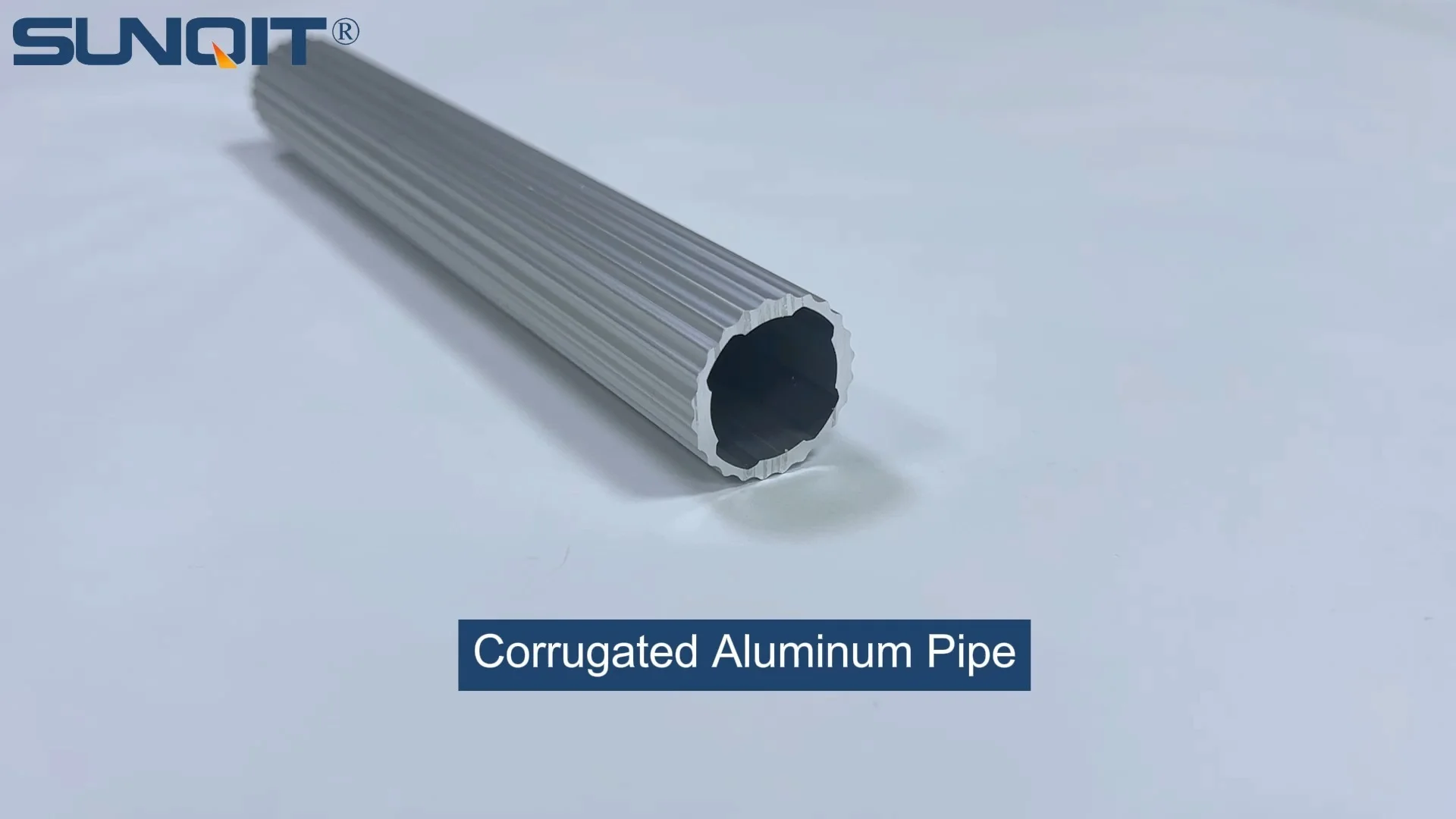
In an era where every industry is under pressure to shrink its environmental footprint, the materials we choose for manufacturing, construction, and logistics play a pivotal role. From the pipes that carry fluids in factories to the structures that support assembly lines, each component contributes to a company's carbon legacy. Today, we're shining a spotlight on a material that's quietly revolutionizing sustainability in industrial settings: corrugated aluminum pipe. More than just a functional tool, it's a bridge between efficiency and eco-consciousness, proving that progress doesn't have to come at the planet's expense. Let's dive into how this unassuming material is helping businesses cut emissions, reduce waste, and build a greener future—one corrugated section at a time.
The Carbon Footprint Challenge in Industrial Materials
Before we explore the benefits of corrugated aluminum pipe, it's crucial to understand the problem it's solving. Traditional industrial materials like steel and PVC have long dominated factories, warehouses, and construction sites. While they're durable, their environmental costs are steep. Steel production, for example, is energy-intensive, relying heavily on coal-fired furnaces that release massive amounts of CO2. PVC, a common plastic pipe material, is derived from petroleum—a non-renewable resource—and its manufacturing process emits toxic chemicals like dioxins. Worse, once these materials reach the end of their lifespan, they often end up in landfills: steel rusts, PVC degrades slowly, and neither is easily recyclable without significant energy input.
The numbers tell a stark story. According to the World Steel Association, the steel industry accounts for about 7% of global greenhouse gas emissions. For PVC, the Environmental Protection Agency (EPA) estimates that producing one ton of PVC generates 1.8 tons of CO2 equivalents. When you multiply that by the millions of tons used annually in industrial applications, the impact is undeniable. Add to this the fact that many traditional pipes require frequent replacement due to corrosion, wear, or damage, and you've got a cycle of waste and emissions that's hard to break. It's clear: to reduce our carbon footprint, we need materials that are not only strong and versatile but also designed with the planet in mind.
Corrugated Aluminum Pipe: A Sustainable Alternative
Enter corrugated aluminum pipe—a material that checks all the boxes for modern, eco-friendly industrial needs. At first glance, it might look similar to other pipes, but its corrugated design (those alternating ridges and grooves along its length) is where the magic happens. This structure gives it exceptional strength without adding unnecessary weight, making it ideal for everything from conveyor systems to material racks. But strength is just the beginning; aluminum itself is a sustainability powerhouse. Unlike steel or PVC, aluminum is 100% recyclable, and recycling it uses just 5% of the energy required to produce new aluminum from raw bauxite ore. That's a 95% energy savings—equivalent to taking 40 cars off the road for a year for every ton of recycled aluminum.
Corrugated aluminum pipe takes this a step further. Its lightweight nature reduces transportation emissions: a truck can carry more aluminum pipes than steel ones, meaning fewer trips and less fuel burned. The corrugated design also enhances durability, resisting corrosion, dents, and wear far better than many traditional materials. This longevity translates to fewer replacements, cutting down on the resources needed to manufacture and install new pipes over time. For businesses, this isn't just good for the planet—it's good for the bottom line. Reduced replacement costs, lower energy bills from lighter transportation, and the ability to recycle old pipes for cash or credit all add up to a compelling business case.
But don't just take our word for it. Let's look at a real-world example: a mid-sized automotive parts manufacturer in Michigan recently switched from steel pipes to corrugated aluminum pipe for their assembly line racks. Within a year, they reported a 12% reduction in transportation costs for materials, a 20% drop in rack replacement frequency, and the ability to recycle their old steel pipes for $2,500 in scrap value. "We didn't just go green—we got smarter," said their operations manager. "The aluminum pipes are lighter, easier to move, and we don't have to worry about rust eating through them in the humid factory air. It's a win-win."

Manufacturing Process: Lower Emissions with Aluminum Extrusion Profile
The sustainability of corrugated aluminum pipe starts long before it reaches a factory floor—it's baked into its manufacturing process. Most aluminum pipes, including corrugated ones, are made using aluminum extrusion profile technology. Extrusion is a process where heated aluminum billets are pushed through a die (a custom-shaped tool) to create long, uniform profiles. Think of it like squeezing toothpaste through a tube, but with metal. This method is far more energy-efficient than the smelting required for steel or the polymerization needed for PVC.
Why is extrusion so green? For starters, it produces minimal waste. The die ensures that the aluminum is shaped precisely, so there's little to no excess material to discard. Any scraps generated during extrusion can be melted down and reused immediately, often in the same production run. Compare that to steel manufacturing, where cutting and shaping often leave behind 10-15% waste, or PVC production, which generates toxic byproducts that require careful (and costly) disposal. Extrusion also uses electricity, which, as the grid shifts to renewable sources, becomes increasingly low-carbon. Many aluminum extrusion facilities now run on solar or wind power, further slashing their emissions.
The corrugated design itself is a product of smart engineering during extrusion. By adding ridges to the pipe's surface, manufacturers increase its structural integrity without increasing its weight or thickness. This means less aluminum is needed to achieve the same strength as a solid pipe, reducing both material usage and energy consumption during production. It's a perfect example of how design innovation can drive sustainability—proving that sometimes, less really is more.
Longevity and Recyclability: Closing the Loop
One of the most powerful arguments for corrugated aluminum pipe is its lifecycle. Unlike steel, which rusts when exposed to moisture, or PVC, which becomes brittle over time, aluminum is naturally resistant to corrosion. Its surface forms a thin, protective oxide layer when exposed to air, preventing further degradation. This means corrugated aluminum pipes can last for decades in harsh industrial environments—think humid factories, outdoor storage yards, or areas with chemical exposure. A typical steel pipe might need replacement every 10-15 years; an aluminum one can easily double that lifespan, even in tough conditions.
When the day finally comes to retire a corrugated aluminum pipe, it doesn't become waste—it becomes a resource. Aluminum is infinitely recyclable, meaning it can be melted down and reshaped into new pipes, aluminum extrusion profile components, or even consumer goods like cans or car parts, without losing any of its quality. This "closed-loop" recycling is a game-changer. According to the Aluminum Association, nearly 75% of all aluminum ever produced is still in use today. That's a stat that should make every sustainability manager smile. For businesses, this recyclability adds a financial incentive: old pipes can be sold to recycling centers, offsetting the cost of new installations. It's a circular economy in action—one where the end of a product's life is just the beginning of something new.
Integration with Lean Systems: Efficiency Meets Sustainability
Sustainability isn't just about the materials themselves—it's about how they fit into broader operational practices. That's where lean system principles come into play. Lean systems focus on minimizing waste, optimizing workflows, and maximizing value—goals that align perfectly with sustainability. Corrugated aluminum pipe is a natural fit for lean environments, thanks to its flexibility, modularity, and lightweight design.
In a lean system, adaptability is key. Factories and warehouses are constantly evolving, with production lines reconfigured, new processes added, and space optimized. Traditional steel structures are heavy and fixed, making changes time-consuming and costly. Corrugated aluminum pipe, however, is easy to assemble, disassemble, and reconfigure. Paired with aluminum profile accessories like joints, clamps, and brackets, it can be quickly modified to fit new layouts or needs. This means less downtime during retooling, fewer resources wasted on custom-built structures, and a workspace that can evolve with your business—all while keeping emissions low.
Take material handling, for example. A lean warehouse relies on efficient movement of goods, often using flow racks or conveyors made from pipes. Corrugated aluminum pipe's lightweight nature makes these systems easier to install and adjust, reducing the need for heavy machinery during setup. Its smooth surface also minimizes friction, allowing products to flow more freely with less energy input—whether that's gravity-fed roller tracks or motorized conveyors. The result? A leaner, more efficient operation that uses less energy and generates less waste. It's sustainability by design: when your tools work with your processes, rather than against them, everyone wins—including the planet.
Aluminum Profile Accessories: Enhancing Sustainability
No pipe is an island, and corrugated aluminum pipe's sustainability story wouldn't be complete without mentioning its sidekicks: aluminum profile accessories. These small but mighty components—joints, brackets, clamps, and guides—are the glue that holds lean systems together, and they're just as eco-friendly as the pipes themselves. Made from the same recyclable aluminum as the pipes, they're designed for durability and reusability, ensuring that the entire system, not just individual parts, contributes to a lower carbon footprint.
Consider the humble joint. Traditional steel joints are often welded or bolted in place, making them hard to remove or reuse. Aluminum profile accessories, by contrast, are typically modular, using friction-fit or quick-release mechanisms that allow for tool-free assembly. This means when a production line is reconfigured, the joints can be unscrewed, moved, and reused elsewhere—no waste, no need to buy new parts. Even better, many accessories are made from recycled aluminum, closing the loop even further. A study by the European Aluminum Association found that using recycled aluminum in accessories reduces their carbon footprint by up to 90% compared to virgin aluminum—proof that every component counts.
Another example is aluminum guide rails, which help direct materials along conveyor systems. Unlike plastic guides, which wear out quickly and end up in landfills, aluminum guide rails are scratch-resistant and long-lasting. They can also be recycled alongside the pipes they support, ensuring that even the smallest parts don't become environmental liabilities. It's this attention to detail—designing every piece with sustainability in mind—that makes corrugated aluminum pipe systems stand out. They're not just a collection of parts; they're a holistic approach to eco-friendly industrial design.
Comparing the Impact: A Look at the Numbers
To truly appreciate the difference corrugated aluminum pipe makes, let's put it head-to-head with traditional materials. The table below compares the carbon footprint, recyclability, lifespan, and maintenance requirements of corrugated aluminum pipe, steel pipe, and PVC pipe—three common industrial options.
| Material | Carbon Footprint (kg CO2 per kg produced) | Recyclability Rate | Average Lifespan (Industrial Use) | Maintenance Requirements |
|---|---|---|---|---|
| Corrugated Aluminum Pipe | 2.0 (recycled aluminum); 16.0 (virgin aluminum) | 100% (infinitely recyclable) | 25-30 years | Minimal: Resistant to corrosion; no painting or coating needed |
| Steel Pipe | 1.8-2.2 (depending on production method) | 60-70% (recyclable, but high energy input required) | 10-15 years | High: Prone to rust; requires regular painting/coating; potential for leaks |
| PVC Pipe | 1.8 (CO2 equivalents) | <5% (rarely recycled; degrades slowly in landfills) | 15-20 years | Moderate: Susceptible to UV damage; can become brittle in cold temperatures; chemical resistance varies |
The table speaks volumes. Even when using virgin aluminum, corrugated aluminum pipe has a comparable carbon footprint to steel, but its lifespan is twice as long—meaning lower emissions per year of use. When using recycled aluminum (the norm for most industrial applications), its carbon footprint drops to just 2.0 kg CO2 per kg—far lower than steel or PVC. Add in 100% recyclability and minimal maintenance, and it's clear: corrugated aluminum pipe isn't just a sustainable choice; it's the smart choice.
Real-World Applications: From Factories to Warehouses
Theory is one thing, but real-world impact is what matters. Let's look at how corrugated aluminum pipe is making a difference across industries. Take the automotive sector, for example—a industry known for its high production volumes and strict efficiency standards. A leading car manufacturer in Europe recently replaced all steel material racks in one of its plants with corrugated aluminum pipe systems. The results were impressive: the new racks were 40% lighter, reducing the energy needed to move them with forklifts by 25%. Over two years, the plant saw a 15% drop in its overall carbon emissions, and when the racks needed to be reconfigured for a new model line, the aluminum components were disassembled and reused, saving $50,000 in new material costs.
In the logistics industry, a major e-commerce warehouse in the U.S. switched to corrugated aluminum pipe for its conveyor systems. The lightweight pipes reduced the strain on motors, cutting electricity use by 18% per month. The corrugated design also proved more durable than the previous steel rollers, with maintenance calls dropping by 30%. "We used to have to shut down lines for hours to replace rusted steel rollers," said the warehouse manager. "Now, the aluminum ones just keep going. And when we expand next year, we can take apart the old system and rebuild it in the new space—no waste, no hassle."
Even in the food and beverage sector, where hygiene and corrosion resistance are critical, corrugated aluminum pipe is gaining traction. A brewery in Canada replaced its PVC pipe system for transporting hops and grains with corrugated aluminum. Not only did the aluminum resist the moisture and acidity of the brewing process, but it also eliminated the risk of PVC chemicals leaching into the product. "Sustainability is a big part of our brand," said the brewery's owner. "Our customers care about where their beer comes from, and using aluminum pipes shows we're serious about reducing our impact. Plus, when we eventually upgrade, we can recycle the old pipes—something we couldn't do with PVC."
Future Trends: Innovations in Corrugated Aluminum Pipe
The future of corrugated aluminum pipe is bright, with innovations that promise to make it even more sustainable and versatile. One exciting development is the use of advanced alloys. Engineers are experimenting with adding small amounts of other metals like magnesium or silicon to aluminum, creating pipes that are stronger, lighter, and more resistant to extreme temperatures. These super-alloys could extend lifespans even further, reducing replacement needs and emissions.
Another trend is the integration of smart technology. Imagine corrugated aluminum pipes with built-in sensors that monitor stress, temperature, or corrosion in real time. These "smart pipes" could alert maintenance teams to issues before they become problems, preventing costly breakdowns and extending the pipe's life. Paired with lean system software, they could also help optimize workflows by tracking material flow and identifying bottlenecks—all while using minimal energy, thanks to low-power sensors.
Perhaps most promising is the push for even more recycled content. Currently, about 70% of aluminum used in industrial applications is recycled. Researchers are working to increase that number by developing new recycling techniques that can process more types of aluminum scrap, including mixed alloys. This would reduce the need for virgin aluminum, further cutting emissions and conserving bauxite ore—a finite resource.
Conclusion: Building a Greener Industrial Future
Corrugated aluminum pipe isn't just a material—it's a statement. It says that businesses can be profitable and sustainable, that innovation and environmental responsibility go hand in hand, and that even the smallest component can make a big difference. From its low-carbon manufacturing process to its infinite recyclability, from its integration with lean systems to its durable, long-lasting design, it's a blueprint for how industrial materials should be made: with the planet in mind.
As we've seen, the benefits are clear: lower emissions, reduced waste, lower costs, and a more efficient operation. But beyond the numbers, there's a deeper impact. Choosing corrugated aluminum pipe is a way for businesses to take ownership of their carbon footprint, to show their employees, customers, and communities that they care about the future. It's a step toward a world where factories aren't just places of production, but hubs of sustainability—where the products we make don't cost the Earth, but help heal it.
So, the next time you walk through a factory, warehouse, or construction site, take a closer look at the pipes and structures around you. Chances are, some of them are corrugated aluminum—and now you'll know: they're not just holding up the operation. They're holding up a greener future.