- Company Articles
- Industry articles
- Industry News
- Corrugated Aluminum Pipe Sustainability: Reusability in Lean Manufacturing

Corrugated Aluminum Pipe Sustainability: Reusability in Lean Manufacturing
Related Product
Corrugated Aluminum Pipe
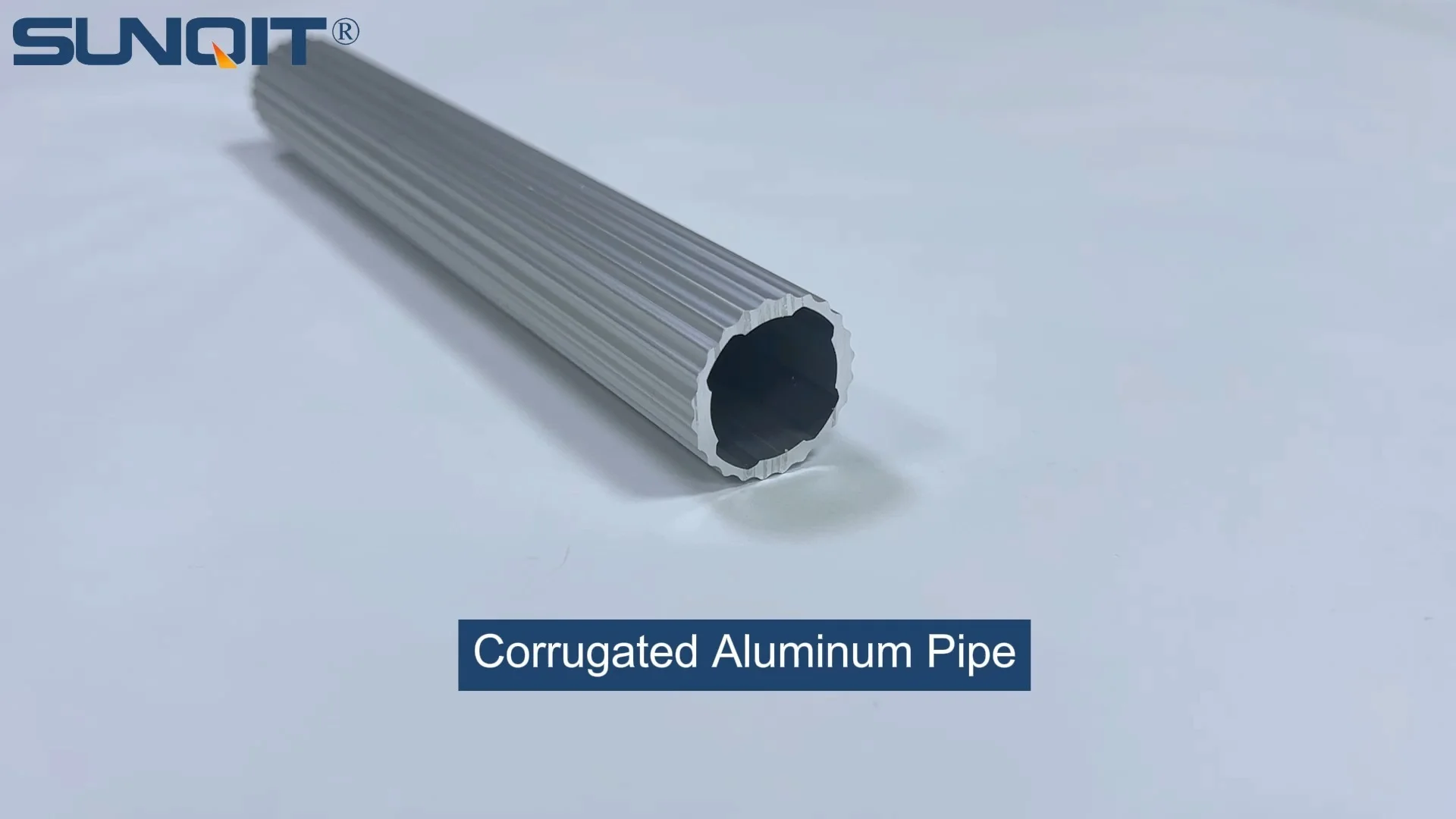
Product Description The slot side is 10mm which can work with a T sliding block for connection accessories Quick Detail Product name Corrugated Aluminum pipe model GLT28-T-3010A Material Science 6005-T6 thickness 1.7mm surface treatment anodic oxidat
In today's fast-paced manufacturing landscape, two priorities stand out: efficiency and sustainability. For decades, lean manufacturing has been the gold standard for streamlining processes, eliminating waste, and boosting productivity. But as global pressures mount to reduce environmental impact, manufacturers are now asking: How can lean principles evolve to not just cut costs, but also cut carbon footprints? The answer lies in the materials we choose—and few materials embody this balance better than corrugated aluminum pipe. More than just a component in production lines, corrugated aluminum pipe is a bridge between lean efficiency and circular sustainability, redefining how we build, use, and reuse manufacturing systems.
Understanding Lean Manufacturing: Beyond Efficiency to Circularity
Lean manufacturing, born from the Toyota Production System, has long focused on minimizing "muda"—the Japanese term for waste. From overproduction to excess inventory, lean identifies and eliminates non-value-adding activities, ensuring resources are used optimally. But in recent years, "lean" has expanded beyond the factory floor to encompass the entire product lifecycle. Today's lean systems demand not just efficient production, but also sustainable resource use, reduced waste generation, and long-term reusability. This shift aligns with the circular economy model, where materials are kept in use for as long as possible, and waste is minimized through recycling and repurposing.
At the heart of this evolution is the choice of materials. Traditional manufacturing setups often rely on rigid, single-use structures—think welded steel frames or fixed plastic components—that are difficult to modify or recycle. When production lines change, these structures become obsolete, ending up in landfills and contributing to industrial waste. To truly embrace circularity, manufacturers need materials that are adaptable, durable, and designed for reuse. Enter corrugated aluminum pipe: a material engineered to support both lean efficiency and sustainable practices.
Corrugated Aluminum Pipe: A Material Revolution in Lean Systems
What is Corrugated Aluminum Pipe?
Corrugated aluminum pipe is a lightweight, high-strength material created through the aluminum extrusion process—a technique where aluminum alloy is forced through a die to create custom cross-sectional shapes. The "corrugated" design refers to the wavelike ridges along the pipe's surface, which add structural rigidity without increasing weight. This innovative design makes the pipe far stronger than smooth-walled alternatives, even when using thinner aluminum sheets. For manufacturers, this means a material that can support heavy loads, resist bending, and withstand the rigors of daily use—all while remaining easy to handle and configure.
Unlike traditional steel pipes or plastic-coated lean pipes, corrugated aluminum pipe is part of the broader family of aluminum extrusion profiles, which are prized for their precision and versatility. The extrusion process itself is inherently efficient: it requires minimal energy compared to forging or casting, and produces little waste, as excess aluminum can be recycled back into the production stream. This efficiency starts at the material's origin, setting the stage for its sustainability credentials.
Material Properties: Strength, Lightweight, and Durability
The appeal of corrugated aluminum pipe lies in its unique blend of properties. Aluminum, by nature, has a high strength-to-weight ratio—meaning it's strong enough to support industrial loads but light enough to be maneuvered by hand, reducing the need for heavy machinery during installation. The corrugated design amplifies this strength: the ridges distribute stress evenly across the pipe's surface, making it resistant to dents, warping, and fatigue. In fact, tests show that corrugated aluminum pipe can withstand up to 30% more weight than smooth aluminum pipes of the same diameter, without adding extra bulk.
Durability is another key advantage. Aluminum is naturally corrosion-resistant, thanks to a thin oxide layer that forms on its surface, protecting it from rust and chemical damage. This makes corrugated aluminum pipe ideal for use in harsh manufacturing environments, from humid assembly lines to cleanrooms where hygiene is critical. Unlike steel, which requires painting or coating to prevent rust, aluminum needs no such maintenance—reducing long-term costs and chemical usage. And unlike plastic-coated pipes, which can crack or peel over time, corrugated aluminum retains its integrity even after years of use, ensuring a longer lifespan.
Key Takeaway: Corrugated aluminum pipe's strength, lightweight design, and corrosion resistance make it a low-maintenance, long-lasting alternative to traditional materials. Its durability directly supports lean goals by reducing downtime for repairs and replacements, while its lightweight nature simplifies handling and installation—saving time and labor.
Environmental Benefits: Recyclability and Low Carbon Footprint
Sustainability is where corrugated aluminum pipe truly shines. Aluminum is one of the most recyclable materials on the planet: it can be melted down and reused indefinitely without losing quality, and recycling aluminum requires just 5% of the energy needed to produce it from raw bauxite ore. For manufacturers, this means that even at the end of its lifecycle, corrugated aluminum pipe retains value—it can be recycled locally, reducing reliance on virgin materials and cutting carbon emissions.
The carbon footprint of corrugated aluminum pipe is also significantly lower than that of steel or plastic. Producing a ton of aluminum emits approximately 12 tons of CO2, compared to 2 tons for recycled aluminum and 20 tons for steel. When combined with its long lifespan, this makes corrugated aluminum a low-emission choice for lean systems. And because it's lightweight, transporting corrugated aluminum pipe requires less fuel than heavier materials like steel, further reducing its environmental impact from factory to facility.

Reusability: The Core of Corrugated Aluminum Pipe's Sustainability
In lean manufacturing, "reusability" isn't just a buzzword—it's a strategy to eliminate waste. A system that can be disassembled, reconfigured, and reused avoids the waste of building new structures from scratch. Corrugated aluminum pipe excels here, thanks to its modular design and compatibility with aluminum profile accessories that enable quick, tool-free assembly and disassembly.
Modular Design and Adaptability
Corrugated aluminum pipe is designed to be modular, meaning it can be combined with a range of accessories—joints, connectors, casters, and brackets—to create custom structures. Unlike welded steel frames, which are fixed in place, corrugated aluminum systems use friction-fit or bolt-on aluminum profile accessories that allow for easy adjustments. For example, a workbench built with corrugated aluminum pipe can be shortened, extended, or repurposed into a flow rack by simply swapping out a few connectors. This flexibility is a game-changer for lean systems, where production lines are constantly evolving to meet new demands.
Consider a scenario common in automotive manufacturing: a production line for sedans is retooled to produce SUVs. With traditional steel structures, the entire line might need to be demolished and rebuilt, generating tons of waste. With corrugated aluminum pipe, the existing workbenches, flow racks, and material trolleys can be disassembled, and the pipes reused to build the new line. No welding, no cutting, no waste—just a quick reconfiguration that saves time, money, and resources.
Easy Disassembly and Reconfiguration
The key to reusability is disassembly without damage. Corrugated aluminum pipe's connection systems—often using internal rotatary aluminum joints or snap-on brackets—are designed to be taken apart and reassembled repeatedly without weakening the material. Unlike plastic components, which can crack when unscrewed, or steel welds, which break when cut, aluminum's malleability ensures that joints can be loosened and tightened without degrading the pipe's integrity. This means a single piece of corrugated aluminum pipe can be used in multiple structures over its lifetime, drastically reducing the need for new materials.
Take the example of a electronics manufacturer that produces seasonal products. In Q4, they need extra flow racks to handle holiday demand; in Q1, those racks are no longer needed. With corrugated aluminum pipe, the racks can be disassembled, and the pipes stored compactly until next season. When demand picks up again, the same pipes are reused to rebuild the racks—no new purchases required. This not only cuts costs but also reduces the manufacturer's carbon footprint by avoiding the production and transportation of new materials.
Longevity and Reduced Waste
Reusability is only impactful if the material lasts long enough to be reused multiple times. Corrugated aluminum pipe's durability ensures a lifespan of 10–15 years in typical manufacturing environments—far longer than plastic-coated pipes (3–5 years) or even standard steel (7–10 years). This extended lifespan means fewer replacements, reducing the frequency of material extraction, production, and disposal. And when the pipe does reach the end of its life, it's 100% recyclable, closing the loop on the circular economy.
To put this in perspective: A manufacturer using traditional steel flow racks might replace them every 7 years, generating steel waste that's costly to recycle. A manufacturer using corrugated aluminum flow racks, however, could reuse the same pipes for 15 years, then recycle them into new aluminum products. Over a 30-year period, the steel user would need to replace racks 4 times, while the aluminum user would replace them twice—cutting waste by 50% and reducing associated carbon emissions by an estimated 40%.
Corrugated Aluminum Pipe in Action: Applications in Lean Systems
Corrugated aluminum pipe isn't just a theoretical solution—it's a practical tool that integrates seamlessly into real-world lean systems. From flow racks to workbenches, its versatility makes it suitable for a wide range of applications, each contributing to sustainability and efficiency.
Flow Racks: Enhancing Material Flow with Corrugated Pipes
Flow racks are the backbone of lean material handling, ensuring components move smoothly from storage to assembly lines. Traditional flow racks often use steel rollers or plastic tracks, but corrugated aluminum pipe takes this to the next level. When paired with roller track and accessories—like plastic roller track guide rails or stainless steel swivel roller balls—corrugated aluminum pipe creates lightweight, durable flow racks that reduce friction and speed up material flow.
The corrugated design adds strength to the rack's frame, allowing it to support heavy components like engine parts or electronic assemblies without bending. At the same time, the pipe's lightweight nature makes the rack easy to adjust—if a new component requires a steeper incline for gravity feeding, the rack's height can be modified by repositioning the legs, using aluminum profile accessories like height-adjustable brackets. This adaptability ensures the flow rack remains useful even as product designs change, eliminating the need for new racks and reducing waste.
Workbenches: Ergonomic and Sustainable Workspaces
Workbenches are where assembly happens, and their design directly impacts worker productivity and comfort. Corrugated aluminum pipe workbenches—like the "Workbench E (Single Deck-Without Caster)" often seen in lean setups—offer a winning combination of stability, customization, and sustainability. The pipe's rigidity ensures the workbench doesn't wobble during precision tasks, while its lightweight build makes it easy to relocate if the production floor is reorganized.
Ergonomics are also a priority. Corrugated aluminum workbenches can be height-adjusted using telescopic pipes and adjustable leveling feet, ensuring workers of all sizes can operate comfortably—reducing fatigue and improving efficiency. And when the workbench is no longer needed, its components can be reused to build shelving, tool carts, or even a mobile testing station. This kind of lifecycle extension is central to sustainable lean systems, where every component is designed to have multiple "lives."
Turnover Trolleys and Racks: Mobile Efficiency
Material transport is another area where corrugated aluminum pipe shines. Turnover trolleys—used to move components between workstations—need to be lightweight for easy pushing, yet strong enough to carry heavy loads. Corrugated aluminum pipe's strength-to-weight ratio makes it ideal for this task. When paired with caster wheels and accessories like brake casters, these trolleys glide smoothly across factory floors, reducing worker strain and speeding up material delivery.
What's more, when a trolley is retired from one area, it can be repurposed elsewhere. A trolley used to transport small electronics might be converted into a tool storage rack by adding shelves made from corrugated aluminum sheets. Again, the modular design and reusable components ensure nothing goes to waste.
Comparing Traditional Materials: Why Corrugated Aluminum Stands Out
To fully appreciate corrugated aluminum pipe's sustainability, it's helpful to compare it to materials commonly used in lean systems. Let's break down how it stacks up against steel, plastic-coated lean pipe, and standard aluminum extrusion profiles.
| Material | Strength | Weight | Recyclability | Reusability | Carbon Footprint |
|---|---|---|---|---|---|
| Corrugated Aluminum Pipe | High (corrugated design adds rigidity) | Lightweight (easy to handle) | 100% recyclable, low energy to recycle | High (modular, no welding) | Low (recyclable, lightweight transport) |
| Steel Lean Pipe | High, but heavy | Heavy (requires machinery to move) | Recyclable, but high energy to recycle | Low (welded joints are hard to disassemble) | High (emissions from production and transport) |
| PE-Coated Lean Pipe | Medium (plastic coating can wear) | Medium | Low (plastic coating contaminates recycling) | Medium (can be disassembled, but plastic may degrade) | Medium (plastic production is energy-intensive) |
| Standard Aluminum Extrusion Profile | Medium (no corrugation for added strength) | Lightweight | 100% recyclable | High, but less rigid than corrugated | Low, but may require thicker walls for strength |
The table tells a clear story: corrugated aluminum pipe outperforms traditional materials in key sustainability metrics, from recyclability to reusability. Its only real competitor is standard aluminum extrusion profile, but even then, the corrugated design gives it an edge in strength—meaning thinner walls can be used, reducing material usage and cost.
The Role of Accessories: Complementing Corrugated Aluminum Pipe
Corrugated aluminum pipe doesn't work alone. Its sustainability and reusability depend on a ecosystem of aluminum profile accessories that enable quick assembly, disassembly, and customization. From joints to casters, these accessories are designed to work seamlessly with the pipe, ensuring the entire system is modular and long-lasting.
Internal rotatary aluminum joints, for example, allow pipes to be connected at any angle—90°, 45°, or even 135°—without welding. These joints are made from high-strength aluminum alloy, ensuring they can withstand repeated assembly and disassembly. Similarly, roller track placon mounts—used to attach roller tracks to aluminum profiles—are designed to snap on and off, making it easy to reconfigure flow racks. Even small components like caster accessories, such as brake levers or wheel guards, are built to last, ensuring the entire system remains functional for decades.
Perhaps most importantly, these accessories are themselves recyclable. Made from aluminum or high-quality plastics, they can be recycled alongside the corrugated pipe at the end of their lifecycle, ensuring no waste is left behind. This closed-loop system is what makes corrugated aluminum pipe a truly sustainable choice for lean manufacturing.
Future Trends: Innovations in Corrugated Aluminum Pipe and Lean Sustainability
As manufacturing continues to evolve, so too will corrugated aluminum pipe. Emerging innovations are set to make it even more sustainable and versatile. One trend is the development of "smart" corrugated pipes embedded with RFID tags, allowing manufacturers to track components throughout their lifecycle and optimize reuse. Another is the use of recycled aluminum in the extrusion process—already common in Europe, this practice reduces reliance on virgin ore and cuts carbon emissions by up to 95%.
We're also seeing advances in corrugation design, with computer-aided simulations creating ridges that are even more efficient at distributing stress. This could lead to thinner, lighter pipes that still meet strength requirements, further reducing material usage. And as 3D printing technology improves, custom aluminum profile accessories could be printed on-site, eliminating the need for shipping and reducing lead times.
Conclusion: Building a More Sustainable Lean Future with Corrugated Aluminum
Corrugated aluminum pipe is more than a material—it's a statement. It says that lean manufacturing doesn't have to come at the expense of the planet, and that sustainability doesn't require sacrificing efficiency. By combining strength, durability, and reusability, corrugated aluminum pipe supports the circular economy, ensuring manufacturing systems are not just lean, but also green.
For manufacturers ready to embrace this future, the benefits are clear: lower waste, reduced costs, and a smaller carbon footprint. Whether building a new production line or retrofitting an existing one, corrugated aluminum pipe offers a path to sustainability that aligns with lean principles. It's time to stop seeing materials as disposable and start seeing them as assets—assets that can be reused, reconfigured, and recycled to build a better, more sustainable manufacturing world.
In the end, lean manufacturing is about respect—for workers, for resources, and for the planet. Corrugated aluminum pipe embodies that respect, proving that the most efficient systems are also the most sustainable. And in a world where every resource counts, that's a future worth building.