- Company Articles
- Industry articles
- Industry standards
- Custom Lean Workbenches (Workbench E): Integrating 2020r EU Standard Aluminum Profile

Custom Lean Workbenches (Workbench E): Integrating 2020r EU Standard Aluminum Profile
Related Product
2020R EU Standard Aluminum Profile
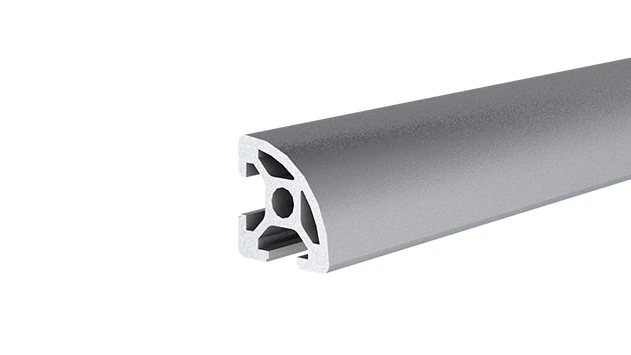
2020R is a 2.00 x 2.00CM fractional 20 series square extrusion T-slot profile with four open T-slots, two side with 2.00cm face, the other side with round face. The profile has align-a-grooves to assist in aligning connecting profiles.
Walk into any modern workshop, manufacturing floor, or lab, and you'll notice a silent workhorse holding everything together: the workbench. It's more than just a flat surface—it's the stage where ideas turn into products, where precision meets productivity, and where lean principles come to life. But not all workbenches are created equal. In today's fast-paced, ever-changing work environments, a one-size-fits-all approach just doesn't cut it. That's where custom lean workbenches step in, and at the heart of many of these solutions is Workbench E—a single-deck, stationary design built to adapt, endure, and elevate your workflow. What makes it stand out? Its seamless integration with the 2020r EU Standard Aluminum Profile, a material that's redefining flexibility and durability in workspace design. Let's dive into why this combination is becoming a game-changer for teams focused on efficiency, customization, and long-term value.
Meet Workbench E: The Stationary Powerhouse
First things first: What exactly is Workbench E? At its core, it's a thoughtfully engineered workstation designed for stability and adaptability. Unlike mobile workbenches with casters, Workbench E is built to stay put—think of it as the "anchor" of your workspace. Its defining feature? A single, sturdy deck supported by a robust frame, with no wheels to compromise stability. This makes it ideal for tasks that demand precision, consistency, and a fixed operational point—whether you're assembling delicate electronics, testing components, or organizing tools in a high-traffic area.
But don't let its stationary nature fool you into thinking it's rigid. Workbench E is a blank canvas, and much of that flexibility comes from its foundation: the 2020r EU Standard Aluminum Profile. Before we get into the details of that material, let's break down what makes Workbench E tick. Its deck can be customized with various surface options—from anti-static laminates for ESD-sensitive work to hardwood for heavy-duty tasks—ensuring it aligns with your specific needs. The frame, though simple in design, is engineered to support significant weight, making it reliable for daily use. And because it lacks casters, there's no risk of unintended movement, which is critical in environments where even a small shift could disrupt workflow or compromise safety.
The Backbone: 2020r EU Standard Aluminum Profile
If Workbench E is the body, the 2020r EU Standard Aluminum Profile is its spine. But what exactly is this material, and why does it matter? Let's start with the basics: aluminum profiles are extruded aluminum shapes with a T-slot design, allowing for easy attachment of accessories like brackets, shelves, and guides. The "2020r" designation refers to its dimensions (20mm x 20mm) and rounded edges, while "EU Standard" ensures it meets strict European quality and safety regulations—think corrosion resistance, structural integrity, and consistency in manufacturing.
Why aluminum? For starters, it's lightweight yet surprisingly strong. Compared to steel, aluminum reduces the overall weight of the workbench without sacrificing durability, making assembly and reconfiguration easier (yes, even for a stationary bench, you might want to tweak the setup down the line). It's also naturally resistant to rust and corrosion, which is a boon for workshops where spills, humidity, or chemicals are part of the daily grind. And let's not forget aesthetics: aluminum has a clean, modern look that fits seamlessly into any professional environment, whether it's a sleek tech lab or a bustling factory floor.
The "r" in 2020r stands for "rounded," and those curved edges aren't just for looks. They add an extra layer of safety, reducing the risk of bumps and scrapes—a small detail that makes a big difference in high-traffic areas. Plus, the T-slot design is a game-changer for customization. Those slots run along the length of the profile, allowing you to slide in bolts, nuts, and accessories without drilling holes or welding. This means you can add a shelf today, a tool holder tomorrow, and a roller track next month—all without compromising the integrity of the frame.

Integrating 2020r Profile: How It All Comes Together
So, how does the 2020r Aluminum Profile form the frame of Workbench E? Imagine building with modular blocks, but stronger and more precise. The profile pieces are cut to length, then connected using aluminum profile accessories like corner brackets, T-joints, and screws—no welding required. This modular approach not only speeds up assembly but also makes repairs or modifications a breeze. If a section gets damaged, you can replace just that part instead of the entire frame.
But the real magic is in how the 2020r profile plays well with others. Let's say you need to add a roller track to the edge of Workbench E to feed materials smoothly into your workflow. Thanks to the T-slot design, you can attach aluminum guide rail A directly to the profile, creating a seamless channel for the roller track. The guide rail ensures materials glide straight, preventing jams and reducing waste—key principles of lean manufacturing. And because the 2020r profile is EU-standard, you can mix and match accessories from different suppliers without worrying about compatibility issues. Need a shelf above the deck? Use L-brackets. Want to mount a tool holder? Slide in a T-nut and bolt it on. The possibilities are nearly endless, and that's by design.
Customization: Tailoring Workbench E to Your Needs
One of the biggest advantages of Workbench E (and the 2020r profile) is customization. Let's walk through a few common scenarios to see how this plays out.
1. Material Flow with Roller Track
In production assemble lines, keeping materials moving efficiently is critical. Adding a roller track to Workbench E can transform it from a static table into a dynamic part of your workflow. Here's how: Mount aluminum guide rail A along the edge of the deck using aluminum profile accessories (think brackets and screws). Then, attach the roller track to the guide rail. Suddenly, you've got a smooth, gravity-fed system for sliding components from one station to the next. Whether you're passing PCBs down an electronics line or moving small parts in a manufacturing cell, this setup reduces manual handling and speeds up production.
2. Height Adjustment for Ergonomics
Not all tasks (or workers) are the same height. Workbench E can be customized with adjustable leveling feet—threaded, anti-slip components that screw into the base of the 2020r profile legs. This allows you to tweak the height by a few inches, ensuring workers can stand or sit comfortably, reducing strain and boosting productivity. It's a small change that makes a big difference in long-term comfort and safety.
3. Surface Solutions for Specialized Work
The deck of Workbench E isn't one-size-fits-all. For ESD-sensitive environments (like electronics manufacturing), you can opt for an anti-static surface that dissipates static electricity, protecting components from damage. For heavy-duty tasks, a steel or hardwood deck provides the durability to withstand impacts and heavy loads. And if you need a clean, easy-to-clean surface for lab work, a laminate top resists spills and chemicals. The 2020r frame supports these options effortlessly, ensuring the deck stays secure even under stress.
4. Storage and Organization
Cluttered workspaces kill efficiency. With Workbench E, you can add shelves, tool hooks, or bin holders using—you guessed it—aluminum profile accessories. Mount a shelf above the deck for storing manuals or frequently used tools, or attach a pegboard to the back using T-slot connectors. The 2020r profile's T-slots make it easy to reposition these accessories as your needs change, so your workspace evolves with you.
Where Workbench E Shines: Real-World Applications
Workbench E isn't just a theoretical solution—it's proven in the field. Let's look at a few industries where it's making a tangible difference:
Electronics Manufacturing
In electronics assembly, precision and ESD protection are non-negotiable. Workbench E with an anti-static deck and 2020r aluminum frame provides a stable, static-safe workspace for assembling circuit boards, soldering components, or testing devices. Adding roller track along the edge allows components to flow smoothly from inspection to assembly, reducing bottlenecks. The stationary design ensures sensitive equipment stays aligned, minimizing errors.
Automotive Parts Assembly
Automotive workshops thrive on efficiency, and Workbench E fits right in. Its sturdy frame supports heavy parts like brackets or small engine components, while customizable storage (via shelves and bins) keeps tools organized. Roller track can be used to move parts from the workbench to a nearby assembly line, cutting down on time spent fetching materials. And because it's stationary, workers can focus on tasks without worrying about the bench shifting during use.
Laboratory and Testing Facilities
Labs require workspaces that are both stable and adaptable. Workbench E's fixed design is ideal for precision testing, where even minor movement could skew results. Its customizable deck (e.g., chemical-resistant laminates) stands up to spills, while aluminum profile accessories allow for mounting lab equipment like microscopes or measuring tools. The 2020r profile's corrosion resistance is a bonus in environments with frequent cleaning or exposure to chemicals.
How Workbench E Stacks Up: A Quick Comparison
To help you see why Workbench E might be the right fit, let's compare it to two other common workbench types:
| Feature | Workbench E (2020r Aluminum Profile) | Mobile Workbench (with Casters) | Basic Steel Workbench |
|---|---|---|---|
| Mobility | Stationary (no casters) | Mobile (casters for movement) | Stationary |
| Frame Material | 2020r EU Standard Aluminum Profile (lightweight, corrosion-resistant) | Steel or aluminum (varies by model) | Heavy steel (prone to rust without coating) |
| Customization | High (T-slot design, compatible with aluminum profile accessories) | Moderate (limited by caster and frame design) | Low (fixed frame, few accessory options) |
| Ideal For | Fixed workstations, precision tasks, lean assembly lines | Mobile workstations, temporary setups | Heavy-duty tasks with minimal customization needs |
| Weight Capacity | High (supports 200-300kg, depending on deck material) | Moderate (lower due to caster weight limits) | Very high (but less flexible) |
The Bottom Line: Why Workbench E and 2020r Profile Make Sense
At the end of the day, Workbench E's integration with the 2020r EU Standard Aluminum Profile boils down to three key benefits: stability, flexibility, and durability . Its stationary design ensures it stays where you need it, while the aluminum profile frame opens the door to endless customization—whether you're adding roller track, shelves, or specialized surfaces. The 2020r profile's compliance with EU standards means you're getting a material that's built to last, resisting corrosion and wear even in demanding environments.
But perhaps the biggest advantage is how it aligns with lean principles. Lean manufacturing is all about eliminating waste, optimizing flow, and continuous improvement—and Workbench E embodies that. Its adaptability means you can start with the basics and add accessories as your needs grow, avoiding over-investment in unnecessary features. Its fixed position reduces time wasted on adjusting or moving workstations, while customizable material flow (via roller track and aluminum guide rail A) streamlines production.
In a world where workspaces are constantly evolving, Workbench E isn't just a workbench—it's an investment in efficiency, adaptability, and long-term value. Whether you're setting up a new production line, upgrading an existing workshop, or designing a lab, it's a solution that grows with you, backed by the reliability of 2020r EU Standard Aluminum Profile. So, if you're ready to build a workspace that works as hard as you do, it might be time to meet Workbench E.