- Company Articles
- Industry articles
- Industry standards
- Dimensions & Tolerances: Complete Guide to 2040 EU Standard Aluminum Profile

Dimensions & Tolerances: Complete Guide to 2040 EU Standard Aluminum Profile
Related Product
2040 EU Standard Aluminum Profile
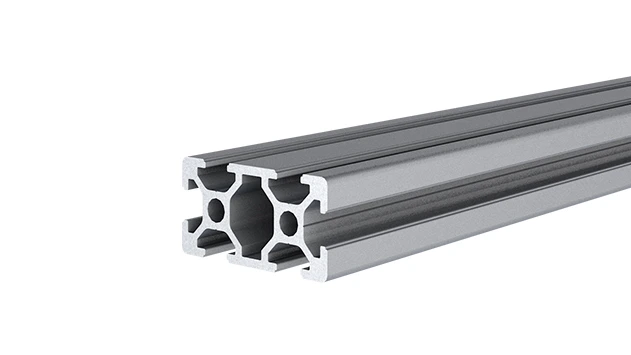
2040 is a 2.00 x 4.00CM fractional 20 series square extrusion T-slot profile with four open T-slots, two side with 2.00cm face, the other side with 4.00cm face. The profile has align-a-grooves to assist in aligning connecting profiles.
Introduction: The Backbone of Modern Industrial Design
Walk into any modern factory, workshop, or even a tech startup's prototyping lab, and you'll likely spot a common building block silently powering the space: aluminum extrusion profiles. These sleek, modular bars have become the unsung heroes of manufacturing, offering a rare blend of strength, flexibility, and precision that's hard to match with other materials. Among the countless profiles available, the 2040 EU Standard Aluminum Profile stands out as a workhorse—versatile enough for lightweight frames yet robust enough for heavy-duty industrial use.
If you've ever wondered why this particular profile is a staple in everything from assembly line workbenches to automated conveyor systems, you're in the right place. In this guide, we're breaking down the 2040's dimensions, tolerances, materials, and real-world applications to show you why it's more than just a piece of metal—it's a solution to some of the most common headaches in design and production. Whether you're an engineer drafting blueprints, a workshop manager upgrading equipment, or a hobbyist building a custom project, understanding the 2040 profile will help you make smarter, more efficient choices. Let's start with the basics.
If you've ever wondered why this particular profile is a staple in everything from assembly line workbenches to automated conveyor systems, you're in the right place. In this guide, we're breaking down the 2040's dimensions, tolerances, materials, and real-world applications to show you why it's more than just a piece of metal—it's a solution to some of the most common headaches in design and production. Whether you're an engineer drafting blueprints, a workshop manager upgrading equipment, or a hobbyist building a custom project, understanding the 2040 profile will help you make smarter, more efficient choices. Let's start with the basics.
What Is the 2040 EU Standard Aluminum Profile, Anyway?
First things first: the name. "2040" isn't just a random number—it's a quick code for the profile's key dimensions. In the EU standard naming system, the first two digits represent the profile's width (in millimeters), and the last two represent its height. So, a 2040 profile is 20mm wide and 40mm tall. Simple enough, right? But there's more to it than that.
The "EU Standard" part matters too. This profile adheres to strict European norms, primarily EN 755 (the European standard for aluminum and aluminum alloy extruded profiles) and DIN 17100 (for material quality). These standards ensure consistency across manufacturers, so a 2040 profile from one supplier will fit seamlessly with accessories or components from another—a game-changer for anyone building modular systems.
Most 2040 profiles are made from 6063-T5 aluminum alloy, a popular choice for extrusion because it balances strength, corrosion resistance, and ease of machining. T5 refers to the tempering process: after extrusion, the profile is artificially aged to harden it, resulting in a material that's strong enough to support heavy loads but still ductile enough to be cut, drilled, or modified on-site. Some manufacturers also offer 6061-T6 variants for applications needing extra tensile strength, though 6063-T5 is the go-to for most industrial and commercial uses.
What really sets the 2040 apart, though, is its T-slot design. Running along its length are one or more longitudinal slots (usually on the 40mm face) that let you slide in nuts, bolts, or brackets without drilling holes. This T-slot system is why aluminum extrusion profiles like the 2040 are so flexible—you can assemble, disassemble, and reconfigure structures in minutes, no welding required. It's like building with industrial-grade Legos, but for grown-ups.
The "EU Standard" part matters too. This profile adheres to strict European norms, primarily EN 755 (the European standard for aluminum and aluminum alloy extruded profiles) and DIN 17100 (for material quality). These standards ensure consistency across manufacturers, so a 2040 profile from one supplier will fit seamlessly with accessories or components from another—a game-changer for anyone building modular systems.
Most 2040 profiles are made from 6063-T5 aluminum alloy, a popular choice for extrusion because it balances strength, corrosion resistance, and ease of machining. T5 refers to the tempering process: after extrusion, the profile is artificially aged to harden it, resulting in a material that's strong enough to support heavy loads but still ductile enough to be cut, drilled, or modified on-site. Some manufacturers also offer 6061-T6 variants for applications needing extra tensile strength, though 6063-T5 is the go-to for most industrial and commercial uses.
What really sets the 2040 apart, though, is its T-slot design. Running along its length are one or more longitudinal slots (usually on the 40mm face) that let you slide in nuts, bolts, or brackets without drilling holes. This T-slot system is why aluminum extrusion profiles like the 2040 are so flexible—you can assemble, disassemble, and reconfigure structures in minutes, no welding required. It's like building with industrial-grade Legos, but for grown-ups.
Dimensions: The Nitty-Gritty of Width, Height, and Everything In Between
Let's get into the details that make or break a project: dimensions. Even a tiny variation in width or height can throw off an entire assembly, so understanding the 2040's specs is critical. Below is a breakdown of its key measurements, along with typical tolerances (we'll dive deeper into tolerances later).
Let's zoom in on the T-slot, since it's the profile's most useful feature. Most 2040 profiles have one T-slot on the 40mm face (the "tall" side) and sometimes smaller slots on the 20mm faces, though single-slot designs are standard for general use. The slot itself is shaped like a "T": narrow at the opening (to keep nuts from falling out) and wider inside (so the nut can slide freely). For example, an 8mm slot opening might have a 12mm inner width, allowing M6 or M8 bolts to fit snugly when paired with the right T-slot nut.
Another dimension to note is the profile's length. While EU standards don't mandate a fixed length, most suppliers offer 2040 profiles in 2m, 3m, or 6m lengths (6m is the maximum for easy shipping). If you need shorter pieces, many suppliers will cut to size for a small fee—just be sure to specify if you need the cut ends deburred (smoothed) to avoid sharp edges.
| Dimension | Standard Specification | Typical Tolerance (EN 755-9) | Why It Matters |
|---|---|---|---|
| Outer Width (W) | 20mm | ±0.2mm | Ensures compatibility with width-specific accessories like brackets or covers. |
| Outer Height (H) | 40mm | ±0.3mm | Affects vertical load capacity and fit with height-dependent components (e.g., shelf supports). |
| Wall Thickness | 1.5mm – 2.0mm (varies by grade) | ±0.15mm | Thicker walls = higher strength, but add weight. Critical for load-bearing applications. |
| T-Slot Width | 6mm or 8mm (most common: 8mm) | ±0.1mm | Must match T-slot nuts/bolts to avoid loose fits or jamming. |
| T-Slot Depth | 10mm – 12mm | ±0.2mm | Determines how much of a bolt or nut sits inside the slot (deeper = more secure). |
| Corner Radius | 1.5mm – 2.0mm | ±0.3mm | Safety (sharp corners = cuts) and aesthetic (smoother look for visible applications). |
Pro Tip:
Always check the wall thickness when ordering! A 2040 with 1.5mm walls is lighter and cheaper but has a lower load capacity (around 150-200kg per linear meter) compared to a 2.0mm wall version (250-300kg per linear meter). If you're building something like a material rack or heavy-duty workbench, spring for the thicker walls—you'll avoid sagging or bending down the line.
Let's zoom in on the T-slot, since it's the profile's most useful feature. Most 2040 profiles have one T-slot on the 40mm face (the "tall" side) and sometimes smaller slots on the 20mm faces, though single-slot designs are standard for general use. The slot itself is shaped like a "T": narrow at the opening (to keep nuts from falling out) and wider inside (so the nut can slide freely). For example, an 8mm slot opening might have a 12mm inner width, allowing M6 or M8 bolts to fit snugly when paired with the right T-slot nut.
Another dimension to note is the profile's length. While EU standards don't mandate a fixed length, most suppliers offer 2040 profiles in 2m, 3m, or 6m lengths (6m is the maximum for easy shipping). If you need shorter pieces, many suppliers will cut to size for a small fee—just be sure to specify if you need the cut ends deburred (smoothed) to avoid sharp edges.
Tolerances: Why "Close Enough" Isn't Good Enough
Tolerances are the unsung heroes of precision manufacturing. They're the allowable variation in a dimension—how much a profile can differ from the "ideal" 20mm width or 40mm height and still be considered "within spec." For the 2040 profile, tight tolerances are non-negotiable, especially when building modular or load-bearing structures. Let's break down the key tolerance types and why they matter.
Dimensional Tolerances: These apply to the profile's width, height, and wall thickness, as shown in the table above. For example, a width tolerance of ±0.2mm means a "20mm" profile could measure anywhere from 19.8mm to 20.2mm. Why so strict? Imagine building a frame with 10 connected 2040 profiles—if each is 0.2mm too wide, the total width error adds up to 2mm, which might throw off door alignment or shelf spacing. EU standards (EN 755-9) set these tolerances to keep such errors manageable.
Straightness Tolerance: Even if a profile's width and height are perfect, if it's bent or bowed, it's useless for structural work. Straightness is measured as the maximum deviation from a straight line over a given length. For 2040 profiles, the typical straightness tolerance is 0.5mm per meter (sometimes tighter for precision applications). That means a 3m profile can only curve by 1.5mm at most—barely noticeable to the eye, but critical for things like conveyor rails or linear guides, where even a small bend can cause jams or uneven wear.
Flatness Tolerance: This applies to the profile's faces (the 20mm x 40mm surfaces). A flatness tolerance of 0.3mm per meter ensures that when you bolt two profiles together face-to-face, there are no gaps between them. Gaps = weak joints, which can loosen over time or fail under load. Flatness is especially important for workbenches or tables, where a warped surface might wobble or make it hard to align tools.
Squareness Tolerance: The corners of the profile should be 90 degrees (or as close as possible). Squareness tolerance is usually 0.5 degrees per meter, meaning a 1m profile's corner can deviate by no more than 0.5 degrees from a right angle. Why does this matter? If you're building a square frame and the corners are off, the frame will be (diamond-shaped) instead of square, leading to uneven weight distribution and unstable structures.
So, how do manufacturers ensure these tolerances? It starts with high-quality extrusion dies (the metal molds that shape the molten aluminum). Dies are precision-machined to within microns, and regular maintenance (polishing, repairing wear) keeps them accurate. After extrusion, profiles are cooled slowly to prevent warping, then straightened using hydraulic presses if needed. Finally, each batch is inspected with calipers, straightedges, and laser measuring tools to check for compliance. It's a rigorous process, but it's what makes the 2040 profile reliable across industries.
Dimensional Tolerances: These apply to the profile's width, height, and wall thickness, as shown in the table above. For example, a width tolerance of ±0.2mm means a "20mm" profile could measure anywhere from 19.8mm to 20.2mm. Why so strict? Imagine building a frame with 10 connected 2040 profiles—if each is 0.2mm too wide, the total width error adds up to 2mm, which might throw off door alignment or shelf spacing. EU standards (EN 755-9) set these tolerances to keep such errors manageable.
Straightness Tolerance: Even if a profile's width and height are perfect, if it's bent or bowed, it's useless for structural work. Straightness is measured as the maximum deviation from a straight line over a given length. For 2040 profiles, the typical straightness tolerance is 0.5mm per meter (sometimes tighter for precision applications). That means a 3m profile can only curve by 1.5mm at most—barely noticeable to the eye, but critical for things like conveyor rails or linear guides, where even a small bend can cause jams or uneven wear.
Flatness Tolerance: This applies to the profile's faces (the 20mm x 40mm surfaces). A flatness tolerance of 0.3mm per meter ensures that when you bolt two profiles together face-to-face, there are no gaps between them. Gaps = weak joints, which can loosen over time or fail under load. Flatness is especially important for workbenches or tables, where a warped surface might wobble or make it hard to align tools.
Squareness Tolerance: The corners of the profile should be 90 degrees (or as close as possible). Squareness tolerance is usually 0.5 degrees per meter, meaning a 1m profile's corner can deviate by no more than 0.5 degrees from a right angle. Why does this matter? If you're building a square frame and the corners are off, the frame will be (diamond-shaped) instead of square, leading to uneven weight distribution and unstable structures.
So, how do manufacturers ensure these tolerances? It starts with high-quality extrusion dies (the metal molds that shape the molten aluminum). Dies are precision-machined to within microns, and regular maintenance (polishing, repairing wear) keeps them accurate. After extrusion, profiles are cooled slowly to prevent warping, then straightened using hydraulic presses if needed. Finally, each batch is inspected with calipers, straightedges, and laser measuring tools to check for compliance. It's a rigorous process, but it's what makes the 2040 profile reliable across industries.
Materials: Why 6063-T5 Aluminum Is the Gold Standard
We touched on this earlier, but let's dive deeper into the material that makes the 2040 profile tick: 6063-T5 aluminum alloy. Aluminum itself is a lightweight metal (about 1/3 the weight of steel), but pure aluminum is too soft for structural use. That's where alloys come in—mixing aluminum with small amounts of other metals (like magnesium and silicon) to boost strength, hardness, and corrosion resistance.
6063 is part of the "6000 series" of aluminum alloys, which are known for their excellent extrudability. The alloy typically contains 0.4-0.8% silicon and 0.45-0.9% magnesium, which react during heat treatment to form tiny particles that strengthen the metal. When extruded, the molten alloy flows smoothly through the die, capturing even the smallest details (like the T-slot's shape) with precision.
The "T5" temper is what takes 6063 from soft to strong. After extrusion, the profile is cooled to room temperature (quenched) and then artificially aged at around 170°C for 6-8 hours. This aging process causes the silicon and magnesium particles to precipitate out, creating a microstructure that resists deformation. The result? A profile with a tensile strength of 180-210 MPa (megapascals) and a yield strength of 110-140 MPa—strong enough to support heavy loads without permanent bending.
Corrosion resistance is another win for 6063-T5. Aluminum naturally forms a thin oxide layer (alumina) on its surface, which protects it from rust and corrosion. In humid or industrial environments, this layer can be enhanced with anodizing (an electrolytic process that thickens the oxide layer), making the profile even more durable. Anodized 2040 profiles come in colors like silver, black, or blue, adding a sleek look for applications where aesthetics matter (e.g., retail displays or office furniture).
For extreme applications—like marine environments or high-heat industrial settings—some suppliers offer 2040 profiles in 5052 aluminum (better corrosion resistance) or 6061-T6 (higher strength, though less extrudable). But for 90% of users, 6063-T5 hits the sweet spot: strong, lightweight, corrosion-resistant, and affordable. It's no wonder it's the most widely used alloy for aluminum extrusion profiles.
6063 is part of the "6000 series" of aluminum alloys, which are known for their excellent extrudability. The alloy typically contains 0.4-0.8% silicon and 0.45-0.9% magnesium, which react during heat treatment to form tiny particles that strengthen the metal. When extruded, the molten alloy flows smoothly through the die, capturing even the smallest details (like the T-slot's shape) with precision.
The "T5" temper is what takes 6063 from soft to strong. After extrusion, the profile is cooled to room temperature (quenched) and then artificially aged at around 170°C for 6-8 hours. This aging process causes the silicon and magnesium particles to precipitate out, creating a microstructure that resists deformation. The result? A profile with a tensile strength of 180-210 MPa (megapascals) and a yield strength of 110-140 MPa—strong enough to support heavy loads without permanent bending.
Corrosion resistance is another win for 6063-T5. Aluminum naturally forms a thin oxide layer (alumina) on its surface, which protects it from rust and corrosion. In humid or industrial environments, this layer can be enhanced with anodizing (an electrolytic process that thickens the oxide layer), making the profile even more durable. Anodized 2040 profiles come in colors like silver, black, or blue, adding a sleek look for applications where aesthetics matter (e.g., retail displays or office furniture).
For extreme applications—like marine environments or high-heat industrial settings—some suppliers offer 2040 profiles in 5052 aluminum (better corrosion resistance) or 6061-T6 (higher strength, though less extrudable). But for 90% of users, 6063-T5 hits the sweet spot: strong, lightweight, corrosion-resistant, and affordable. It's no wonder it's the most widely used alloy for aluminum extrusion profiles.
Applications: Where the 2040 Profile Shines
Now that we know the specs, let's talk about real-world use cases. The 2040 profile's balance of size, strength, and flexibility makes it a favorite in industries from automotive manufacturing to robotics. Here are some of the most common applications:
Industrial Workbenches: This is where the 2040 really shines. Whether it's a simple assembly station or a complex workbench with tool rails, shelves, and ESD (electrostatic discharge) protection, 2040 profiles form the frame. The T-slots make it easy to add accessories like LED lights, power strips, or clamp-on vices, and the profile's strength supports heavy tools or materials (think 50kg+ on a 1m bench top). Many manufacturers sell pre-configured workbenches using 2040, but the real beauty is customizing your own—add a drawer unit here, a monitor arm there, and you've got a workstation tailored to your needs.
Material Racks and Shelving: From small parts bins to heavy pallets, 2040 profiles build sturdy, adjustable material racks. For example, a 3-row, 3-floor material rack (like "material rack B" in some supplier catalogs) uses 2040 uprights and crossbars, with T-slot brackets to hold shelves at variable heights. Since the shelves can be moved up or down, you can adapt the rack to store different-sized items—no need to buy a new rack when your inventory changes.
Conveyor Systems: The 2040's straightness and strength make it ideal for lightweight conveyor rails. Pair it with roller track (another keyword from the list!) and you've got a smooth, low-friction surface for moving parts between workstations. In automated systems, 2040 profiles often serve as guides for belts or chains, ensuring consistent alignment and reducing wear on moving parts.
Machine Guards and Enclosures: Safety first! 2040 profiles are used to build guards around machinery, preventing workers from touching moving parts. The T-slots make it easy to attach polycarbonate panels (clear for visibility) or metal mesh (for ventilation), and the profile's lightweight nature means guards can be moved or reconfigured if the machine layout changes.
3D Printer Frames: Hobbyists and professionals alike love 2040 for 3D printer frames. Its rigidity reduces vibration (which causes print defects), and the T-slots let you mount motors, rails, or heated beds with precision. Many DIY printer kits use 2040 because it's affordable, easy to cut, and widely available.
Retail Displays and Pop-Up Stands: Need a sleek, portable display for a trade show? 2040 profiles assemble quickly into frames for signs, product shelves, or demo stations. Anodized finishes and colorful aluminum profile accessories (like end caps or corner brackets) add a professional look, and the modular design means you can break down the display for easy transport.
Robotics and Automation: Robotic arms, linear slides, and automated guided vehicles (AGVs) often use 2040 profiles for their frames or rails. The profile's precision tolerances ensure smooth movement, and the T-slots make it easy to mount sensors, actuators, or control panels.
Industrial Workbenches: This is where the 2040 really shines. Whether it's a simple assembly station or a complex workbench with tool rails, shelves, and ESD (electrostatic discharge) protection, 2040 profiles form the frame. The T-slots make it easy to add accessories like LED lights, power strips, or clamp-on vices, and the profile's strength supports heavy tools or materials (think 50kg+ on a 1m bench top). Many manufacturers sell pre-configured workbenches using 2040, but the real beauty is customizing your own—add a drawer unit here, a monitor arm there, and you've got a workstation tailored to your needs.
Material Racks and Shelving: From small parts bins to heavy pallets, 2040 profiles build sturdy, adjustable material racks. For example, a 3-row, 3-floor material rack (like "material rack B" in some supplier catalogs) uses 2040 uprights and crossbars, with T-slot brackets to hold shelves at variable heights. Since the shelves can be moved up or down, you can adapt the rack to store different-sized items—no need to buy a new rack when your inventory changes.
Conveyor Systems: The 2040's straightness and strength make it ideal for lightweight conveyor rails. Pair it with roller track (another keyword from the list!) and you've got a smooth, low-friction surface for moving parts between workstations. In automated systems, 2040 profiles often serve as guides for belts or chains, ensuring consistent alignment and reducing wear on moving parts.
Machine Guards and Enclosures: Safety first! 2040 profiles are used to build guards around machinery, preventing workers from touching moving parts. The T-slots make it easy to attach polycarbonate panels (clear for visibility) or metal mesh (for ventilation), and the profile's lightweight nature means guards can be moved or reconfigured if the machine layout changes.
3D Printer Frames: Hobbyists and professionals alike love 2040 for 3D printer frames. Its rigidity reduces vibration (which causes print defects), and the T-slots let you mount motors, rails, or heated beds with precision. Many DIY printer kits use 2040 because it's affordable, easy to cut, and widely available.
Retail Displays and Pop-Up Stands: Need a sleek, portable display for a trade show? 2040 profiles assemble quickly into frames for signs, product shelves, or demo stations. Anodized finishes and colorful aluminum profile accessories (like end caps or corner brackets) add a professional look, and the modular design means you can break down the display for easy transport.
Robotics and Automation: Robotic arms, linear slides, and automated guided vehicles (AGVs) often use 2040 profiles for their frames or rails. The profile's precision tolerances ensure smooth movement, and the T-slots make it easy to mount sensors, actuators, or control panels.
Aluminum Profile Accessories: The Little Parts That Make a Big Difference
A 2040 profile is just a bar of aluminum without the right accessories. Fortunately, the EU standard ensures a huge range of compatible parts, from simple end caps to complex brackets. Let's look at the must-have accessories for any 2040 project:
Aluminum Profile End Caps: These small plastic or metal caps snap onto the ends of the profile to cover sharp edges (safety first!) and keep out dust, debris, or moisture. 2040 end caps are usually sold in packs and come in colors like black, white, or silver to match the profile. Pro tip: If you're using the profile outdoors, get rubberized end caps—they seal better against rain.
Aluminum Profile Fixings: These are the nuts, bolts, and screws that hold everything together. The most common are T-slot nuts (slide into the T-slot and twist to lock), hex bolts (for connecting profiles at 90 degrees), and angle brackets (for reinforcing corners). For heavy loads, use flange bolts (wider heads = more surface area = stronger hold). Most fixings are made of stainless steel to resist corrosion, which is a must if your project is in a humid or industrial environment.
T-Slot Rubber Seal Covers: These flexible strips press into the T-slot to fill the opening, preventing dirt from getting inside and reducing noise (metal-on-metal rattling). They're great for workbenches or tables where small parts might fall into the slot, or for applications where a clean, finished look is important (like retail displays).
Gusset Plates: Think of these as "corner braces on steroids." Gusset plates are flat metal brackets that bolt across the corner of two connected profiles, adding rigidity and preventing the joint from flexing. They're essential for load-bearing structures like material racks or machine bases. Look for gusset plates designed for 2040 profiles (e.g., "gusset alp 2020" is for smaller profiles, but 2040-compatible versions are widely available).
Wheels and Casters: Want to make your 2040 structure mobile? Add stem casters (screw into the profile) or plate casters (bolt onto the bottom). Swivel casters with brakes let you move the structure easily and lock it in place when needed—perfect for mobile workbenches or material trolleys.
Panels and Sheets: Attach plywood, acrylic, or metal sheets to the profile using panel brackets or T-slot screws. This is how you turn a frame into a workbench top, machine guard, or shelf. For ESD workstations, use conductive panels (paired with ESD-safe fixings) to dissipate static electricity and protect sensitive electronics.
Connectors and Joints: For complex angles or multi-profile connections, use specialized joints like 90-degree corner connectors, 45-degree elbows, or three-way tees. These pre-made joints save time compared to cutting profiles at odd angles and ensure strong, precise connections.
The best part? Since all these accessories follow EU standards, you can mix and match brands. A T-slot nut from Supplier A will work with a bracket from Supplier B, as long as they're rated for 2040 profiles. This flexibility is why the 2040 system is so popular—you're never locked into one supplier's ecosystem.
Aluminum Profile End Caps: These small plastic or metal caps snap onto the ends of the profile to cover sharp edges (safety first!) and keep out dust, debris, or moisture. 2040 end caps are usually sold in packs and come in colors like black, white, or silver to match the profile. Pro tip: If you're using the profile outdoors, get rubberized end caps—they seal better against rain.
Aluminum Profile Fixings: These are the nuts, bolts, and screws that hold everything together. The most common are T-slot nuts (slide into the T-slot and twist to lock), hex bolts (for connecting profiles at 90 degrees), and angle brackets (for reinforcing corners). For heavy loads, use flange bolts (wider heads = more surface area = stronger hold). Most fixings are made of stainless steel to resist corrosion, which is a must if your project is in a humid or industrial environment.
T-Slot Rubber Seal Covers: These flexible strips press into the T-slot to fill the opening, preventing dirt from getting inside and reducing noise (metal-on-metal rattling). They're great for workbenches or tables where small parts might fall into the slot, or for applications where a clean, finished look is important (like retail displays).
Gusset Plates: Think of these as "corner braces on steroids." Gusset plates are flat metal brackets that bolt across the corner of two connected profiles, adding rigidity and preventing the joint from flexing. They're essential for load-bearing structures like material racks or machine bases. Look for gusset plates designed for 2040 profiles (e.g., "gusset alp 2020" is for smaller profiles, but 2040-compatible versions are widely available).
Wheels and Casters: Want to make your 2040 structure mobile? Add stem casters (screw into the profile) or plate casters (bolt onto the bottom). Swivel casters with brakes let you move the structure easily and lock it in place when needed—perfect for mobile workbenches or material trolleys.
Panels and Sheets: Attach plywood, acrylic, or metal sheets to the profile using panel brackets or T-slot screws. This is how you turn a frame into a workbench top, machine guard, or shelf. For ESD workstations, use conductive panels (paired with ESD-safe fixings) to dissipate static electricity and protect sensitive electronics.
Connectors and Joints: For complex angles or multi-profile connections, use specialized joints like 90-degree corner connectors, 45-degree elbows, or three-way tees. These pre-made joints save time compared to cutting profiles at odd angles and ensure strong, precise connections.
The best part? Since all these accessories follow EU standards, you can mix and match brands. A T-slot nut from Supplier A will work with a bracket from Supplier B, as long as they're rated for 2040 profiles. This flexibility is why the 2040 system is so popular—you're never locked into one supplier's ecosystem.
Installation Tips: How to Build Like a Pro
You've got your 2040 profiles, accessories, and a project in mind—now, how do you put it all together? Follow these tips to ensure a strong, precise build:
Measure Twice, Cut Once: This old carpenter's adage applies here too. Use a digital caliper or tape measure to mark cut lines, and double-check before cutting. For straight cuts, use a miter saw with a carbide-tipped blade (non-ferrous blades work best for aluminum—they reduce clogging). If you don't have a saw, most suppliers offer cut-to-length services for a small fee.
Deburr the Edges: After cutting, the ends of the profile will have sharp burrs. Use a deburring tool (a small handheld tool with a blade) or sandpaper to smooth them down. Burrs can tear gloves, scratch panels, or prevent end caps from fitting—don't skip this step!
Use the Right T-Slot Nuts: T-slot nuts come in different sizes (M4, M5, M6, M8) to match the slot width. For an 8mm slot, M6 or M8 nuts are standard. Make sure the nut's width matches the slot's inner width—too small, and it will rattle; too large, and it won't slide. When tightening, don't overdo it—aluminum is softer than steel, and overtightening can strip the threads or warp the profile.
Align Before Tightening: When connecting two profiles (e.g., building a frame), loosely attach all bolts first, then adjust the structure to ensure it's square, straight, and level. Once aligned, tighten the bolts in a crisscross pattern (like tightening lug nuts on a car) to distribute pressure evenly.
Reinforce High-Stress Joints: Joints where two profiles meet at 90 degrees (like the corners of a workbench) are under the most stress. Add angle brackets or gusset plates here to prevent bending. For extra strength, drill a small hole through the profiles and insert a dowel pin before bolting—this prevents the joint from twisting.
Test Load Capacity: Before fully assembling, test how much weight the structure can hold. For example, if you're building a shelf, place progressively heavier objects on it and check for sagging or creaking. If it bends, add more supports (like a middle crossbar) or switch to a thicker-walled profile.
Label Your Parts: If you're building something complex (like a multi-shelf rack), label each profile and accessory with a marker or tape. This saves time during assembly and makes it easier to disassemble and reconfigure later.
Measure Twice, Cut Once: This old carpenter's adage applies here too. Use a digital caliper or tape measure to mark cut lines, and double-check before cutting. For straight cuts, use a miter saw with a carbide-tipped blade (non-ferrous blades work best for aluminum—they reduce clogging). If you don't have a saw, most suppliers offer cut-to-length services for a small fee.
Deburr the Edges: After cutting, the ends of the profile will have sharp burrs. Use a deburring tool (a small handheld tool with a blade) or sandpaper to smooth them down. Burrs can tear gloves, scratch panels, or prevent end caps from fitting—don't skip this step!
Use the Right T-Slot Nuts: T-slot nuts come in different sizes (M4, M5, M6, M8) to match the slot width. For an 8mm slot, M6 or M8 nuts are standard. Make sure the nut's width matches the slot's inner width—too small, and it will rattle; too large, and it won't slide. When tightening, don't overdo it—aluminum is softer than steel, and overtightening can strip the threads or warp the profile.
Align Before Tightening: When connecting two profiles (e.g., building a frame), loosely attach all bolts first, then adjust the structure to ensure it's square, straight, and level. Once aligned, tighten the bolts in a crisscross pattern (like tightening lug nuts on a car) to distribute pressure evenly.
Reinforce High-Stress Joints: Joints where two profiles meet at 90 degrees (like the corners of a workbench) are under the most stress. Add angle brackets or gusset plates here to prevent bending. For extra strength, drill a small hole through the profiles and insert a dowel pin before bolting—this prevents the joint from twisting.
Test Load Capacity: Before fully assembling, test how much weight the structure can hold. For example, if you're building a shelf, place progressively heavier objects on it and check for sagging or creaking. If it bends, add more supports (like a middle crossbar) or switch to a thicker-walled profile.
Label Your Parts: If you're building something complex (like a multi-shelf rack), label each profile and accessory with a marker or tape. This saves time during assembly and makes it easier to disassemble and reconfigure later.
2040 vs. Other Profiles: When to Choose 2040 (and When Not To)
The 2040 is versatile, but it's not the only game in town. Let's compare it to other common EU standard profiles to help you choose the right one for your project:
2020 Profile (20mm x 20mm): Smaller and lighter than 2040, with lower load capacity (great for lightweight frames, 3D printers, or small displays). Choose 2020 if you need something compact or budget-friendly—but if you're supporting heavy loads, 2040 is better.
3030 Profile (30mm x 30mm): Wider and taller than 2040, with higher load capacity (300-400kg per linear meter). Good for heavy-duty racks, machine bases, or large workbenches. But it's heavier and more expensive—overkill for small projects.
4040 Profile (40mm x 40mm): Square and beefy, with excellent load capacity (400-500kg per linear meter). Used for industrial machinery, large conveyor systems, or structural supports. 2040 is better if you need a slimmer profile or don't need the extra strength.
2060 Profile (20mm x 60mm): Taller than 2040, with more vertical strength. Good for tall, narrow structures like shelving units or partitions. 2040 is more balanced for most applications.
So, when should you pick 2040? It's the sweet spot for medium-load projects (150-300kg per linear meter) where space is a consideration but strength can't be compromised. Think workbenches, small to medium material racks, conveyor rails, or 3D printer frames. If your project is lighter, go 2020; if it's heavier, go 3030 or 4040.
2020 Profile (20mm x 20mm): Smaller and lighter than 2040, with lower load capacity (great for lightweight frames, 3D printers, or small displays). Choose 2020 if you need something compact or budget-friendly—but if you're supporting heavy loads, 2040 is better.
3030 Profile (30mm x 30mm): Wider and taller than 2040, with higher load capacity (300-400kg per linear meter). Good for heavy-duty racks, machine bases, or large workbenches. But it's heavier and more expensive—overkill for small projects.
4040 Profile (40mm x 40mm): Square and beefy, with excellent load capacity (400-500kg per linear meter). Used for industrial machinery, large conveyor systems, or structural supports. 2040 is better if you need a slimmer profile or don't need the extra strength.
2060 Profile (20mm x 60mm): Taller than 2040, with more vertical strength. Good for tall, narrow structures like shelving units or partitions. 2040 is more balanced for most applications.
So, when should you pick 2040? It's the sweet spot for medium-load projects (150-300kg per linear meter) where space is a consideration but strength can't be compromised. Think workbenches, small to medium material racks, conveyor rails, or 3D printer frames. If your project is lighter, go 2020; if it's heavier, go 3030 or 4040.
Maintenance: Keeping Your 2040 Profile in Top Shape
Aluminum profiles are low-maintenance, but a little care goes a long way in extending their lifespan. Here's how to keep your 2040 structure looking and performing like new:
Clean Regularly: Wipe down the profiles with a soft cloth and mild soap (dish soap works) to remove dust, grease, or fingerprints. Avoid abrasive cleaners (like steel wool) or harsh chemicals (bleach, ammonia)—they can scratch the surface or damage anodized finishes. For tough grime, use a soft-bristled brush to scrub the T-slots.
Inspect for Corrosion: Aluminum is corrosion-resistant, but in salty or acidic environments (like coastal areas or factories with chemical fumes), it can develop white spots (oxidation). If you see this, clean the area with vinegar and water, then apply a thin coat of wax to protect the surface. For severe corrosion, replace the affected profile—oxidation weakens the metal over time.
Tighten Loose Bolts: Over time, vibrations from machinery or regular use can loosen bolts. Check all fixings every few months and tighten any that are loose. If a bolt keeps loosening, add a drop of thread locker (like Loctite) to the threads—but avoid permanent thread locker if you might need to disassemble later.
replace Worn Accessories: End caps, rubber seal covers, and casters wear out faster than the profile itself. replace cracked end caps, torn seals, or wobbly casters as soon as you notice them—they're cheap and easy to swap, and ignoring them can lead to bigger problems (like dust in the T-slot or a wobbly structure).
Store Properly: If you're storing extra profiles, keep them in a dry, cool place away from direct sunlight. Stack them horizontally on a flat surface (not vertically—they might bend) and separate them with cardboard to prevent scratching. If storing outdoors, cover them with a tarp to protect from rain and snow.
Clean Regularly: Wipe down the profiles with a soft cloth and mild soap (dish soap works) to remove dust, grease, or fingerprints. Avoid abrasive cleaners (like steel wool) or harsh chemicals (bleach, ammonia)—they can scratch the surface or damage anodized finishes. For tough grime, use a soft-bristled brush to scrub the T-slots.
Inspect for Corrosion: Aluminum is corrosion-resistant, but in salty or acidic environments (like coastal areas or factories with chemical fumes), it can develop white spots (oxidation). If you see this, clean the area with vinegar and water, then apply a thin coat of wax to protect the surface. For severe corrosion, replace the affected profile—oxidation weakens the metal over time.
Tighten Loose Bolts: Over time, vibrations from machinery or regular use can loosen bolts. Check all fixings every few months and tighten any that are loose. If a bolt keeps loosening, add a drop of thread locker (like Loctite) to the threads—but avoid permanent thread locker if you might need to disassemble later.
replace Worn Accessories: End caps, rubber seal covers, and casters wear out faster than the profile itself. replace cracked end caps, torn seals, or wobbly casters as soon as you notice them—they're cheap and easy to swap, and ignoring them can lead to bigger problems (like dust in the T-slot or a wobbly structure).
Store Properly: If you're storing extra profiles, keep them in a dry, cool place away from direct sunlight. Stack them horizontally on a flat surface (not vertically—they might bend) and separate them with cardboard to prevent scratching. If storing outdoors, cover them with a tarp to protect from rain and snow.
Conclusion: Why the 2040 EU Standard Aluminum Profile Is a Must-Have
From its precise dimensions and tight tolerances to its endless accessory options, the 2040 EU Standard Aluminum Profile is more than just a building material—it's a tool for innovation. Whether you're a seasoned engineer or a DIY enthusiast, this profile offers the flexibility to turn ideas into reality quickly, affordably, and reliably.
Its 20mm x 40mm size hits the perfect balance between strength and weight, making it ideal for everything from workbenches to conveyor systems. The EU standard ensures compatibility across suppliers, so you're never locked into one brand. And with a little care, a 2040 structure will last for years, even in tough industrial environments.
So, the next time you're planning a project—whether it's a custom workbench, a material rack, or a 3D printer frame—give the 2040 profile a closer look. Chances are, it's the solution you've been searching for. And if you need help choosing accessories or figuring out tolerances? Most suppliers are happy to share specs or offer advice—after all, they know the 2040 is their most popular profile for a reason.
Happy building!
Its 20mm x 40mm size hits the perfect balance between strength and weight, making it ideal for everything from workbenches to conveyor systems. The EU standard ensures compatibility across suppliers, so you're never locked into one brand. And with a little care, a 2040 structure will last for years, even in tough industrial environments.
So, the next time you're planning a project—whether it's a custom workbench, a material rack, or a 3D printer frame—give the 2040 profile a closer look. Chances are, it's the solution you've been searching for. And if you need help choosing accessories or figuring out tolerances? Most suppliers are happy to share specs or offer advice—after all, they know the 2040 is their most popular profile for a reason.
Happy building!